
How Is Quality Inspection Conducted in Webbing Production? Key Standards & Common Testing Methods Explained
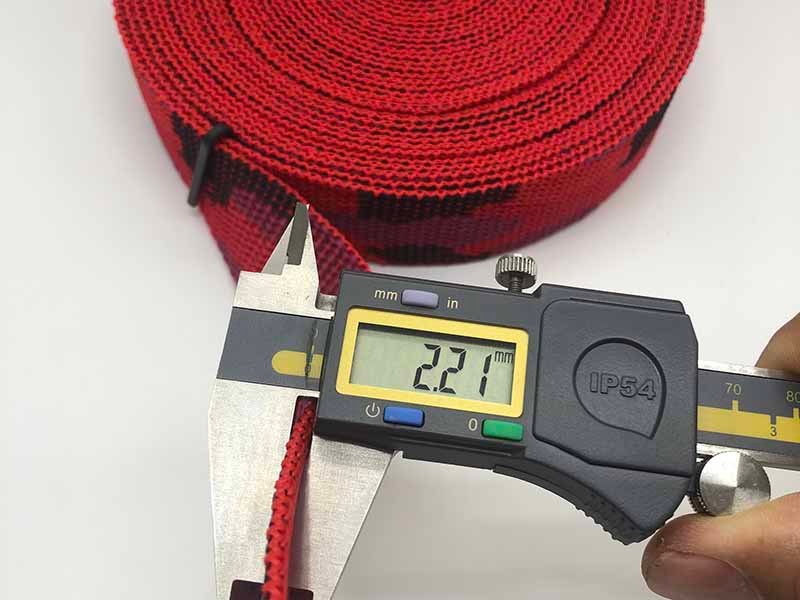
In an industry where strength, durability, and safety cannot be compromised, webbing quality inspection stands at the very heart of production excellence. Whether it’s a heavy-duty lifting sling in construction, a child-safe harness in outdoor gear, or a decorative strap on a premium backpack, every meter of webbing must reliably perform under stress, environmental exposure, and repeated use. Achieving this starts with a rigorous inspection protocol encompassing global standards, precise testing equipment, and expert judgment. By understanding each critical checkpoint, from material properties to finished‐product checks, manufacturers and buyers alike can rest assured that their webbing products will meet—and often exceed—expectations.
Nylon vs Polyester Webbing: Which Material Is Best for Outdoor Gear?
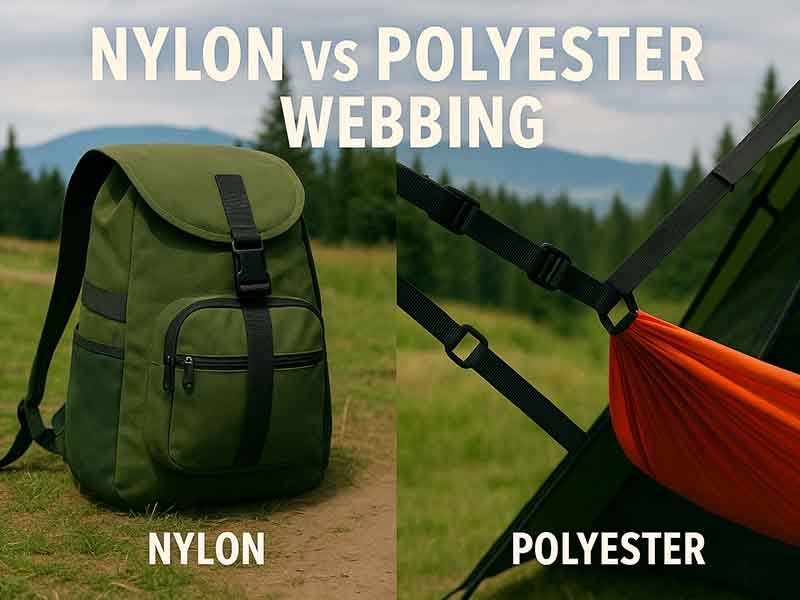
Imagine you’re halfway up a rugged mountain trail, hauling a loaded backpack strapped tight with webbing that stretches just when you need it least. Or picture setting up camp by dusk, fumbling with tent straps that have become brittle from the sun and rain. Webbing is the unsung hero of outdoor gear: it secures, supports, and endures conditions that push materials to their limits. But when it comes to choosing between nylon and polyester webbing, opinions can be as varied as the trails themselves.
Polyester vs Nylon Webbing: The Ultimate Comparison
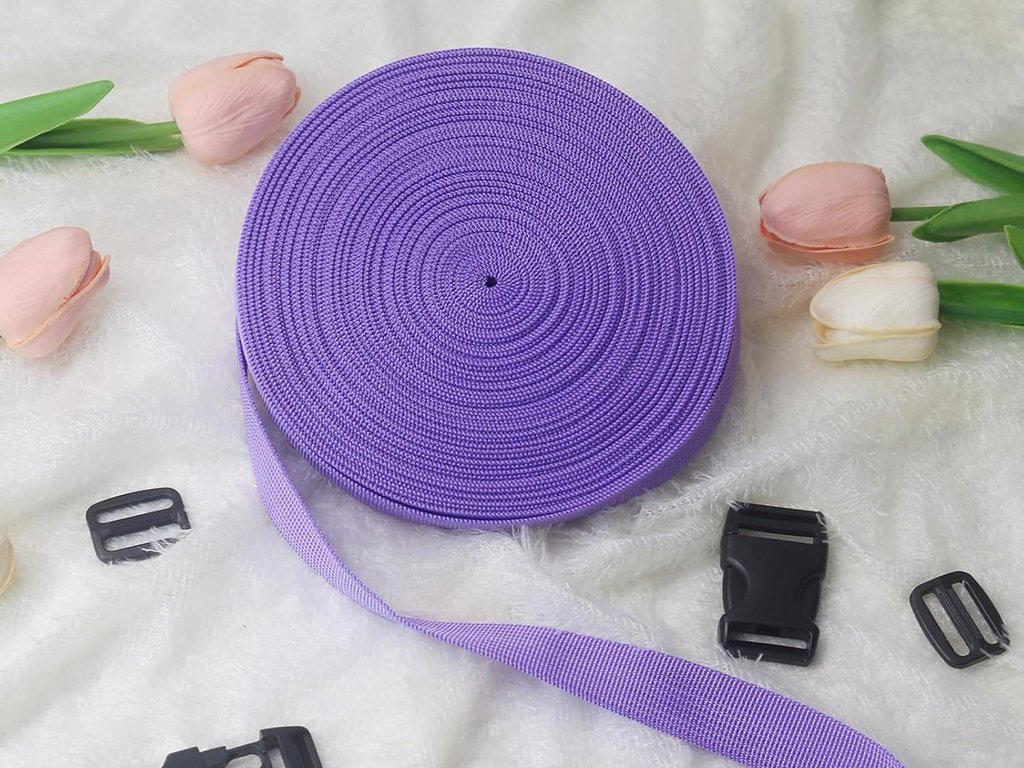
Whether you’re strapping down cargo, crafting rock‑climbing harnesses, or sewing pet collars, the webbing material you choose can make all the difference. The wrong webbing choice can turn routine tasks into dangerous gambles. Selecting the right material is vital for reliability, longevity, and even personal safety.