
Types of Synthetic Slings: A Complete Guide for Safe Lifting

In construction sites, shipyards, and warehouses around the world, one tool has become indispensable for moving heavy loads safely: the synthetic sling. Unlike heavy steel chains or wire ropes, synthetic slings are lightweight, flexible, and far gentler on delicate surfaces. But here’s where most buyers and safety officers start asking questions: what are the different types of synthetic slings, and which one is right for my job?
What Are the Different Types of Slings and How Do You Choose the Right One?
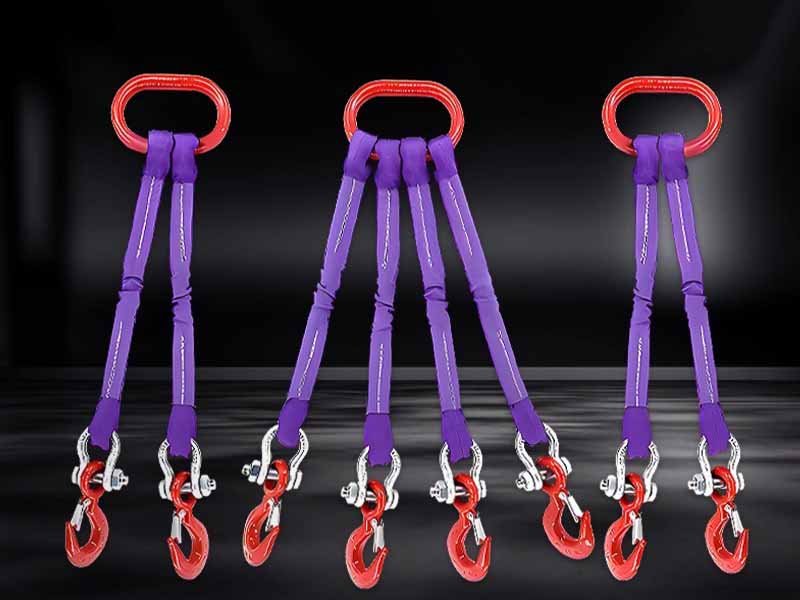
Modern lifting operations demand the right sling for safety, efficiency, and cost‑effectiveness. From rugged alloy‑steel chain slings powering heavy lifting in steel mills to ultra‑gentle polyester web slings handling delicate glass panels, each sling type brings unique benefits and trade‑offs. Whether you’re hoisting machinery across a dusty construction site or carefully positioning precision‑machined parts in a factory, understanding sling construction, load capacity, inspection practices, and environmental sensitivities is critical.
The Ultimate Synthetic Slings Guide: Types, Uses & Safety Tips

In today’s fast-paced industrial landscape, ensuring both safety and efficiency in lifting operations isn’t just a “nice-to-have”—it’s mission critical. Synthetic slings have surged in popularity across construction sites, shipping docks, and manufacturing floors because they blend high strength with low weight, offering advantages that traditional steel slings simply can’t match.