Skip to content
What is Polypropylene Webbing Used For?

When it comes to strapping materials, few are as versatile, lightweight, and cost-effective as polypropylene webbing. Whether you’re adjusting the strap on your backpack, securing a kayak to a roof rack, or walking your dog with a sturdy leash, there’s a good chance polypropylene webbing is quietly doing the heavy lifting. Over the past few decades, its use has expanded across industries—from outdoor adventure gear to industrial safety equipment—thanks to its unique blend of strength, weather resistance, and affordability.
What Is Webbing Tensile Strength and How Can You Maximize It?
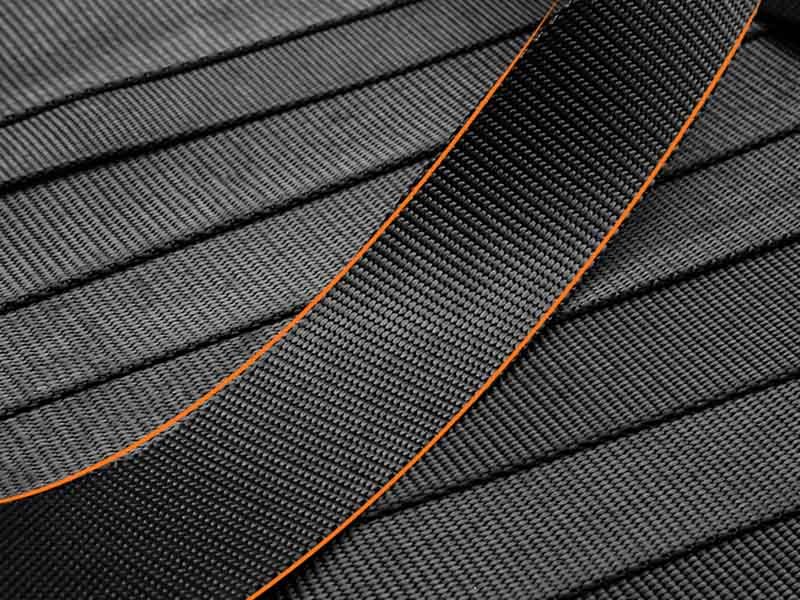
When you first pick up a length of webbing—whether it’s for your next rock-climbing adventure, rigging gear onto your truck, or strapping cargo on a shipping pallet—you probably don’t think much about what goes on behind the scenes. Yet in every reliable strap that keeps you safe or your goods secure, there’s a world of material science and manufacturing know-how that determines whether that webbing will hold under pressure or let you down at the worst possible moment.
What Is Outdoor Chair Webbing: The Ultimate Guide

Outdoor chair webbing may sound like a small detail, but it’s actually the backbone of your favorite patio lounger or poolside chaise. It’s the flexible fabric strap that holds you up, keeps your seat taut, and resists sun, rain—and yes, the occasional spill.
Nylon vs Polypropylene Webbing: A Comprehensive Comparison
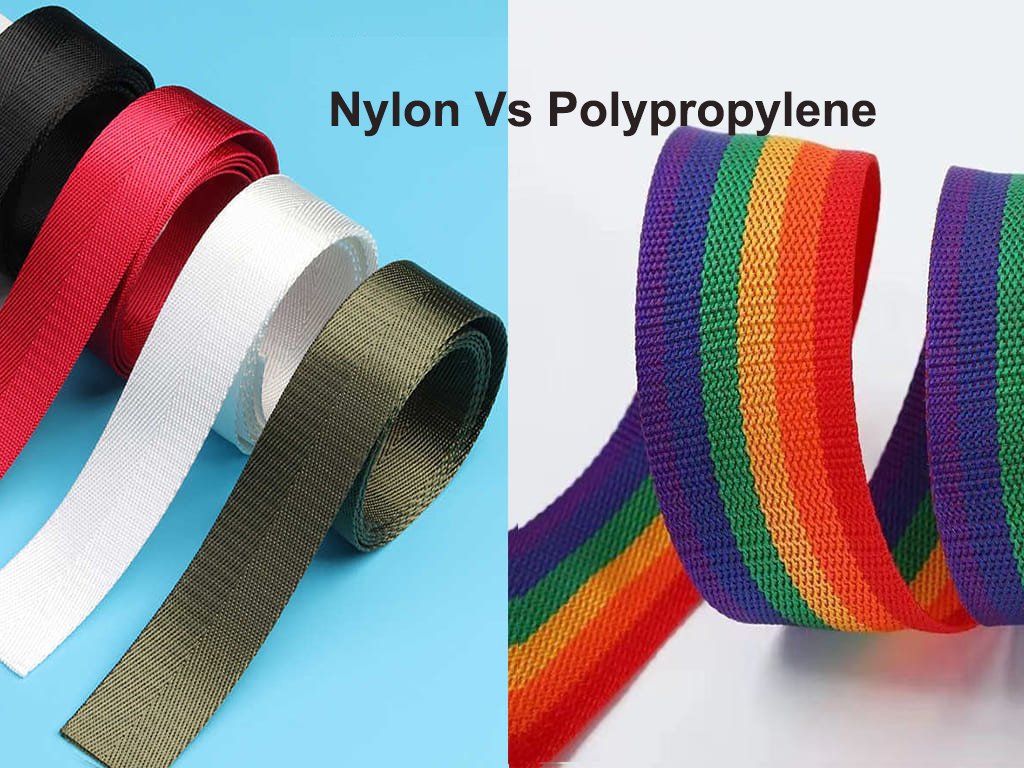
When it comes to selecting the right webbing material, nylon and polypropylene often top the list. Whether you’re crafting a backpack strap, dog leash, outdoor gear, or heavy-duty cargo tie-down, the choice between these two popular webbings can make or break the performance and longevity of your product.