Skip to content
How Do Seatbelt Work: The Ultimate Guide
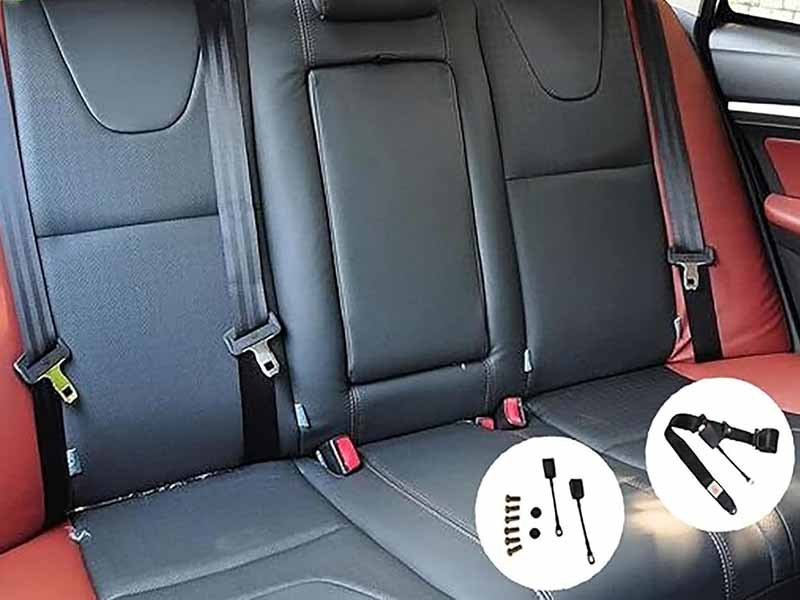
When you buckle up, you trust a strip of woven fabric—seatbelt webbing—to restrain you in a split-second collision. Yet behind that simple belt lies decades of engineering, materials science, and crash-test rigor. From the first generation of heavy, non-stretch straps to today’s high-performance nylon and polyester weaves, seatbelt webbing has evolved to become thinner, stronger, and smarter.
How to Choose the Best Tie Down Webbing Materials
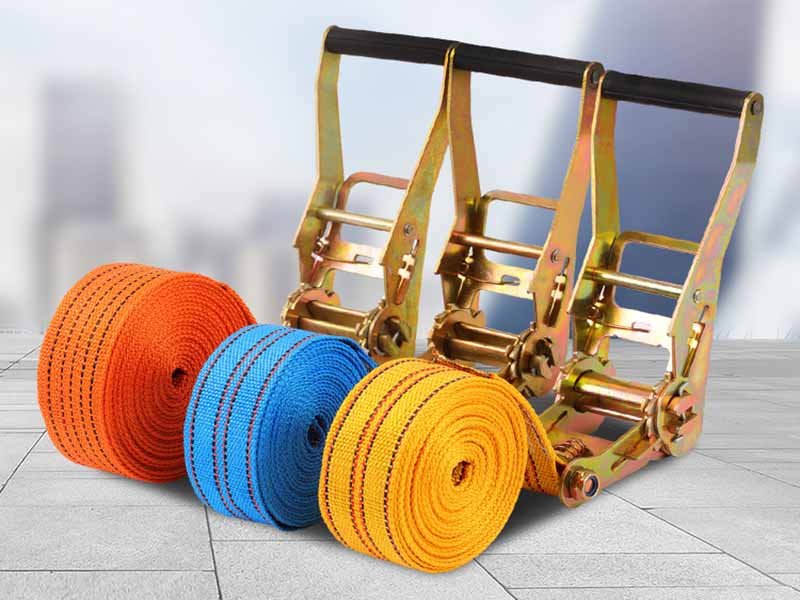
In the world of cargo securing, the right choice of tie down webbing material can mean the difference between a safe delivery and a costly disaster. Whether you’re hauling heavy machinery, securing outdoor gear, or shipping delicate components, your webbing must balance tensile strength, abrasion resistance, UV stability, and flexibility—all while fitting within budget constraints. Choosing poorly can lead to frayed straps, lost loads, and reputational damage.
How to Choose Top Webbing Manufacturers for Custom Nylon, Polyester & More
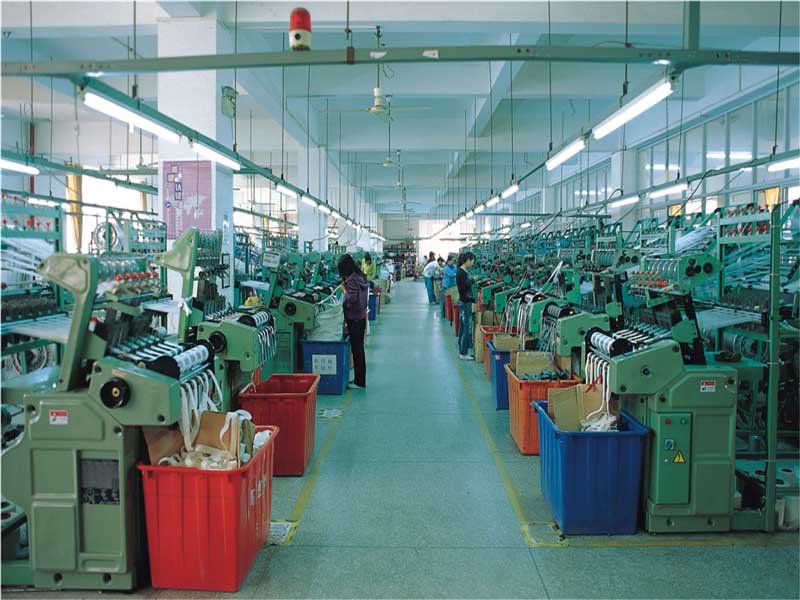
Webbing is an integral component in countless industries, from fashion to outdoor gear to automotive manufacturing. Yet, choosing the right webbing manufacturer can be daunting with so many options available. This article will guide you through the key aspects of working with webbing manufacturers, from material selection to customization options, and what to look for to ensure high-quality, cost-effective solutions for your business.
How Do Material Choices Impact Webbing’s Waterproof Capabilities?
In today’s outdoor and industrial markets, webbing isn’t just about strength—it’s about standing up to the elements. Whether you’re crafting marine harnesses that battle sea spray or outdoor gear meant to keep campers dry through downpours, waterproof performance is critical. From high-altitude mountaineering straps to custom bag handles, a failure in water resistance can compromise safety, comfort, and longevity. Yet, not all webbings are created equal—and small choices in fiber, coating, or weave can yield outsized benefits in wet conditions.
How to Choose the Best UV-Resistant Webbing for Outdoor Applications: Materials, Testing, Coatings and Supplier Guide

When you’re designing or sourcing outdoor gear—whether it’s backpacks, marine straps, climbing harnesses, or camping tents—UV resistance isn’t just a nice feature; it’s an absolute necessity. The sun’s ultraviolet (UV) rays can silently destroy webbing materials over time, causing them to fade, weaken, and eventually fail. That’s a nightmare scenario if you’re manufacturing products designed […]
How Does the Dyeing Process Impact Color Consistency in Webbing?
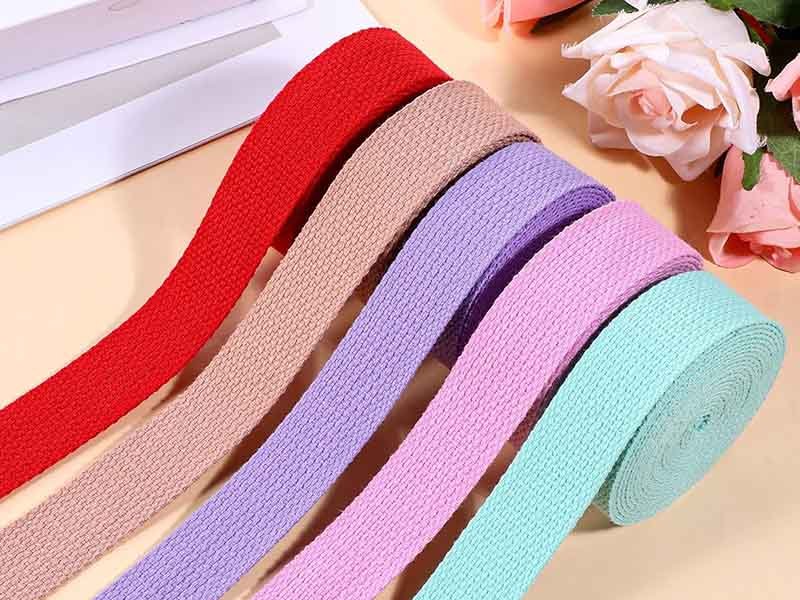
Color is the first thing your customers notice—one slight shade difference, and suddenly your perfectly matched straps, handles, or belts look off. In webbing manufacturing, controlling that “just-right” hue means balancing art and science. From choosing the ideal dye chemistry to dialing in bath temperature, every detail affects whether your bulk order comes out looking uniform or patchy.
5-Step Webbing Production Process Explained
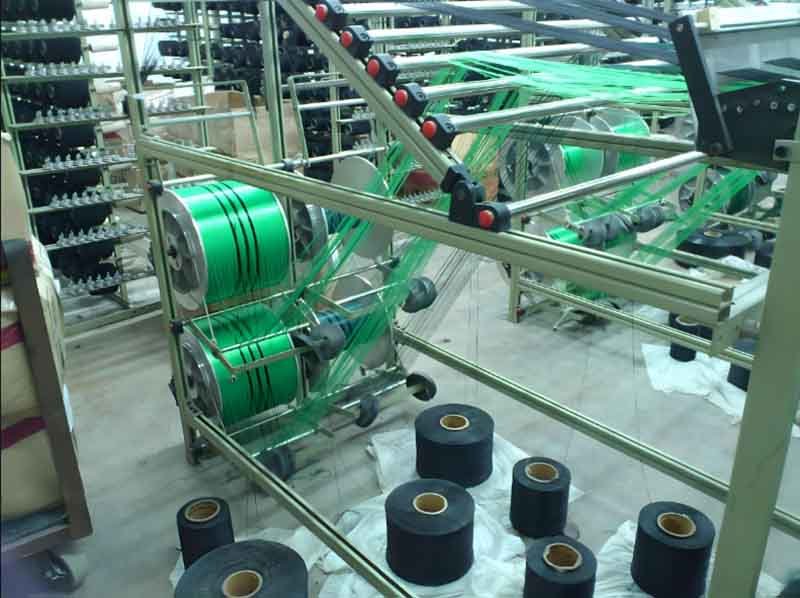
When you pause to think how everyday straps—like those on your backpack, seat belt, or pet leash—are made, it can seem like a mystery. Yet behind every length of webbing is a carefully orchestrated five-step process. From selecting the right yarns to ensuring every inch meets strict strength and color standards, each phase matters.