Skip to content
Eco-Friendly Webbing: How to Choose and Apply Sustainable Materials in Your Projects?

When it comes to modern manufacturing, sustainability isn’t just a buzzword—it’s a business imperative. As consumers and brands alike become more environmentally conscious, webbing suppliers must adapt by offering eco-friendly alternatives without sacrificing performance or cost-effectiveness. From backpacks and outdoor gear to pet collars and safety harnesses, webbing touches virtually every product category where strength, flexibility, and durability matter. Today’s leading manufacturers leverage breakthroughs in recycled fibers, organic textiles, and closed-loop production to reduce waste, lower carbon footprints, and deliver green credentials that resonate with end users.
Nylon vs Polyester Webbing: Which Material Is Best for Outdoor Gear?
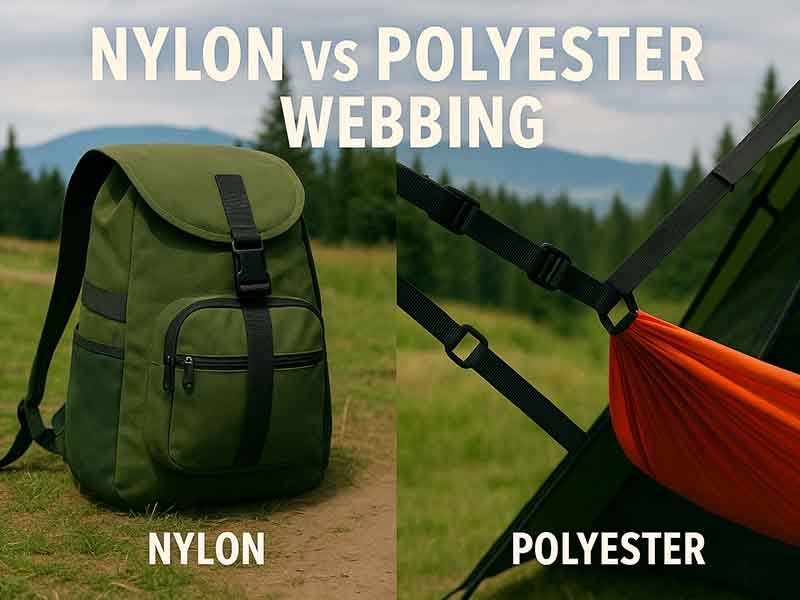
Imagine you’re halfway up a rugged mountain trail, hauling a loaded backpack strapped tight with webbing that stretches just when you need it least. Or picture setting up camp by dusk, fumbling with tent straps that have become brittle from the sun and rain. Webbing is the unsung hero of outdoor gear: it secures, supports, and endures conditions that push materials to their limits. But when it comes to choosing between nylon and polyester webbing, opinions can be as varied as the trails themselves.
20 Best Polyester Webbing Manufacturers in The Worldwide? The Ultimate Guide
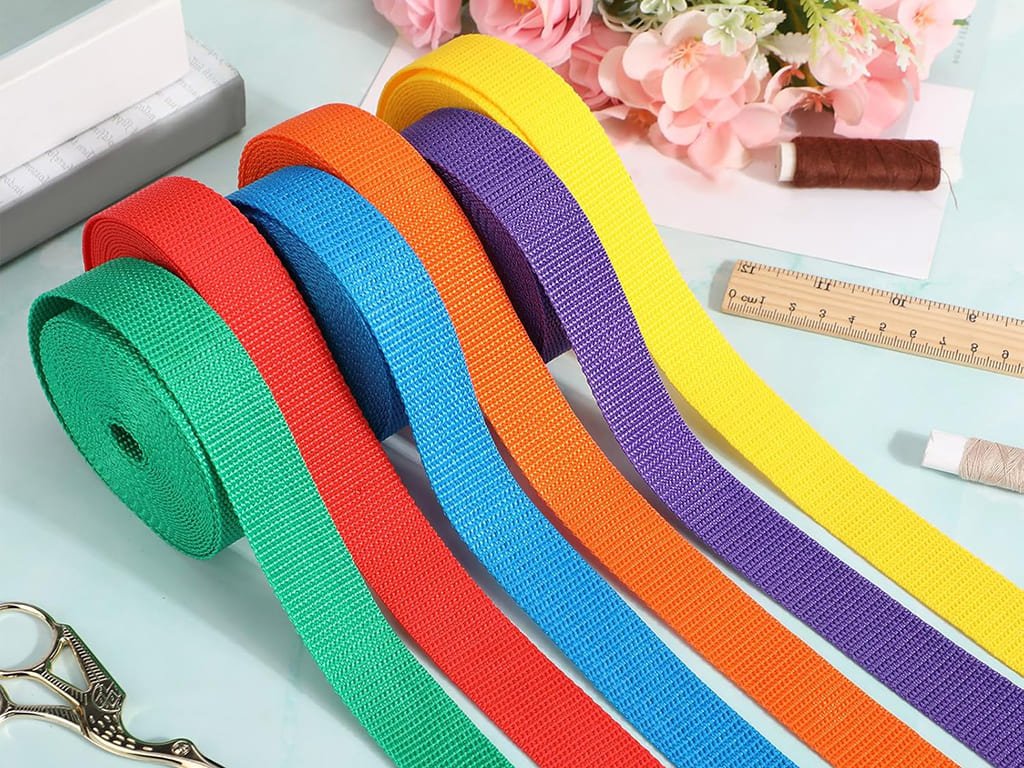
Imagine you’re sourcing webbing for a new line of outdoor backpacks, pet leashes, or tactical gear—and you need a supplier who can deliver unparalleled strength, vibrant colors, and custom options at scale. With hundreds of mills vying for your business, how do you separate the wheat from the chaff?