
What Is Polyester Webbing and How Do You Choose the Right Type?

Polyester webbing is the quiet backbone of modern soft goods—from backpack straps and cargo tie-downs to pet leashes, marine rigging, medical belts, and automotive interiors. Yet, many buyers still treat it as a commodity strip of fabric. That blind spot costs money (and sometimes safety) because “polyester webbing” is not one thing: the yarn chemistry, weave construction, finishing, and quality controls radically change its strength, stretch, UV stability, feel, and lifetime cost. If you’ve ever had a strap creep longer under load, fade after a season outdoors, or delaminate at the buckle, you already know why choosing the right polyester webbing matters.
How Do Seatbelt Work: The Ultimate Guide
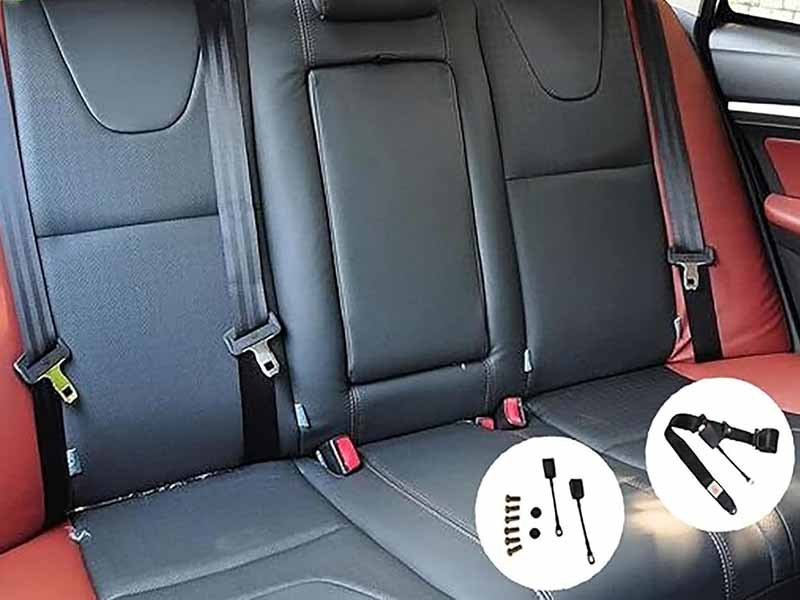
When you buckle up, you trust a strip of woven fabric—seatbelt webbing—to restrain you in a split-second collision. Yet behind that simple belt lies decades of engineering, materials science, and crash-test rigor. From the first generation of heavy, non-stretch straps to today’s high-performance nylon and polyester weaves, seatbelt webbing has evolved to become thinner, stronger, and smarter.
What Is Webbing? The Ultimate Guide
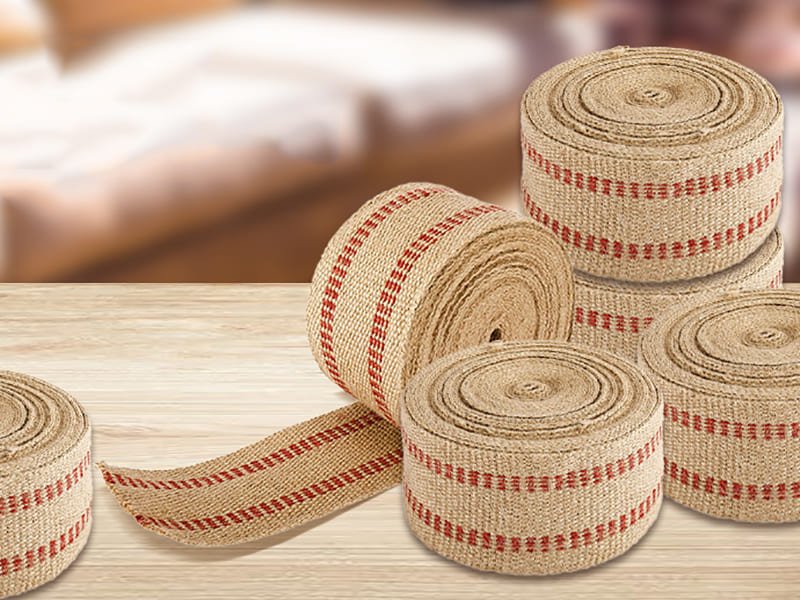
When you look at a backpack strap, a seatbelt, a pet leash, or even a golf bag, chances are you’re looking at webbing. It may not get the spotlight, but webbing is everywhere, quietly doing the heavy lifting in our everyday lives. From military applications to fashion accessories, this strong, woven fabric is the backbone of safety, durability, and design.