- (+86)13823134897
- info@szoneierwebbing.com
From Inquiry to Delivery
 Skip to content
 From Inquiry to Delivery
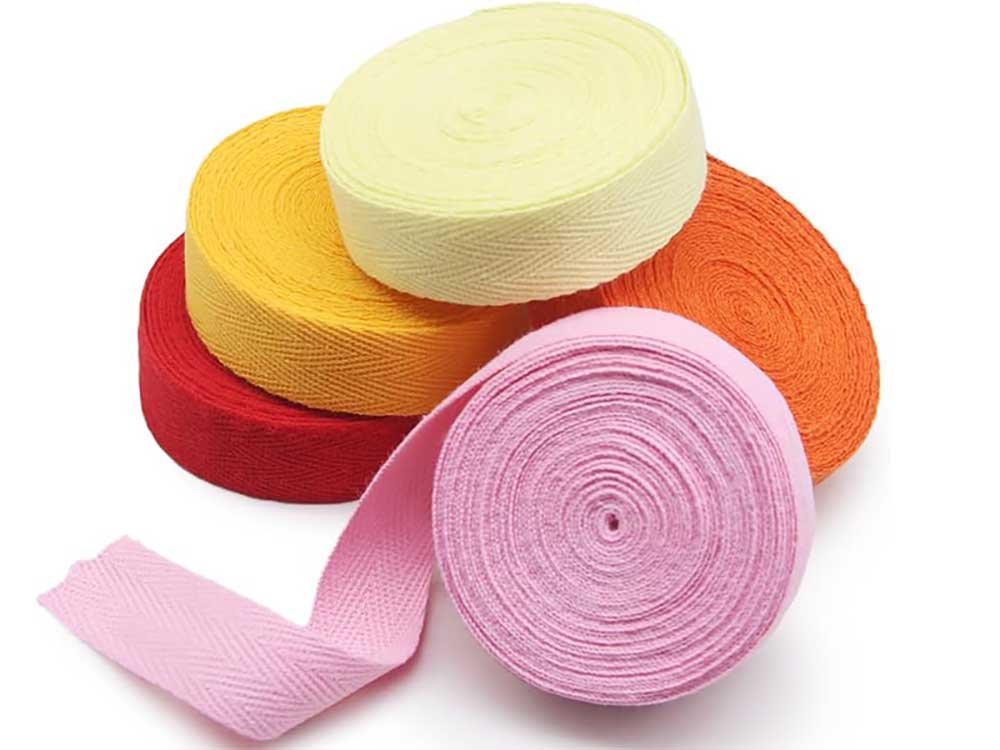
If you’ve ever looked closely at a premium jacket seam, a bag strap, or even the inside finishing of an upholstered chair, you may have spotted a neat “V-shaped” woven pattern running along the edges. That is herringbone tape—a versatile textile trim known for both its aesthetics and strength. Unlike generic ribbons or bias tapes, herringbone tape stands out because of its distinctive weave that resembles the bones of a herring fish, hence the name.
Herringbone tape is used for reinforcing seams, binding edges, strengthening straps, and adding decorative finishes in garments, bags, upholstery, and industrial products. Its unique “V” weave structure prevents fraying, improves durability, and offers an attractive surface for functional and decorative applications.
What makes herringbone tape so useful is its balance between strength, flexibility, and aesthetics. It doesn’t just hold fabric together; it makes the product last longer and look more professional. A luxury coat might use cotton herringbone tape for a neat finish, while a hiking backpack might rely on nylon herringbone tape for high tensile strength. Even pet accessories, furniture, and medical products make use of this humble textile component.
Before we dive into materials, comparisons, and performance specs, let’s start with the basics: what exactly is herringbone tape and how is it made? Think of this as not just a technical guide, but also a story about why global brands—from apparel labels in Milan to outdoor gear makers in Colorado—trust this fabric innovation. Stick with me, because by the end, you’ll see why sourcing the right tape could save your production line headaches, and maybe even win you repeat customers.
Herringbone tape is a flat woven trim characterized by its chevron or “V” weave pattern. Constructed on looms using a modified twill weave, it alternates thread direction to form a zigzag texture. This structure not only adds visual appeal but also enhances strength and reduces fraying compared to plain-woven tapes. Available in widths from 10 mm to 50 mm and various thicknesses, it serves both decorative and structural roles across garments, bags, and industrial textiles.
At first glance, herringbone tape may look like any other woven trim, but the details make it different. The “herringbone” structure is essentially a reversed twill weave, where the diagonal lines in the weave are systematically inverted. This creates a symmetrical V-shape running across the tape. Compared to grosgrain or bias tape, herringbone is both visually distinctive and mechanically stable.
| Specification | Typical Range | Why It Matters |
|---|---|---|
| Width | 10 mm – 50 mm | Wider tapes reinforce bags; narrow tapes bind garment seams. |
| Thickness | 0.3 mm – 2 mm | Thicker = stronger; thinner = better for folding/sewing. |
| GSM (Weight) | 80 – 350 gsm | Heavier weights suit industrial or outdoor products. |
| Tensile Strength | 150 – 800 N | Critical for straps, belts, and load-bearing applications. |
What this table shows is that herringbone tape is not “one size fits all.” A cotton tape at 0.5 mm thickness might be perfect for finishing the inside seam of a shirt, but utterly unsuitable for a climbing harness where tensile strength and abrasion resistance are paramount.
In short, herringbone tape is both an engineering solution and a design choice. It reinforces products while making them look cleaner and more upscale—a dual benefit that explains why it shows up in everything from luxury trench coats to tactical gear.
Herringbone tape is most commonly made from cotton, polyester, nylon, or polypropylene. Cotton provides softness and breathability, making it popular for apparel finishing. Polyester and nylon add high tensile strength, abrasion resistance, and colorfastness, ideal for bags and outdoor gear. Polypropylene is cost-effective, lightweight, and moisture resistant, used in disposable or utility products. The choice of material determines performance, durability, and sustainability, so selecting the right fiber is key to aligning tape properties with end-use.
When sourcing herringbone tape, the first decision you face is fiber selection. Each material has a different balance of cost, durability, environmental impact, and user experience.
Pros:
Cons:
Cotton remains the gold standard for premium garment trims and seam binding. Brands that want an “authentic,” natural look—like heritage workwear or handmade accessories—often choose cotton herringbone.
Pros:
Cons:
Polyester is a workhorse material, bridging cost and performance. It’s widely used in bags, tents, outdoor gear, and even uniforms.
Pros:
Cons:
Nylon herringbone tape is the top choice for performance gear—think backpacks, climbing equipment, military straps.
Pros:
Cons:
PP herringbone tape is common in budget applications or disposable goods (e.g., packaging, promotional straps).
| Material | Strength | Breathability | UV Resistance | Cost Level | Typical Use Cases |
|---|---|---|---|---|---|
| Cotton | Medium | Excellent | Fair | Medium | Apparel, seam binding, home textiles |
| Polyester | High | Low | Good | Low-Medium | Bags, tents, uniforms |
| Nylon | Very High | Low | Medium (needs treatment) | Medium-High | Outdoor gear, military straps |
| Polypropylene | Medium-Low | Low | Poor (unless treated) | Low | Packaging, utility straps |
As more brands adopt eco-friendly policies, cotton (organic/BCI certified) and recycled polyester (rPET) herringbone tapes are becoming popular. Some suppliers, including GRS-certified factories, now offer recycled nylon or blended options to meet EU and US sustainability requirements.
In short: the fiber is destiny for herringbone tape. Choosing the wrong one can lead to failures (e.g., cotton tape tearing on a heavy bag strap) or customer dissatisfaction (e.g., polyester tape on high-end luxury apparel feeling “synthetic”).
Herringbone tape is used across apparel (waistbands, cuffs, seam finishing), bags and luggage (handles, reinforcements, trims), upholstery (edge binding), medical textiles (bandages, protective gear), and pet products (collars, leashes). Its combination of strength, clean edges, and attractive weave makes it both functional and decorative. Each industry selects material, width, and thickness based on performance needs—from soft cotton tape in shirts to heavy nylon tape in tactical gear.
Herringbone tape is a chameleon of the textile world, adapting to multiple industries. Let’s explore.
Case Example: A European luxury trench coat maker uses 100% cotton herringbone tape inside seams for heritage authenticity and durability.
Case Example: A U.S. hiking backpack brand switched from plain webbing to herringbone nylon tape, reducing strap slippage complaints by 30%.
Case Example: Interior designers often choose cotton herringbone tape dyed in custom Pantones to match upholstery fabrics.
| Application Area | Preferred Material | Key Requirements |
|---|---|---|
| Apparel | Cotton | Soft, breathable, dyeable |
| Bags & Outdoor Gear | Nylon/Polyester | High strength, abrasion resistance |
| Upholstery | Cotton/Polyester | Decorative, durable |
| Medical | Cotton | Skin-friendly, breathable |
| Pet Products | Nylon | Strong, chew-resistant |
| Packaging | PP/Polyester | Cheap, colorful |
Compared to twill tape, grosgrain ribbon, bias tape, and plain webbing, herringbone tape offers better edge stability, anti-fray resistance, and grip. While twill tape is simple and cost-effective, herringbone’s chevron weave is stronger and more decorative. Grosgrain has a ribbed look but less structural strength. Bias tape is flexible but prone to stretching. Standard webbing is stronger but bulkier, making herringbone tape the balanced choice for both utility and design.
Choosing trims often comes down to cost vs function. Here’s how herringbone stacks up.
| Type | Strength | Flexibility | Decorative Appeal | Edge Stability | Cost |
|---|---|---|---|---|---|
| Herringbone | High | Medium | High | Excellent | Medium |
| Twill Tape | Medium | Medium | Moderate | Good | Low |
| Grosgrain | Low | Medium | High (shiny) | Fair | Low |
| Bias Tape | Low | High | Moderate | Poor | Low |
| Webbing | Very High | Low | Moderate | Excellent | Medium-High |
Herringbone tape widths range from 10 mm to 50+ mm, thickness from 0.3 mm to 2 mm. Narrow, thin tapes are used in garments, while wide, thick versions reinforce bags and upholstery. Finishes like fire-retardant, water-repellent, or anti-fray coatings enhance performance. Pre-shrunk or heat-set options reduce production risks, especially in apparel. Selecting the right dimension and finish ensures the tape matches the stress and environmental conditions of its final use.
| Width (mm) | Typical Use | Key Benefit |
|---|---|---|
| 10–15 | Apparel seams, labels | Lightweight, neat |
| 20–30 | Waistbands, bags | Balanced strength |
| 40–50+ | Outdoor/tactical gear | Heavy-duty support |
To choose the right herringbone tape, consider fiber (cotton vs synthetics), width and thickness for stress load, and required finishes (waterproof, fire-retardant). Verify performance with tensile, abrasion, and colorfastness tests. Factor in end-use care (machine wash vs dry clean) and compliance standards (REACH, OEKO-TEX, CPSIA). The right tape balances durability, aesthetics, and safety while aligning with your brand’s product positioning and customer expectations.
| Product Type | Best Choice | Why |
|---|---|---|
| Luxury Apparel | Cotton Herringbone | Natural, soft, premium look |
| Outdoor Backpack | Nylon Herringbone | High tensile, abrasion resistant |
| Upholstery | Polyester Herringbone | Durable, colorfast |
| Pet Leash | Nylon Herringbone | Strength, chew resistance |
| Disposable Utility | PP Herringbone | Cheap, lightweight |
Herringbone tape might seem like a small component, but it’s one of those details that make or break a product. The right tape prevents fraying, enhances strength, and elevates product aesthetics—directly impacting customer satisfaction and return rates.
At Szoneier, with 18+ years of webbing expertise, we supply cotton, polyester, nylon, and polypropylene herringbone tapes with:
Whether you need natural cotton for luxury garments or military-grade nylon for tactical gear, Szoneier can tailor specifications to your exact requirements.


No worries, please contact us and we will answer all the questions you have during the whole process of webbing customization.
If you have your own artwork, logo design files, or just an idea,please provide details about your project requirements, including preferred fabric, color, and customization options,we’re excited to assist you in bringing your bespoke bag designs to life through our sample production process.
Copyright ©2021 Szoneier , All rights reserved.
Looking for premium custom webbing? Contact us now for competitive pricing, free samples, and expert consultation. Fill out the form below, and our team will get back to you within 24 hours!
 Optimized by Seraphinite Accelerator