
From Inquiry to Delivery
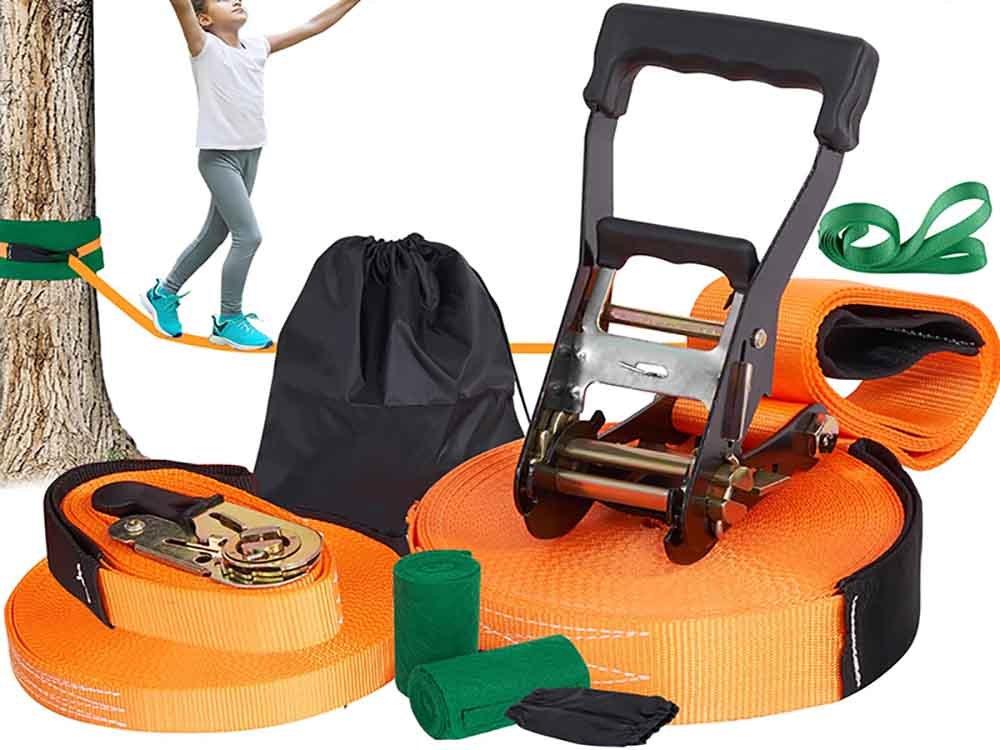
Balancing on a slackline stretched between two trees looks almost magical—athletes hovering just inches above the ground, focused, poised, and controlled. On the other hand, the same webbing-like strap can be seen tightening down heavy cargo on trucks, trailers, or rooftop racks. At first glance, slacklines and ratchet straps look similar: both are flat woven bands of synthetic fiber, both use tension, and both rely on anchor points. But the real question many ask is—are they interchangeable, or are they worlds apart?
Slacklines and ratchet straps may look alike, but they serve very different purposes. A slackline is a stretchable webbing designed for balance training and recreation, while a ratchet strap is a low-stretch tie-down used for securing cargo. Slacklines emphasize dynamic elasticity, wider webbing, and controlled tension; ratchet straps prioritize strength, low elongation, and strict load ratings. Mixing the two is unsafe and not recommended.
Here’s the twist: while some DIY beginners try to repurpose ratchet straps as slacklines, doing so often leads to accidents. In this guide, we’ll break down the key differences in materials, setups, safety standards, and best use cases—so you’ll never confuse them again. Stick around, because by the end, you’ll not only know which strap belongs where, but also how to specify custom webbing tailored to your project.
A slackline is a length of flat, stretchable webbing anchored between two points, mainly used for balance and recreation. A ratchet strap, by contrast, is a flat woven strap with a metal ratchet mechanism, built to secure cargo tightly. Slacklines prioritize controlled stretch and rebound; ratchet straps prioritize tension and safety for heavy loads.
At their core, both tools are woven webbing systems, but their DNA is different:
This distinction is crucial: one is for dynamic play, the other for static security. Using them interchangeably ignores their fundamental engineering.
Slacklines usually use nylon or polyester webbing, 1–2 inches wide, with higher stretch (4–12%) for bounce and balance. Ratchet straps almost always use polyester webbing, 1–4 inches wide, with low stretch (2–3%) and high tensile strength for cargo security. Specs like fiber type, width, weave, and Working Load Limit (WLL) directly determine safety, performance, and lifespan.
When comparing slacklines and ratchet straps, the choice of material and technical specifications is what really separates them. Though they look similar, the fibers, weaves, and ratings are engineered with completely different goals.
Nylon (Slackline Favorite)
Polyester (Dual Role)
Polypropylene (Occasional Use in Budget Gear)
Bottom line: nylon = bounce, polyester = stability, polypropylene = economy option.
Slacklines
Ratchet Straps
A slackline’s width affects balance comfort; a strap’s width determines load capacity.
Slackline Webbing Weaves
Ratchet Strap Webbing Weaves
Slacklines optimize for comfort and bounce, ratchet straps for load stability and edge strength.
Here’s where safety compliance kicks in:
Slacklines
Ratchet Straps
| Spec | Slackline | Ratchet Strap |
|---|---|---|
| Fiber | Nylon / Polyester | Polyester |
| Width | 1–2 in | 1–4 in |
| Stretch | 4–12% | 2–3% |
| Weave | Tubular / Flat | Flat, reinforced |
| Strength Rating | 3,000–5,000 lb MBS (unregulated) | 2,000–6,000 lb WLL (regulated) |
| Purpose | Balance, tricks | Cargo securement |
Takeaway:
When evaluating slacklines and ratchet straps, always look beyond the appearance. Specs like fiber type, weave, width, and strength ratings define their DNA—and crossing them leads to misuse and risk.
Slacklines can be tensioned using ratchets, primitive friction systems, or pulley setups, while ratchet straps always use a built-in steel ratchet mechanism to lock cargo down. Slackline setups prioritize anchor protection and controlled stretch for safe balancing, whereas ratchet straps focus on speed, rigidity, and immovable security.
Even though both involve “tightening a strap,” the mechanics and purpose of tensioning are fundamentally different.
Slacklines are designed to create a dynamic surface to walk or bounce on, so the tension must be controlled, not absolute.
Primitive Setup
Ratchet Slackline Kits
Advanced Pulley/Multiplier Systems
In slacklining, the goal is adjustability and bounce. Too much tension eliminates the “slack” and risks gear failure.
Ratchet straps are made for one thing: lock and secure cargo so it doesn’t move an inch.
With ratchet straps, the goal is rigidity and immobilization, not controlled give.
| Aspect | Slackline Setup | Ratchet Strap Setup |
|---|---|---|
| Tension Method | Ratchet, carabiner/friction hitch, or pulley | Steel ratchet mechanism |
| Goal | Controlled elasticity, bounce, and safe fall height | Cargo immobilization, zero movement |
| Anchors | Trees, posts, tree protectors, weblocks | Truck rails, D-rings, hooks, tie-down points |
| Adjustment | Fine-tuned, multiple systems available | Quick, rigid lock-in |
| Risk of Misuse | Too much tension = webbing damage | Under-tension = load shift, over-tension = strap wear |
Bottom Line: A slackline’s tensioning system is about creating play, while a ratchet strap’s is about eliminating play.
No, using a ratchet strap as a slackline is unsafe. Ratchet straps are not designed for dynamic loading and may fail under bouncing stress, while slacklines are not load-rated for cargo. Each should only be used for its intended purpose.
The internet is full of “budget slackline hacks” using ratchet straps—but it’s risky:
On the flip side, using a slackline to secure cargo? A disaster waiting to happen. Slacklines stretch too much, and loads can shift dangerously during transit.
Bottom line: don’t cross-purpose them. Safety is about respecting the engineering.
Ratchet straps must display WLL, breaking strength, and compliance labels (e.g., DOT, ANSI, EN12195-2). Slacklines, while not federally regulated, follow community safety guidelines, with manufacturers publishing recommended load ratings.
For professionals, labels matter:
Ratchet Straps:
Slacklines:
Checking the tag isn’t optional—it’s your first line of defense against unsafe use.
Slacklines are designed for balance, fitness, and fun, while ratchet straps are engineered for securing cargo during transport or storage. Each excels only in its intended environment.
Use case is the easiest way to remember:
Slacklines:
Ratchet Straps:
The key: Slacklines = people. Ratchet straps = loads.
Ratchet straps generally last longer under load due to polyester’s low stretch and UV resistance, but both slacklines and straps must be inspected for cuts, fraying, or hardware wear. Proper storage and cleaning extend lifespan.
Retire gear early if safety is questionable—replacement costs less than accidents.
Choose slacklines for recreation and polyester ratchet straps for cargo. Check width, WLL, and intended use. For specialized branding, colors, or hardware, work with a manufacturer like Szoneier to custom-order webbing straps.
Choosing right boils down to purpose-first thinking:
Szoneier specializes in OEM/ODM webbing:
When safety, branding, and durability converge, customization beats off-the-shelf.
At first glance, slacklines and ratchet straps might look like cousins—but once you dive deeper, their roles couldn’t be more different. Slacklines are built for balance and fun, ratchet straps for uncompromising cargo security. Both require the right material, width, and setup to perform safely.
If you’re sourcing webbing—whether for sports gear, outdoor straps, tie-downs, or branded equipment—why settle for generic? With 18+ years of expertise, low MOQs, fast prototyping, and global export experience, Szoneier is your partner in creating webbing solutions that fit your exact needs.
Contact Szoneier today for a free consultation, custom samples, and a tailored quote.
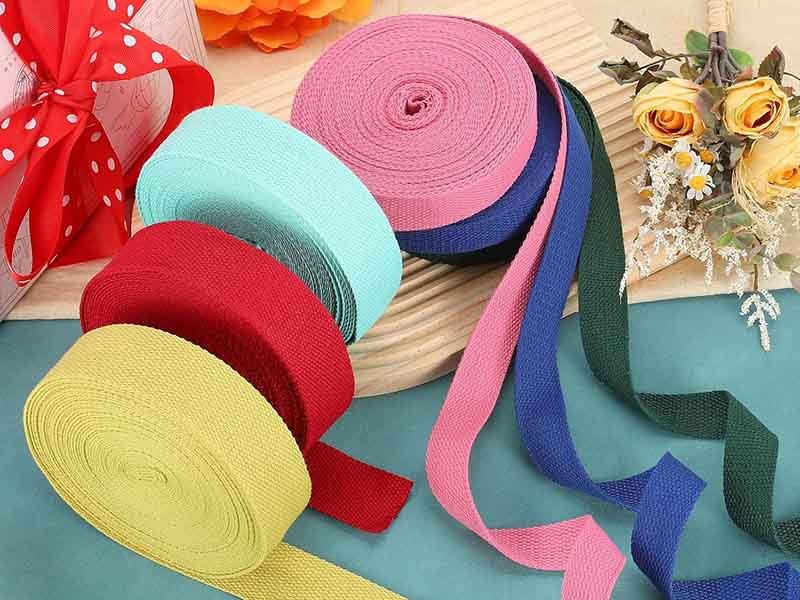


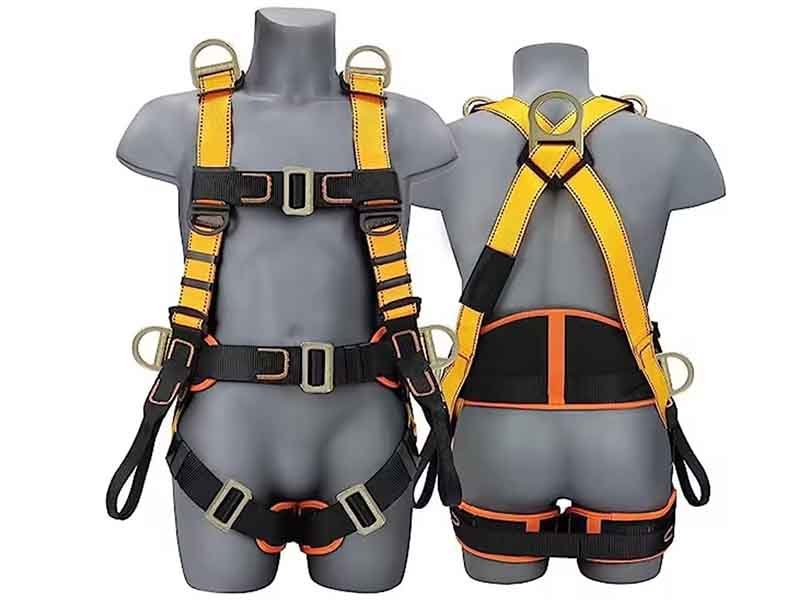
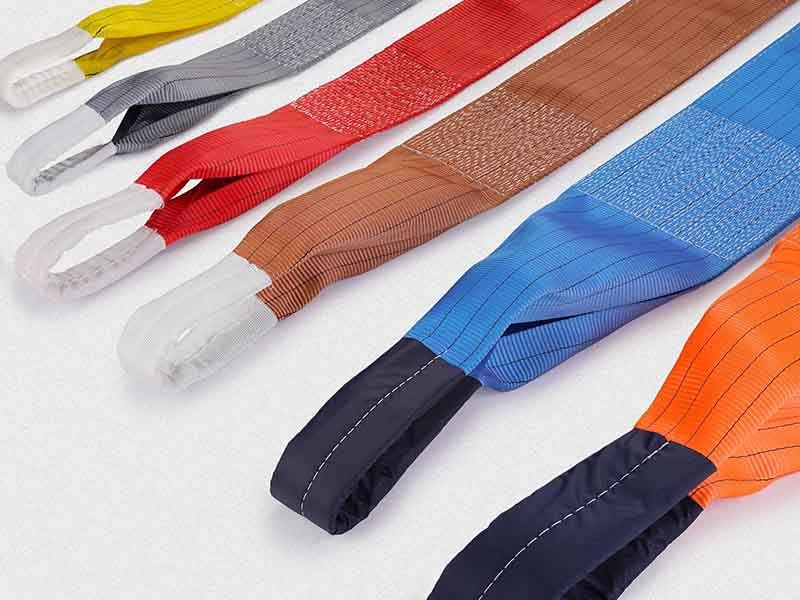
No worries, please contact us and we will answer all the questions you have during the whole process of webbing customization.
If you have your own artwork, logo design files, or just an idea,please provide details about your project requirements, including preferred fabric, color, and customization options,we’re excited to assist you in bringing your bespoke bag designs to life through our sample production process.

Copyright ©2021 Szoneier , All rights reserved.
Looking for premium custom webbing? Contact us now for competitive pricing, free samples, and expert consultation. Fill out the form below, and our team will get back to you within 24 hours!
