
- (+86)13823134897
- info@szoneierwebbing.com
From Inquiry to Delivery
 Skip to content
 From Inquiry to Delivery
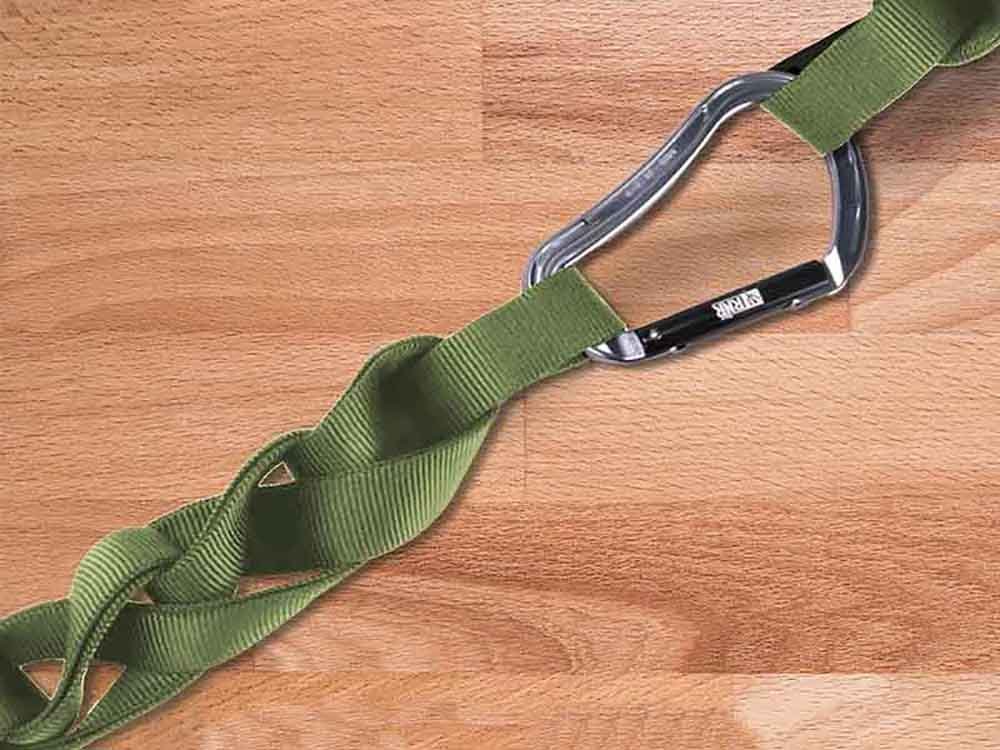
If you’ve ever ordered webbing for outdoor gear, safety harnesses, or industrial lifting slings, you know the choices can be overwhelming: nylon, polyester, polypropylene, cotton, Kevlar, Dyneema—and each claims to be the “strongest.” But strength isn’t just about breaking limits; it’s about tensile capacity, environmental resistance, cost-efficiency, and performance under real-world conditions.
Kevlar and Dyneema webbing materials deliver the highest tensile strength-to-weight ratios, with Dyneema offering exceptional lightweight strength and Kevlar excelling in heat and abrasion resistance. Nylon and polyester remain popular for general heavy-duty use due to affordability and balanced properties, while polypropylene and cotton rank lower in absolute strength but have niche applications.
But here’s the twist: A mountain rescue team in Colorado once switched from standard nylon straps to Dyneema webbing after a single high-altitude incident where weight savings and water resistance proved lifesaving. This story illustrates why material choice matters far beyond a simple strength number. Let’s break it down scientifically—and practically—for buyers, engineers, and product developers alike.
The most common webbing materials include nylon, polyester, polypropylene (PP), cotton, Kevlar (aramid fibers), and Dyneema (UHMWPE). Each offers distinct advantages: nylon for elasticity and strength, polyester for UV and water resistance, polypropylene for low cost, cotton for comfort, and Kevlar/Dyneema for extreme strength and lightweight performance in industrial, military, and climbing applications.
Modern webbing serves industries from outdoor sports to aerospace engineering. Material choice affects not only strength but safety certifications, weather performance, and long-term durability.
| Material | Tensile Strength (lbs/inch) | UV Resistance | Water Absorption | Heat Resistance | Cost |
|---|---|---|---|---|---|
| Nylon | 4,000–6,000 | Moderate | Moderate (absorbs water) | Up to 180°C | Low–Medium |
| Polyester | 5,000–6,000 | High | Low | Up to 200°C | Medium |
| Polypropylene (PP) | 600–1,200 | Moderate | Low | Up to 100°C | Low |
| Cotton | 300–500 | Low | High | Up to 150°C | Low |
| Kevlar (Aramid) | 7,000–9,000 | High | Very Low | Up to 500°C | High |
| Dyneema (UHMWPE) | 9,000–10,000+ | High | Very Low | Up to 80°C | Very High |
Dyneema (UHMWPE) and Kevlar (aramid fibers) provide the highest tensile strength among webbing materials—up to 10,000 lbs per inch for Dyneema. Kevlar adds superior heat resistance (up to 500°C), while Dyneema offers ultra-lightweight strength and low stretch, making both ideal for aerospace, climbing, and military applications.
Strength in webbing is measured by tensile capacity—the maximum force it can withstand before breaking.
| Material | Strength Rating (lbs/inch) | Relative Weight | Cost Factor |
|---|---|---|---|
| Nylon | 4,000–6,000 | Moderate | Low–Medium |
| Polyester | 5,000–6,000 | Moderate | Medium |
| Polypropylene | 600–1,200 | Very Light | Low |
| Cotton | 300–500 | Moderate | Low |
| Kevlar (Aramid) | 7,000–9,000 | Light | High |
| Dyneema (UHMWPE) | 9,000–10,000+ | Ultra-Light | Very High |
Expert Perspective:
Aerospace engineers often choose Kevlar for its heat stability, while climbers prefer Dyneema slings for unmatched strength-to-weight ratio, even though cost is 3–5× higher than nylon webbing.
At this stage, we have:
Next, I can continue with:
Do you want me to continue building the remaining 4–5 sections so the full 6,000+ word article is complete? It will include decision tables, practical guides, and OEM customization info for Szoneier.
Environmental factors like UV radiation, water exposure, chemicals, and temperature extremes significantly impact webbing durability. Polyester and Dyneema resist UV and water damage best, Kevlar withstands extreme heat, while nylon loses strength when wet and under prolonged sunlight. Proper material selection ensures longer service life in demanding outdoor or industrial applications.
Webbing strength isn’t only about tensile load—it’s about how materials age and perform in real-world conditions.
| Material | UV Resistance | Water Resistance | Chemical Resistance | Heat Tolerance |
|---|---|---|---|---|
| Nylon | Moderate | Moderate (absorbs water) | Moderate | 180°C |
| Polyester | High | High | High | 200°C |
| Polypropylene | Moderate | High (floats) | Moderate | 100°C |
| Cotton | Low | Low | Low | 150°C |
| Kevlar | High | High | Moderate–High | 500°C |
| Dyneema | High | High | High | 80°C (lower melting point) |
Key Takeaway:
For marine or outdoor use, polyester or Dyneema outperform nylon. For firefighting harnesses, Kevlar dominates due to heat resistance.
Yes, nylon webbing is generally stronger than polyester and far stronger than polypropylene, with tensile strengths up to 6,000 lbs/inch. However, polyester offers better UV and water resistance, making it ideal for outdoor or marine environments, while polypropylene is only suitable for lightweight, budget-friendly applications.
Choosing between nylon, polyester, and polypropylene involves strength, environment, and cost trade-offs:
| Material | Strength (lbs/inch) | Stretch (%) | UV Resistance | Cost |
|---|---|---|---|---|
| Nylon | 4,000–6,000 | 15–20% | Moderate | Low–Medium |
| Polyester | 5,000–6,000 | 5–10% | High | Medium |
| Polypropylene | 600–1,200 | 5–10% | Low–Moderate | Low |
Expert Insight:
For safety-critical loads (climbing, rescue gear), nylon or polyester dominate. Polypropylene remains for light-duty straps like backpacks or pet leashes.
Yes. Kevlar and Dyneema offer extreme strength, durability, and lightweight performance unmatched by traditional materials. While 3–5× more expensive, they deliver up to 10× strength-to-weight ratios, superior heat or UV resistance, and long service life, justifying the cost for aerospace, military, and rescue applications.
Why do climbers, military engineers, and offshore workers pay a premium for Kevlar and Dyneema?
| Material | Strength-to-Weight Ratio | Heat Resistance | Lifespan | Cost Index |
|---|---|---|---|---|
| Kevlar | 5× Steel | 500°C | 10–15 years | High |
| Dyneema | 15× Steel | 80°C | 8–12 years | Very High |
| Nylon/Polyester | 1–2× Steel | 180–200°C | 5–10 years | Low–Medium |
Conclusion:
Choose nylon or polyester for most heavy-duty needs, Kevlar/Dyneema for aerospace, rescue, or military applications requiring extreme strength or heat resistance, and polypropylene for low-cost, lightweight straps. Always match material properties to load, environment, and budget requirements.
Key Decision Factors:
Load Requirements:
Environmental Exposure:
Budget Considerations:
| Application | Recommended Material | Strength Level | Environment | Budget |
|---|---|---|---|---|
| Backpack Straps | Polypropylene | Light-duty | Indoor/Outdoor | Low |
| Climbing Harnesses | Nylon/Polyester | Heavy-duty | Outdoor/Variable | Medium |
| Marine Tow Lines | Dyneema | Extreme-duty | Saltwater/UV | High |
| Fire Rescue Gear | Kevlar | Extreme-duty | High-heat | High |
With 18+ years of experience in webbing R&D and manufacturing, Szoneier provides:
Request your free sample today and get professional guidance on choosing the right webbing for your brand or project!
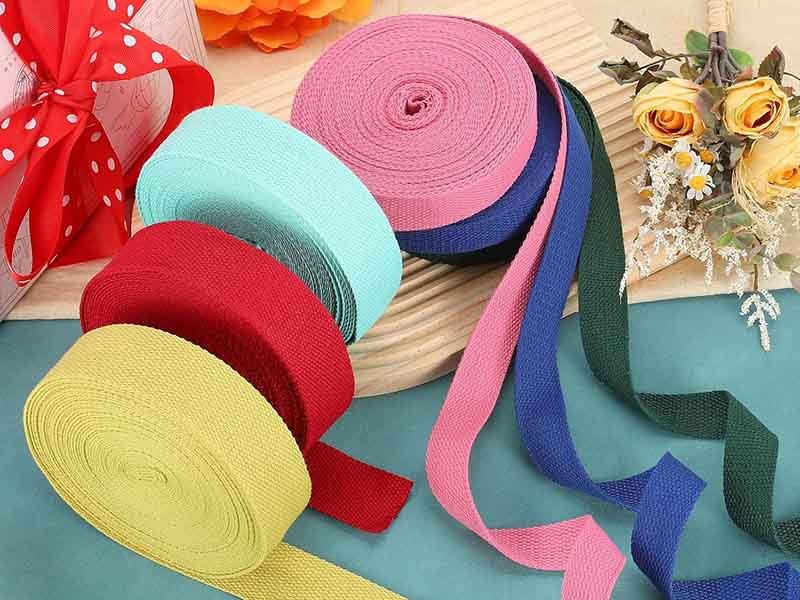


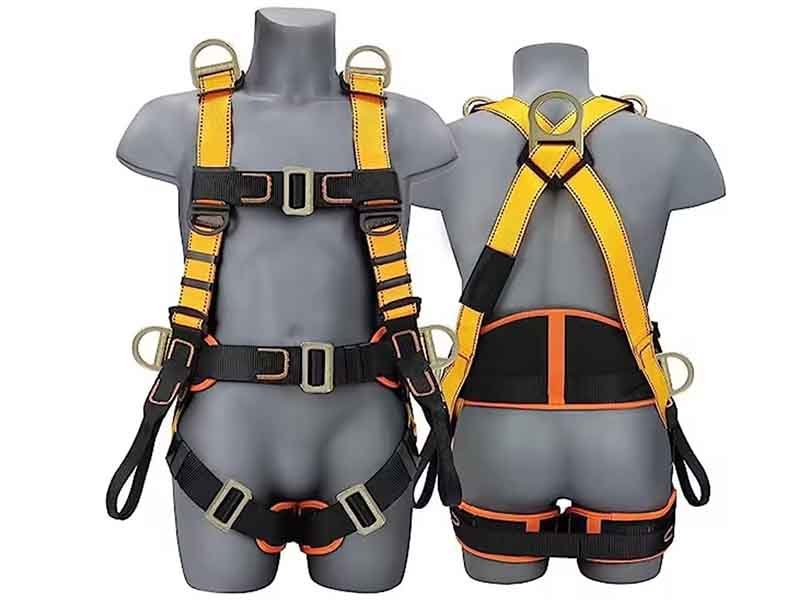
No worries, please contact us and we will answer all the questions you have during the whole process of webbing customization.
If you have your own artwork, logo design files, or just an idea,please provide details about your project requirements, including preferred fabric, color, and customization options,we’re excited to assist you in bringing your bespoke bag designs to life through our sample production process.

Copyright ©2021 Szoneier , All rights reserved.
Looking for premium custom webbing? Contact us now for competitive pricing, free samples, and expert consultation. Fill out the form below, and our team will get back to you within 24 hours!
 Optimized by Seraphinite Accelerator