
- (+86)13823134897
- info@szoneierwebbing.com
From Inquiry to Delivery
 Skip to content
 From Inquiry to Delivery
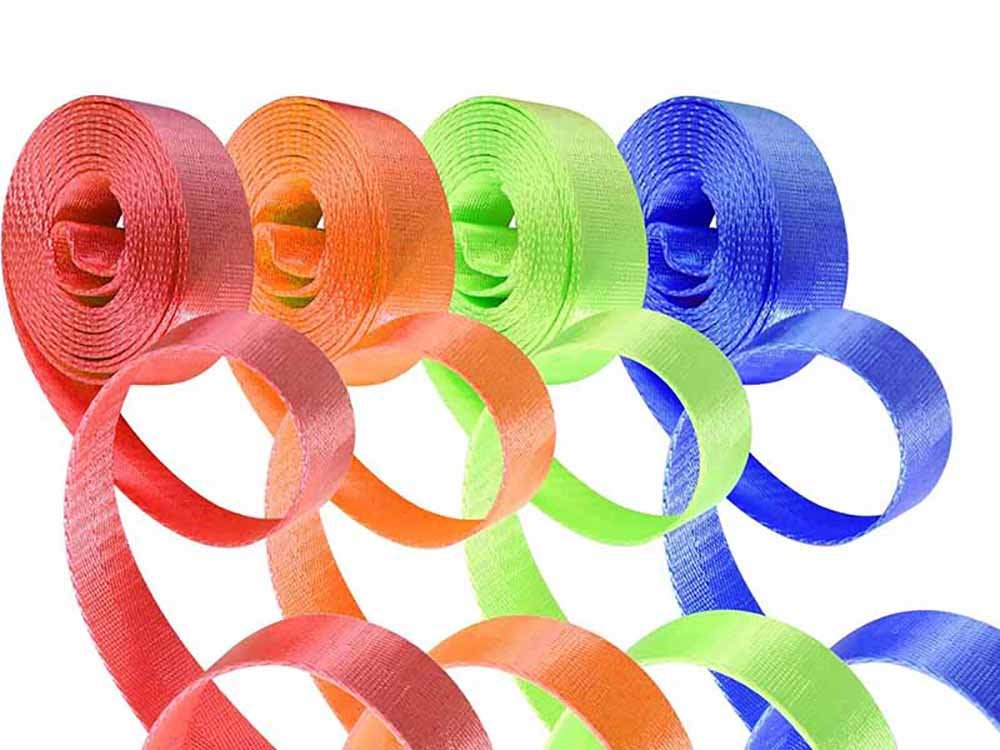
When it comes to industrial safety, outdoor adventure gear, or automotive straps, the choice of webbing material can literally be a matter of life and death. Among all options, nylon webbing has earned a reputation for being both tough and versatile—but just how strong is it, and what determines its load capacity?
Nylon webbing is exceptionally strong, with 1-inch flat nylon webbing typically rated at 4,200–6,000 lbs tensile strength and tubular webbing even higher. Its strength depends on width, weave type, and environmental factors. Compared to polyester, polypropylene, or cotton, nylon offers superior elasticity and abrasion resistance, making it a top choice for climbing gear, safety harnesses, towing straps, and military applications requiring high performance and reliability.
But the real story behind nylon webbing’s strength involves science, engineering, and real-world testing. Let’s break it down section by section.
Nylon webbing is made from synthetic polyamide fibers woven into flat or tubular patterns for strength and durability. Through high-tensile fiber spinning and heat-setting processes, manufacturers create webbing with high load capacity, abrasion resistance, and flexibility, suitable for everything from seatbelts to climbing ropes.
The strength of nylon webbing comes from its core material—Nylon 6 or Nylon 6,6 polyamide fibers—engineered for industrial strength and elasticity.
Fiber Spinning:
Weaving Patterns:
Heat-Setting & Finishing:
| Parameter | Nylon Webbing Properties | Impact on Strength |
|---|---|---|
| Fiber Type | Nylon 6, Nylon 6,6 | High tensile strength |
| Weave Style | Flat vs Tubular | Load capacity & flexibility |
| Width & Thickness | 1-inch, 2-inch, multi-layer | Higher width = higher strength |
| Finishing Treatments | Heat-set, UV stabilized | Environmental durability |
This combination of material science and engineering precision explains why nylon webbing dominates high-performance applications worldwide.
Nylon webbing outperforms cotton and polypropylene in tensile strength but offers slightly lower UV resistance than polyester. For example, 1-inch nylon webbing holds 4,200–6,000 lbs, polyester around 5,000 lbs, polypropylene 600–1,200 lbs, and cotton far less. Nylon’s unique balance of strength, abrasion resistance, and elasticity makes it ideal for demanding applications.
When choosing webbing materials, buyers often weigh strength, cost, weather resistance, and stretch.
| Material | 1-inch Breaking Strength | UV Resistance | Water Absorption | Abrasion Resistance | Cost (Bulk) |
|---|---|---|---|---|---|
| Nylon | 4,200–6,000 lbs | Moderate | 3–5% | Excellent | Moderate |
| Polyester | 5,000+ lbs | High | <1% | Very Good | Moderate–High |
| Polypropylene | 600–1,200 lbs | High | <0.5% | Low–Medium | Low |
| Cotton | 200–300 lbs | Poor | High | Low | Low |
Key Insights:
Nylon webbing strength depends on width, weave type, load direction, knot efficiency, and environmental exposure. Moisture, UV rays, and chemicals can slightly reduce tensile capacity over time, while wider, tubular weaves carry heavier loads.
Width & Thickness:
Load Direction & Knot Efficiency:
Environmental Factors:
Tip for Buyers: Choose UV-stabilized, coated nylon webbing for outdoor or marine applications to extend service life.
Yes. Weave type directly affects nylon webbing’s strength, flexibility, and abrasion resistance. Tubular webbing offers the highest load capacity and shock absorption, flat webbing provides lightweight strength for straps and tie-downs, and jacquard or patterned weaves add branding potential without major strength loss. The choice depends on application requirements—climbing, military gear, or industrial lifting—where weave density and construction influence overall durability and performance.
The strength of nylon webbing is not determined solely by material composition (Nylon 6 or Nylon 6,6). Its weave pattern plays a crucial role in tensile capacity, abrasion resistance, flexibility, and elongation under load.
| Weave Type | Typical Strength (1 in) | Abrasion Resistance | Flexibility | Common Applications |
|---|---|---|---|---|
| Flat Webbing | 4,200–6,000 lbs | Moderate | High | Seatbelts, cargo straps, backpacks |
| Tubular Webbing | 5,000–7,000+ lbs | High | Very High | Climbing gear, rescue slings |
| Jacquard Webbing | 4,000–6,000 lbs | Moderate–High | High | Military straps, branded outdoor gear |
Pro Tip: When ordering from suppliers like Szoneier, request tensile strength test reports by weave type to match safety standards like ISO 2307 or ASTM D6775.
Typical tensile strength ratings for nylon webbing range from 4,200–6,000 lbs for 1-inch flat webbing and up to 7,000–10,000+ lbs for tubular or wider weaves. Strength depends on width, weave type, and thickness, with safety-critical applications like climbing or rescue gear requiring a 5:1 safety factor under standards such as ASTM D6775 and ISO 2307 for load-bearing textiles.
Nylon webbing strength isn’t a one-size-fits-all metric—it varies by material grade, weave style, and application standards. Tensile strength measures the maximum force a webbing can withstand before breaking when pulled in a straight line.
| Webbing Type | Width (inches) | Typical Tensile Strength | Common Applications |
|---|---|---|---|
| Flat Nylon Webbing | 1 in | 4,200–6,000 lbs | Tie-down straps, seatbelts, harnesses |
| Tubular Nylon Webbing | 1 in | 5,000–7,000+ lbs | Climbing, rescue gear, slings |
| Flat Nylon Webbing | 2 in | 8,000–10,000+ lbs | Cargo lifting, towing straps |
| Heavy-Duty Tubular Nylon | 2 in | 10,000–12,000+ lbs | Industrial lifting, safety gear |
Key Insight: Wider + tubular webbing = higher tensile capacity because of increased material cross-section and load distribution.
For critical load-bearing applications, designers apply safety factors:
This ensures dynamic forces, knots, and environmental degradation don’t compromise safety margins.
Laboratory ratings assume new, dry, perfectly straight-pulled webbing. Real-world factors reduce effective strength:
For outdoor and marine buyers, UV-resistant coatings and water-repellent treatments help preserve rated strength over time.
Manufacturers like Szoneier follow:
These certifications ensure buyers receive data-backed, globally compliant webbing products.
Pro Tip: Always request batch tensile test reports before bulk orders to confirm consistency across production lots.
Yes—nylon webbing is ideal for high-strength, shock-absorbing applications like climbing gear, safety harnesses, towing straps, and military equipment. However, polyester performs better in UV-heavy or marine environments, while polypropylene offers a low-cost option for lightweight, non-critical uses. The best choice depends on load capacity, environmental conditions, and cost constraints, so buyers should match material properties to end-use requirements before ordering bulk webbing.
The choice between nylon, polyester, polypropylene, or cotton webbing affects strength, durability, weather resistance, and budget. Buyers sourcing for industrial, outdoor, or retail applications must evaluate multiple factors to avoid underperforming straps or unnecessary costs.
| Application | Recommended Material | Reason | Typical Tensile Strength* |
|---|---|---|---|
| Climbing & Rescue Gear | Nylon Tubular Webbing | High strength + shock absorption | 5,000–7,000+ lbs |
| Industrial Cargo Straps | Flat Nylon or Polyester | Heavy loads, abrasion resistance | 8,000–10,000+ lbs |
| Marine & Outdoor UV Exposure | Polyester | UV + water resistance | 5,000–6,000 lbs |
| Low-Cost Utility Straps | Polypropylene | Lightweight, budget-friendly | 600–1,200 lbs |
| Fashion & Retail Accessories | Cotton / Jacquard Nylon | Custom patterns, moderate strength | 200–500 lbs (cotton), 4,000+ lbs (nylon) |
Climbing & Safety Harnesses:
Tubular nylon webbing absorbs fall energy, reducing injury risks.
Military & Tactical Gear:
Nylon’s abrasion resistance + load capacity suits backpacks, belts, and parachute straps.
Industrial Cargo & Towing:
Wide, heavy-duty flat nylon webbing withstands 10,000+ lbs for tie-down straps and lifting slings.
Adventure & Outdoor Equipment:
Used in kayak tie-downs, camping gear, and backpack frames needing flexibility + strength.
Polyester:
Outperforms nylon in UV resistance; ideal for marine rigging, sailboat straps, and outdoor sun-exposed tie-downs.
Polypropylene:
Cheaper, lighter, floats in water, suitable for non-critical, temporary, or budget-limited applications like lawn furniture straps or disposable packaging.
| Factor | Nylon Webbing | Polyester Webbing | Polypropylene Webbing |
|---|---|---|---|
| UV Resistance | Moderate | High | High |
| Water Absorption | 3–5% | <1% | <0.5% |
| Chemical Resistance | Moderate (not acids) | Very High | High |
| Cost (Bulk per 100 m) | Moderate | Higher | Lowest |
Partner with factories offering ISO9001 certification, OEKO-TEX compliance, free samples, low MOQs, and tensile testing reports. Szoneier provides custom colors, widths, patterns, and global shipping for private-label, OEM, and ODM nylon webbing solutions.
With 18+ years of webbing manufacturing experience, Szoneier delivers:
| Service Feature | Szoneier Standard | Industry Average |
|---|---|---|
| Sample Time | 3–7 Days | 10–15 Days |
| MOQ | 100–300 m | 500–1,000 m |
| Lead Time (Bulk) | 20–25 Days | 30–45 Days |
| Certifications | ISO9001, OEKO-TEX, REACH | Optional |
From industrial safety harnesses to outdoor adventure gear, nylon webbing remains a gold standard for strength, reliability, and versatility.
At Szoneier, we offer:
Contact us today at www.szoneierwebbing.com or email info@szoneierwebbing.com to start your custom nylon webbing project with confidence.
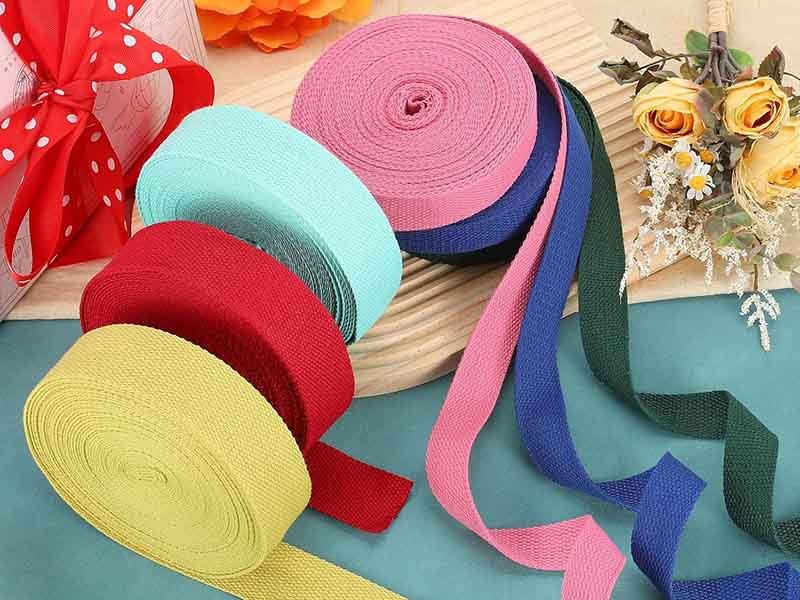


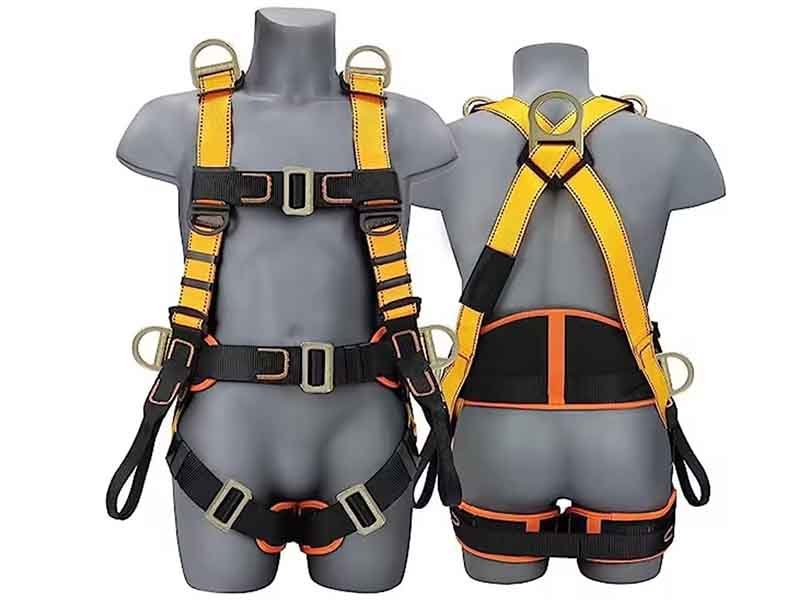
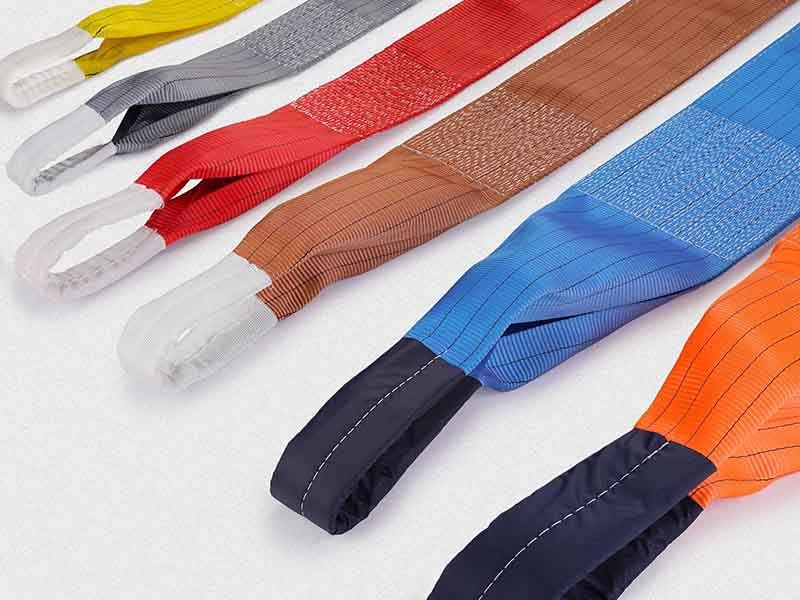
No worries, please contact us and we will answer all the questions you have during the whole process of webbing customization.
If you have your own artwork, logo design files, or just an idea,please provide details about your project requirements, including preferred fabric, color, and customization options,we’re excited to assist you in bringing your bespoke bag designs to life through our sample production process.

Copyright ©2021 Szoneier , All rights reserved.
Looking for premium custom webbing? Contact us now for competitive pricing, free samples, and expert consultation. Fill out the form below, and our team will get back to you within 24 hours!
 Optimized by Seraphinite Accelerator