
- (+86)13823134897
- info@szoneierwebbing.com
From Inquiry to Delivery
 Skip to content
 From Inquiry to Delivery
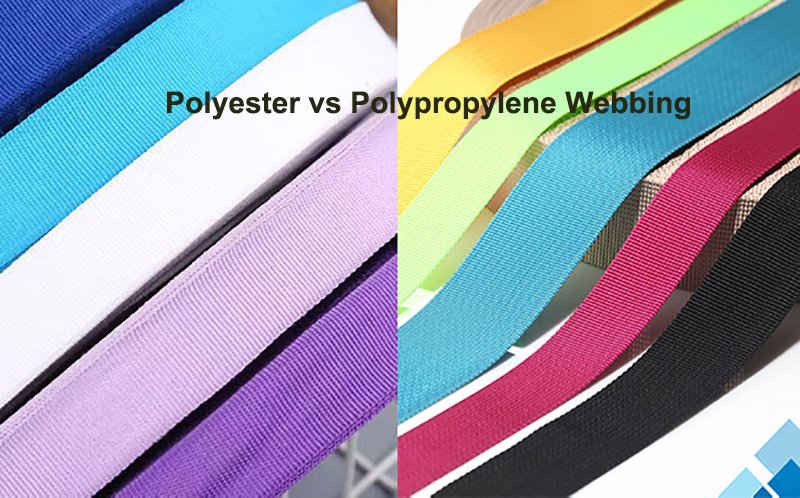
When it comes to manufacturing bag straps, outdoor gear, or industrial tie-downs, webbing material selection is more than a design choice—it’s a decision that can define a product’s performance, lifespan, and appeal. In the world of synthetic webbing, polyester and polypropylene are two of the most widely used materials. But how do they compare, and more importantly, which one is better for your specific needs?
Polyester webbing offers excellent UV resistance and strength, while polypropylene webbing is lighter, more water-resistant, and often more cost-effective. The best choice depends on your product’s intended application, environment, and required durability.
To help you make an informed choice, we’ll explore everything from strength and comfort to environmental resistance and cost. We’ll even touch on how these compare to nylon, another common alternative. So let’s dive in—because choosing the right webbing isn’t just about material, it’s about matching performance to purpose. Whether you’re sourcing for fashion, function, or something in between, this guide’s got you covered.
Polyester and polypropylene webbing are made from synthetic thermoplastic polymers, each offering unique benefits based on their chemical composition and fiber structure.
| Material | Polymer Origin | Notable Traits | Best Use Case |
|---|---|---|---|
| Polyester | Polyethylene Terephthalate | Strong, UV-resistant, smooth, heat-tolerant | Outdoor gear, load-bearing straps |
| Polypropylene | Polypropylene Resin | Light, water-resistant, economical | Temporary use, water-based settings |
| Nylon | Polyamide | Stretchy, durable, moisture-absorbing | Climbing, tactical gear |
Polyester webbing is significantly stronger and more abrasion-resistant than polypropylene, making it a better choice for high-stress or long-term applications.
Tensile Strength:
UV and Abrasion Resistance:
Is Nylon Webbing Stronger Than Polypropylene? Yes—nylon surpasses both in tensile strength but loses points for UV and water absorption.
| Property | Polyester | Polypropylene | Nylon |
|---|---|---|---|
| Tensile Strength (1″) | 4000–6000 lbs | 600–2000 lbs | 4500–7000 lbs |
| UV Resistance | Excellent | Fair to Poor | Fair |
| Abrasion Resistance | High | Medium | Excellent |
| Elongation at Break | ~15% | ~25% | ~30% |
Polypropylene performs better in wet or submerged environments thanks to its near-zero water absorption, while polyester is better for long-term outdoor exposure.
Moisture Absorption:
Temperature and UV:
Typical Uses:
| Feature | Polyester | Polypropylene |
|---|---|---|
| Water Absorption | ~0.4% | <0.01% |
| Floats? | No | Yes |
| UV Resistance | Excellent | Moderate |
| Chemical Resistance | Good | Excellent |
Yes. Polypropylene is noticeably lighter but has a coarse, stiff feel. Polyester, though heavier, is smoother and more skin-friendly.
Is Polyester Webbing Soft? Absolutely—it has a clean finish and smoother edges, ideal for wearable items like belts or straps.
Weight Comparison (per 25 yards of 1-inch webbing):
Comfort Use Cases:
| Feature | Polyester | Polypropylene |
|---|---|---|
| Feel | Soft, smooth | Coarse, slightly rigid |
| Density | ~1.38 g/cm³ | ~0.91 g/cm³ |
| Skin Contact | Ideal | Not ideal |
| Common Fit | Fashion & comfort | Utility & bulk use |
Polyester is preferred for heavy-duty, UV-exposed, or comfort-required applications; polypropylene works best for lightweight, water-heavy, and budget-focused projects.
Polyester Webbing:
Polypropylene Webbing:
| Application Area | Polyester | Polypropylene |
|---|---|---|
| Backpack Straps | ✅ Yes | ❌ Not Recommended |
| Pool Gear | ❌ Limited | ✅ Excellent |
| Seatbelts | ✅ Industry Standard | ❌ Not Used |
| Budget Giveaways | ❌ Overqualified | ✅ Affordable Option |
Polypropylene is more affordable upfront, but polyester gives more value if you need durability and long service life.
Estimated Pricing (per 100-yard roll, 1″):
Replacement Frequency:
| Webbing Type | Cost Estimate | Avg. Lifespan (Outdoor) | Notes |
|---|---|---|---|
| Polypropylene | $25–$35 | 6–12 months | Ideal for budget/single-use |
| Polyester | $35–$55 | 2–5 years | Better ROI for long term use |
Polyester wins when it comes to recyclability—especially when made from rPET bottles—while polypropylene lags behind in availability of recycling options.
Polyester (rPET):
Polypropylene:
| Metric | Polyester (rPET) | Polypropylene |
|---|---|---|
| Recyclability | High | Moderate |
| Post-Consumer Inputs | Yes | Rare |
| Decomposition | Decades | Decades |
Pick polyester for load-bearing, outdoor, and comfort-based use; choose polypropylene for quick, budget-friendly, or water-exposed projects.
Ask Yourself:
OEM/ODM Advice from Szoneier:
| Factor | Choose Polyester | Choose Polypropylene |
|---|---|---|
| Lifespan | Long-Term | Short-Term |
| Comfort Needed | Yes | No |
| Budget Constraints | Moderate | Low |
| Custom Branding | Easy | Moderate |
| Water Use | Yes (OK) | Yes (Best) |
Now that you know how polyester and polypropylene webbing stack up, the next step is finding the right manufacturer to bring your vision to life. At Szoneier, we offer:
Whether you’re building a rugged backpack line, developing tactical accessories, or creating stylish promotional items, we can help you find the perfect webbing solution that balances performance, price, and style.
Contact Szoneier today to request a free quote or consultation. Let’s build better together.


No worries, please contact us and we will answer all the questions you have during the whole process of webbing customization.
If you have your own artwork, logo design files, or just an idea,please provide details about your project requirements, including preferred fabric, color, and customization options,we’re excited to assist you in bringing your bespoke bag designs to life through our sample production process.

Copyright ©2021 Szoneier , All rights reserved.
Looking for premium custom webbing? Contact us now for competitive pricing, free samples, and expert consultation. Fill out the form below, and our team will get back to you within 24 hours!
 Optimized by Seraphinite Accelerator