
- (+86)13823134897
- info@szoneierwebbing.com
From Inquiry to Delivery
 Skip to content
 From Inquiry to Delivery
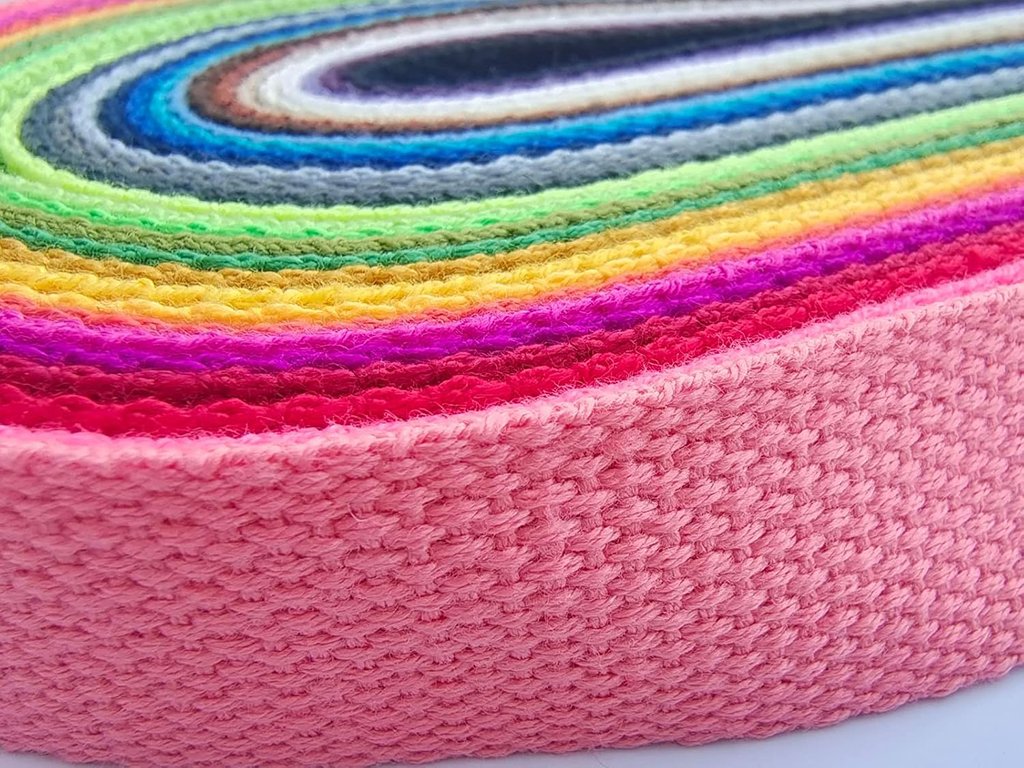
Imagine a strap so versatile it can secure cargo on a cross‑country truck, cradle a climber hundreds of feet above ground, and accent a designer handbag—all without breaking a sweat. Webbing fabric is that unsung hero of strength and style. In essence, webbing fabric is a high‑strength woven strip used as a load‑bearing material across countless industries, prized for its durability, flexibility, and customizable properties. Whether you recognize it as the seat belt in your car or the sling on your gym bag, webbing’s unique construction lets it perform heavy‑duty jobs while staying surprisingly lightweight. From its humble origins in hand‑loomed cotton straps to today’s advanced aramid blends, webbing has evolved into a critical material for safety, fashion, and function alike. Now, let’s unravel the threads of this extraordinary fabric—starting with what makes it tick and why it matters more than you’d ever imagine.
Webbing fabric is a narrow, high-density woven strip designed for load-bearing applications. It stands out for exceptional tensile strength, abrasion resistance, and varied widths—from ½ inch to 6 inches—making it ideal for everything from backpacks to industrial safety harnesses.
Unlike standard fabric, webbing is engineered for strength first. Its dense weave uses high‑tensile yarns (like nylon or polyester) to create a rigid strip that resists stretching under load. Everyday cloth prioritizes drape and comfort; webbing rejects slack in favor of reliability. Imagine comparing a T-shirt to a weight‑lifting belt—both textile, but worlds apart in purpose.
Webbing sits between raw material and finished component. It’s manufactured as a semi-finished good—raw enough for customization (dyed, heat‑set, or coated) yet strong enough to serve directly as a strap, belt, or sling once cut to length. You could say it’s the “Lego brick” of load‑bearing gear: build from it, but don’t expect to sew it into a shirt.
Common patterns include:
Each pattern tweaks performance: plain for seatbelts, twill for decorative straps, satin for luxury bag handles.
Widths range from ½” hobby cords (<500 lb break strength) to 6″ industrial slings (>50,000 lb). Thickness and yarn denier (e.g., 500 D nylon vs. 1,200 D polyester) determine load capacity and wear life. Climbing webbing often uses 16–25 mm widths at 22 kN rating, while pet collars use 20 mm at 500 kg working load.
Webbing is most often made from nylon, polyester, polypropylene, and specialty fibers like Kevlar. Each material balances strength, stretch, UV resistance, and cost. Your project’s demands—safety, colorfastness, chemical exposure—dictate the ideal choice.
Example: A kayak carry sling uses polyester to avoid sag in the sun, while fall‑arrest harnesses use nylon for its shock‑absorbing stretch.
For ultimate strength, aramid fibers (e.g., Kevlar) take the lead: lightweight yet 5× stronger than steel by weight, with <1% stretch. However, cost often limits aramids to aerospace or military use. For balanced performance, nylon at 1,200 denier or polyester at 1,500 denier covers 95% of industrial needs.
| Material | Tensile Strength (lb/in) | Stretch (%) | UV Resistance | Cost |
|---|---|---|---|---|
| Nylon 1200 D | 5,000 | 10 | Moderate | $$ |
| Polyester 1500 D | 4,500 | 3 | High | $$ |
| Polypropylene 1000 D | 3,000 | 5 | High | $ |
| Kevlar 930 D | 15,000 | <1 | Very High | $$$$$ |
| Cotton (Denim) | 1,200 | 8 | Low | $ |
Natural webbings offer eco‑appeal and comfort (e.g., yoga strap). Yet lower strength and UV resilience limit industrial use. A growing niche in sustainable fashion, however, reinvigorates cotton and jute blends—especially when backed by life‑cycle sustainability claims.
Composite weaves marry aramid filaments with polyester core for fire‑resistant, high‑strength tapes used in firefighting gear. Polypropylene jackets on nylon cores cut weight for parachute risers. Each hybrid leverages multiple fibers’ strengths.
Webbing is woven on shuttle, rapier, or air‑jet looms, then heat‑set to lock dimensions. Edges are finished via binding, singeing, or coating. Quality control checks tensile strength, elongation, and weight per meter before spooling.
Shuttle looms yield premium quality but higher cost; rapier looms meet modern demand for speed and variety.
Selvedges can be:
Each finish tweaks edge behavior: heat for light straps; overlock for heavy loads; coating for marine gear.
Example: Firefighter harnesses receive silicone coatings for self‑extinguishing properties and water repellency.
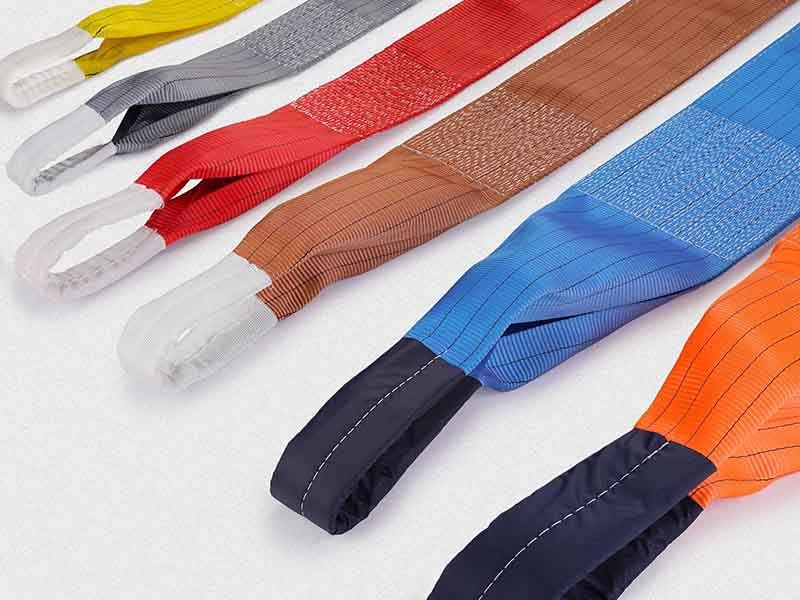
Popular webbings include flat, tubular, jacquard, and elastic. Flat for load capacity, tubular for rope slings, jacquard for branded straps, elastic for stretch applications like waistbands.
Jacquard looms weave each pixel of pattern in‑fabric—no printing means longer-lasting designs. Brands use jacquard for high-end bag straps, watch bands, and branded lanyards. Jacquard’s premium look comes at 2–3× the cost of plain weave; weigh brand impact vs. budget.
Elastic webbing (spandex core) absorbs shock and fits snugly—great for knee braces or fitness bands. Non‑elastic excels at secure load bearing where any stretch could be dangerous (seat belts, tie‑downs).
| Type | Flexibility | Strength | Typical Use Cases |
|---|---|---|---|
| Flat | Low | High | Cargo straps, backpacks |
| Tubular | Medium | High | Climbing slings, rescue harnesses |
| Jacquard | Low | Medium | Fashion straps, lanyards |
| Elastic | High | Low–Medium | Sportswear, medical braces |
Webbing underpins safety gear, outdoor equipment, automotive restraints, furniture fittings, and fashion accessories. Its blend of strength, lightness, and customization makes it indispensable from hiking backpacks to hospital beds and high‑fashion handbags.
Outdoor brands integrate webbing for shoulder straps, load‑lifters, and hip belts. Technical webbings undergo water‑repellent coating and UV stabilization for alpine conditions. Example: A 60 L mountaineering pack may feature 25 mm webbing rated 2,500 N for shoulder straps.
Seat belts, child seat tethers, cargo netting—all require webbings meeting FMVSS 209 (USA) or ECE R16 (EU). Tensile tests reach 5 kN working load with 15 kN break strength. Safety critical: any failure can be fatal.
| Industry | Application | Key Property |
|---|---|---|
| Medical | Hospital bed restraints | Hygienic finish, fire retardant |
| Marine | Mooring lines, deck rigging | Saltwater corrosion resistance |
| Furniture | Sling chairs, upholstery | Aesthetic weave, UV stability |
| Fashion | Belts, handbag straps | Custom colors, jacquard patterns |
| Logistics | Load‑securing straps | High abrasion resistance |
Medical devices adopt webbing for adjustable braces with antimicrobial coatings. Robotics leans on low‑friction webbing for tensioning cables. Industrial automation uses high‑temp PTFE‑coated webbings in hot‑zone conveyors.
Selecting webbing hinges on load capacity, environmental exposure, regulatory compliance, and aesthetic needs. Match tensile tests, abrasion ratings, and certifications to your project—be it a safety harness, handbag strap, or industrial conveyor belt.
Request sample reports and compare working load limits (WLL) vs. break strength: a 1:5 safety factor is standard.
Certifications cost time and money. Assess if your market demands them or if internal QC suffices.
Example: A marine application near salt spray needs polypropylene or polyurethane‑coated polyester.
Quality standards like ISO 9001, SGS, and EN 12195 validate manufacturing consistency, safety, and traceability. They reassure buyers that webbing meets tensile, fatigue, and environmental tests, reducing liability and ensuring product reliability.
Over‑certification can inflate costs. Align certifications with end‑use: life‑safety demands NFPA, cargo straps need EN 12195.
Request batch‑specific data to match critical applications.
Proper care—regular inspection, gentle cleaning, UV protection, and dry storage—preserves webbing’s strength and appearance. Replace any strap showing ≥10% elongation, fraying, or coating cracks to maintain safety and performance.
From securing skyscraper window washers to accenting designer handbags, webbing fabric’s unique blend of strength, adaptability, and customizability makes it a cornerstone material across industries. Whether you’re engineering a fall‑arrest harness, designing a high‑fashion tote, or streamlining cargo logistics, choosing the right webbing—and caring for it properly—ensures safety, performance, and longevity.
Ready to customize your perfect webbing solution? Reach out to Szoneier today for free design consultation, complimentary samples, and factory‑direct pricing. Let our decades of R&D and manufacturing expertise transform your next project with premium webbing tailored to your exact specifications. Get in touch now → info@szoneier.com


No worries, please contact us and we will answer all the questions you have during the whole process of webbing customization.
If you have your own artwork, logo design files, or just an idea,please provide details about your project requirements, including preferred fabric, color, and customization options,we’re excited to assist you in bringing your bespoke bag designs to life through our sample production process.

Copyright ©2021 Szoneier , All rights reserved.
Looking for premium custom webbing? Contact us now for competitive pricing, free samples, and expert consultation. Fill out the form below, and our team will get back to you within 24 hours!
 Optimized by Seraphinite Accelerator