
- (+86)13823134897
- info@szoneierwebbing.com
From Inquiry to Delivery
 Skip to content
 From Inquiry to Delivery
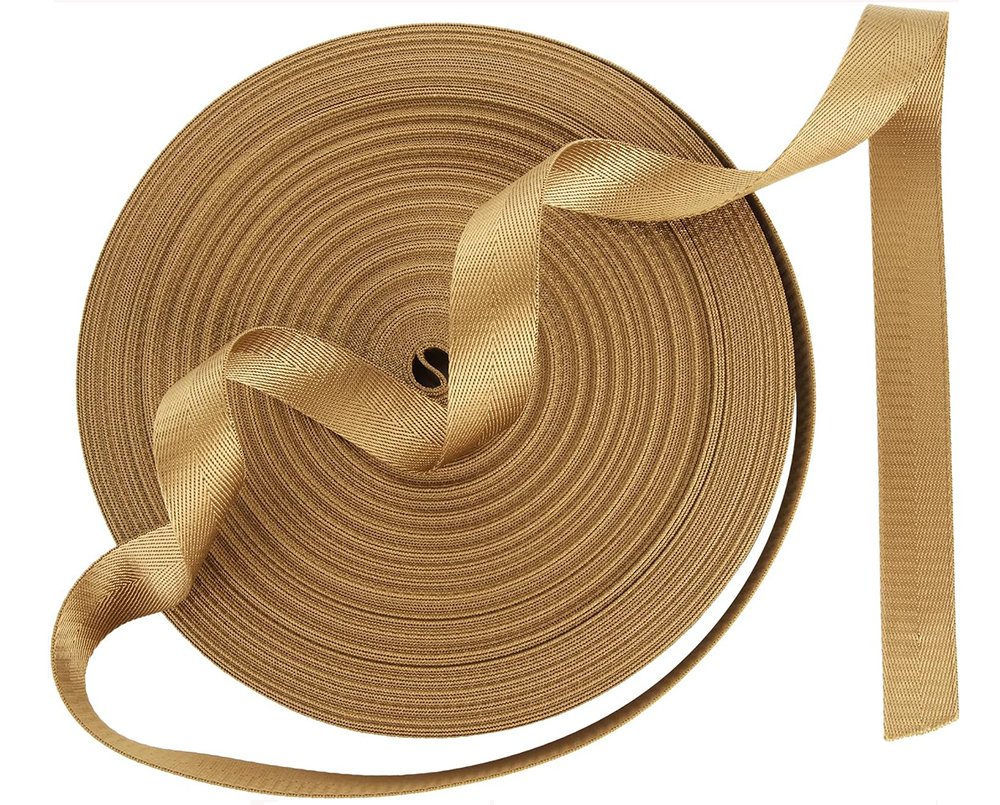
Have you ever pulled on a heavy load, strapped down gear, or clipped into a safety harness and thought, “There’s got to be a better strap out there”? Enter polyester webbing—your go-to solution for strength, weather resistance, and long-term performance. Polyester webbing delivers high tensile strength, low stretch (under 3%), and superior UV and abrasion resistance, making it ideal for everything from outdoor gear to industrial lifting slings. Whether you’re packing for a weekend kayak trip or outfitting a factory floor, polyester stands out as the workhorse material. Soon, you’ll meet the maker who tested hundreds of samples to find the golden blend of durability and flexibility—stick around for that story and plenty of hands-on tips.
Polyester webbing is a durable, flat woven strap made from synthetic PET fibers. It offers exceptional tensile strength (up to 2,500 kg in 50 mm width), low elongation (< 3%), and excellent UV and moisture resistance, making it a top choice for load-bearing applications.
| Property | Value | Unit |
|---|---|---|
| Tensile Strength (50 mm) | 1,800–2,500 | kgf |
| Elongation at Break | 2.0–3.0 | % |
| UV Resistance | ≥ 1,000 (Xenon-Arc hours) | hours |
| Moisture Absorption | 3.5 | % by weight |
| Abrasion Resistance | ≥ 15,000 (Spray Abrasion cycles) | cycles |
While polyester excels in stability and weather resistance, consider whether you need the extra stretch of nylon or the chemical resistance of polypropylene for your specific use case.
Polyester webbing comes in plain weave, twill weave, tubular, round braid, and heavy-duty double-ply styles. Widths span 10–100 mm; thicknesses range from 1 mm to 4 mm. Coatings (PVC or PU) add water and chemical resistance.
Grade A plain weave with PU coating, 50 mm wide and 3 mm thick, offers the ideal mix of strength, flexibility, and finish for demanding applications.
Polyester outperforms nylon in UV and moisture resistance and beats polypropylene in strength and abrasion resistance. Nylon stretches more (20–30%), while polypropylene floats and resists chemicals better. Polyester offers the best all-around performance for most uses.
| Property | Polyester | Nylon | Polypropylene |
|---|---|---|---|
| Tensile Strength | 1,800–2,500 kgf | 2,200–2,800 kgf | 1,200–1,600 kgf |
| Elongation at Break | 2–3% | 20–30% | 8–12% |
| Abrasion Cycles | ≥ 15,000 | ≥ 12,000 | ≥ 8,000 |
If you need dynamic stretch (e.g., climbing gear), nylon wins. If you need flotation or aggressive chemical resistance, polypropylene is superior. For balanced performance, polyester is the best general-purpose option.
Look for tensile strength ≥ 2,000 kgf (50 mm), elongation < 3%, UV resistance ≥ 1,000 h, and abrasion rating ≥ 15,000 cycles. A PU or PVC coating adds water and chemical protection—vital for outdoor or industrial use.
| Load Class | Tensile Strength | Elongation | Abrasion Rating |
|---|---|---|---|
| Light Duty | 500 kgf | 2–3% | ≥ 10,000 cycles |
| Medium Duty | 1,200 kgf | 2–3% | ≥ 12,000 cycles |
| Heavy Duty | 2,000 kgf | 2–3% | ≥ 15,000 cycles |
Avoid over-spec’ing: choose the lightest webbing that safely handles your maximum load with a proper safety factor.
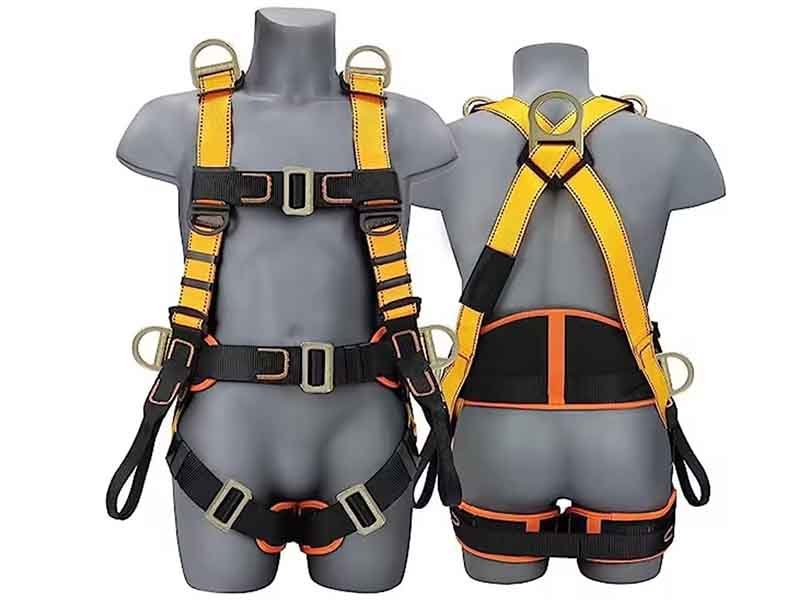
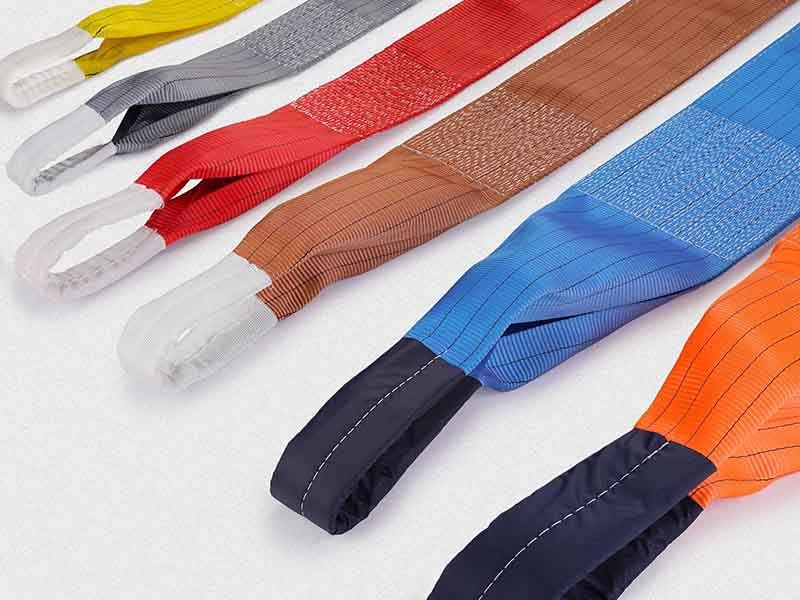
Ideal for outdoor gear (backpacks, tents), marine use (anchor lines, sail loops), safety harnesses, lifting slings, pet products (collars, leashes), and automotive straps—any situation requiring strength, low stretch, and weather resilience.
For dynamic, elastic demands (like climbing), polyester may be too rigid—choose material based on specific functional needs.
Specify width, thickness, tensile strength, elongation, UV and chemical resistance, and coating type. Verify ISO 9001, BSCI, or Oeko-Tex certifications. Factor in custom color, printing, and logo placement for branding and compliance.
| Step | Action |
|---|---|
| 1. Define Load | Calculate max static and dynamic loads |
| 2. Select Strength | Choose tensile strength with 5× safety factor |
| 3. Pick Dimensions | Determine width & thickness |
| 4. Verify Coating | PVC or PU vs uncoated for environment |
| 5. Confirm Certs | Check ISO, BSCI, Oeko-Tex |
| 6. Finalize Look | Match brand colors; test print adhesion |
Don’t skip certifications—they ensure quality, safety, and legal compliance, especially for export markets.
Clean with mild soap and water, rinse thoroughly, air-dry away from direct sunlight, inspect monthly for fraying or coating cracks. Replace if you lose ≥ 10% of strength or see visible damage to guarantee safety.
Well-maintained webbing can last 5–10 years outdoors; neglected straps may fail within months. Regular care saves money and prevents accidents.
Polyester webbing stands out for its strength, low stretch, UV and moisture resistance, and customization flexibility—making it the top choice for countless applications. Ready to find the perfect webbing solution for your project? Contact Szoneier today for free design consultation, free samples, and ISO/BSCI-certified quality.
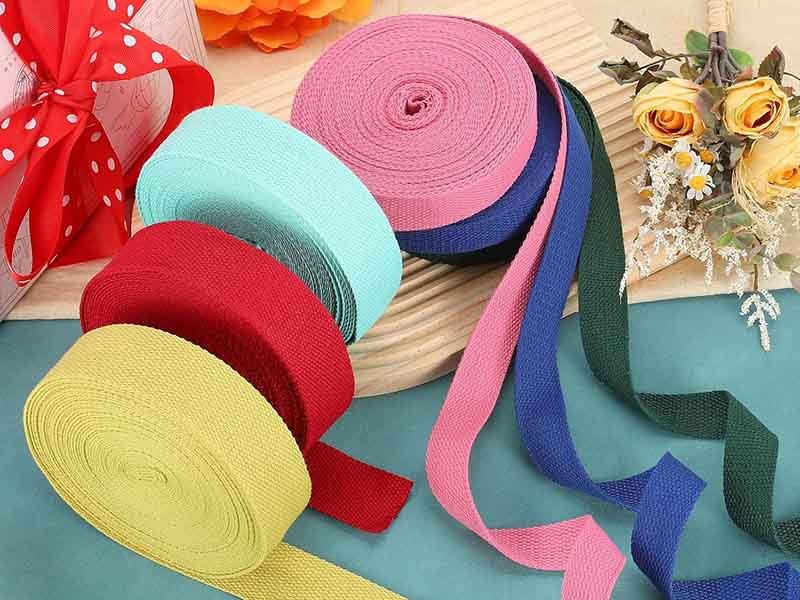
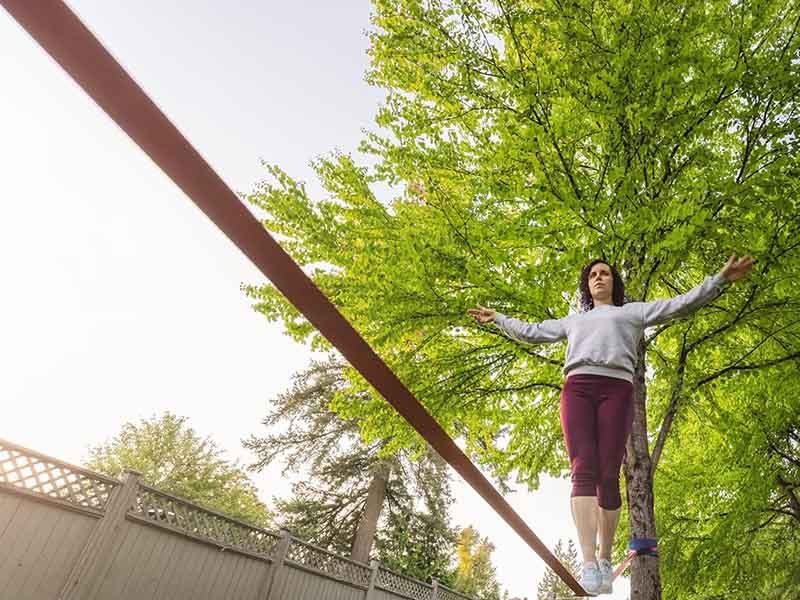

No worries, please contact us and we will answer all the questions you have during the whole process of webbing customization.
If you have your own artwork, logo design files, or just an idea,please provide details about your project requirements, including preferred fabric, color, and customization options,we’re excited to assist you in bringing your bespoke bag designs to life through our sample production process.

Copyright ©2021 Szoneier , All rights reserved.
Looking for premium custom webbing? Contact us now for competitive pricing, free samples, and expert consultation. Fill out the form below, and our team will get back to you within 24 hours!
 Optimized by Seraphinite Accelerator