
- (+86)13823134897
- info@szoneierwebbing.com
From Inquiry to Delivery
 Skip to content
 From Inquiry to Delivery
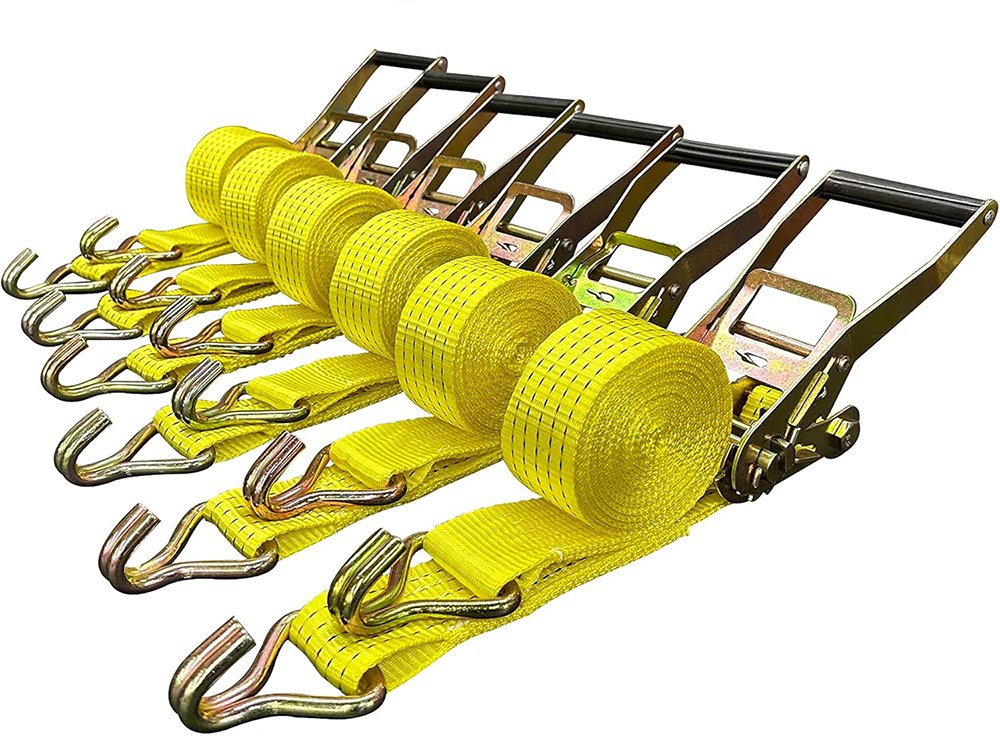
Ever launched your load onto a trailer only to find it sliding seconds later? Ratchet straps revolutionize cargo control by offering mechanical leverage, exact tensioning, and unwavering security for every haul.
Ratchet straps consist of robust polyester or nylon webbing integrated with a ratcheting mechanism that multiplies force, enabling precise tensioning and secure locking. This combination ensures cargo remains firmly in position, eliminating shifts, slides, and drops during transport. Their versatility and reliability make ratchet straps essential for both professional and everyday hauling tasks.
Curious how these compact devices deliver such powerful performance? Keep reading to uncover the mechanics, best practices, and tips that will transform your next haul into a worry-free journey.
Ratchet straps use a simple gear-and-pawl system to multiply your pulling force, allowing you to tighten heavy loads with minimal effort and lock tension in place until you’re ready to release.
Mechanical Advantage of the Ratchet Mechanism
Components Breakdown
Tension Science 101
Real-World Example:
From weekend DIYers hauling lawn mowers to professional haulers moving multi-ton machinery, anyone transporting cargo on a vehicle bed or trailer benefits from ratchet strap security.
Homeowners & DIY Enthusiasts
Small Businesses & Tradespeople
Commercial Trucking Fleets
Event & Exhibit Professionals
Ratchet straps dominate sectors like trucking, construction, landscaping, and motorsports—anywhere reliable, high-tension cargo control is non-negotiable.
| Industry | Typical Use Case | Strap Specs |
|---|---|---|
| Trucking & Logistics | Pallets, crates, machinery | 2″×27′ polyester, 5,000 lb WLL |
| Construction | Steel beams, concrete blocks | 3″×30′ polyester, 10,000 lb WLL |
| Landscaping & Arborist | Tree trunks, logs, heavy equipment | 2″×16′ polyester, 4,000 lb WLL |
| Motorsports & Recreation | Dirt bikes, ATVs, kayaks | 1″×12′ nylon, 1,500 lb WLL |
| Event Production | Staging, lighting trusses | 1″×20′ polyester cam buckle, 1,200 lb WLL |
Trucking vs. Construction
Seasonal Business Patterns
Specialized Adaptations
Case Study: Solar Panel Installation
Match strap width, material, and Working Load Limit (WLL) to your cargo’s weight, shape, and environment—always allowing a 25–50% safety margin above actual load weight.
| Factor | Consideration | Recommendation |
|---|---|---|
| Load Weight | Total cargo weight plus dynamic forces | WLL ≥ cargo weight × 1.25 |
| Strap Width | Wider straps distribute pressure, resist cuts | 2″ for general use; 3″ for heavy loads |
| Material | Polyester (low stretch), nylon (shock absorbing) | Polyester for most; nylon for shocks |
| End Fittings | Hooks, flat hooks, wire hooks—prevent slippage | Flat hooks for stability, J-hooks for quick attach |
| Environment | UV, saltwater, chemicals | UV-stabilized polyester; stainless hardware |
Calculating Safety Margin
Material Trade-Offs
End-Fitting Innovations
Environmental Stress Testing
Route straps over, under, or around cargo to balance forces, ratchet until snug (2–3 clicks past hand-tight), secure loose webbing, then release slowly to avoid snap-back.
Routing Patterns for Stability
Tensioning Techniques
Securing Loose Ends
Safe Release Protocols
Insert webbing through mandrel slot, pull tight, crank ratchet handle until tension locks, close handle fully to lock gear—never exceed labeled WLL.
Step-by-Step Operation
Common Setup Variations
Operator Ergonomics
Video Tutorial Analysis
Yes—inspect webbing for frays or cuts, hardware for corrosion or bent teeth, and labels for legibility before each use; replace any compromised component immediately.
| Component | Inspection Criteria | Replacement Threshold |
|---|---|---|
| Webbing | Cuts, abrasion, chemical stains | Any visible damage |
| Hardware | Rust, bent hooks, stripped gears | Deformed or non-engaging parts |
| Labels | Legible WLL, standards markings | Faded or unreadable |
| Moving Parts | Smooth ratcheting action | Sticky, jerky, or slipping gears |
Pre-Use Checklist
Cleaning Best Practices
Lubrication & Storage
End-of-Life Criteria
Absolutely—heavy-duty polyester straps handle most loads, while specialty variants (heat-resistant, chemical-proof, marine-grade) tackle extreme environments and loads up to 30,000 lb.
Heavy-Load Configurations
Extreme Environment Straps
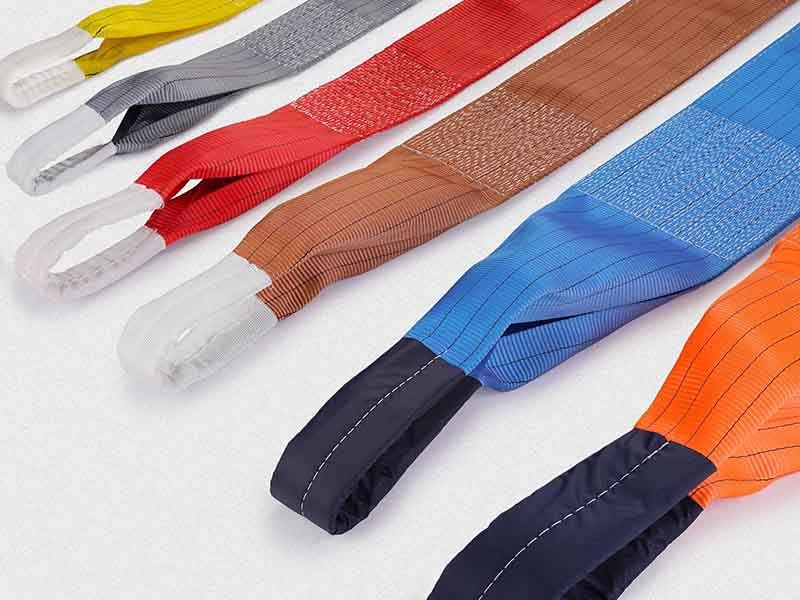
Custom Webbing Solutions
Regulatory Approvals
Avoid webbing twists, over-tensioning, improper end-fitting, and ignoring environmental wear—these mistakes reduce strap strength and invite accidents.
Twist & Wrinkle Hazards
Over-Ratcheting Damage
Improper Hook Engagement
Environmental Neglect
If you’re hauling gear, equipment, or custom webbing products, Szoneier has you covered. With decades of R&D and manufacturing expertise, we offer:
Reach out today to request a quote and design your perfect ratchet strap solution. Haul smarter, safer, and simpler with Szoneier!


No worries, please contact us and we will answer all the questions you have during the whole process of webbing customization.
If you have your own artwork, logo design files, or just an idea,please provide details about your project requirements, including preferred fabric, color, and customization options,we’re excited to assist you in bringing your bespoke bag designs to life through our sample production process.

Copyright ©2021 Szoneier , All rights reserved.
Looking for premium custom webbing? Contact us now for competitive pricing, free samples, and expert consultation. Fill out the form below, and our team will get back to you within 24 hours!
 Optimized by Seraphinite Accelerator