
From Inquiry to Delivery
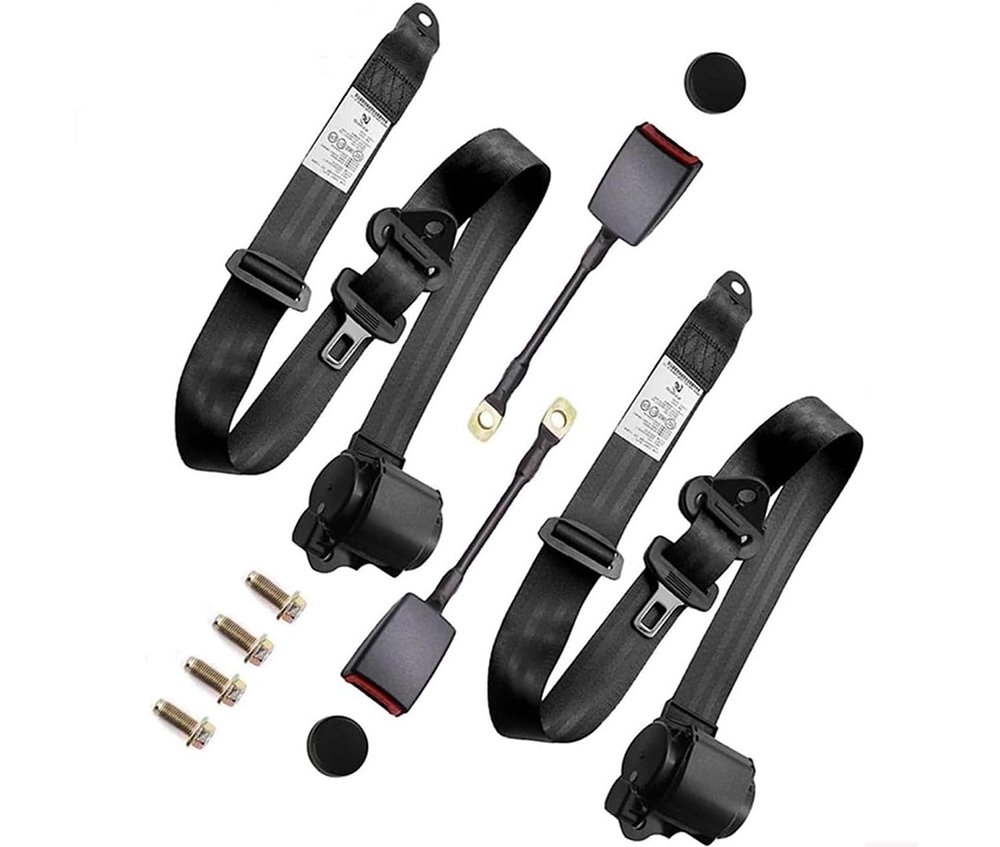
Ever hopped into a car and clicked that seat belt, trusting it’ll hold you tight if things go south? seat belt webbing is the unsung hero behind that click—an engineered strip of fabric designed to absorb impact forces, keep you in place, and save lives.
Seat belt webbing is a high-strength woven fabric—typically polyester—rated to withstand extreme tensile forces during a crash, preventing occupants from colliding with hard interior surfaces or being ejected from the vehicle.
Picture this: when a vehicle traveling at 40 mph stops in under a foot, seat belt webbing stretches just enough to cushion you, yet holds strong enough to keep you behind the wheel. Ready to learn how this marvel of material science works its magic? Let’s dive in.
Seat belt webbing is a specialized woven strap that stretches under load to absorb crash energy, then locks to restrain occupants, reducing fatal injury risk by up to 50%.
Energy Absorption Mechanism
Crash Dynamics and Restraint
Performance in Real-World Tests
Modern seat belt webbing is almost exclusively made from high-tenacity polyester fibers, chosen for their low stretch, UV resistance, and minimal moisture absorption.
| Material | Tensile Strength (lbs/in²) | Stretch at Load (%) | UV Resistance | Moisture Gain (%) |
|---|---|---|---|---|
| Polyester | 60,000 – 70,000 | 10 – 15% | Excellent | < 0.5% |
| Nylon | 70,000 – 83,000 | 20 – 30% | Moderate | 4 – 7% |
| Polypropylene | 45,000 – 55,000 | 5 – 10% | Low | < 0.2% |
Webbing refers to a flat or tubular woven fabric strip used in load-bearing belts; in seat belts, it’s engineered for strength, controlled elasticity, and abrasion resistance.
Fiber Type Comparison
Weave Construction
Coating and Resin Finish
Supplier Quality Control
Yes—seat belt webbing can and should be replaced when worn or after a crash, but only by trained technicians using OEM-grade material and following precise factory procedures.
| Trigger | Action Required |
|---|---|
| Cuts, frays, abrasion | Immediate webbing replacement |
| Chemical/UV degradation | Replace if stiffness or discoloration exceeds 10% |
| Crash deployment | Full belt assembly swap required |
| Age > 10 years | Consider proactive replacement |
Diagnosis & Disassembly
Retractor & Buckle Removal
Threading New Webbing
Re-Torquing & Alignment
Function & Safety Check
Why Professional Replacement Matters
DIY swaps risk misrouting or improper torque, compromising belt lock-up and crash performance.
OEM vs. Aftermarket Webbing
Genuine webbing meets exact filament count, weave density, and coating specs—aftermarket parts often fall short of FMVSS 209 crash requirements.
Calibration & Certification
Post-replacement belts must pass a 9 kN static break test and inertia-lock function checks to comply with safety regulations.
Keeping your seat belts in top shape isn’t just about passing inspection stickers—it’s about protecting lives. When in doubt, get it done right by the pros.
A typical seat belt system comprises webbing, retractor, buckle, latch plate, anchor points, pretensioner, and load limiter—each critical for safe restraint.
| Component | Function |
|---|---|
| Webbing | Absorbs energy, restrains occupant |
| Retractor | Stores webbing, locks under sudden deceleration |
| Buckle | Securely latches and releases webbing |
| Latch Plate | Inserts into buckle, transfers load to webbing |
| Anchors | Vehicle-frame attachment points for webbing ends |
| Pretensioner | Tightens belt instantly upon crash detection |
| Load Limiter | Allows controlled webbing payout to manage force |
Retractor Mechanics
Pretensioners and Pyrotechnics
Load Limiters
Anchor Point Engineering
Polyester offers low stretch (< 15%), superb UV and chemical resistance, and minimal moisture uptake, making it ideal for consistent performance over decades.
Performance in Harsh Conditions
Cost and Availability
Environmental Impact
Comparative Lifecycle Analysis
Typical automotive-grade polyester webbing boasts tensile strengths of 60,000–70,000 psi, translating to breaking loads of 5,000–7,000 lbf for standard 2″-wide belts.
| Webbing Width | Tensile Strength (lbf) | Working Load Limit (WLL) |
|---|---|---|
| 1″ | 3,000 – 4,000 | 500 – 600 |
| 2″ | 5,000 – 7,000 | 1,000 – 1,400 |
| 3″ | 8,000 – 10,000 | 1,600 – 2,000 |
Coatings like polyurethane or silicone bolster abrasion resistance, reduce noise, and add water repellency—extending webbing life by 20–30% in real-world tests.
Abrasion Test Data
Chemical Resistance
Noise and Comfort Enhancements
Innovations in Nanocoatings
Clean seat belt webbing with mild soap and lukewarm water using a soft brush; avoid bleach, harsh solvents, or high-pressure washing to prevent fiber damage.
Step-by-Step Cleaning Protocol
Stain Removal Techniques
Professional Cleaning Services
Maintenance Frequency
Whether you need unique colors, custom labels, or performance finishes, Szoneier’s decades of R&D and manufacturing expertise have you covered. Enjoy free design, sample prototypes, and global quality assurance—all tailored to your exact specs.
Contact Szoneier today to request a quote and elevate your seat belt webbing to the next level!


No worries, please contact us and we will answer all the questions you have during the whole process of webbing customization.
If you have your own artwork, logo design files, or just an idea,please provide details about your project requirements, including preferred fabric, color, and customization options,we’re excited to assist you in bringing your bespoke bag designs to life through our sample production process.

Copyright ©2021 Szoneier , All rights reserved.
Looking for premium custom webbing? Contact us now for competitive pricing, free samples, and expert consultation. Fill out the form below, and our team will get back to you within 24 hours!
