From Inquiry to Delivery

What Is a Webbing Strap: The Ultimate Guide

Webbing straps are the unsung heroes in countless products—from trusty seat belts saving lives every day to sleek backpack straps that carry our essentials. Yet, few stop to wonder: what exactly makes webbing so indispensable?

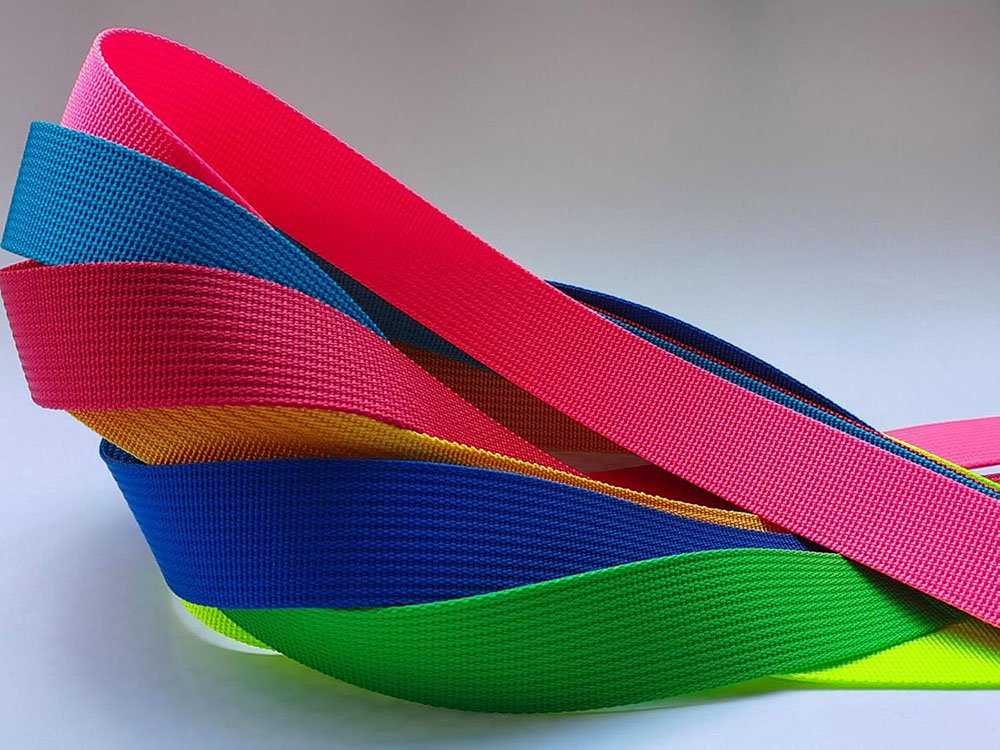
A webbing strap is a flat or tubular woven fabric tape designed for load-bearing and securing applications. Made from materials like nylon, polyester, or polypropylene, it delivers high tensile strength, low stretch, and abrasion resistance. Its versatility spans safety equipment, outdoor gear, fashion accessories, and industrial use, ensuring reliability and comfort across diverse scenarios.

Imagine hiking up a rocky trail, reliant on a backpack harness made of nothing but loosely woven cloth—sounds risky, right? In reality, that secure feeling you get comes from precisely engineered webbing straps. Let’s unpack what makes this humble material so powerful.

What Is the Purpose of Webbing Straps and How Do They Differ from Rope?

Webbing straps distribute load over a wide surface area, preventing pressure points and enhancing comfort. Unlike rope, which is round and primarily designed for tensile pull, webbing’s flat profile enables easy stitching, hardware integration, and reduced abrasion on contact surfaces.

What Is the Purpose of Webbing?
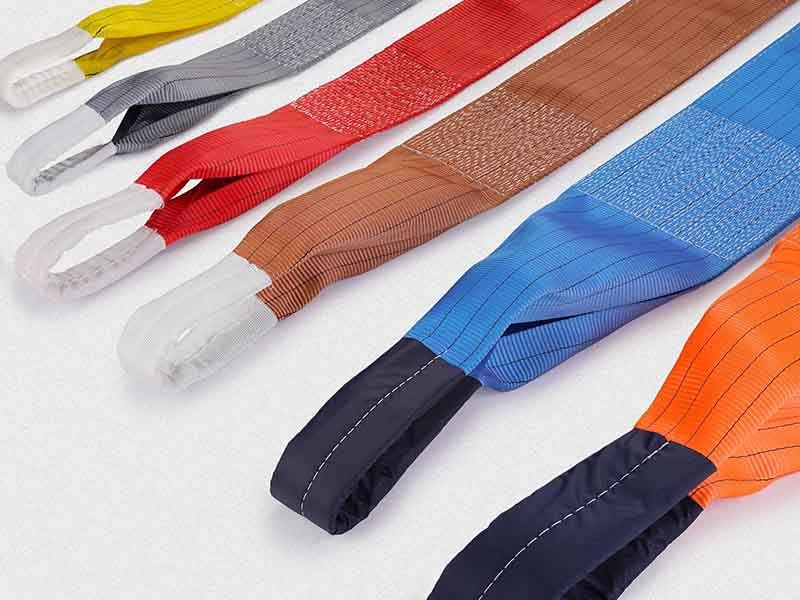
  • Load Distribution: Flat surface spreads weight evenly—ideal for slings and harnesses.
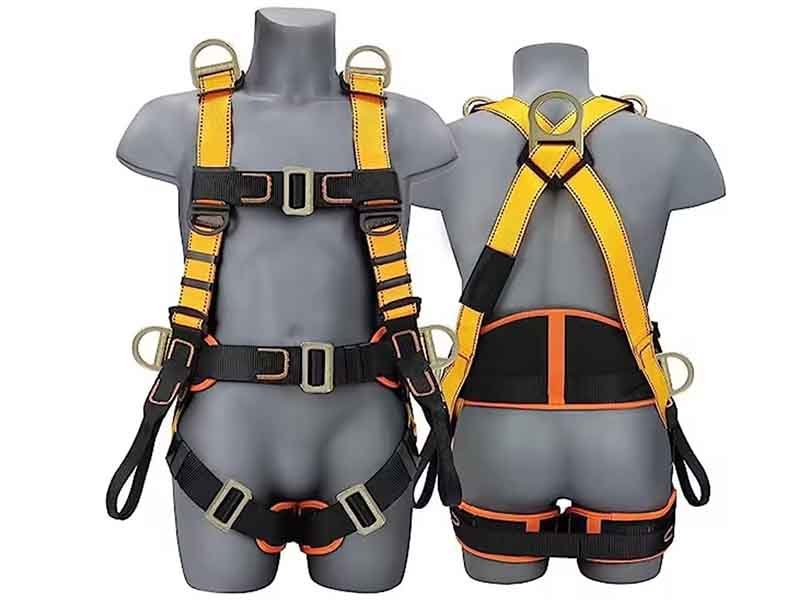
  • Attachment Points: Sewn loops and slots allow buckles, D‑rings, and clips.
  • Ergonomics: Wide straps reduce hand and body strain compared to narrow cords.
What Is the Difference Between Rope and Webbing?
  • Shape & Weave: Rope is round and twisted or braided; webbing is flat woven.
  • Flexibility vs. Stability: Rope bends in all directions; webbing stays flat under load.
  • Integration: Webbing easily sewn into garments or gear; rope requires knots or specialized fittings.
Critical Perspectives
  • Safety Considerations: Webbing’s flat design avoids “dig‑in” injuries common with rope.
  • Environmental Impact: Rope materials vary; webbing often uses high‑strength synthetics that resist UV but challenge biodegradability.
  • Cost vs. Performance: Rope can be cheaper for simple tensile needs; webbing’s versatility justifies higher price in many applications.

What Materials Are Commonly Used to Make Webbing Straps?

Manufacturers choose from nylon, polyester, polypropylene, and specialty blends based on required strength, stretch, chemical resistance, and cost.

Nylon webbing offers excellent tensile strength and moderate stretch, while polyester resists UV and moisture. Polypropylene is lightweight and floats on water. Specialty blends—like high‑modulus polyethylene—deliver ultra‑low stretch for critical safety gear, enabling tailored performance across applications.

Nylon
  • Strength: Tensile up to 7,000 lbs/in².
  • Stretch: 15–25% under load—absorbs shock.
  • Use Cases: Climbing harnesses, automotive seat belts.
Polyester
  • UV & Moisture Resistance: Excellent colorfastness, low water uptake.
  • Stretch: 5–15%—more stable under repeated loads.
  • Use Cases: Outdoor gear, marine decking straps.
Polypropylene
  • Weight & Cost: 20% lighter than polyester, economical.
  • Chemical Resistance: Handles most acids and bases; floats on water.
  • Use Cases: Water sports, packaging straps.
Specialty Blends
MaterialTensile Strength (lbs/in)Stretch (%)Key Benefit
UHMWPE (Dyneema®)15,0002–5Ultra‑low stretch, high strength
Kevlar® Blend10,000<5Heat & cut resistance
Recycled PET5,50010–20Sustainable, cost‑effective
Critical Perspectives
  • Lifecycle Analysis: Nylon’s durability vs. polyester’s recyclability.
  • Regulatory Compliance: Some materials meet FDA/USP for medical uses.
  • Market Trends: Growing demand for recycled and bio‑based fibers.

Which Weave Constructions Affect Strength and Flexibility, and What Is the Best Type of Webbing?

Weave pattern determines load capacity, abrasion resistance, and flexibility. The “best” webbing balances these based on end‑use.

Plain (leno) weave offers balanced strength and flexibility; basket weave doubles thickness for heavy loads; herringbone weave enhances lateral stability. Ultra‑tight weaves maximize tensile capacity, while open weaves optimize pliability. The “best” type depends on your specific application priorities.

Common Weave Constructions
  • Plain Weave: Alternating threads, good all‑round performance.
  • Basket Weave: Pairs of threads, thicker and more abrasion‑resistant.
  • Herringbone Weave: Zigzag pattern, enhanced lateral stability.
What Is the Best Type of Webbing?
  • Load‑Critical: Ultra‑tight plain or specialty UHMWPE webbing.
  • Versatility: Standard nylon plain weave for general use.
  • Flexibility Priority: Open basket weave for easy folding and comfort.
Critical Perspectives
  • Abrasion vs. Flexibility Trade‑Off: Denser weaves last longer but may be stiffer.
  • Cost Considerations: Specialty weaves command premium pricing.
  • Design Integration: Weave choice impacts printing and coating adhesion.

How Are Webbing Straps Manufactured and Tested for Quality?

Production involves yarn extrusion, weaving, finishing, and rigorous mechanical testing to meet industry standards.

Webbing straps are woven on shuttle or rapier looms, then heat‑set, coated, or dyed. Quality control includes tensile strength tests (ASTM D677), abrasion cycles (ASTM D4966), and UV exposure assessments, ensuring consistency and safety for demanding applications.

Manufacturing Steps
  1. Yarn Extrusion: Melt polymer fed through spinnerets.
  2. Weaving: Looms interlace warp and weft threads at programmed densities.
  3. Finishing: Heat‑setting fixes dimensions; coatings add water or flame resistance.
  4. Cutting & Sealing: Laser or hot‑knife cuts prevent fraying.
Quality Testing
  • Tensile Strength (ASTM D677): Measures breaking load.
  • Abrasion Resistance (ASTM D4966): Counts cycles until wear‑through.
  • UV Aging: Simulates sunlight exposure for color and strength retention.
Critical Perspectives
  • Automation vs. Craftsmanship: High‑speed looms offer volume; manual oversight ensures niche quality.
  • Certification Value: ISO 9001 ensures process control; additional CE or UL marks may apply.
  • Innovation: Digital weaving for variable widths and integrated markings.

Do Different Applications Require Specialized Webbing Types?

Absolutely. From medical slings to tactical belts, user needs dictate material, width, and accessory integration.

Specialized webbings include medical‑grade polyester (fluid resistance), PTFE‑coated nylon for chemical environments, flame‑retardant Kevlar blends, and reflective high‑visibility tapes. Application‑specific features ensure performance, safety, and compliance across industries.

Outdoor & Climbing
  • Requirement: High tensile, moderate stretch.
  • Material: Nylon plain weave with protective coatings.
Marine & Fishing
  • Requirement: UV and saltwater resistance.
  • Material: Polyester or polypropylene with UV‑stable dyes.
Industrial & Safety
  • Requirement: Fire, chemical, cut resistance.
  • Material: Kevlar®, UHMWPE blends, PTFE coatings.
Medical & Healthcare
  • Requirement: Sterilizable, low‑lint.
  • Material: Medical‑grade polyester, silicone‑coated nylon.
Critical Perspectives
  • Regulatory Hurdles: FDA, ANSI, EN certifications vary by region.
  • Cost vs. Compliance: Specialized materials increase both performance and price.
  • Customization Complexity: Integrating hardware and markings requires tight tolerances.

Are There Eco‑Friendly or Recycled Webbing Options Available?

Sustainable alternatives address environmental concerns without sacrificing performance.

Recycled PET webbing made from post‑consumer bottles offers 20% lower carbon footprint, while hemp blends yield biodegradable options. Certifications like GRS and OEKO‑TEX® verify recycled content and absence of harmful substances, marrying eco‑responsibility with durability.

Recycled PET Fabrication
  • Process: Bottles → flakes → yarn extrusion.
  • Performance: Comparable tensile strength to virgin polyester.
Hemp & Natural Fiber Blends
  • Benefit: Biodegradable, antimicrobial properties.
  • Challenge: Higher production cost, stiffer hand feel.
Bio‑Based Coatings
  • Materials: Soy‑based PU, water‑borne acrylics.
  • Function: Adds water and mildew resistance.
Critical Perspectives
  • Lifecycle Analysis: Recycled PET’s energy savings vs. end‑of‑life recyclability.
  • Market Demand: Growing B2B interest in green procurement policies.
  • Cost Premiums: Green materials can add 10–20% to unit cost.

What Customization Services Do Manufacturers Like Szoneier Offer?

Leading factories go beyond standard rolls—providing turnkey design-to-production workflows.

Szoneier delivers free CAD mockups, in‑house sampling within 3–5 days, dye‑sublimation printing, reflective tape lamination, custom widths from 10–100 mm, and low MOQs starting at 100 pcs—enabling brands to launch unique webbing straps rapidly and affordably.

Design & Prototyping
  • CAD & Tech Packs: Precision specs for colors, logos, and patterns.
  • Rapid Sampling: Express service ensures prototype in under a week.
Print & Coating Options
  • Dye‑Sublimation: Full‑color, edge‑to‑edge graphics.
  • Reflective & Soft‑Touch Coatings: Adds safety and ergonomics.
Hardware & Assembly
  • Integrated Buckles: Side‑release, quick‑connect, magnetic.
  • Sewn Loops & Reinforcements: Double‑stitch or bar‑tack for high loads.
Critical Perspectives
  • Turnaround vs. Cost: Faster sampling often at slight premium.
  • MOQ Strategy: Low entry MOQs empower startups, tiered pricing rewards scale.
  • Collaboration Models: Co‑development partnerships accelerate innovation.

How Can Buyers Compare Pricing, MOQ, and Lead Times?

Making an informed choice means benchmarking key procurement metrics.

Compare unit price at various order volumes, tooling or set‑up fees, sample costs (if any), production lead times (typically 10–30 days), and logistics terms (FOB, CIF, DDP). Factor in after‑sales support, defect allowances (AQL), and warranty policies.

Cost Breakdown
Cost ElementDescriptionTypical Range
Unit PriceVaries by material and customization$1.00–$5.00/meter
Setup/Tooling FeesDyeing, printing screens, buckle molds$50–$300 one‑time
Sample CostsOften waived by top manufacturers$0–$50 per sample
Shipping (FOB/CIF)Depends on weight, volume, and distance$2–$10/kg
MOQ & Pricing Tiers
  • 100–500 pcs: Entry level, higher per‑unit cost.
  • 500–1,000 pcs: Mid volume, moderate discounts.
  • 1,000+ pcs: Bulk pricing, best cost efficiency.
Lead Time Benchmarks
  • Sampling: 3–7 days.
  • Mass Production: 15–30 days depending on complexity.
After‑Sales & Quality Guarantees
  • AQL Standards: Typically 2.5–4.0%.
  • Warranties: Repair or replace for defects up to 12 months.
Critical Perspectives
  • Total Cost of Ownership: Unit cost plus logistics and quality control.
  • Risk Mitigation: Sample approvals and small initial orders.
  • Long‑Term Partnerships: Volume discounts, co‑innovation incentives.

Conclusion

Every detail—from the tightness of a weave to the eco‑credentials of your material—matters when selecting the right webbing strap supplier. Whether you need basic polyester tape or a fully customized, logo‑printed design with integrated buckles, Szoneier’s 18‑year OEM/ODM expertise ensures your product stands out in quality, performance, and style.

Make A Sample First?

If you have your own artwork, logo design files, or just an idea,please provide details about your project requirements, including preferred fabric, color, and customization options,we’re excited to assist you in bringing your bespoke bag designs to life through our sample production process.
Ask For A Quick Quote

Looking for premium custom webbing? Contact us now for competitive pricing, free samples, and expert consultation. Fill out the form below, and our team will get back to you within 24 hours!