
From Inquiry to Delivery
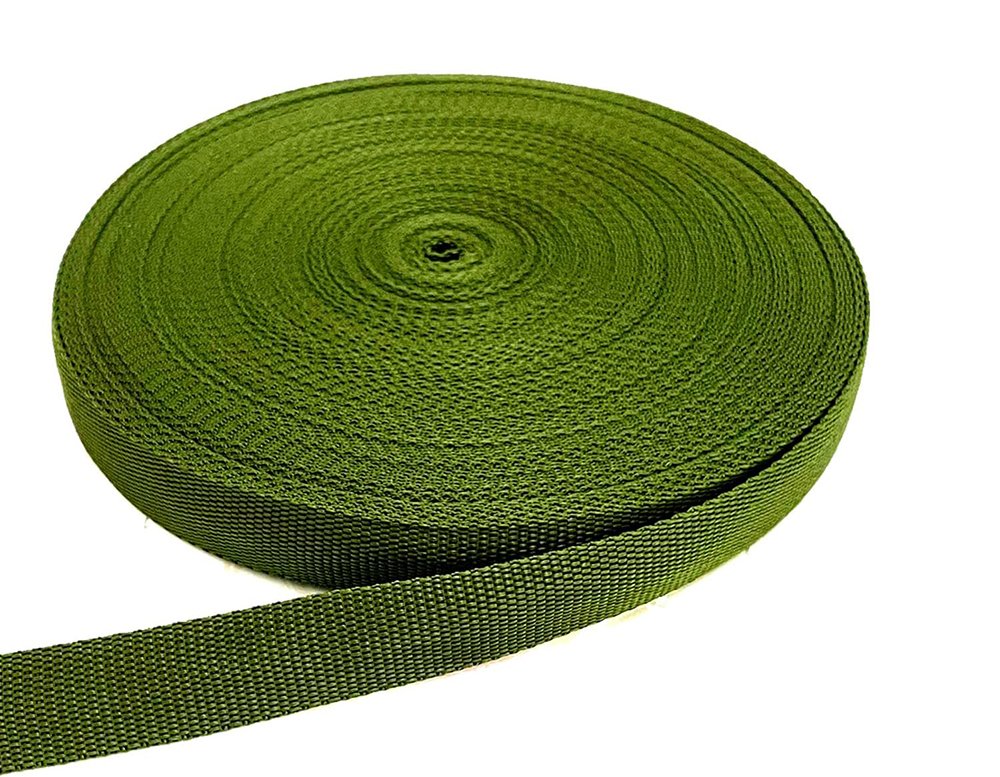
Ever stared at a coil of rope and wondered why it’s perfectly flat instead of round? Flat rope—often called webbing, flat braid, or tubular webbing—has transformed industries from climbing to cargo securing.
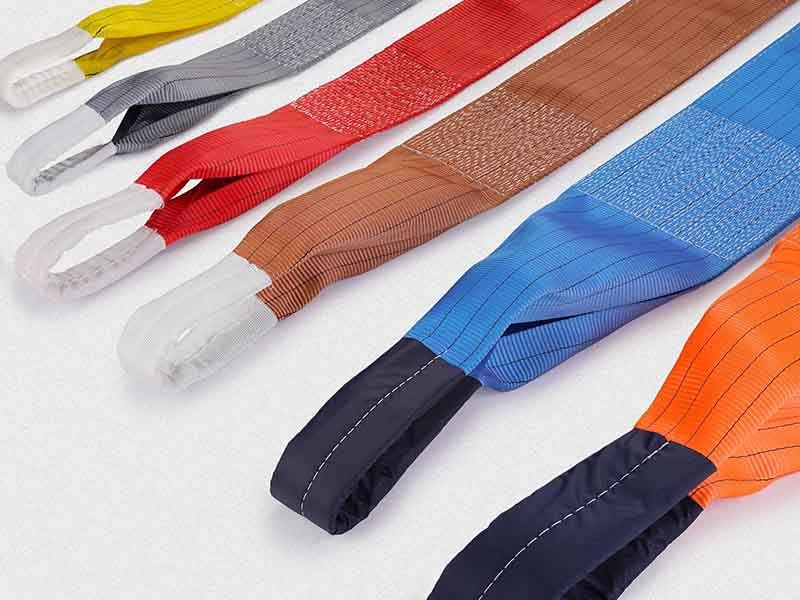
Flat rope, commonly known as webbing or flat braid, is a woven textile strip made from synthetic fibers like polyester or nylon. Its low-profile design and high tensile strength make it ideal for applications requiring minimal bulk and maximum load distribution, from rock climbing harnesses to cargo tie‑down straps.
Imagine you’re rappelling off a cliff using round cord and feeling every edge dig into your gear—ouch! Switching to flat webbing instantly diffuses pressure, giving you both comfort and confidence. Ready to unravel the world of flat rope? Let’s dive in.
Flat rope, or webbing, is a wide, woven strip of high‑strength fibers—typically polyester, nylon, or polypropylene—designed for load distribution, abrasion resistance, and reduced bulk compared to round cord.
Terminology Variations
Structural Characteristics
Historical Context
Critical Perspective
Polyester, nylon, and polypropylene dominate flat rope production. Polyester offers UV and abrasion resistance; nylon provides high elasticity; polypropylene excels in chemical resistance and floats on water.
Polyester Webbing
Nylon Webbing
Polypropylene Webbing
Advanced Fibers
Critical Evaluation
| Material | BS Range (lbs) | Elongation | UV Rating | Best Use Cases |
|---|---|---|---|---|
| Polyester | 8,000–15,000 | 5–7% | 8/10 | Cargo straps, climbing gear |
| Nylon | 7,000–16,000 | 15–25% | 7/10 | Dynamic load applications |
| Polypropylene | 4,000–10,000 | 10–15% | 6/10 | Marine lines, chemical sites |
| Dyneema® | 12,000–30,000 | <3% | 9/10 | Rescue slings, heavy lifting |
| Kevlar® | 10,000–20,000 | 2–3% | 10/10 | Firefighting, aerospace |
Flat rope is produced via weaving or braiding machines that interlace strands of filament yarns under tension. Techniques include plain weaving, tubular weaving, and multi‑layer braiding to achieve desired strength, flexibility, and thickness.
Weaving Processes
Tubular Weaving
Braiding Techniques
Heat Treatment & Finishing
Critical Analysis
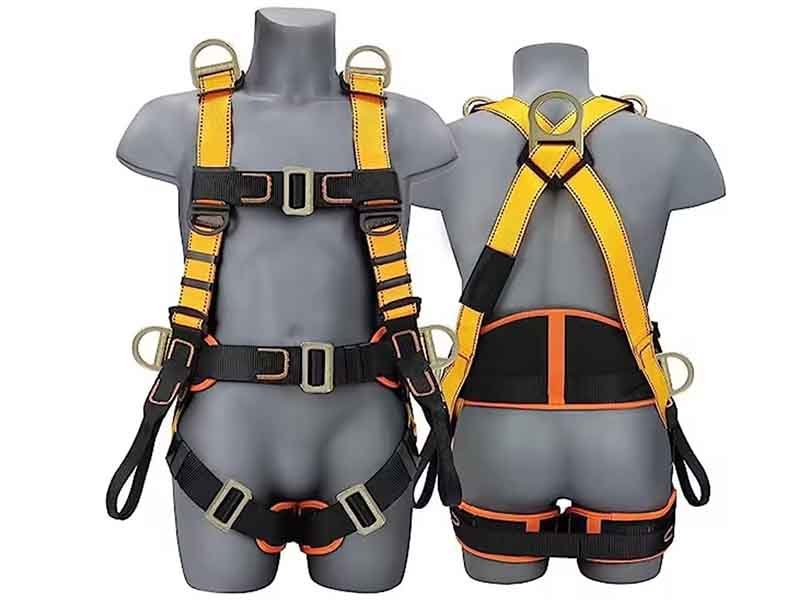
Flat rope’s versatility spans rock climbing slings, cargo tie‑downs, safety harnesses, military load‑bearing straps, upholstery webbing, and outdoor gear, thanks to its combination of strength, low bulk, and abrasion resistance.
Climbing & Rescue
Cargo Securing
Safety & Fall Protection
Furniture & Upholstery
Military & Tactical Gear
Critical Viewpoint
Flat rope (webbing) distributes load over a wider area, resists abrasion, and lies flat, whereas round rope (kernmantle or twisted) is more knot‑friendly, compact, and easier to coil—but may cut into edges and lack broad load distribution.
Load Distribution
Knotability & Handling
Bulk & Storage
Abrasion Resistance
Critical Perspectives
Strength and durability depend on construction and material: flat webbing often has higher BS per unit width due to parallel yarn orientation, while round kernmantle ropes offer superior core protection and dynamic shock absorption.
Strength per Cross‑Section
Abrasion Testing
Dynamic vs. Static Applications
Fatigue Life
Critical Angle
Match flat rope’s BS to your application, select appropriate width (1″–4″), check elongation and UV ratings, choose compatible fittings, and verify compliance with relevant standards (e.g., ANSI, CE, ISO).
Key Selection Criteria
| Factor | What to Check |
|---|---|
| Breaking Strength | ≥ desired BS with safety factor (≥5×) |
| Width & Thickness | 1″–4″ depending on load and contact |
| Elongation | Low (<7%) for static, high for shock |
| UV & Abrasion Rating | 8/10+ for outdoor use |
| Fittings Compatibility | D‑rings, snap hooks, ratchets, buckles |
| Standards Compliance | ANSI Z359, CE EN 566, ISO 10333 |
Project Examples
Cost Considerations
Critical Thinking
Clean flat rope with mild detergent, air‑dry out of direct sunlight, inspect periodically for frays or UV damage, and retire or relegate any webbing with ≥10% tensile loss or visible wear.
Flat rope—whether you call it webbing, flat braid, or tubular webbing—offers unmatched load distribution, strength, and versatility. From climbing anchors to cargo straps and upholstery, understanding material science, construction methods, and proper care ensures safety and longevity.
Ready to customize your own high‑performance webbing? At Szoneier, we offer free design assistance, sample provisions, and full logo customization tailored to your application. Contact us today to get a personalized quote and elevate your projects with industry‑leading flat rope solutions!


No worries, please contact us and we will answer all the questions you have during the whole process of webbing customization.
If you have your own artwork, logo design files, or just an idea,please provide details about your project requirements, including preferred fabric, color, and customization options,we’re excited to assist you in bringing your bespoke bag designs to life through our sample production process.

Copyright ©2021 Szoneier , All rights reserved.
Looking for premium custom webbing? Contact us now for competitive pricing, free samples, and expert consultation. Fill out the form below, and our team will get back to you within 24 hours!
