
From Inquiry to Delivery
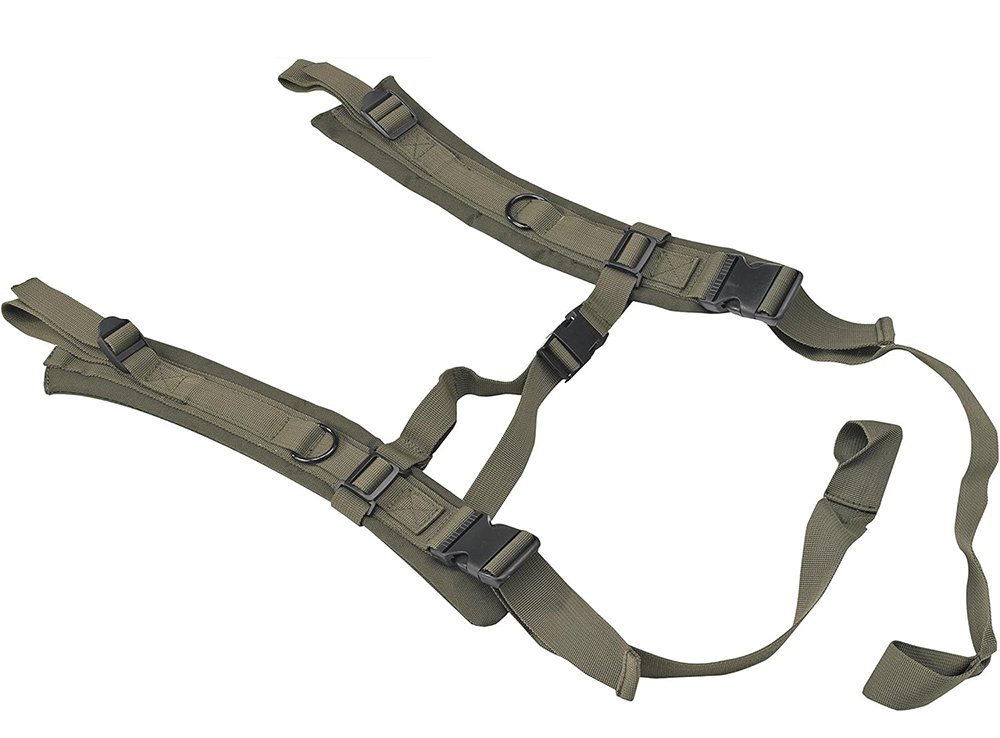
Ever paused mid‑hike to marvel at how your backpack’s straps cradle your shoulders, distribute weight, and stay comfy mile after mile? Those unsung heroes under your arms are engineered from a mix of high‑tech fabrics, foams, and finishes—each chosen to balance strength, comfort, and durability.
Backpack straps are typically constructed from nylon or polyester webbings with multi‑density foam cores, covered by breathable mesh and treated for water resistance. Reinforced stitching, ergonomic shaping, and decorative overlays combine to ensure durability, comfort, and style. Understanding these materials helps you choose a backpack that feels great, performs under load, and lasts for years.
Imagine this: a weekend traveler’s strap suddenly frays on the Appalachian Trail—gear slides off, packs shift, and the trip becomes a struggle. That’s why top brands invest in rigorous material testing and clever layering to create straps that stand up to real‑world adventures. Ready to peek under the fabric and learn what really goes into making a strap you can trust?
Backpack straps are load‑bearing loops attached to the bag body, designed to transfer weight comfortably and securely. They incorporate webbing, padding, mesh, and hardware for adjustability and support.
Functional Roles of Straps
Strap Anatomy Breakdown
| Component | Purpose |
|---|---|
| Webbing Base | Primary strength, resists tearing |
| Foam Core | Cushions, distributes pressure |
| Mesh Cover | Breathability, moisture wicking |
| Buckles & Sliders | Adjust fit, secure loose ends |
Everyday vs. Technical Packs
Critical Perspectives
Common strap materials include high‑tenacity nylon or polyester webbing, closed‑cell or EVA foam padding, and 3D air‑mesh fabrics. Each layer is selected for strength, cushioning, and breathability to enhance user comfort and strap longevity.
Webbing Materials
| Material | Tensile Strength (lb/in) | UV Resistance | Cost (per kg) |
|---|---|---|---|
| Nylon | 900–1,500 | Medium | $3.00 |
| Polyester | 800–1,200 | High | $2.50 |
Foam Types
Cover Fabrics
Modern Innovations
Critical Perspectives
Double‑layer webbing, tri‑density foam cores, and reinforced bartack stitching at stress points deliver top durability. Ergonomic S‑shaped or tapered strap designs with contoured foam maximize comfort across varying load levels and body shapes.
Webbing Weaves & Layers
Foam Core Configurations
| Configuration | Comfort Level | Durability |
|---|---|---|
| Single‑Density EVA | Medium | High |
| Dual‑Density (Soft + Firm) | High | Medium |
| Tri‑Density Sandwich | Very High | Good |
Ergonomic Shaping
Stitching & Reinforcement
Critical Perspectives
Advanced padding like memory foam inserts, flex‑zone cutouts, and 3D molded EVA panels conform to shoulders, reduce hotspots, and maintain airflow—resulting in reduced fatigue and better load management during extended wear.
Memory Foam vs. Standard EVA
Flex Zone & Cutout Patterns
3D Molded Panels
Critical Perspectives
Yes—strap webbing can be jacquard‑woven, heat‑transferred, or embroidered; foams and mesh can be dyed or printed; hardware finishes range from matte anodized to polished metals for full brand integration.
Jacquard & Woven Logos
Printing & Transfers
| Method | Durability | MOQ | Lead Time |
|---|---|---|---|
| Heat Transfer | High | 200 m | 10 days |
| Screen Print | Medium | 300 m | 15 days |
Hardware Finishes
Critical Perspectives
Match strap materials to load, climate, and user activity: choose high‑abuse ripstop nylon for daily commuters, antimicrobial 3D mesh for gym bags, and UV‑stabilized polyester for outdoor packs—ensuring optimal durability, comfort, and function.
Use‑Case Matrix
| Activity | Strap Material | Foam Type | Cover Fabric |
|---|---|---|---|
| Commuter & Urban | Polyester Broadcloth | Single EVA | Smooth Nylon |
| Hiking & Backpacking | Ripstop Nylon | Dual‑Density EVA | 3D Spacer Mesh |
| Cycling & Running | Lightweight Polypropylene | Minimal Foam | Breathable Mesh |
| Water Sports | Waterproof TPU‑Coated Nylon | Neoprene Edge | Quick‑Dry Mesh |
Decision Factors
Critical Perspectives
Key tests include tensile strength (ISO 13934), abrasion resistance (Martindale ISO 12947), and UV aging (ISO 105‑B02). Certifications like ISO 9001 ensure consistent manufacturing quality and material traceability.
Essential Tests & Standards
| Test | Standard | Purpose |
|---|---|---|
| Tensile Strength | ISO 13934 | Verify webbing load capacity |
| Abrasion Resistance | ISO 12947‑2 | Measure wear cycles |
| UV Exposure | ISO 105‑B02 | Assess color & strength loss |
Factory Quality Systems
Field Testing
Critical Perspectives
Now that you’ve unlocked the secrets behind high‑performance backpack straps—materials, construction tricks, and testing—you’re equipped to choose or design the perfect straps for any adventure. Szoneier brings 18+ years of R&D, free design services, and rapid sampling (7–10 days) to turn your strap ideas into reality. Whether you need bold jacquard logos, eco‑friendly recycled webbing, or tri‑density ergonomic foam, we’ve got you covered.
Contact Szoneier today for a free quote and sample, and let’s craft straps that carry your brand—and your customers—forward in comfort and style!
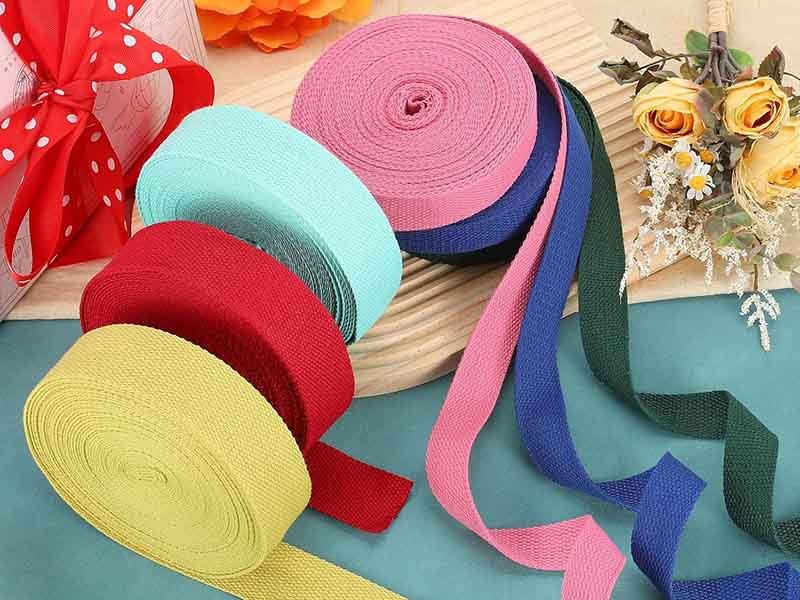


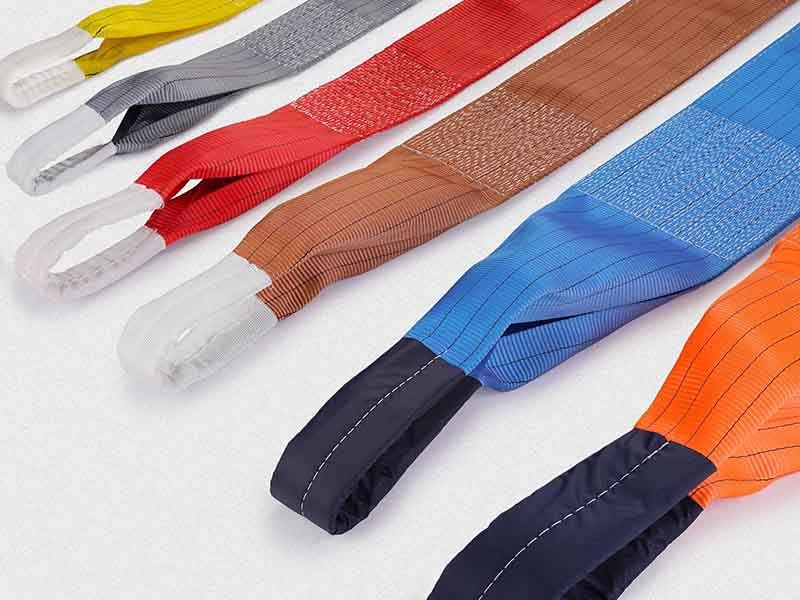
No worries, please contact us and we will answer all the questions you have during the whole process of webbing customization.
If you have your own artwork, logo design files, or just an idea,please provide details about your project requirements, including preferred fabric, color, and customization options,we’re excited to assist you in bringing your bespoke bag designs to life through our sample production process.

Copyright ©2021 Szoneier , All rights reserved.
Looking for premium custom webbing? Contact us now for competitive pricing, free samples, and expert consultation. Fill out the form below, and our team will get back to you within 24 hours!
