
From Inquiry to Delivery

What Are Lifting Straps: The Essential Guide for Serious Lifters

You know the feeling: you’re at the gym, ready for your heaviest deadlift yet, but halfway through the set your grip gives out. Enter lifting straps—your secret weapon for locking in big pulls without your hands betraying you.

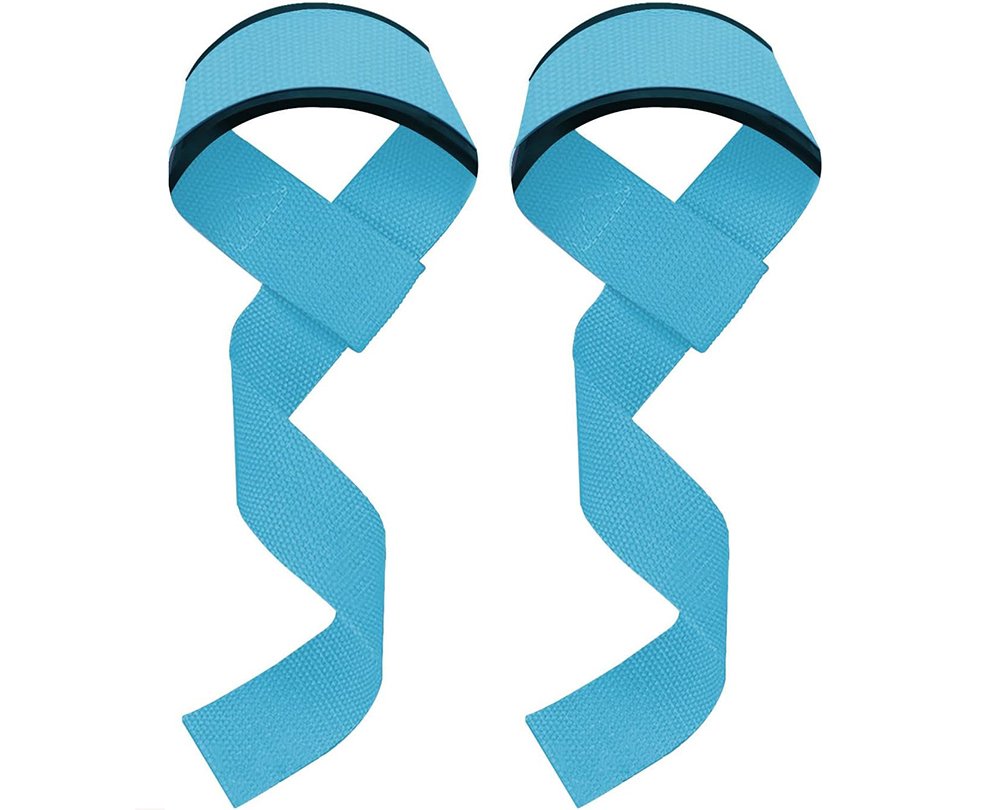
Lifting straps are fabric or leather loops that wrap around your wrist and the bar, transferring load from your grip to your wrist and forearm, enabling you to lift heavier weights safely and with better form.

Picture strapping in and suddenly feeling your grip transform from shaky to rock‑solid—like upgrading from a rickety ladder to a sturdy scaffold. Ready to discover how these simple tools can take your lifts to the next level? Let’s dive deep.

What Are Lifting Straps and How Do They Work?

Lifting straps are wrist‑anchored loops—usually cotton, nylon, or leather—that you wrap around a barbell, dumbbell, or machine handle. By securing the bar to your wrist, they reduce grip fatigue and let you focus on moving the target muscles.

Grip vs. Load Transfer

  • Grip Limitation: Even elite lifters’ hands max out around 225–275 lbs before slipping.
  • Load Redistribution: Straps shift tension to the wrist and forearm, bypassing weaker finger flexors.

Strap Designs & Mechanics

  • Figure‑8 Straps: Quick to wrap but less customizable.
  • Loop Straps: Most common—thread through a loop around the wrist.

Use Cases & Bar Types

  • Barbell Deadlifts & Rows: Keep bar path close without grip failure.
  • Pull‑Ups & Shrugs: Strap once and crank out extra reps.
  • Machine Exercises: Attach to D‑handles for heavier weight stacks.

Potential Drawbacks

  • Over‑Reliance: Risk neglecting genuine grip strength development.
  • Improper Wrapping: Can cause wrist strain or bar slippage if not snug.

Which Types of Lifting Straps Are Best for Different Exercises?

Figure‑8 straps excel for deadlifts, non‑slip loop straps shine in rows and shrugs, padded straps boost comfort on high‑rep work, and hook straps aid in pull‑ups and machine pulls.

Figure‑8 Straps

  • Great For: Deadlifts and heavy pulls where rapid wrapping matters.
  • Pros & Cons: Instant wrap; limited adjustability, possible discomfort.

Loop (Sling) Straps

  • Great For: Rows, shrugs, and high‑rep sets requiring quick repositioning.
  • Pros & Cons: Customizable tightness; can loosen mid‑set if not knot‑tied.

Padded Straps

  • Great For: High‑rep pulling or for those with wrist sensitivity.
  • Pros & Cons: Comfort boost; slightly bulkier, heavier strap.

Hook Straps

  • Great For: Pull‑ups, lat pulldowns, and machine pulls on hook attachments.
  • Pros & Cons: Zero grip fatigue; may reduce forearm engagement further.
Strap TypeIdeal ExercisesGrip SecurityComfort LevelAdjustability
Figure‑8Deadlift, Steel MaceHighMediumLow
Loop (Sling)Rows, Shrugs, High‑RepMedium‑HighMediumHigh
PaddedHigh‑Rep, Machine PullsMediumHighMedium
HookPull‑Ups, Lat PulldownVery HighLowN/A

When Should You Start Using Lifting Straps?

Once you can deadlift or row at least 1.5× bodyweight for multiple reps with solid form, or when grip, not target muscles, finishes your sets first, it’s time to strap up.

Strength Benchmarks

  • Deadlift: Hitting 1.5× bodyweight for 5+ reps indicates grip nearing limit.
  • Rows & Shrugs: When grip fails 2–3 reps before back or traps.

Programming Phase Considerations

  • Strength Blocks: Straps help push past plateaus by overloading target muscles.
  • Hypertrophy Phases: Use sparingly to maintain grip development.

Grip vs. Muscle Focus

  • Primary Goal: If biceps or lats are meant to fatigue first, straps are justified.
  • Auxiliary Goal: For forearm growth, skip straps.

Injury & Recovery Scenarios

  • Wrist Injuries: May require padded straps to offload grip while healing.
  • Rotator Cuff Rehab: Controlled lowered sets with straps can ease joint stress.

What Is the Purpose of Lifting Straps?

Lifting straps protect and enhance your grip, letting you lift heavier or complete more reps by reducing grip fatigue, improving muscle activation in targeted areas, and safeguarding wrists under heavy load.

Muscle Activation & Technique

  • Strap Use Boosts: Back and hamstring recruitment by 10–15% in EMG studies.
  • Form Maintenance: Keeps bar path consistent when grip weakens.

Safety & Joint Protection

  • Wrist Support: Padded straps stabilize the wrist joint under extreme tension.
  • Injury Prevention: Minimizes slipping that can lead to muscle tears or joint jolts.

Performance Enhancements

  • Overload Potential: Allows micro‑loading beyond grip max—forcing muscle adaptation.
  • Volume Increase: Adds 1–2 extra sets of heavy rows or shrugs.

Psychological Edge

  • Confidence Boost: Straps give lifters mental assurance to attempt big numbers.
  • Ritual & Readiness: Strap‑up routine primes focus before heavy sets.

What Is the Difference Between Lifting Straps and Wraps?

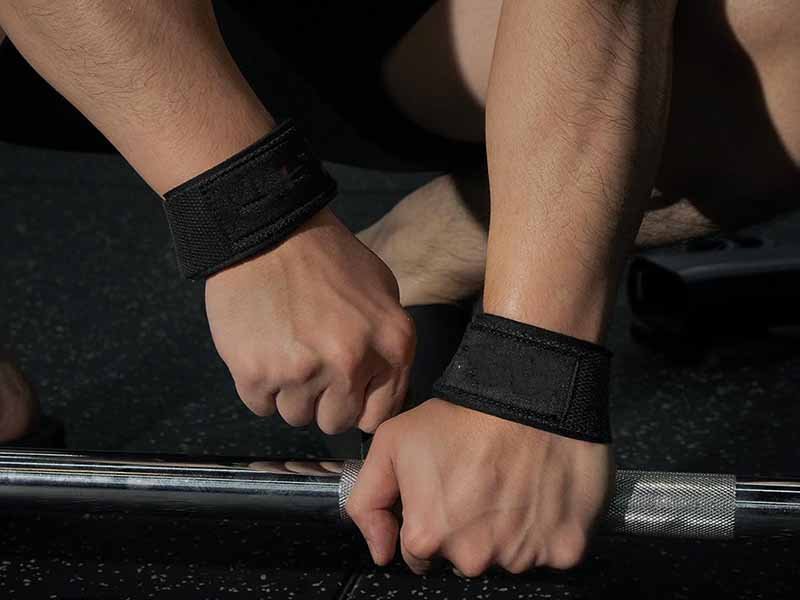
Straps secure the bar to your wrist, enhancing grip; wraps are elastic or cotton bands wrapped around the wrist joint to support and limit wrist extension—not designed for load transfer.

Function & Design

  • Straps: Load‑bearing loops, focus on grip assistance.
  • Wraps: Compression bandages, focus on wrist stability.

Use Cases

  • Straps for: Heavy pulls, high‑rep rows, pull‑ups.
  • Wraps for: Overhead presses, cleans, and any lift needing strict wrist alignment.

Material & Construction

  • Straps: Nylon, cotton, leather; 1″–2″ wide, 12″–24″ long.
  • Wraps: Elastic or non‑elastic cotton; 18″–36″ long, 2″–4″ wide.

Safety & Regulation

  • Powerlifting Federations: Straps often illegal in competition.
  • Wraps: Federally regulated length/elasticity—for bench press support.
FeatureLifting StrapsWrist Wraps
Primary FunctionGrip assistanceWrist joint support
MaterialNylon, cotton, leatherElastic, cotton
Typical Length12″–24″18″–36″
Width1″–2″2″–4″
Competition UseUsually bannedOften allowed (within specs)

How Do You Properly Use Lifting Straps for Deadlifts and Rows?

Thread strap through loop, position over wrist bone, wrap bar 2–3 times, tighten by lifting wrist, then grip bar over strap—ensure no slack before initiating the lift.

Step‑by‑Step Guide

  1. Thread & Position: Pass strap end through its loop; slide loop over wrist so padding rests on forearm.
  2. Wrap the Bar: Lay strap against bar, wrap 2–3 times clockwise (for right hand).
  3. Lock In: Pull slack out by lifting wrist toward your chin.
  4. Grip & Lift: Grip bar over strap; initiate lift once strap and bar are snug.

Common Wrapping Errors

  • Too Few Wraps: Bar slips if only one turn.
  • Loose Positioning: Strap rides up mid‑lift, causing imbalance.

Adjustments for Rows vs. Deadlifts

  • Rows: Wrap once, allow slight strap movement for pivot.
  • Deadlifts: Wrap tightly twice for zero slippage.

Video & Mirror Checks

  • Self‑Inspection: Use mirror or phone cam to confirm snugness.
  • Partner Feedback: Training partner ensures even wrap on both wrists.

Maintenance & Care

  • Daily Inspection: Look for fraying or tears.
  • Cleaning: Machine‑wash on gentle cycle; air‑dry to avoid shrinking.

Do Lifting Straps Improve Your Strength and Performance?

Yes—by offloading grip fatigue, straps enable 10–20% higher loads on pulling movements and up to 25% more volume, accelerating muscle growth and strength gains in targeted areas.

Performance Data

ExerciseGrip‑Only Max (lbs)Strap‑Assisted Max (lbs)Volume Increase (%)
Deadlift405455+12%
Barbell Row225265+18%
Pull‑UpBodyweight × 1.0Bodyweight × 1.25+25% reps

Hypertrophy vs. Strength Blocks

  • Straps in Strength Cycles: Peak loads for neural adaptation.
  • Straps in Hypertrophy: Extend set length for metabolic stress.

Long‑Term Grip Considerations

  • Grip Strength Maintenance: Incorporate dedicated grip work 1–2×/week.
  • Avoiding Grip Neglect: Rotate strap use 50/50 with bare‑hand sets.

Psychological Effects

  • RPE Reduction: Lifters report 1–2 points lower perceived exertion.
  • Confidence & Risk‑Taking: More likely to attempt PRs with straps on.

Are Lifting Straps Safe for Your Wrists and Grip?

When used correctly, lifting straps are safe—wrist padding and proper wrapping prevent pinching—but over‑tightening or chronic reliance can strain wrists and neglect grip development.

Wrist Health

  • Padding Benefits: Distributes pressure across a larger area, reducing joint compression.
  • Risk of Over‑Compression: Tight straps can impede blood flow—loosen if numbness occurs.

Grip Strength Trade‑Off

  • Potential Weakness: Long‑term exclusive strap use may stall forearm growth.
  • Balanced Programming: Pair straps with grip‑only exercises like farmer’s walks.

Technique‑Related Injuries

  • Slippage Risks: Improper wraps can lead to sudden bar drops.
  • Preventative Checks: Always test wrap security before heavy lifts.

Contraindications

  • Wrist Instability Injuries: Consult a professional before use if red flags present.
  • Pre‑Existing Conditions: Carpal tunnel or tendonitis may worsen under strain.

What Materials Are Lifting Straps Made Of?

Straps commonly use cotton webbing (18 mm–25 mm wide), nylon webbing (for heavy loads), and leather (for durability and grip)—often with neoprene padding for comfort.

Cotton Webbing

  • Comfort & Grip: Soft, absorbs sweat, less abrasive.
  • Durability: 200–300 kg tensile; wears out faster than synthetics.

Nylon Webbing

  • Strength & Longevity: 500–800 kg tensile; minimal stretch.
  • Water Resistance: Quick‑dry, mildew‑resistant.

Leather Straps

  • Grip Texture: Natural tackiness improves bar lock.
  • Wear Patterns: Break‑in period yields custom fit to wrist.

Neoprene & Foam Padding

  • Thickness: 3 mm–5 mm to cushion wrist bone.
  • Breathability: Closed‑cell neoprene resists sweat absorption.
MaterialTensile Strength (kg)Stretch (%)ComfortDurability
Cotton Webbing200–3005–8HighMedium
Nylon Webbing500–8002–4MediumHigh
Leather400–600<2Medium‑HighHigh
Neoprene PadN/AN/AVery HighHigh

How Can You Choose the Right Lifting Straps for Your Needs?

Consider exercise type, load levels, wrist comfort, and material preferences—use padded straps for high volume, nylon for max loads, leather for bar texture, and hook straps for pull‑only movements.

Define Your Priority

  • Max Strength: Nylon loop straps with tight wrap capability.
  • Comfort & Volume: Padded cotton straps with foam lining.
  • Specific Movements: Figure‑8 for deadlifts, hook straps for pull‑ups.

Material vs. Maintenance

  • Leather: Requires oiling, breaks in over time.
  • Cotton/Nylon: Machine‑washable, quick‑dry.

Sizing & Fit

  • Wrist Circumference: Straps sized 15 cm–25 cm; ensure snug but not cutting off circulation.
  • Length Needs: 40 cm–60 cm total length; longer for multiple wraps.

Brand & Custom Options

  • Personal Logos: Laser‑etch leather or embroidered nylon at Szoneier.
  • Low MOQ: Order as few as 100 pairs for team or gym branding.

Ready to Elevate Your Lifts?

Whether you’re chasing a new deadlift PR, building massive back thickness, or simply want to push past your grip limit, the right lifting straps are a game changer. At Szoneier, we leverage 17+ years of webbing R&D and manufacturing expertise to deliver:

  • Custom strap designs (cotton, nylon, leather, padded)
  • Logo and color personalization for gyms, teams, and brands
  • Low MOQ & free samples—test before you commit
  • Factory-direct pricing & fast lead times

Contact Szoneier today for a free quote and start powering through your next workout with straps that work as hard as you do!

Make A Sample First?

If you have your own artwork, logo design files, or just an idea,please provide details about your project requirements, including preferred fabric, color, and customization options,we’re excited to assist you in bringing your bespoke bag designs to life through our sample production process.

Ask For A Quick Quote

Looking for premium custom webbing? Contact us now for competitive pricing, free samples, and expert consultation. Fill out the form below, and our team will get back to you within 24 hours!