
- (+86)13823134897
- info@szoneierwebbing.com
From Inquiry to Delivery
 Skip to content
 From Inquiry to Delivery
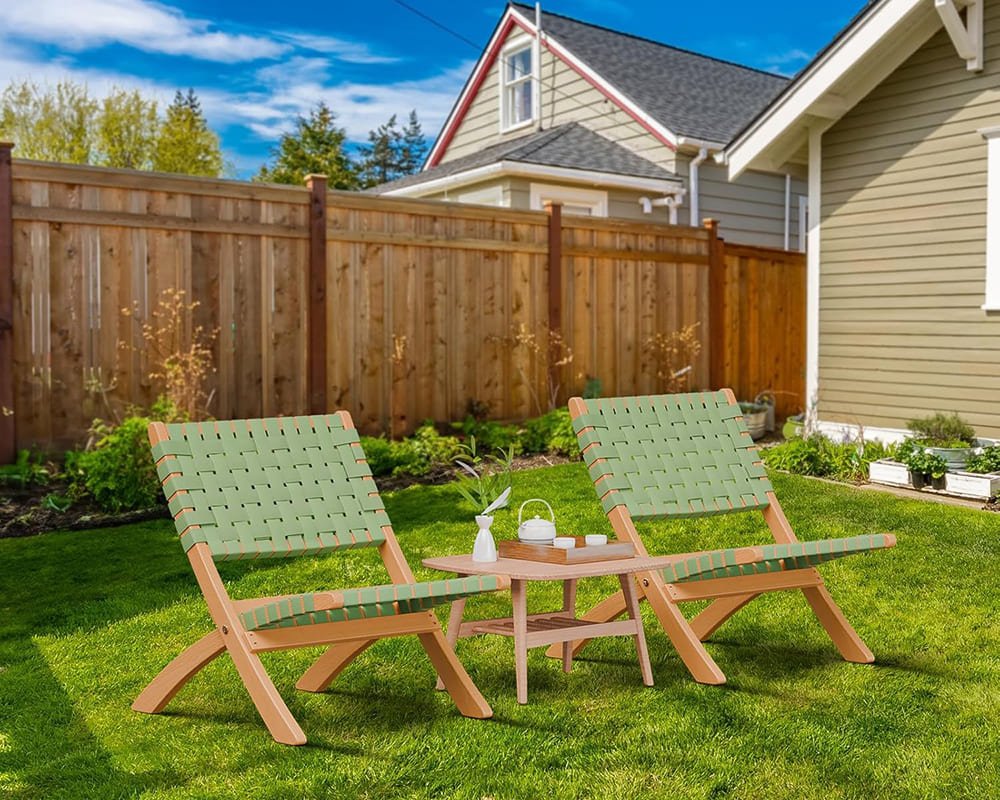
In the world of furniture design and restoration, nothing blends simplicity and strength quite like a well-woven chair seat made from webbing. Whether you’re refurbishing a vintage mid-century piece or crafting new furniture for your brand, learning how to weave a chair seat with webbing is a skill that can transform your products. With the right techniques and materials, webbing can provide not only superior support and comfort but also a distinctive look that sets your furniture apart.
Webbing chair seats are created by interlacing durable strips of fabric or material across a chair frame, offering structural support and a unique visual style. This method is commonly used in both traditional and modern furniture making due to its durability, breathability, and aesthetic appeal.
So how do you go from bare chair frame to beautifully woven seat? That’s exactly what this guide will teach you. We’ll explore materials, tools, and techniques, with tips to help you achieve professional results. Stick around — there’s even a surprise insight from a designer who landed a major boutique order simply by mastering this technique.
Chair seat webbing is the method of weaving strong fabric strips across the seat of a chair to form a flexible and supportive base — often found in classic, retro, or artisan furniture.
Webbing offers an ideal balance between support and breathability. Unlike solid wood or upholstered seats that can feel stiff or hot, a webbed seat adjusts slightly to the user’s weight and promotes airflow. That’s why this method is often used in warm climates, upscale lounges, or vintage Scandinavian designs.
| Feature | Advantage |
|---|---|
| Lightweight | Easier transport and stacking |
| Breathable | Comfort during long sitting sessions |
| Easy to repair/replace | Simply reweave if a strip wears out |
| Aesthetic customization | Works well with visible frames & colors |
Whether you’re building for a cozy café or reworking a client’s heirloom, webbing fits both functionality and beauty.
The best webbing for chair seats depends on the intended usage — cotton and jute are great for indoor vintage looks, while nylon and polyester offer superior durability for commercial or outdoor use.
Let’s break this down with a comparison table based on real-world use cases:
| Material | Strength Rating | Stretch Level | Water Resistance | Best For | Lifespan (Indoor Use) |
|---|---|---|---|---|---|
| Cotton | ★★★☆☆ | Low | ✘ | Vintage indoor chairs | 3–5 years |
| Jute | ★★★★☆ | Low | ✘ | Antique restorations | 4–6 years |
| Nylon | ★★★★★ | High | ✔✔✔ | Outdoor lounges, flexible support | 7–10 years |
| Polyester | ★★★★☆ | Medium | ✔✔ | Hospitality, OEM custom seats | 6–8 years |
| Rubber | ★★★★☆ | Very High | ✔✔✔ | High-comfort seating | 5–7 years |
Choosing the right webbing starts with understanding where and how the chair will be used — high-traffic areas need tougher materials, while low-use settings can focus more on look and feel.
Here are the most important factors to keep in mind:
| User Type | Recommended Webbing |
|---|---|
| Light-duty (<70kg) | Cotton or Jute |
| Regular (70–100kg) | Polyester or Jute |
| Heavy-duty (>100kg) | Nylon or Rubber |
| Condition | Suggested Material |
|---|---|
| Indoor, dry space | Cotton, Jute |
| Outdoor, humid | Polyester, Nylon |
You can also ask your supplier (like Szoneier) for free samples before making bulk decisions — this helps ensure both look and performance match your expectations.
Before weaving begins, it’s important to make sure the chair frame is clean, sturdy, and ready to handle new tension. Skipping this step can lead to uneven seating or short-lived results.
| Task | Tools Needed | Notes |
|---|---|---|
| Remove old webbing/tacks | Staple remover, pliers | Wear gloves for safety |
| Sand down rough surfaces | Sandpaper (120–220 grit) | Prevents future fabric snags |
| Inspect joints and corners | Mallet, wood glue, clamps | Fix any wobbly spots before starting |
| Seal or polish wood (optional) | Soft cloth, wood oil or sealant | Great for antique restoration |
Take your time here — think of this stage as setting a solid foundation. Whether it’s a single chair or a bulk order of café seating, a well-prepped frame ensures long-lasting results.
Weaving a chair seat with webbing involves laying the horizontal strips first, then weaving vertical strips over and under them to create a tight, supportive grid.
For commercial furniture projects or higher volumes, consider creating a jig or template to save time and ensure consistency. This is especially useful for OEM batches or hospitality contracts.
You don’t need a full workshop to install webbing — just a few reliable tools like a webbing stretcher, staple gun, and some measuring gear.
| Tool | Purpose |
|---|---|
| Webbing stretcher | Pulls webbing tight without tearing |
| Staple gun (manual/electric) | Fastens webbing to wood securely |
| Measuring tape | Ensures even spacing and strip length |
| Scissors/cutter | Cuts webbing to size |
Make sure to test the staple gun on scrap wood first. If it’s too weak, the webbing might come loose; if too powerful, it might damage the frame.
Most webbed seats can last 5–10 years, depending on usage and material. But like tires or cushions, they’ll eventually need replacing.
| Material | Average Lifespan | Notes |
|---|---|---|
| Cotton | 3–5 years | Indoor only, light duty |
| Jute | 4–6 years | Indoor, dries out over time |
| Nylon | 7–10 years | Resilient to wear, stretch |
| Polyester | 6–8 years | Durable, slightly rigid |
| Rubber | 5–7 years | Excellent comfort, loses elasticity |
Absolutely! At Szoneier, we offer complete OEM/ODM customization — whether you need a custom color, woven logo, or specific performance spec, we make it happen.
| Feature | Example |
|---|---|
| Logo weaving | Woven-in branding on each strip |
| Pattern matching | Jacquard woven checker or stripe |
| Special finishes | Fire-resistant, UV-blocking, waterproof |
| Color matching | Pantone-matched to your palette |
Let your furniture speak for your brand. A small detail like webbing design can turn a standard chair into a signature piece.
If you’re a brand or buyer looking to stand out with custom-designed, durable chair webbing — Szoneier has you covered. With over 18 years of experience, we provide free design, low MOQ customization, 100% quality assurance, and rapid sampling. Whether you’re a high-end furniture label or a startup looking for a private label partner, we help turn your vision into a finished, sellable product.
Reach out to our team today to explore your options and get started on your next project — we’re ready to bring your chair designs to life with premium-quality webbing solutions.


No worries, please contact us and we will answer all the questions you have during the whole process of webbing customization.
If you have your own artwork, logo design files, or just an idea,please provide details about your project requirements, including preferred fabric, color, and customization options,we’re excited to assist you in bringing your bespoke bag designs to life through our sample production process.

Copyright ©2021 Szoneier , All rights reserved.
Looking for premium custom webbing? Contact us now for competitive pricing, free samples, and expert consultation. Fill out the form below, and our team will get back to you within 24 hours!
 Optimized by Seraphinite Accelerator