From Inquiry to Delivery
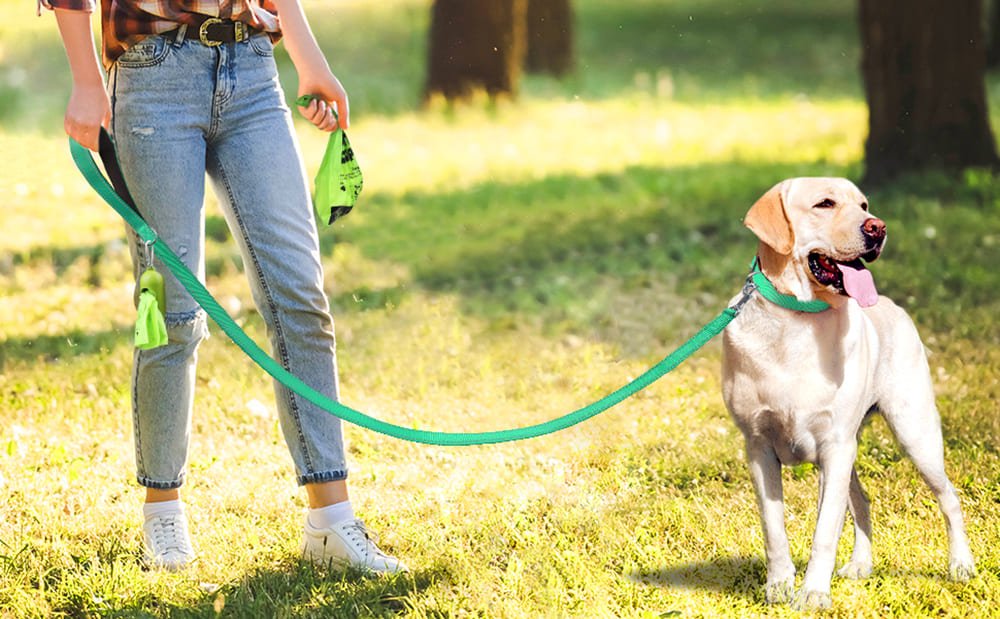
When it comes to pet gear, few items are as essential—and underestimated—as the dog leash. Whether you’re a pet product designer, a private label buyer, or a retail brand curating your next collection, understanding how to use a dog leash goes far beyond just clipping it onto a collar. It’s about safety, design, materials, branding, and understanding customer behavior.
A dog leash is more than a simple strap—it’s a critical tool for control, communication, and protection. The right leash can make the difference between a calm walk and a chaotic one. This guide explores the best leash use practices, types, materials, safety standards, and branding tips so your product line can meet both human and canine needs.
Still think all leashes are the same? Let us walk you through the hidden science, behavioral psychology, and manufacturing know-how behind the perfect leash—plus how your brand can benefit.
A dog leash is a safety tool used to keep a dog under control during walks or in public, preventing accidents and enhancing communication between dog and owner.
Proper leash use involves securely attaching the leash, maintaining consistent tension, and adjusting your handling style based on the environment and dog behavior.
| Scenario | Recommended Length | Leash Type |
|---|---|---|
| Crowded City Walk | 4 ft | Traffic leash |
| Park or Trail | 6 ft | Standard flat leash |
| Obedience Training | 10 ft | Training leash |
Different dog breeds and activities require different leash types to ensure safety, comfort, and control.
| Breed Type | Recommended Leash Type | Notes |
|---|---|---|
| Large (e.g. Husky) | Heavy-duty nylon leash | Reinforced stitching, padded handle |
| Small (e.g. Poodle) | Lightweight cotton leash | Soft, flexible, 4–5 ft length |
| Active (e.g. Lab) | Bungee leash | Reduces strain, good for joggers |
| Leash Type | Best For | Key Features |
|---|---|---|
| Flat Leash | Everyday use | Durable, simple, 4–6 ft |
| Retractable | Open spaces only | Adjustable length, risky in cities |
| Bungee | Runners & pullers | Reduces pull tension |
| Hands-Free | Joggers | Worn around waist, good for balance |
Yes. Leash materials directly influence comfort, strength, weight, water resistance, and customer appeal.
| Material | Strength | Water Resistance | Comfort | Common Use Cases |
|---|---|---|---|---|
| Nylon | ★★★★★ | ★★★★☆ | ★★★☆☆ | All-purpose, urban walks |
| Polyester | ★★★★☆ | ★★★★★ | ★★★☆☆ | Outdoor, durable use |
| Polypropylene | ★★★☆☆ | ★★★★☆ | ★★☆☆☆ | Budget lines, promotions |
| Cotton | ★★★☆☆ | ★★☆☆☆ | ★★★★★ | Small breeds, premium feel |
Quality dog leashes should meet global safety standards such as ISO, ASTM, and RoHS, with tested pull force and secure construction.
| Dog Weight | Minimum Pull Force Requirement |
|---|---|
| Under 10 kg | 300–400 N |
| 10–25 kg | 600–900 N |
| Over 25 kg | 1000+ N |
Customization turns a simple leash into a branded experience that drives loyalty and customer retention.
| Customization Type | Lead Time | MOQ |
|---|---|---|
| Logo Printing | 5–7 days | 100 pcs |
| Full Custom Design | 10–14 days | 300 pcs |
| Reflective Leashes | 7 days | 150 pcs |
Ignoring design quality, customer behavior, and material performance often leads to returns or poor user reviews.
Hands-free and retractable leashes offer convenience but require thoughtful design to be truly safe and effective.
Choosing or designing the right dog leash is more than just picking a strap—it’s about functionality, safety, customer trust, and product differentiation. Whether you’re launching a new pet gear brand, scaling your private label, or sourcing for a retail line, working with a professional, reliable factory partner makes all the difference.
Szoneier has over 18 years of experience in custom webbing and dog leash manufacturing, offering:
Contact us today to get a free quote and sample for your next leash project. Let’s make something pawsome—together.
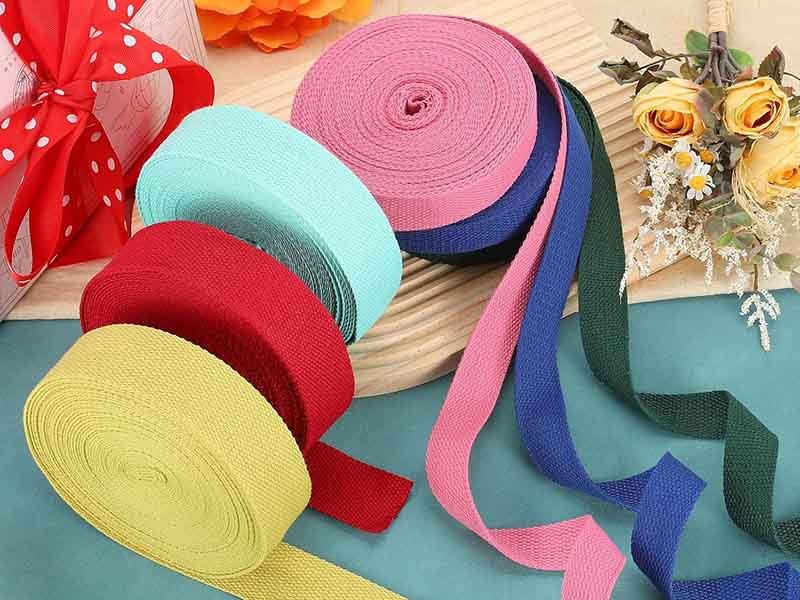

No worries, please contact us and we will answer all the questions you have during the whole process of webbing customization.
If you have your own artwork, logo design files, or just an idea,please provide details about your project requirements, including preferred fabric, color, and customization options,we’re excited to assist you in bringing your bespoke bag designs to life through our sample production process.

Copyright ©2021 Szoneier , All rights reserved.
Looking for premium custom webbing? Contact us now for competitive pricing, free samples, and expert consultation. Fill out the form below, and our team will get back to you within 24 hours!
