
From Inquiry to Delivery
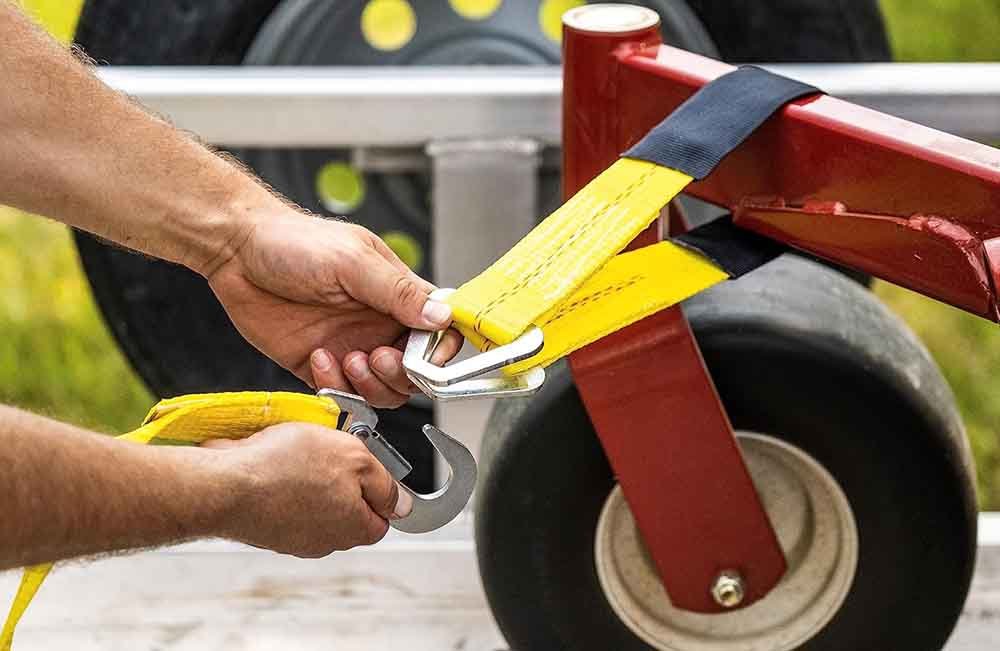
If you’ve ever had a car stuck in the mud or seen a roadside rescue in action, chances are a tow strap was involved. Tow straps are more than just strong fabric belts—they’re safety tools designed to move disabled vehicles without causing further damage. Whether you’re sourcing for an automotive brand, a vehicle fleet, or private-label outdoor gear, understanding the difference between types of tow straps and how to choose the right one can save you money, ensure safety, and enhance customer satisfaction.
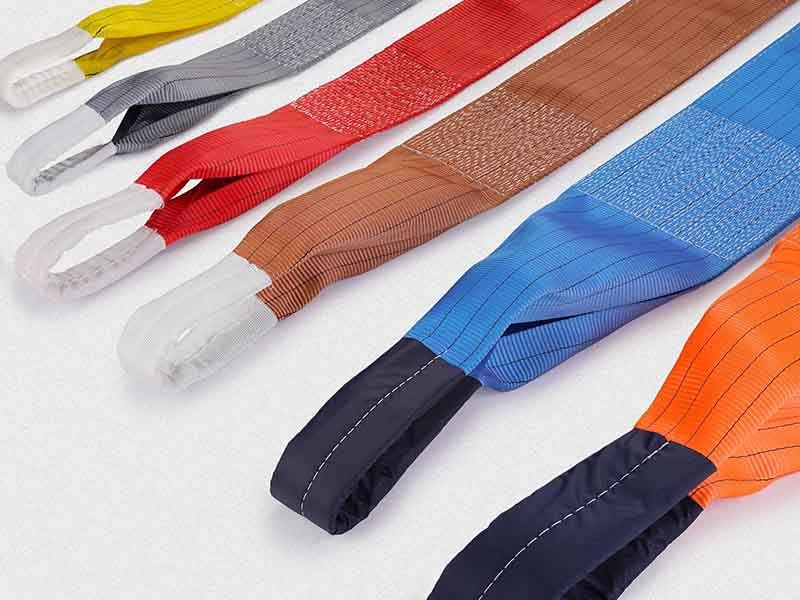
A tow strap is a heavy-duty length of webbing designed to pull or tow disabled vehicles. It typically features reinforced loops or hooks and is made from polyester or nylon. Tow straps differ from recovery straps in elasticity and use. They are essential for roadside rescues, towing, and vehicle recovery, especially when chosen based on vehicle weight, use case, and certified safety standards.
Let’s walk through the essential knowledge you need, whether you’re customizing OEM tow straps or sourcing for resale. We’ll break down materials, strength ratings, safety, usage techniques, and sourcing best practices. And along the way, we’ll answer the most common B2B questions people ask about tow straps.
A tow strap is a flexible webbing strap designed to pull vehicles from one point to another. It’s typically used when a vehicle breaks down or needs to be moved a short distance. These straps connect the towing vehicle to the disabled one and are built to handle dynamic loads during acceleration and braking.
The main purpose of a tow strap is to allow one vehicle to pull another without a rigid connection like a chain. It reduces impact force and makes towing safer and more controlled.
Tow straps are made of low-stretch materials like polyester for steady pulling. Recovery straps, often nylon, stretch to create a slingshot effect that aids in unsticking vehicles.
One is usually sufficient, but additional straps may be required based on the towing angle, weight, and situation. You also need accessories like shackles or hooks.
Tow straps are typically made of polyester or nylon, each chosen based on the application. Polyester is the go-to for towing because of its low elasticity and high tensile strength.
Polyester Webbing:
Nylon Webbing:
Other Materials:
| Material | Stretch Rate | Abrasion Resistance | Common Use | Cost Level |
|---|---|---|---|---|
| Polyester | <5% | High | Towing | $$ |
| Nylon | Up to 30% | Medium | Vehicle Recovery | $$$ |
| Polypropylene | ~10% | Low | Light Utility Use | $ |
The ideal tow strap varies depending on the size and weight of the vehicle being towed. Lighter vehicles need less tensile strength than heavy-duty trucks.
Passenger Cars:
SUVs and Light Trucks:
Heavy-Duty Vehicles:
Tow straps should be rated at least 1.5x the weight of the vehicle being towed. This accounts for dynamic loads during movement.
Breaking Strength vs. WLL:
How to Calculate:
Testing & Certification:
| Vehicle Type | Weight (lbs) | Recommended WLL | Strap Width |
|---|---|---|---|
| Sedan | 3,000-4,000 | 6,000-8,000 | 2″ |
| Pickup/SUV | 5,000-7,000 | 10,000-14,000 | 3″ |
| Commercial Truck | 8,000-12,000 | 16,000-24,000 | 4″ |
Yes, most commercial tow straps are tested to meet standards such as SAE J684 or CE certification, which define performance, stitching integrity, and labeling practices.
Certifications to Look For:
Labeling Requirements:
Selecting a tow strap for OEM requires understanding both technical requirements and customization options. Consider end-use, packaging, and brand positioning.
Custom Specs:
MOQ and Sampling:
Retail Packaging:
Brand Enhancement:
Tow straps are safe when used correctly. Most risks come from improper attachment, using the wrong strap size, or ignoring signs of wear.
Attach the strap to the towing point on both vehicles—never the bumper. Keep the strap taut before driving, and communicate between drivers.
The towing driver should accelerate gently. The towed car must stay in neutral with brakes ready. Maintain slow, controlled movement at all times.
The best tow straps come from manufacturers with in-house webbing production and full control over QC. Sourcing directly from factories like Szoneier reduces cost and enhances customization.
Tow straps may seem simple, but they involve a combination of materials science, load mechanics, and user safety. For distributors, brands, and fleet operators looking to offer reliable tow solutions, choosing the right partner matters as much as choosing the right product.
At Szoneier, we make it easy to customize, brand, and deliver OEM tow straps that meet real-world needs. If you’re sourcing high-quality, tested, and brandable tow straps—get in touch now for a quote or a free sample. Let’s build a safer, stronger tow solution together.
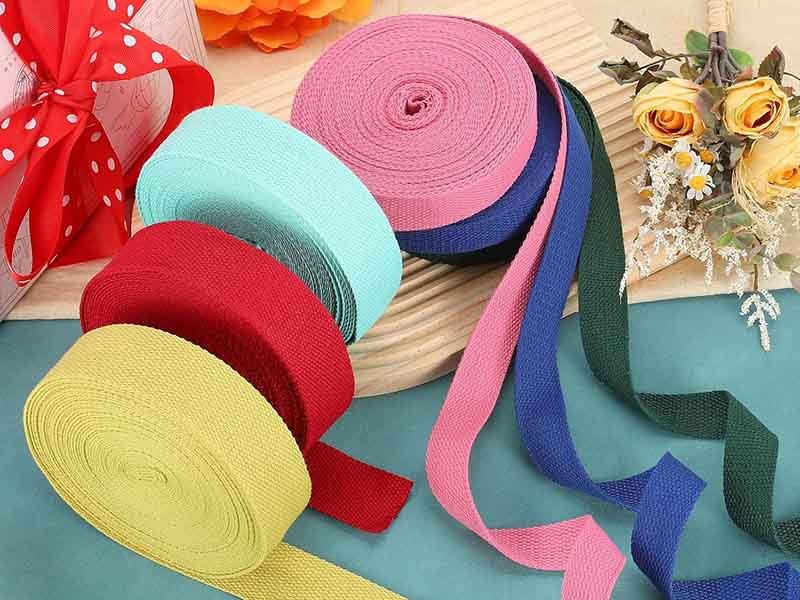


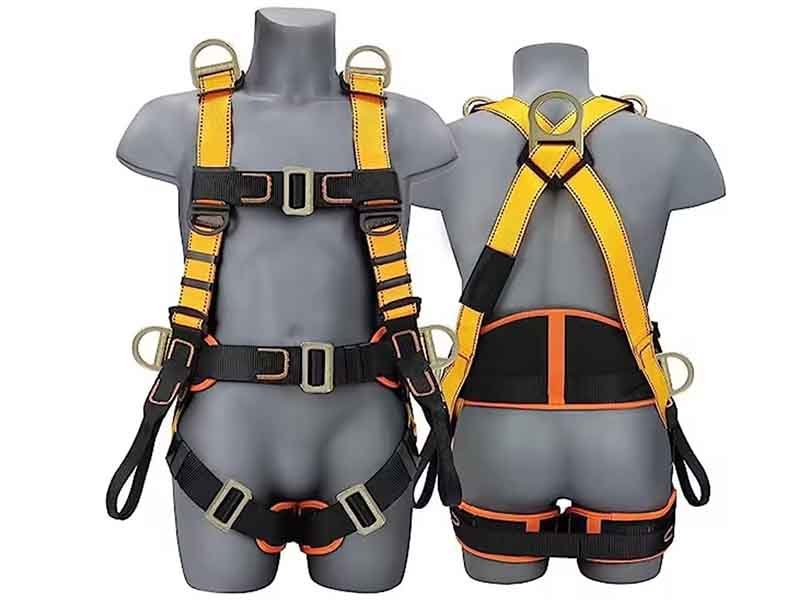
No worries, please contact us and we will answer all the questions you have during the whole process of webbing customization.
If you have your own artwork, logo design files, or just an idea,please provide details about your project requirements, including preferred fabric, color, and customization options,we’re excited to assist you in bringing your bespoke bag designs to life through our sample production process.

Copyright ©2021 Szoneier , All rights reserved.
Looking for premium custom webbing? Contact us now for competitive pricing, free samples, and expert consultation. Fill out the form below, and our team will get back to you within 24 hours!
