- (+86)13823134897
- info@szoneierwebbing.com
From Inquiry to Delivery
 Skip to content
 From Inquiry to Delivery
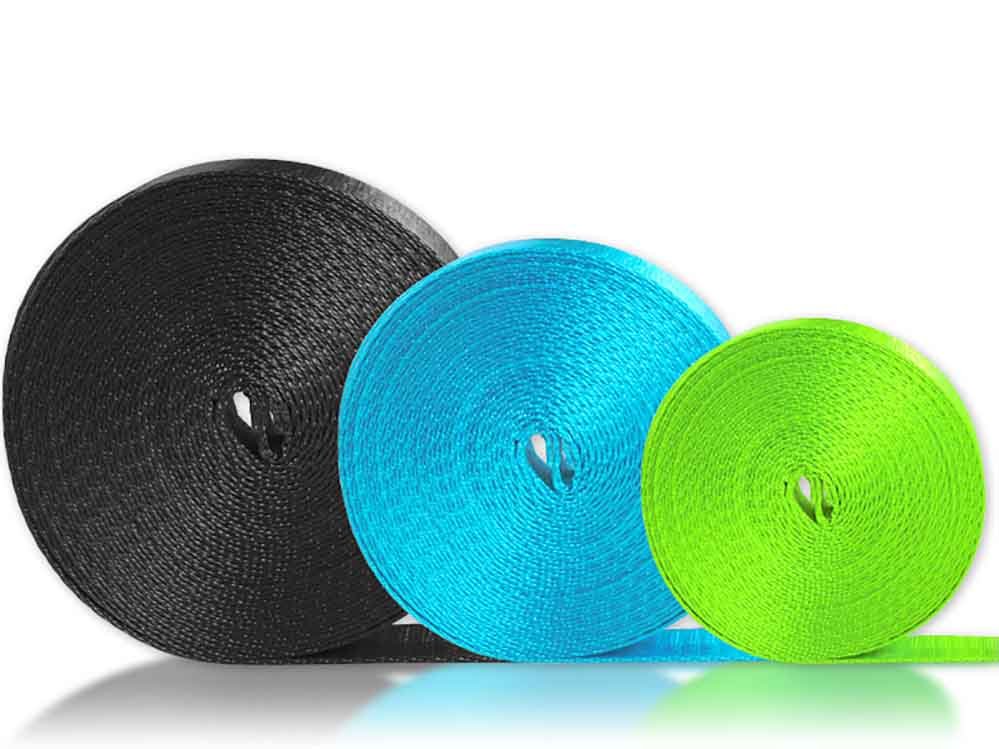
Nylon webbing is everywhere—from heavy-duty outdoor harnesses to your favorite backpack strap. But did you know that choosing the right type of nylon webbing can mean the difference between a product that lasts years and one that fails in weeks? Whether you’re a brand owner, product designer, or procurement officer, knowing the differences between types of nylon webbing is essential for smart sourcing and product development.
Nylon webbing comes in various types such as flat, tubular, jacquard, and mil-spec versions—each with unique strength, stretch, and texture properties that suit different use cases. Choosing the right one depends on your application, customization needs, and budget.
If you’ve ever struggled to understand which nylon webbing fits your product best—or why some webbing outperforms others—this guide will walk you through every detail. Let’s start from the basics and dive deep.
Nylon webbing is a strong, flexible woven fabric made from nylon yarns, used widely in bags, safety harnesses, military gear, and pet products due to its high tensile strength and abrasion resistance.
Nylon has excellent elasticity, smooth texture, and great load-bearing capacity compared to cotton or polyester. While polyester resists UV better, nylon generally outperforms in strength and flexibility.
Nylon webbing can withstand loads over 5,000 lbs depending on the weave type and width. It lasts years under normal wear, making it ideal for long-use products.
The main types of nylon webbing include flat, tubular, jacquard, mil-spec, flame-retardant/UV-resistant, herringbone, and edge-stitched nylon webbing. Each has unique construction, visual properties, and industrial relevance.
Flat nylon webbing is woven in a single, tightly knit layer that lies flat against surfaces. It has a smooth texture and consistent width, making it easy to handle, sew, or print. Due to its balance of strength and flexibility, it’s widely used for utility straps, bag handles, belts, and dog leashes. Flat nylon can also be hot-cut to seal edges and prevent fraying, a benefit during high-speed production.
Key benefits:
Limitations:
Tubular nylon webbing is formed by weaving fibers into a tube-like structure. This makes it thicker and more shock-absorbent. It is especially favored in climbing, rescue, and high-load applications because the tubular design can better distribute forces and resist wear. Tubular nylon is also more comfortable when used in wearable applications, like slings or harnesses, as it doesn’t dig into the skin.
Key benefits:
Limitations:
Jacquard nylon is woven on specialized looms that embed logos, patterns, or texts directly into the fabric structure. Unlike printing, these designs are fade-resistant and permanent. Jacquard webbing is commonly used in branded pet collars, high-end bags, and designer accessories where aesthetics and durability are both required.
Key benefits:
Limitations:
This category refers to nylon webbing manufactured according to U.S. military specifications, like MIL-W-17337 or MIL-T-5038. It undergoes stringent testing for tensile strength, abrasion resistance, elongation, and flame retardancy. Mil-spec webbing is essential in tactical gear, parachute systems, MOLLE systems, and survival tools.
Key benefits:
Limitations:
This type of webbing is treated with special chemicals or coatings that allow it to resist extreme heat, fire, or UV radiation. These are essential features in industrial safety gear, firefighting equipment, and marine or outdoor use. The coatings are tested to meet standards like NFPA or ASTM depending on use.
Key benefits:
Limitations:
This webbing features a zigzag, V-shaped weave pattern resembling herringbone fabric. It offers both a functional grip and an elegant texture. Due to its visual appeal and moderate strength, it’s a favorite in luxury fashion accessories, bag handles, and decorative straps.
Key benefits:
Limitations:
This variety adds extra stitching along both edges of flat webbing. The stitching enhances structural integrity, reduces fraying, and reinforces the material for rugged usage. It’s commonly found in tool belts, tactical gear, luggage handles, and straps that endure repeated strain or movement.
Key benefits:
Limitations:
| Type | Strength | Flexibility | Branding Option | Common Use |
|---|---|---|---|---|
| Flat Nylon | High | Moderate | Print, sew tag | Bag straps, belts, leashes |
| Tubular Nylon | Very High | High | Sew tag | Climbing gear, heavy-duty lifting |
| Jacquard Nylon | High | Medium | Woven-in logo | Fashion straps, pet collars |
| Mil-Spec Nylon | Very High | Low | Embossed/Printed | Tactical gear, military-grade equipment |
| FR/UV-Resistant Nylon | High | Low | Outdoor equipment, fire safety gear | |
| Herringbone Nylon | Moderate | Moderate | Print or woven | High-end accessories, custom fashion |
| Edge-Stitched Nylon | Very High | Low | Sewn tag | Tool belts, luggage handles, load-bearing straps |
Flat nylon webbing has a single-layer construction that lies flat, while tubular nylon is formed into a hollow tube-like shape, offering greater cushioning, strength, and flexibility.
Flat webbing is woven in a tight, one-layer structure, resulting in a smooth, rigid strip. Tubular webbing is woven in a loop, forming a tube, which adds thickness and allows it to compress under load, making it better for applications where shock absorption is needed.
Flat nylon is commonly used for low to medium-load applications such as luggage straps, belts, and pet products. Tubular webbing, by contrast, excels in high-impact environments like climbing harnesses, slacklines, or emergency slings.
Tubular webbing tends to be about 20–30% more expensive than flat webbing, mainly due to increased material usage and production complexity. However, its longer service life and performance in dynamic situations often justify the cost.
Flat webbing is easier to print on or treat with surface finishes (like waterproofing or anti-slip). Tubular webbing is better suited for woven labels or stitching and offers greater comfort in wearable designs.
Mil-spec, tubular, and UV-resistant nylon webbing are ideal for demanding outdoor or tactical applications because of their strength, durability, and environmental resistance.
UV-resistant webbing prevents degradation and color fading caused by sunlight, making it ideal for backpacks, tents, and marine gear. FR webbing adds fire protection for safety-critical gear.
Mil-spec webbing offers military-grade performance. It’s highly abrasion-resistant, compliant with strict standards, and trusted in gear like body armor, MOLLE systems, and parachute harnesses.
Tubular webbing is best for dynamic weight situations like rescue slings and climbing gear. Its hollow structure cushions loads and reduces wear over time.
| Use Case | Recommended Webbing Type | Key Benefit |
|---|---|---|
| Tactical vests | Mil-spec nylon | Abrasion-resistant, strong under stress |
| Outdoor bags | UV-resistant flat nylon | Lightweight and sunproof |
| Rescue harnesses | Tubular nylon | Absorbs shock, distributes load |
Jacquard webbing is made by weaving logos or patterns directly into the nylon, allowing for long-lasting branding that doesn’t peel or fade.
Computer-controlled looms integrate colored yarns into the pattern, making the logo part of the fabric itself. Designs can include fine typography, geometric shapes, or logos across the webbing’s surface.
Sublimation is cheaper for complex color gradients, but the ink may fade. Jacquard is more durable and premium, but costlier to set up.
Yes. Many manufacturers produce certified nylon webbing that meets OEKO-TEX, REACH, and GRS standards to support sustainable, non-toxic sourcing.
Some suppliers offer GRS-certified nylon from recycled materials. Others use biodegradable coatings or eco-dyes to reduce water usage and emissions.
Sustainability is growing in importance. Brands selling to EU, USA, and Japan increasingly request documentation to support marketing claims and ensure compliance.
The right supplier offers both technical capability and flexibility in design, MOQ, and production speed. Look for in-house R&D, free design support, and OEM/ODM options.
Yes—nylon webbing is highly adaptable, making it ideal for fashion, tactical, industrial, and lifestyle products with endless custom options.
| Product | Suggested Nylon Webbing | Recommended Features |
|---|---|---|
| Luxury dog leash | Jacquard nylon | Woven logo, color contrast |
| Climbing sling | Tubular nylon | High tensile strength, soft edges |
| Tactical belt | Mil-spec nylon | Low elongation, flame resistance |
| Backpack handle | Flat or edge-stitched nylon | Matte finish, high abrasion resistance |
By now, you’ve seen just how versatile and performance-driven nylon webbing can be. From tactical belts to stylish fashion straps, the type of nylon webbing you choose can define the value, durability, and user experience of your final product.
Szoneier offers comprehensive OEM/ODM webbing services with decades of experience and proven manufacturing excellence. We support startups and global brands with free designs, rapid sampling, and low MOQs, while ensuring quality at every step.
Contact us today to start your custom nylon webbing project. Our team is ready to provide free samples, mockups, and production quotes tailored to your exact needs.


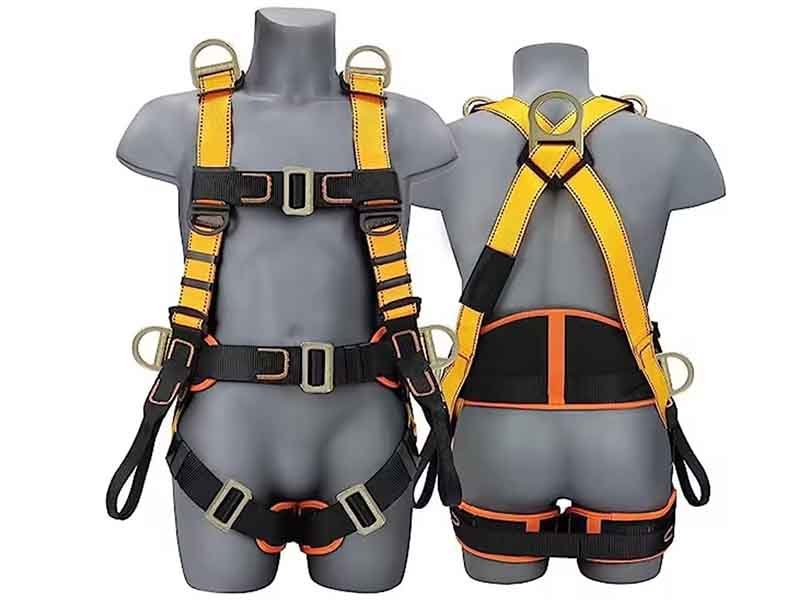
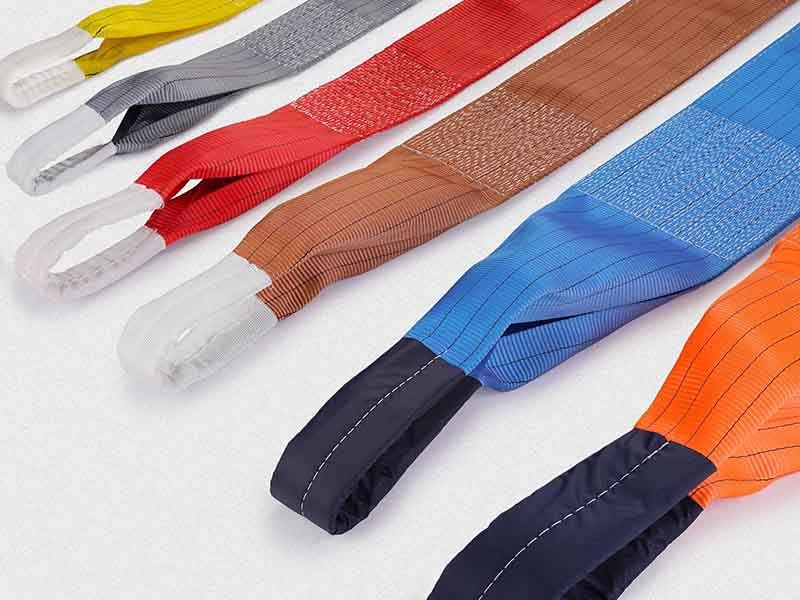
No worries, please contact us and we will answer all the questions you have during the whole process of webbing customization.
If you have your own artwork, logo design files, or just an idea,please provide details about your project requirements, including preferred fabric, color, and customization options,we’re excited to assist you in bringing your bespoke bag designs to life through our sample production process.
Copyright ©2021 Szoneier , All rights reserved.
Looking for premium custom webbing? Contact us now for competitive pricing, free samples, and expert consultation. Fill out the form below, and our team will get back to you within 24 hours!
 Optimized by Seraphinite Accelerator