- (+86)13823134897
- info@szoneierwebbing.com
From Inquiry to Delivery
 Skip to content
 From Inquiry to Delivery
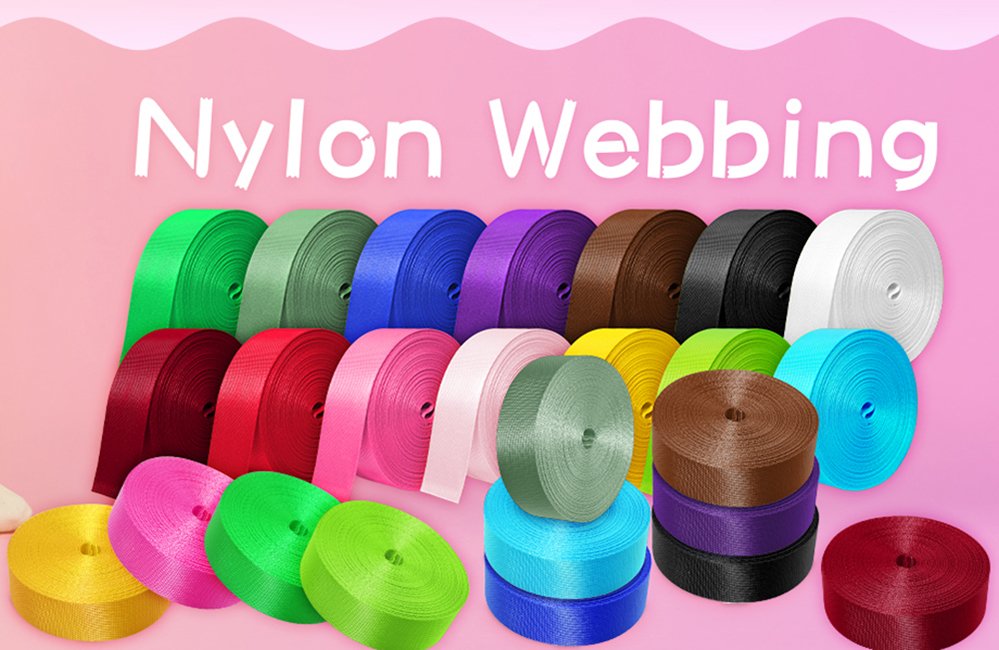
Nylon webbing is one of the most popular materials used in industries ranging from outdoor gear to military products, pet accessories, fashion, and beyond. But what happens when the standard colors just don’t cut it? Whether you’re a brand looking to stand out or a manufacturer fulfilling custom color orders, dyeing nylon webbing is a game-changing solution that offers flexibility, personality, and value.
Nylon webbing can be dyed—and when done correctly with the right dye and process, the result is long-lasting, vibrant, and resistant to wear. Acid dyes are typically the most effective option, and following a proper step-by-step process is essential to ensure consistency and colorfastness.
In this guide, we’ll break down everything you need to know: which dyes to use, how to prep and dye webbing, how long it lasts, and what mistakes to avoid. Whether you’re experimenting at home or ordering in bulk for your brand, you’ll find answers here.
Let’s get started—with a story. A small outdoor gear brand in Oregon wanted to match their custom hiking backpacks with webbing in a moss green tone, but couldn’t find anything pre-dyed. After multiple failed attempts using all-purpose dye, they switched to acid dyes, refined their process, and unlocked a competitive product advantage. That’s the power of getting nylon dyeing right—and we’re going to show you how.
Nylon webbing is often dyed to meet custom branding needs, enhance aesthetic appeal, or fulfill industry-specific color requirements.
Absolutely. Nylon is a synthetic polymer that absorbs acid dyes effectively due to its chemical structure. Unlike polyester or polypropylene, which resist dye absorption without special chemicals, nylon readily takes on color when dyed at high temperatures with the right pH level.
Yes. 100% nylon is one of the most dye-friendly synthetic fibers available. It offers a more predictable and even color result than blended fabrics, which may contain fibers that resist dye (like polyester or spandex). The key is using high-heat acid dyeing methods and maintaining consistent pH conditions.
| Application Area | Use Case Example | Reason for Dyeing |
|---|---|---|
| Outdoor Gear | Backpack straps, tents | Color coding, camouflage, branding |
| Pet Accessories | Leashes, harnesses | Matching color lines, fashion |
| Fashion Accessories | Belts, suspenders | Unique color schemes |
| Safety Equipment | Industrial slings, harnesses | Visibility and compliance |
| Military and Tactical | MOLLE systems, vests | Camouflage or standard-issue color codes |
Acid dyes are the best option for dyeing nylon webbing because they bond well with the fiber and offer excellent colorfastness and saturation.
| Dye Type | Works on Nylon | Pros | Cons |
|---|---|---|---|
| Acid Dyes | ✅ Yes | Bright colors, high fastness | Requires high heat and pH control |
| All-Purpose Dyes | ⚠️ Partially | Easy to find, simple process | Poor wash resistance |
| Disperse Dyes | ❌ No | Excellent for polyester | Useless on nylon |
| Reactive Dyes | ❌ No | Excellent on cotton | Doesn’t bond with nylon |
Yes, but it’s not recommended for long-term use. Spray paint may temporarily alter the color of nylon, but it often flakes, stiffens the webbing, and fades quickly. It’s best used for prototypes or temporary visuals.
Proper cleaning and preparation are critical to achieving even and lasting dye results.
Before dyeing, nylon webbing must be washed in warm water with a mild detergent or dish soap to remove oils, dust, or manufacturing residue. A degreased surface allows better dye absorption.
For OEM production, Szoneier recommends dyeing before stitching to avoid shrinkage or tension loss during high-temperature baths.
The best way to dye nylon webbing is by using acid dyes in a controlled hot water bath with a pH buffer like vinegar or citric acid.
| Step | Task | Temperature | Time | Notes |
|---|---|---|---|---|
| 1 | Fill a stainless steel pot with water | ~60–70°C | – | Don’t use aluminum pots |
| 2 | Add vinegar or citric acid (pH ~4) | – | – | Acidic environment helps dye bonding |
| 3 | Stir in acid dye evenly | – | – | Wear gloves, stir well |
| 4 | Add nylon webbing and stir constantly | 85–95°C | 30–60 mins | Consistent stirring = even color |
| 5 | Rinse in cool water | – | Until clear | Avoid wringing, let drip-dry |
Nylon mesh or netting is more delicate. Use the same acid dye method but reduce dye time (15–30 mins) and handle with care to avoid distortion. Mesh allows dye to flow through easily but can be more prone to uneven coloration without stirring.
The most common mistakes include using the wrong type of dye, uneven stirring, overheating, and dyeing blended or coated nylon.
Using fabric dye meant for cotton or polyester can result in weak or non-existent coloration. Stick with acid dyes for strong, vibrant color.
This is typically due to poor stirring, inadequate water levels, or clumping during dyeing. Always stir continuously and ensure full submersion.
Nylon starts to deform above 120°C. Always monitor your dye bath to stay below 100°C. Avoid using direct flame underneath your pot unless it has a diffuser.
Yes, but dyeing over existing colors or prints may produce unexpected results and requires darker or neutral tones.
Black is the most reliable choice for covering unwanted colors or patterns. For deep navy, army green, or maroon, results may vary based on the base color.
Dyed nylon webbing using acid dyes offers high resistance to washing, sunlight, and abrasion if properly treated and set.
With high-quality acid dyes and correct technique, the dyed color can last for years. Outdoor products may fade after long UV exposure, but results are better than most all-purpose dyes.
After dyeing, placing the webbing in an 80°C oven for 20 minutes can help improve bonding. You can also use commercial dye fixatives to seal the color further.
For bulk orders and professional consistency, it’s best to partner with an experienced webbing manufacturer like Szoneier.
Manufacturers like Szoneier offer:
Szoneier has over 18 years of experience in nylon webbing R&D and production. We provide:
Getting nylon webbing dyed right means more than just color—it’s about branding, performance, and product appeal. Whether you’re creating dog leashes in unique shades, tactical belts in camo tones, or fashionable bag straps that pop on the shelf, the process starts with the right knowledge and the right partner.
Szoneier offers factory-direct custom-dyed nylon webbing with guaranteed color consistency, professional OEM/ODM service, and full-spectrum customization. Want to see samples or discuss your project? Reach out to us today—we’ll get you matched, dyed, and delivered.
Contact Szoneier Now to Request a Free Sample or Quote
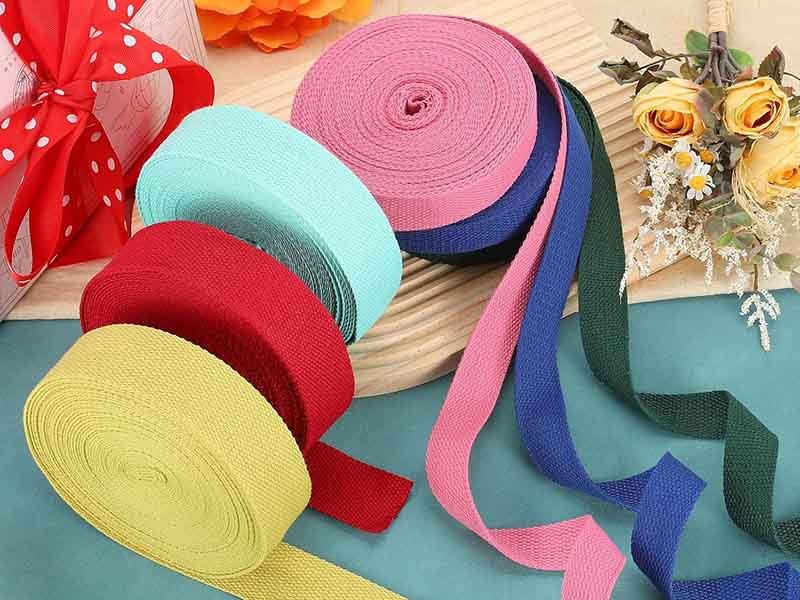

No worries, please contact us and we will answer all the questions you have during the whole process of webbing customization.
If you have your own artwork, logo design files, or just an idea,please provide details about your project requirements, including preferred fabric, color, and customization options,we’re excited to assist you in bringing your bespoke bag designs to life through our sample production process.
Copyright ©2021 Szoneier , All rights reserved.
Looking for premium custom webbing? Contact us now for competitive pricing, free samples, and expert consultation. Fill out the form below, and our team will get back to you within 24 hours!
 Optimized by Seraphinite Accelerator