
From Inquiry to Delivery
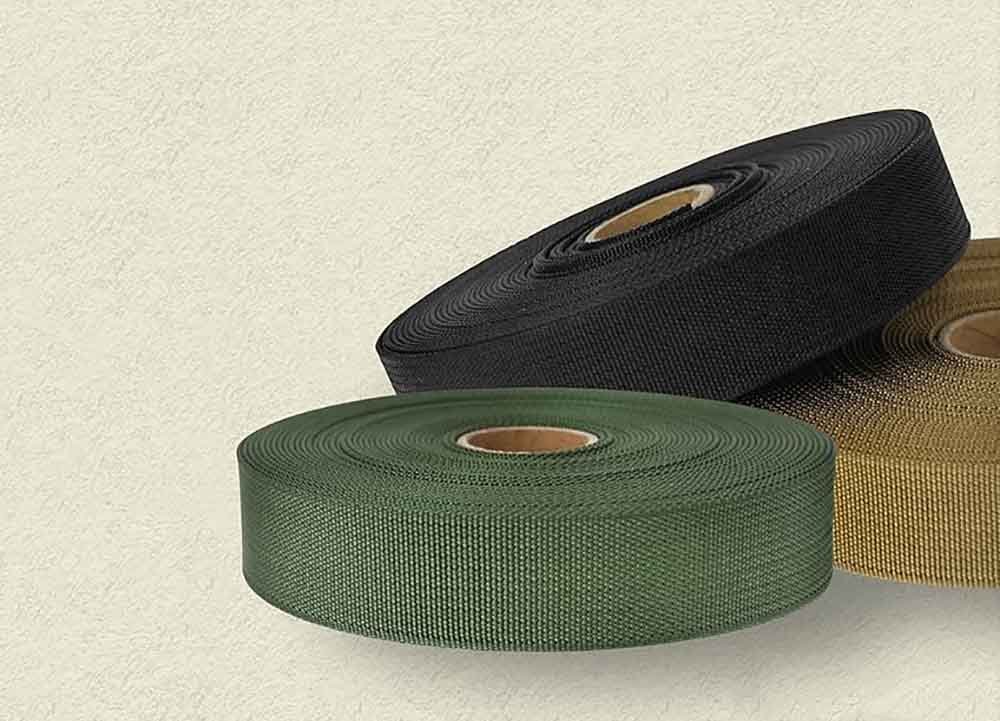
Ever wondered how your tactical backpack holds that medical pouch, flashlight holster, or water bottle sleeve with such military-grade reliability? The answer lies in one simple yet ingenious invention—MOLLE webbing. Found on everything from military gear to hiking bags, MOLLE has become the universal language of modular storage. And it’s not just soldiers and adventurers who care. Brand owners, OEM buyers, and product developers alike are turning to MOLLE webbing for its utility and appeal.
MOLLE webbing is a modular strap system made from tightly woven nylon or polyester, designed to attach gear and accessories securely onto tactical equipment like backpacks, vests, and belts. It uses the PALS grid system and specific stitching dimensions to ensure universal compatibility and high load-bearing strength.
But how exactly is MOLLE webbing made? What materials are used? And how can you customize it for your brand’s gear line? In this complete guide, we’ll explore not just the “how,” but the “why” behind every step—from raw yarn to retail-ready webbing. So, whether you’re a tactical gear startup or an established outdoor brand, let’s dive into the engineering and strategy behind high-performance MOLLE webbing manufacturing.
MOLLE webbing is a modular strap system based on the PALS (Pouch Attachment Ladder System) grid, allowing tactical and outdoor gear users to attach compatible pouches, tools, and accessories through evenly spaced loops.
MOLLE (Modular Lightweight Load-carrying Equipment) is not just a buzzword in the tactical world. It’s a system designed for maximum adaptability, allowing users to tailor their gear setup according to specific needs. Whether you’re a soldier, hiker, or emergency responder, MOLLE offers the flexibility to add, remove, or reconfigure pouches and accessories without needing to carry additional bags.
While often used interchangeably, PALS and MOLLE are not identical. PALS refers specifically to the webbing grid itself—a matrix of horizontal rows sewn onto tactical gear. MOLLE, on the other hand, encompasses the full attachment system, including both the PALS webbing and the accessories designed to attach to it. In short, PALS is the grid standard; MOLLE is the system that uses it.
In manufacturing terms, understanding this distinction helps determine how webbing and accessories should be designed for compatibility across all platforms.
Adding PALS webbing involves:
Using precise templates and jigs is crucial for consistency in manufacturing environments.
High-tensile strength nylon and polyester are the most commonly used materials for MOLLE webbing due to their durability, resistance to abrasion, and ability to hold their shape under load.
The most widely used materials include:
Each material has its trade-offs. For instance, nylon offers excellent strength but can absorb more water, whereas polyester is ideal for environments with high UV exposure due to its excellent colorfastness and stability.
| Material | Tensile Strength | Abrasion Resistance | UV Resistance | Cost Efficiency | Water Absorption |
|---|---|---|---|---|---|
| Nylon (Type 6/6) | ★★★★☆ | ★★★★☆ | ★★★☆☆ | ★★★☆☆ | Medium |
| Polyester | ★★★★☆ | ★★★☆☆ | ★★★★☆ | ★★★★☆ | Low |
| Polypropylene | ★★☆☆☆ | ★★☆☆☆ | ★★★☆☆ | ★★★★★ | High |
Choosing the right material depends on the product’s use case:
Polyester also maintains better rigidity under high temperatures, making it suitable for heat-bonded webbing, whereas nylon excels in cold weather flexibility. Some brands even opt for nylon/polyester blends to achieve balanced properties.
Next, we’ll break down how these materials are actually turned into MOLLE webbing on the factory floor.
MOLLE webbing is produced using precision weaving machines, heat-setting equipment, cutting stations, and heavy-duty industrial sewing with bar-tack reinforcements.
Standard MOLLE webbing is 1 inch (25mm) wide with vertical spacing of 1.5 inches (38mm) between each row. This ensures compatibility across all MOLLE-compatible gear worldwide.
The stitch pattern typically starts with:
Every loop (column) is generally spaced 1 inch apart horizontally and 1.5 inches vertically, creating a uniform grid for any PALS-compatible accessory.
The PALS grid was standardized by NATO and the U.S. Department of Defense to make modular gear universally interchangeable—across brands, countries, and categories.
Incorrect spacing—even by a few millimeters—can make MOLLE gear incompatible. That’s why precise CNC-controlled sewing or pattern templates are essential in webbing production.
MOLLE webbing can be customized through color selection, logo weaving, camo prints, reflective stitching, and specialty coatings for fire or chemical resistance.
| Method | Visual Impact | Durability | MOQ Impact | Lead Time |
|---|---|---|---|---|
| Jacquard Woven | ★★★★☆ | ★★★★☆ | High | Medium |
| Screen Printed | ★★★☆☆ | ★★☆☆☆ | Low | Fast |
| Heat Transfer Film | ★★★☆☆ | ★★☆☆☆ | Low | Fast |
Yes, professional manufacturers apply standardized tests for tensile strength, UV exposure, abrasion resistance, and dimensional stability to ensure webbing safety and performance.
| Test Type | Description | Standard Benchmark |
|---|---|---|
| Tensile Test | Pull to break | ≥ 1500N for 1” webbing |
| Stitch Holding Test | Load on bar-tack | ≥ 700N |
| Elongation Test | Stretch under load | ≤ 10% elongation |
Manufacturers that serve military contracts follow:
OEM and ODM webbing manufacturing offers brands full control over specs, design, and performance while optimizing for cost, low MOQ, and flexible lead times.
| Service | Time Frame | Notes |
|---|---|---|
| Sample Development | 3–5 working days | Free with DHL shipping |
| Bulk Production | 10–20 days | Depending on quantity |
| MOQ | 500m/color/style | Customizable |
At Szoneier, we’re not just a webbing manufacturer—we’re your design, engineering, and production partner. With over 18 years of experience in custom webbing solutions for tactical, outdoor, and OEM gear brands, we offer:
Get in touch today to request free samples, get a quote, or start developing your custom MOLLE webbing project.


No worries, please contact us and we will answer all the questions you have during the whole process of webbing customization.
If you have your own artwork, logo design files, or just an idea,please provide details about your project requirements, including preferred fabric, color, and customization options,we’re excited to assist you in bringing your bespoke bag designs to life through our sample production process.

Copyright ©2021 Szoneier , All rights reserved.
Looking for premium custom webbing? Contact us now for competitive pricing, free samples, and expert consultation. Fill out the form below, and our team will get back to you within 24 hours!
