
From Inquiry to Delivery
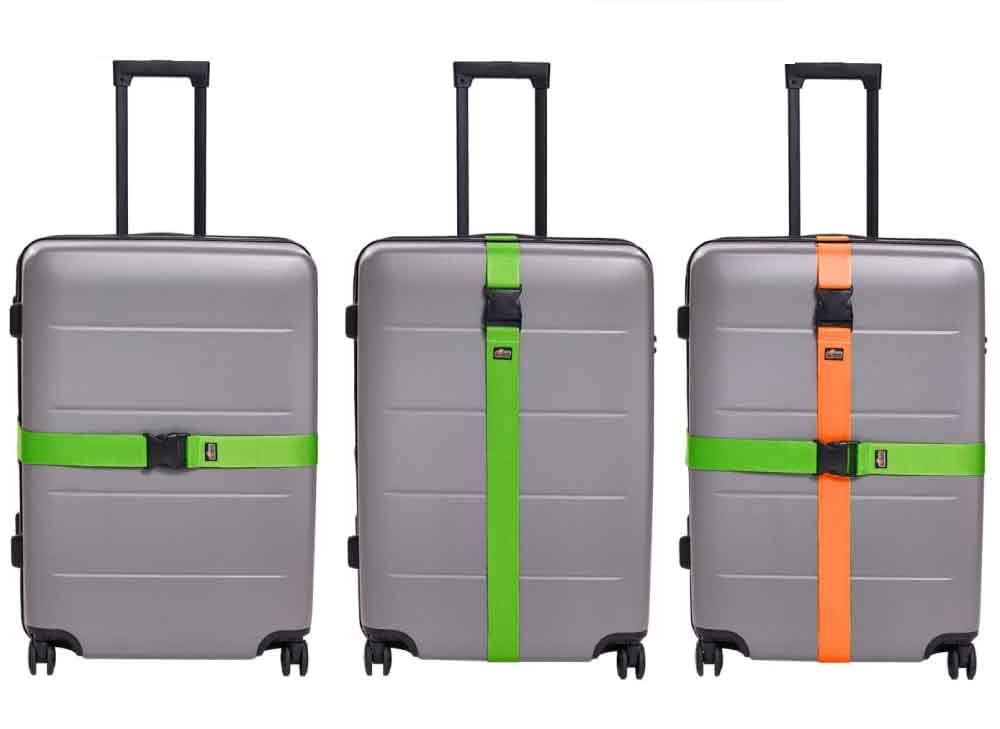
Traveling can be stressful enough without worrying if your luggage strap will hold up under TSA scrutiny. From crowded airport terminals to stern-faced agents, the last thing you want is for your favorite strap to be cut off at security. In this comprehensive guide, we’ll answer the burning question: are luggage straps TSA-approved?
Yes—luggage straps themselves don’t require TSA “approval,” but to avoid being cut, they must incorporate TSA-recognized locks (e.g., TSA-007, TSA-002) allowing agents to open your bag without damage. A compliant strap combines certified lock mechanisms, durable webbing materials (nylon, polyester, PP), and clear labeling. Using non-TSA locks risks strap removal and delays. Choose a tested, ticket-friendly design to breeze through checkpoints.
But before you invest in a bright, branded strap, let me share how my colleague’s brand-new strap nearly got sliced off her suitcase on her first trip. Let’s dive in so that doesn’t happen to you!
TSA compliance hinges on lock design, not the strap material. A luggage strap is “TSA-approved” when equipped with a lock featuring a universal keyway (TSA-007, TSA-002, or similar) that allows Transportation Security Officers to open and re-lock your bag using master keys. Compliant straps are clearly labeled, use durable webbing (nylon, polyester, or PP), and meet TSA’s dimensional guidelines. Without an approved lock, TSA agents will cut any strap hindering baggage inspection.
Most travelers mistakenly believe that any sturdy strap will pass muster. In reality, it’s all about the lock:
Critical Perspective:
Some brands tout “TSA-approved material” or “airport-safe webbing,” but without the master-key lock, these claims are misleading. Always verify the lock certification rather than relying on marketing jargon alone.
The most common TSA-approved lock types integrated into luggage straps are TSA-007, TSA-002, and TSA-001. TSA-007 is the industry standard recognized in over 30 countries, followed by TSA-002 for smaller accessories. Higher-numbered designs (TSA-005, TSA-009) exist but are less prevalent. Each lock features a five-digit code and a universal keyway, allowing agents to open without damage. Ensure your strap explicitly states which lock model it uses to guarantee compatibility.
| Lock Model | Keyway Code | Common Uses | International Recognition | Notes |
|---|---|---|---|---|
| TSA-007 | 007 | Full-size straps, padlocks, cables | Most widely accepted (30+) | Standard for suitcase straps |
| TSA-002 | 002 | Smaller zipper-pulls, mini locks | 20+ countries | Often found on compact straps and accessories |
| TSA-001 | 001 | Retail security tags | Limited use | Rarely integrated into luggage straps |
| TSA-005 | 005 | Emerging markets | Growing acceptance | Newer keyway; verify before purchase |
| TSA-009 | 009 | Specialty equipment straps | Niche applications | Higher security; less common |
Diverse Viewpoint:
Some travelers report TSA agents sometimes lack the master key for newer lock types (TSA-005/009), leading to confusion or strap removal. When in doubt, stick to TSA-007 for global reliability.
TSA-approved straps feature integrated locks with universal keyways, clear compliance labeling, and often higher-grade materials. They allow baggage inspection without cutting. Regular straps lack master-key compatibility, risking removal by security agents. Approved straps may cost 10–20% more due to patented lock mechanisms but save on replacement and frustration. While both types use similar webbing (nylon, polyester, PP), TSA straps prioritize lock quality and verified manufacturing certification.
| Feature | TSA-Approved Strap | Regular Strap |
|---|---|---|
| Lock Mechanism | TSA-007/002/005 master keys | Standard padlock or none |
| Labeling | “TSA-Approved” logo + code | Branding only |
| Material Quality | 1200–2000 lbf break strength | 800–1200 lbf typical |
| Inspection Handling | Opened & re-locked by agents | Often cut off or removed |
| Cost Premium | +10–20% over standard models | Base price |
| Global Acceptance | 30+ countries | Varies, often none |
Contrarian Angle:
Some DIY travelers use cable ties and “hacked” locks to save money. While creative, these solutions often fail security checks and can cause baggage hold-ups. Investing in legitimate TSA-approved straps is both time- and stress-efficient.
Most major U.S. and many international airlines accept TSA-approved straps without issue, but policies vary. U.S. carriers (Delta, United, American) follow TSA guidelines strictly. European carriers generally recognize TSA-007, though Middle Eastern and Asian airlines may require local-compliant locks. Always verify with your departure and destination carriers—especially low-cost airlines with strict baggage rules. Checking airline-specific security pages ensures seamless travel.
| Region | Major Carriers | TSA Lock Acceptance | Notes |
|---|---|---|---|
| United States | Delta, United, American, Southwest | TSA-007, TSA-002 | Governed directly by TSA regulations |
| Europe | British Airways, Lufthansa, Air France | TSA-007 accepted mostly | Rare cuttings reported in Eastern Europe |
| Asia-Pacific | Singapore Airlines, Qantas, ANA | Varies—check local rules | Some require registration of lock codes |
| Middle East | Emirates, Etihad, Qatar Airways | Limited—on-site cuts common | Use local security-approved locks if possible |
| Latin America | LATAM, Avianca | TSA-007 generally okay | Infrastructure varies by country |
Traveler Tip:
Before flying internationally, email your airline’s baggage department with lock code details to preempt any check-in complications.
TSA does not regulate webbing materials directly—focus is on lock access. However, nylon, polyester, and polypropylene (PP) webbing are all permitted. These materials vary in strength, abrasion resistance, and cost. Cotton webbing is also fine but less common due to lower break strength. Choose high-denier webbing (500D–1000D for polyester/nylon) for durability, ensuring your strap withstands rough handling without compromising security compliance.
| Material | Denier Range | Break Strength (lbf) | Water Resistance | Cost per Meter |
|---|---|---|---|---|
| Nylon | 500–1000D | 1500–2500 | Moderate | $0.50–$1.00 |
| Polyester | 500–1200D | 1200–2000 | High | $0.40–$0.90 |
| Polypropylene | 500–1000D | 1000–1800 | Very High | $0.30–$0.70 |
| Cotton | 8–12 oz | 400–800 | Low | $0.20–$0.50 |
Analytical Note:
While TSA won’t cut your strap for material, choosing the wrong webbing can lead to strap failure under rough handling—defeating the purpose of investing in a premium lock.
Select a TSA-approved strap by balancing adjustability (accommodate 18–32″ suitcases), durability (1200–2000 lbf webbing), lock type (TSA-007 preferred), and added features (reflective stitching, ID windows). Consider cost ($15–$30), color/pattern for easy identification, and sample availability. For OEM/ODM clients, look for low MOQ options, rapid prototyping, and free design services. Test straps under load (50–100 lb tension) to verify comfort and security before bulk ordering.
| Criteria | Recommendation | Why It Matters |
|---|---|---|
| Adjustability | 18–32″ length range | Fits carry-ons, checked bags |
| Webbing Strength | 1200–2000 lbf | Resists tearing under typical baggage loads |
| Lock Type | TSA-007 or TSA-002 | Broadest security acceptance |
| Extra Features | Reflective tape, ID tag window | Improves visibility, personalization |
| Color/Pattern | Bright/unique prints | Quick baggage ID on crowded carousels |
| Sample Policy | Free samples; 3–5 day lead time | Ensures product meets your standards |
| MOQ | 100–500 pcs | Balances cost-efficiency and customization |
Insider Advice:
Conduct a “drop test” by applying 100 lb tension and holding for 30 sec—if the strap stays secure, it’s runway-ready.
If your strap lacks a TSA-approved lock, avoid airport delays by replacing the lock head with a compliant padlock, or remove the strap before security. Keep your strap handy to reattach after inspection. Alternatively, document your lock code and present it to agents—though this rarely suffices. The easiest solution: invest in a dedicated TSA-compliant strap to sidestep on-the-spot adjustments and potential bag delays.
Retrofit with Compliant Locks:
Pre-Security Removal:
Documentation Approach:
Proactive Upgrade:
| Option | Cost | Time | Reliability |
|---|---|---|---|
| Retrofit padlock | $5–$10 | Immediate | Medium |
| Pre-screen removal | Free | +2–3 min | Low |
| Purchase TSA strap | $15–$30 | 3–5 days | High |
Traveler’s Tale:
I once spent 10 minutes at LAX removing and reattaching a regular strap—missed my lounge visit entirely. Since then, a TSA-007 strap is my carry-on essential.
Navigating airport security shouldn’t mean sacrificing your strap or peace of mind. By choosing a genuine TSA-approved luggage strap—with certified locks, robust webbing, and clear labeling—you ensure smooth baggage handling and increased durability.
At Szoneier, we specialize in OEM/ODM luggage strap solutions that tick every box:
Get ahead of delays—request your free samples today and tailor your TSA-compliant straps to stand out on the carousel, not in the security line. Safe travels!


No worries, please contact us and we will answer all the questions you have during the whole process of webbing customization.
If you have your own artwork, logo design files, or just an idea,please provide details about your project requirements, including preferred fabric, color, and customization options,we’re excited to assist you in bringing your bespoke bag designs to life through our sample production process.

Copyright ©2021 Szoneier , All rights reserved.
Looking for premium custom webbing? Contact us now for competitive pricing, free samples, and expert consultation. Fill out the form below, and our team will get back to you within 24 hours!
