
- (+86)13823134897
- info@szoneierwebbing.com
From Inquiry to Delivery
 Skip to content
 From Inquiry to Delivery
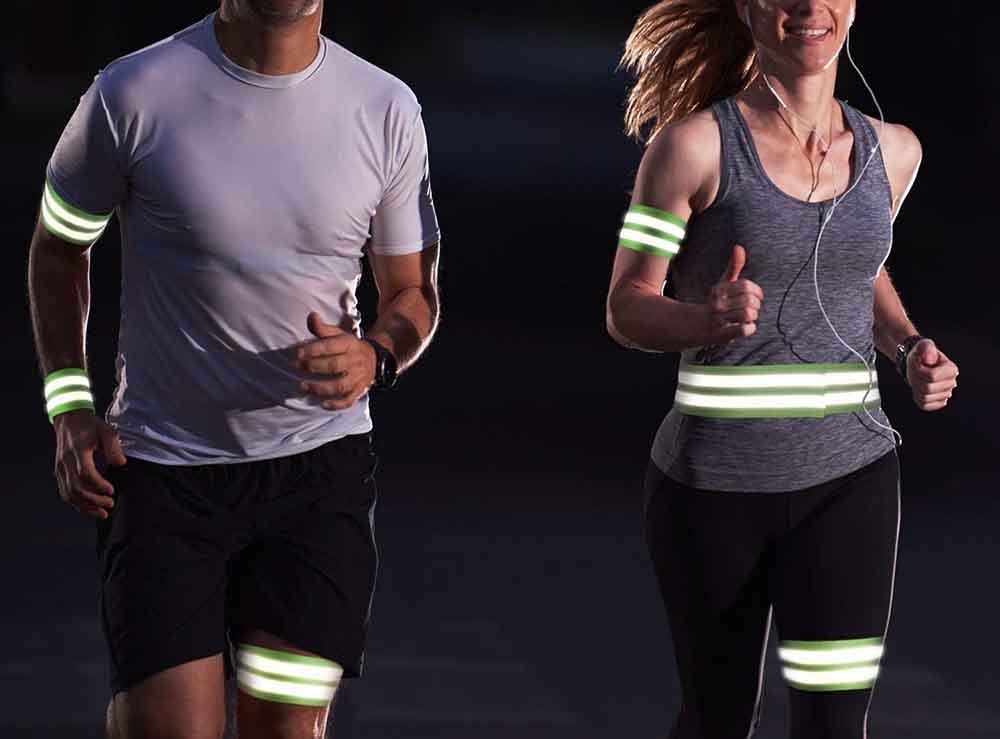
Running at dawn or dusk can feel liberating—but it also brings risks when visibility drops. Reflective straps for runners solve this by turning stray headlights into glowing beacons. Reflective straps aren’t just flashy accessories; they’re a simple, lightweight life-saving tool that attaches to ankles, wrists, shoes, or gear.
Reflective straps for runners are adjustable bands made with retroreflective materials designed to bounce light back toward its source, significantly improving a runner’s visibility in low-light conditions. Worn around the wrist, ankle, or attached to gear, they alert drivers and cyclists to your presence from up to 150 meters away. Easy to wear and water-resistant, they’re an affordable safety upgrade for every outdoor runner.
Whether you’re training for a marathon or sneaking in a sunrise jog, staying seen can mean the difference between an epic run and a dangerous near-miss. Imagine you’re rounding a corner on a country road: a pair of glowing straps on your ankles catches a driver’s eye just in time. That small moment of recognition could be everything—and that’s exactly why we’re diving deep into every aspect of reflective straps below.
Reflective straps are adjustable bands incorporating retroreflective fibers or coatings that bounce back car headlights or streetlamps, making runners more visible in low-light conditions. They can be secured around ankles, wrists, shoes, or gear, creating moving points of light that catch drivers’ attention and reduce the risk of collisions.
Reflective straps for runners emerged as a simple yet effective solution to the perennial safety challenge: how to stay seen when the sun dips below the horizon. Traditional reflective vests and jackets can be bulky, warm, or inconvenient to carry on a hot evening run. Straps strip the concept down to its essence—lightweight bands that pack small, attach easily, and work with any existing running gear.
At their core, these straps rely on retroreflection: materials engineered to return incoming light directly back to the source, rather than scattering it. This principle is most commonly achieved through microscopic glass beads or prismatic coatings embedded in the strap fabric. In practice, that means when a car’s headlights hit your strap, the light travels back toward the driver’s eyes, creating a sudden “pop” of brightness that stands out against dark surroundings.
From a runner’s viewpoint, several features matter:
Adjustability & Placement:
Material & Comfort:
Weather Resistance:
Portability & Storage:
Unlike vests that require dedicated packing space, reflective straps roll into pocket-sized loops. This portability encourages consistent use—even on midday runs when the strap can stow away until needed.
From recreational joggers to ultramarathoners tackling predawn miles, reflective straps offer a universal, low-cost safety upgrade. They blend seamlessly with everyday running kits, provide high return on investment (most cost under $15), and support a simple habit: if you’re out when it’s dark, strap up.
Reflective straps enhance safety by making runners visible from distances of 100–150 meters, thanks to retroreflective materials that send light back to its source. Worn on limbs or gear, they create dynamic points of light that catch drivers’ and cyclists’ attention, cutting reaction times in half and significantly reducing the risk of accidents.
Visibility in low-light running isn’t just about turning on a headlamp; it’s about being seen by others. Reflective straps operate on the retroreflection principle, achieving visibility improvements that passive colored or glow-in-the-dark fabrics can’t match. Here’s a closer look at the mechanics and real-world impact:
Retroreflective Science:
Detection Distance & Reaction Time:
Dynamic vs. Static Visibility:
Behavioral Psychology of Safety:
Complementary Use with Lighting:
Environmental Conditions:
By integrating these straps into a runner’s regular kit, you’re not only following best safety practices but also leveraging proven optical science. The straps’ low cost and ease of use make them an essential upgrade for any runner venturing into low-light conditions.
The most effective reflective straps employ either glass-bead or microprismatic (3M™ Scotchlite™) retroreflective materials on a durable nylon or polyester base. Glass-bead straps offer a budget-friendly option, while microprismatic variants deliver higher brightness, better washability, and longer lifespan—ideal for frequent outdoor runners.
Not all reflective straps are created equal. Material choice influences brightness, durability, comfort, and price. Let’s dissect the leading technologies:
| Technology | Brightness Rating (cd/lx/m²) | Wash Durability | Cost Level | Typical Use Case |
|---|---|---|---|---|
| Glass Bead Retro | 100–200 | 10–20 washes | $ | Casual runners, budget-minded |
| 3M™ Scotchlite™ Prism | 300–500 | 50+ washes | $$ | Frequent trainers, safety pros |
| Silicone-Embedded | 150–250 | 20–30 washes | $$ | Waterproof straps, triathlons |
| TPU Film Laminates | 200–400 | 30–40 washes | $$–$$$ | Harsh climate, industrial running |
Glass Bead Retroreflectives:
Microprismatic Films (3M™ Scotchlite™):
Silicone-Embedded Reflective Yarn:
Thermoplastic Polyurethane (TPU) Laminates:
Base Fabrics & Backings:
Attachment Methods:
When selecting a strap, consider your running frequency, washing habits, and environmental exposure. A daily commuter runner in urban settings may justify the cost of microprismatic straps, while a casual weekend jogger might opt for glass-bead straps tucked into a gym bag until needed.
Choose reflective straps by balancing adjustability, weight, and durability against your running habits. For long-distance training, select lightweight, breathable straps with silicone-embedded yarn and microprismatic reflectives. Casual runners can prioritize budget-friendly glass-bead straps. Always ensure a snug fit without restricting circulation or mobility.
Selecting the ideal reflective strap involves matching product features to your training profile. Here are the key considerations:
Running Discipline & Distance:
Environment & Weather:
Body Type & Fit:
Motion Patterns:
Accessory Integration:
Checklist for Selection:
| Feature | Importance Level | Recommended Spec |
|---|---|---|
| Reflective Tech | High | 3M™ Scotchlite™ prismatic |
| Weight | Medium | <25 g per strap |
| Wash Durability | High | 50+ machine cycles |
| Adjustability Range | Medium | 20–40 cm circumference |
| Closure Type | Low–Medium | Snap buckles or soft-loop Velcro |
| Breathability | Medium | Perforated backing or mesh panels |
| Price | Variable | $10–$25 depending on tech |
By systematically evaluating your personal running style and conditions, you can narrow down the vast market to a few strap models that balance safety, comfort, and cost. Remember: a perfect fit not only boosts visibility but also prevents chafing, snagging, and mid-run adjustments—keeping your focus on the road ahead.
Well-designed reflective straps are engineered for minimal impact on comfort and performance. Breathable backings, lightweight materials, and ergonomic closures ensure they don’t restrict motion or cause chafing. High-quality straps even enhance moisture management, making them nearly imperceptible during training.
Introducing any gear around joints or limbs raises questions about comfort and performance. Let’s critically examine how reflective straps measure up:
Ergonomics & Range of Motion:
Chafing & Skin Health:
Weight Considerations:
Moisture Management:
Thermal Effects:
Performance Metrics & User Feedback:
In sum, modern reflective straps—when chosen with attention to material and design—offer negligible trade-offs in comfort and performance. They slide seamlessly into a runner’s existing gear routine, often going unnoticed until their high-visibility safety benefits kick in.
Reflective straps come in slip-on bands, clip-on adapters, snap-buckles, and Velcro closures. Some integrate directly with shoes, belts, or backpacks. Design choices affect ease of use, security, and compatibility with other gear—so pick styles that match your routine and attachment preferences.
Beyond material science, strap attachment design dictates real-world usability. Here’s an exploration of popular options:
Slip-On Elastic Bands:
Velcro Loop Straps:
Snap-Buckle Systems:
Shoe Clip Adapters:
Integrated Gear Loops:
Modular Systems:
Design Decision Factors:
By matching attachment style to your personal preferences and running conditions, you ensure that your reflective gear enhances safety without causing frustration or distraction.
Clean reflective straps by hand-washing with mild soap, avoid fabric softeners, and air-dry away from direct heat. Store them flat or rolled loosely to prevent creasing. Inspect regularly for wear—replace straps if reflectivity drops below 70% or closures weaken.
Proper maintenance extends the life and performance of reflective straps—crucial for both safety and cost-effectiveness.
Cleaning Guidelines:
Storage Best Practices:
Inspection & Replacement Criteria:
Repair Tips:
Seasonal Rotation:
By embedding these simple care steps into your running routine, you’ll preserve strap brightness, ensure secure fit, and maximize safety over their usable lifespan—often extending well beyond two years for premium microprismatic models.
At Szoneier, we specialize in OEM/ODM webbing solutions—including high-visibility reflective straps tailored to your brand’s colors, logo, and performance specs. With 18+ years of R&D and manufacturing expertise, we offer:
Whether you’re outfitting a running club, launching a fitness apparel line, or enhancing your next race expo, Szoneier is your one-stop partner. Contact us today to discuss your reflective strap needs and receive a free design consultation!


No worries, please contact us and we will answer all the questions you have during the whole process of webbing customization.
If you have your own artwork, logo design files, or just an idea,please provide details about your project requirements, including preferred fabric, color, and customization options,we’re excited to assist you in bringing your bespoke bag designs to life through our sample production process.

Copyright ©2021 Szoneier , All rights reserved.
Looking for premium custom webbing? Contact us now for competitive pricing, free samples, and expert consultation. Fill out the form below, and our team will get back to you within 24 hours!
 Optimized by Seraphinite Accelerator