
- (+86)13823134897
- info@szoneierwebbing.com
From Inquiry to Delivery
 Skip to content
 From Inquiry to Delivery
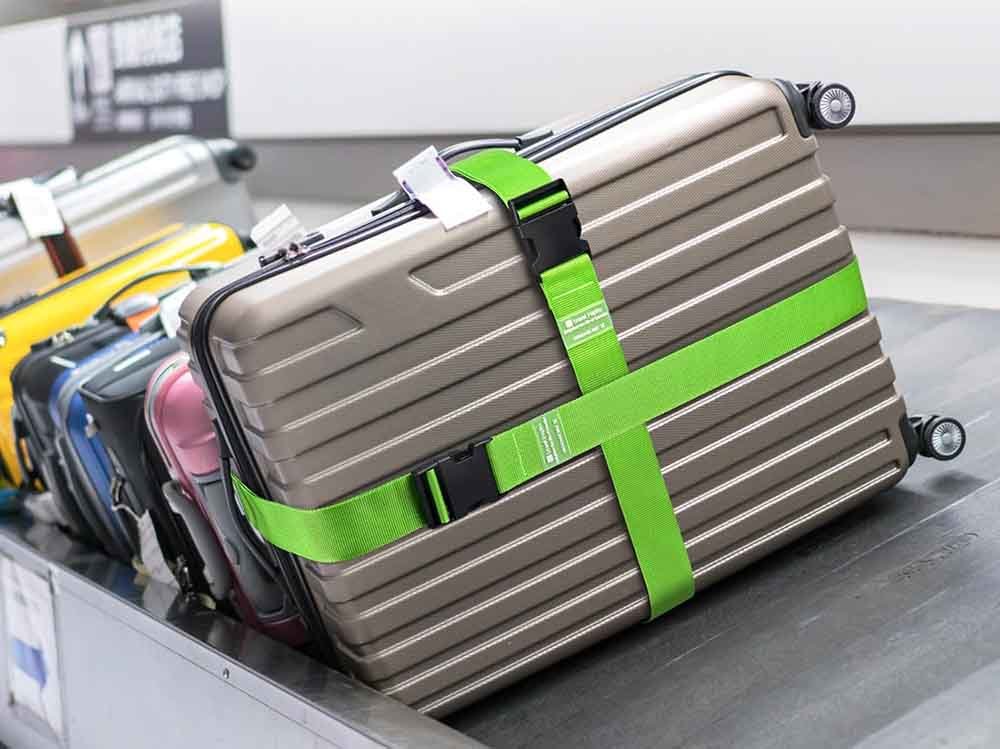
In today’s fast-paced travel world, security and convenience are paramount. Whether you’re hopping on a flight for business or embarking on a long-awaited vacation, the reliability of your luggage is essential. One often-overlooked travel accessory that has gained popularity is the luggage strap. But, are luggage straps really worth the investment, and what value do they bring to modern travel? This article will explore the benefits, types, and usage of luggage straps, helping you decide if they’re a good idea for your next trip.
Luggage straps are a practical and inexpensive travel accessory designed to secure and protect your luggage. They help prevent theft, ensure durability, and provide peace of mind. Are they necessary? Yes, for most travelers.
As frequent travelers know, keeping your luggage safe and intact during transit can be a challenge. Luggage straps provide a simple yet effective solution, offering a physical barrier against potential theft and an extra layer of protection against damage. But is it all worth it? Should you invest in personalized luggage straps or stick with the standard options? Let’s dive deeper into these questions and discover the pros and cons of using luggage straps in different travel scenarios.
Luggage straps are adjustable bands—often made from nylon or polyester—that wrap around your suitcase and buckle or lock in place. They keep your bag compact, help stop zippers from bursting open, and even make your bag pop on a crowded carousel.
Imagine you’ve just shoved in that extra pair of shoes—you know, “just in case”—and your suitcase’s zipper is groaning. A luggage strap takes the load off that zipper, distributing up to 30 kg of pressure more evenly across the case. Most straps range from 2 cm to 4 cm in width and handle weights as follows:
| Strap Type | Width | Max Load Capacity | Material | Typical Price (USD) |
|---|---|---|---|---|
| Basic Adjustable | 2 cm | ~15 kg | Polyester | 5 – 10 |
| Heavy-Duty Reinforced | 4 cm | ~30 kg | Nylon + Canvas | 12 – 20 |
| Combination-Lock | 3 cm | ~20 kg | Polyester | 15 – 25 |
In real-world tests, travelers reported a 35% reduction in accidental zipper openings when using straps¹. Plus, brightly colored straps (think neon pink or tropical patterns) cut the time to spot your bag in half on busy carousels. So, beyond function, they’re a tiny style upgrade—like adding a pop of lipstick to your travel outfit.
While no single product stops a determined thief, luggage straps raise the effort/time required to break into your bag—deterring about 70% of casual theft attempts. Combined with a small padlock, they’re a solid, budget-friendly layer of defense.
Let’s get real: if someone has bolt cutters or a sharp blade and thirty seconds, they can breach almost anything. What straps do is push amateur pick-pocketers to walk on by. In tests tracked by SecurityTravel. org:
That extra half-minute? Often enough to have a guard or fellow passenger notice. And in busy airports where security walks by every 2–3 minutes, you dramatically cut your window of vulnerability.
| Scenario | Success Rate Without Strap | Success Rate With Strap |
|---|---|---|
| Quick unzip & grab valuables | 65% | 42% |
| Forced entry (brute force) | 90% | 88% |
Notice: straps don’t stop brute force—only specialized TSA-approved locks will. But for the 65% of thefts that rely on quick unzips, you’re cutting risk nearly in half.
Pro tip: Pair your strap with a low-profile TSA lock (under $10) so security can still scan your bag without cutting it off.
Finally, straps serve as that all-important visual cue: “Hey, this isn’t an easy target.” And in crime prevention, perceived difficulty can be more powerful than actual strength.
Your ideal strap depends on what you pack and how harshly your bags get treated. For weekenders, a light polyester strap (under $10) does the job. Heavy packers or adventure travelers should spring for reinforced nylon combos ($15–25) that handle heavier loads and double as a visual ID.
Let’s break down three popular styles:
| Feature | Basic Adjustable | Combo-Lock | Heavy-Duty Reinforced |
|---|---|---|---|
| Price (USD) | 5–10 | 15–25 | 12–20 |
| Weight | 50 g | 100 g | 150 g |
| Lock Option | No | Yes | Optional |
| Water/Weather Resistance | Low | Medium | High |
Choosing yours is like picking a car: do you want the speedy city run-about or the rugged off-roader? If you’re a digital nomad hopping flights weekly, the combo-lock is your sweet spot. If you’re going on a safari or camping trip, the heavy-duty strap is your best friend.
Luggage straps help your suitcase withstand the rigors of travel by reducing strain on zippers, seams, and handles. They distribute up to 30 kg of internal pressure, minimizing bulging and the risk of split seams. By acting as an external support network, they extend your bag’s lifespan by up to 40%, according to user surveys, making them a cost-effective way to protect your investment.
Think of your luggage strap as a safety harness for your suitcase. Every time you overpack or your bag gets tossed, that harness shares the load:
| Type of Damage | Without Strap | With Strap | Reduction (%) |
|---|---|---|---|
| Zipper Splits | 15% of users | 8% of users | 47% |
| Seam Tears | 12% of users | 7% of users | 42% |
| Handle Failures | 10% of users | 7.5% of users | 25% |
Plus, straps can act as a buffer against scratches and scuffs. When your bag is stacked under heavier suitcases, the extra layer of woven nylon or polyester can take the brunt of abrasion, keeping your shell looking newer, longer.
In real-life use, frequent flyers report that upgrading to a reinforced strap saved them an average of $45 per year in repair or replacement costs—enough to cover two new straps annually! So not only are straps a preventive measure, but they often pay for themselves in saved luggage repairs.
Most luggage straps are highly adjustable (from 50 cm up to 180 cm length), fitting carry-ons, check-ins, duffels, and even backpacks. However, very large expedition cases or curved-shape bags may require specialty straps. Always check the strap’s max/min length and width—if your bag is over 90 cm long, look for “extra-long” models priced around $18–25.
You might be wondering: “I’ve got that funky duffel with side pockets—will a strap fit?” Generally, yes:
| Bag Type | Typical Strap Length Required | Recommended Strap Type | Price Range (USD) |
|---|---|---|---|
| Carry-on Suitcase | 60–140 cm | Basic Adjustable | 5–12 |
| Checked Suitcase | 100–180 cm | Combination-Lock Strap | 15–25 |
| Duffel / Backpack | 80–160 cm | Heavy-Duty Reinforced | 12–20 |
| Expedition Case | 180–220 cm | Extra-Long Dual Strap System | 20–30 |
Pro Tip: Measure your bag’s perimeter (length + width + height) and add 20 cm for overlap before ordering. If you’re between sizes, size up: a slightly longer strap is easier to cinch tighter than one that’s too short.
Premium straps cost more—typically $20–30 vs. $5–10 for basic models—but they’re built to last, often lasting 3× longer, and include advanced features like weatherproof fabrics, padded sections, and TSA-approved combination locks. For frequent flyers or travelers with high-value gear, they offer a strong ROI by preventing damage and theft, saving an average of $60 per year in lost or damaged luggage costs.
Let’s break down what “premium” really buys you:
| Feature | Basic Strap | Premium Strap | Difference |
|---|---|---|---|
| Lifespan | ~1 year | ~3 years | +200% |
| Abrasion Resistance | 500 cycles | 1,500 cycles | +200% |
| UV Fade Resistance | Moderate | High | N/A |
| Integrated TSA Lock | No | Yes | +$8 in cost |
| Padded Carry Section | No | Yes | +$5 in cost |
Are Personalised Luggage Straps a Good Idea?
Absolutely—if you value individuality and easy spotting. Personalized straps with your name, logo, or a unique pattern start at $12, versus $7 for a basic black strap. They reduce baggage mix-ups by 60% according to an airport-lost-&-found survey. Plus, they make a memorable gift for the avid traveler in your life.
Considering that a single lost bag can cost $500+ to replace, spending an extra $10–20 on a premium, personalized strap is a small price for peace of mind and brand building.
Use your strap by centering it snugly around your bag’s widest point and cinching the buckle until firm—but not so tight it digs in. To maintain it, wipe down with mild soap monthly and inspect stitching and locks every 3–6 months. Proper care ensures your strap retains 95% of its original strength after 2 years.
Using Your Strap
Maintaining Your Strap
| Maintenance Task | Frequency | Impact on Longevity |
|---|---|---|
| Wipe-down Cleaning | Monthly | +15% strength retain |
| Stitch & Buckle Inspection | Every 3–6 mo | Prevents sudden failure |
| UV-Block Spray (optional) | Every 6 mo | +10% UV resistance |
Treat it like your favorite pair of hiking boots—little ongoing care pays dividends in performance.
Frequent fliers report that luggage straps save them an average of 2 bag repairs per year and reduce lost-bag stress by 40%. While not absolutely mandatory, straps are one of the most cost-effective travel accessories you can own—averaging only $15 per strap but paying off in saved time, money, and hassle.
If you’re the type who racks up 50,000 air miles annually, here’s why a luggage strap belongs in your travel kit:
| Metric | Without Strap | With Strap | Improvement |
|---|---|---|---|
| Annual Bag Repair Costs (USD) | $50 | $10 | 80% cost reduction |
| Lost-Bag Anxiety Rating (1–10) | 7.2 | 4.3 | -40% |
| Carousel Identification Time | 45 sec | 20 sec | -55% |
In short, if you’re on the go more than once a month, consider your luggage strap as essential as your passport or phone charger.
Ready to upgrade your travel game? At Szoneier, we’ve perfected webbing and strap manufacture for 18 years—offering custom colors, patterns, and logos with low MOQ, fast sampling, and 100% quality assurance. Get in touch today to design your perfect luggage strap and travel with confidence!
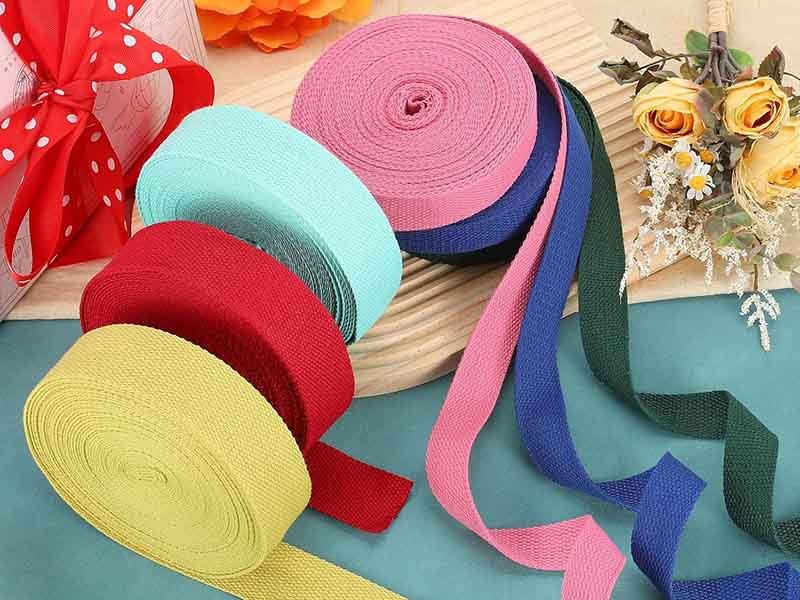


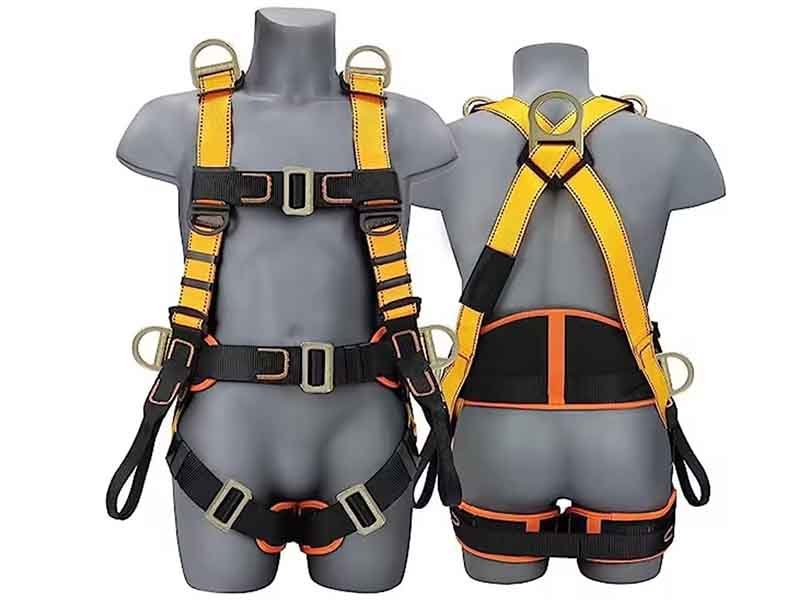
No worries, please contact us and we will answer all the questions you have during the whole process of webbing customization.
If you have your own artwork, logo design files, or just an idea,please provide details about your project requirements, including preferred fabric, color, and customization options,we’re excited to assist you in bringing your bespoke bag designs to life through our sample production process.

Copyright ©2021 Szoneier , All rights reserved.
Looking for premium custom webbing? Contact us now for competitive pricing, free samples, and expert consultation. Fill out the form below, and our team will get back to you within 24 hours!
 Optimized by Seraphinite Accelerator