
- (+86)13823134897
- info@szoneierwebbing.com
From Inquiry to Delivery
 Skip to content
 From Inquiry to Delivery
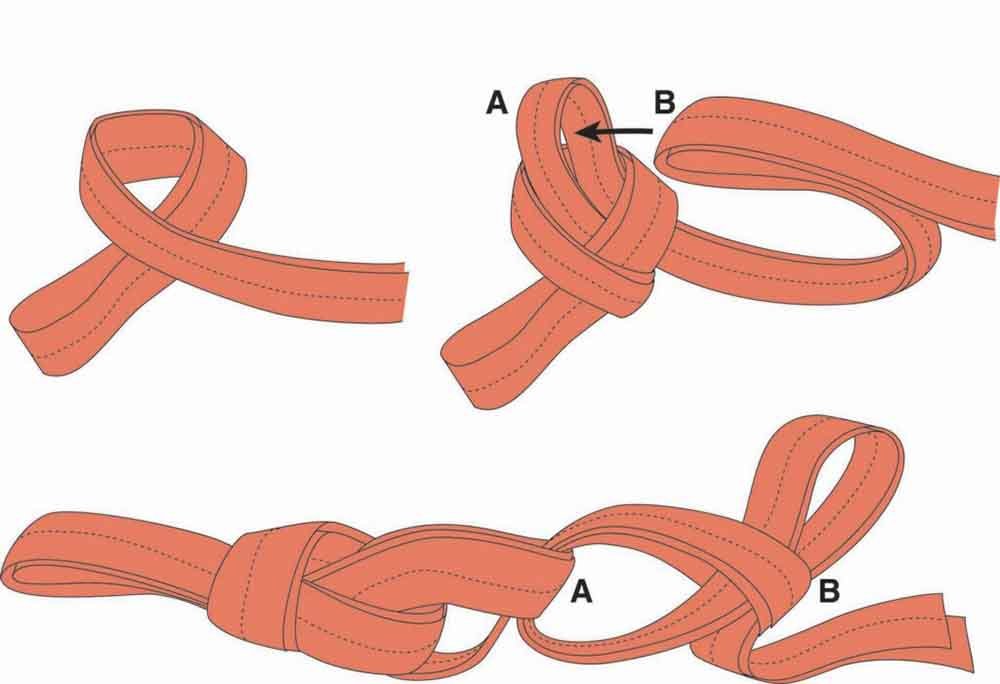
When it comes to industrial-grade webbing—whether nylon, polyester, PP, or cotton—how you store long lengths can make or break performance, safety, and lifespan. Picture this: a roll of custom-printed patterned webbing sitting in a humid corner, slowly succumbing to mildew; or UV rays bleaching bright colors to dull pastels. It’s more than frustration—it’s potential liability.
To store long lengths of webbing effectively, first clean and fully dry each roll, then keep it in a cool, dark, and low-humidity environment. Use proper rolling techniques, labeled packaging, and specialized racks. Inspect regularly and follow safety guidelines when handling.
Beyond that quick fix, every step—from preparation to inspection—matters. We’ll dive into the common storage risks like mold growth and UV degradation, break down the ideal climate conditions with specific temperature and humidity ranges, and even show you how to roll your webbing to save space and avoid creases. Real-life cases, data tables, and pro tips from Szoneier’s 18+ years in webbing R&D will guide you through. Ready to protect your investment and keep safety front and center? Let’s unravel the secrets of superior webbing storage—and stick around for a surprising story about a maritime client whose entire shipment was saved thanks to proper storage protocols.
Improper storage of long webbing rolls leads to mold, mildew, UV fading, cuts, contamination, and deformation. These risks shorten lifespan, compromise strength, and create safety hazards.
When webbing isn’t stored properly, you’re left wrestling with a cascade of avoidable problems. First, moisture invites mold and mildew. Once fungal colonies take hold, they eat away at fiber integrity, reducing tensile strength by up to 30% in some cases. Second, ultraviolet (UV) exposure—common in sunlit warehouses—degrades polymer chains in nylon and polyester, causing discoloration and brittleness over time. Third, physical damage like abrasion, nicks, or crush creases occurs when rolls are stacked improperly or pressed under heavy objects. Worst of all, chemical contamination from nearby solvents, oils, or even dust can react with webbing materials, leading to unpredictable performance failures.
Beyond the material science, there’s a ripple effect on operations. Imagine quality-control teams rejecting entire rolls, inspectors flagging unsafe gear, or clients demanding costly replacements. Insurance claims may skyrocket if a harness or sling fails on the job. By understanding these risks, you not only preserve product quality but also mitigate legal liabilities and protect your brand’s reputation.
It’s critical to recognize that risk factors often combine. For example, high humidity and poor ventilation create the perfect petri dish for mold; add leftover lubricant drips on adjacent machinery, and you’ve got localized chemical hotspots that corrode fibers. A warehouse audit should flag each risk zone, then institute controls: dehumidifiers, UV-blocking films on windows, designated “clean” storage aisles, and padded shelves.
Finally, take a page from one of our clients: a climbing-gear outfit stored rolls of polyester webbing near a loading dock without climate controls. After only six months, tensile tests showed a 25% strength drop, and they nearly missed a major order deadline. Their fix? Partner with Szoneier to implement our recommended storage protocols—and they haven’t lost a roll since.
Before storage, inspect each roll for damage, clean debris with mild detergent, rinse thoroughly, and air-dry completely. Use anti-corrosion and insect-repellent treatments as needed.
Preparation is the first line of defense for long-length webbing. Proper cleaning, drying, and inspection ensure that no hidden flaws sabotage your storage plan. Start by unrolling each length in a clean, well-lit area. Visually and manually inspect for cuts, frays, or chemical stains. Any compromised section should be repaired or discarded; patching small abrasions with heat-sealed fabric can extend roll life, but extensive damage warrants replacement.
Next, cleaning: dust and grit are abrasive, so use a soft brush to remove surface particles. For stubborn grime—say from outdoor use or factory floors—a mild, pH-neutral detergent mixed in lukewarm water works best. Gently agitate the webbing in a basin, then rinse with clean water until suds dissipate. Never use bleach or strong solvents; these weaken fibers and void any manufacturer warranty.
Once clean, drying is key: hang lengths in a shaded airflow zone until fully dry. Residual moisture invites mold and can freeze in cold climates, causing fiber rupture. Aim for less than 5% residual moisture content; a quick moisture meter check helps. For high-volume operations, consider electric drying racks with humidity control to speed up the process without overheating.
Preventive treatments are optional but recommended in special scenarios. Tropical or coastal climates invite salt corrosion and insect infestation; a light spray of approved anti-corrosive agent or insect repellent provides extra insurance. Ensure any treatment is compatible with your webbing material—test on a small sample first.
Finally, labeling. Clearly mark each roll with fiber type, width, batch number, and storage date. Use weather-resistant tags or sleeves. Accurate labeling makes rotation easy and prevents quality-control confusion down the line.
Store webbing in environments with 15–25 °C (59–77 °F), 40–60% relative humidity, minimal light exposure, and good ventilation. Avoid direct sunlight, damp corners, and chemical proximity.
Your storage environment is as crucial as the webbing itself. Optimal conditions inhibit microbial growth, UV damage, and mechanical stress. Here’s a breakdown of the ideal ranges:
| Parameter | Recommended Range | Notes |
|---|---|---|
| Temperature | 15 °C–25 °C (59 °F–77 °F) | Avoid >30 °C (86 °F) |
| Relative Humidity (RH) | 40%–60% | Use dehumidifiers if >65% |
| Light Exposure | <50 Lux | No direct sunlight |
| Ventilation | ≥6 air changes per hour (ACH) | Prevents stagnant, damp pockets |
Temperatures above 30 °C accelerate polymer chain breakdown, especially in polypropylene. Humidity beyond 65% RH fosters mold and mildew. If your warehouse trends too damp, a commercial dehumidifier or HVAC system with humidity controls is vital. For facilities with temperature swings (e.g., near loading docks), consider a climate-controlled “core” storage room.
Light exposure is often overlooked. Fluorescent and LED fixtures emit minimal UV, but skylights and windows can flood areas with harmful rays. Install UV-blocking window films or curtains. For open-air facilities, store webbing in opaque bins or behind blackout screens.
Ventilation keeps air moving and moisture low. In still air, condensation collects on cold metal shelves, dripping onto rolls. An air-exchange fan system that replaces interior air every 10–15 minutes can dramatically lower mold risk. We’ve seen clients slash humidity-related rejections by 70% simply by upgrading their ventilation.
Finally, chemical storage separation. Store solvents, acids, and fuel-powered machinery at least 1 m away from webbing racks. Even trace off-gassing can weaken fibers. If a multi-use warehouse is unavoidable, use sealed cabinets or pallet enclosures for webbing.
Choosing the right rolling method—flat roll, core spool, or accordion fold—affects space usage, ease of deployment, and damage prevention. Combine with labeled shrink-wrap or dust covers for best results.
Efficient packaging and rolling conserve valuable warehouse space and protect webbing integrity. The three primary methods are:
| Method | Pros | Cons |
|---|---|---|
| Flat Roll | Simple, minimal creasing | Can telescope; edge damage if unprotected |
| Core Spool | Neat, stackable, easy dispensing | Requires spools; higher material cost |
| Accordion Fold | Compact, no core required, quick deploy | Potential sharp crease points, harder to label |
Flat Roll: This classic technique works for low-volume operations. Lay one edge on the floor and roll smoothly, keeping tension even. Secure with reusable Velcro or elastic bands. Add a cardboard core tube if you want to avoid “telescope” unrolling. When stacked, place edge guards to prevent crush damage.
Core Spool: Ideal for high-throughput. Webbing winds onto industrial-grade plastic or metal spools, which then slot into custom floor racks. This method enables single-handed dispensing without disturbance to adjacent rolls. The trade-off? You need to purchase or rent spools, and inventory management must track spool counts.
Accordion Fold: Less common but excellent for very long lengths. Webbing is folded back and forth in equal segments, then bound in the middle. It fits in shallow bins and avoids bulky rolls. The downside: each fold point can become a stress concentration, so only use for lighter-duty applications.
Beyond rolling, protective packaging matters. Shrink-wrap provides dust and moisture barriers but can trap condensation—so perforated film or breathable covers are often better. Dust jackets made from water-resistant textile and clear sleeve labels keep critical information visible. For patterned or branded webbing, clear packaging also showcases your custom design to inspectors at a glance.
Implement a color-coded band system: for instance, red for <1” width, green for 1”–2”, blue for >2”. Combine with barcode or QR labels that integrate into your inventory management system. When it’s time to pick, staff can scan and pull the correct roll without disturbing others, maintaining both speed and order.
Specialized storage racks—floor stands, wall-mounted reels, and mobile trolleys—enhance accessibility and protect webbing. Accessories like edge guards, slip rings, and label holders add extra efficiency.
Storing long webbing rolls on standard shelves often leads to mishandling and damage. Enter purpose-built storage solutions that combine ergonomics with material protection.
For clients with unique spatial constraints, Szoneier offers custom fabrications: angled racks for ceiling clearance, multi-tier shelving with integrated dispensing arms, or even automated carousel systems that bring rolls to operators on demand. These investments pay for themselves when you calculate the labor time saved fetching and repacking rolls, and the reduced rate of damaged goods.
Use silica gel, desiccant packets, UV-blocking covers, sealed containers, and regular pest-control treatments. Maintain 40–60% RH and inspect for insect activity every quarter.
Moisture, UV radiation, and pests represent stealthy threats to stored webbing. Tackling each threat requires both proactive barriers and ongoing monitoring.
Case Study: A coastal logistics center storing PP webbing found localized mold outbreaks in Q2 due to monsoon-season humidity spikes. After adding dehumidifiers, IPM services, and switching to UV-blocking covers, their rejection rate dropped from 12% to 1.5% within six months—saving tens of thousands in rework costs.
By layering controls—physical barriers, chemical aids, and active monitoring—you create a storage fortress. But remember: controls only work if maintained. Schedule replacement of desiccants, clean container seals, and recalibrate sensors to ensure continued protection.
Inspect stored webbing every quarter: check for damage, moisture, pests, and label accuracy. Perform tensile tests on representative samples annually to ensure strength standards.
Routine inspections catch problems before they escalate. Here’s a sample maintenance schedule:
| Task | Frequency | Responsible Team |
|---|---|---|
| Visual & Manual Damage Check | Quarterly | Warehouse Staff |
| Moisture & RH Sensor Audit | Monthly | Facilities |
| Pest Inspection & Trap Check | Quarterly | IPM Contractor |
| Desiccant Replacement | Quarterly | Warehouse Staff |
| UV-Film & Cover Integrity Check | Semi-Annual | Maintenance Crew |
| Tensile Strength Sampling | Annual | QA Laboratory |
Quarterly Visual Checks: Staff should walk each aisle, unwrapping a portion of each roll to look for fraying, discoloration, or bio-growth. Check labels—missing or illegible tags can derail FIFO (First-In, First-Out) rotation.
Monthly Sensor Audits: Confirm that humidity and temperature sensors are accurate. Clean dust from sensor vents, replace batteries, and verify data logs.
Annual Tensile Tests: Even without visible damage, polymer webs naturally age. Pull samples from older batches and conduct tensile tests in compliance with ISO 10333 or ASTM D4433 standards. If results fall below spec (typically 90–95% of new strength), accelerate usage or replace stock.
When issues arise—say, a batch shows 15% strength loss—flag it immediately. Segregate that inventory and decide if it can be used for lower-load applications or must be scrapped. Document every finding in your inventory management system to track trends over time and refine storage protocols.
Use gloves and safety glasses, secure rolls on stable racks, avoid overhead lifting without assistance, and follow lockout/tagout for mechanical dispensers. Train staff annually.
Safety isn’t an afterthought—every interaction with stored webbing carries risk:
Real Scenario: A distribution center operator ignored a loose core on a high-mounted reel. When the webbing snagged, the entire roll whipped down and injured a worker’s arm. Post-incident analysis revealed lack of proper guard installation and training gaps. Implementation of mandatory PPE, load checks, and quarterly safety drills eliminated such incidents for over two years.
Proper storage of long lengths of webbing isn’t just about neatness—it’s about preserving tensile strength, ensuring user safety, and protecting your bottom line. From initial cleaning to climate-controlled environments, efficient rolling methods, specialized racks, and rigorous maintenance schedules, each step contributes to a reliable, high-quality product.
Ready to optimize your webbing storage system? Contact Szoneier today for customized racks, specialized packaging solutions, and expert consultation. Let our 18+ years of experience help you design a storage plan that saves space, cuts costs, and keeps your webbing performing at its best. Get in touch at info@szoneierwebbing.com or visit www.szoneierwebbing.com to request a quote and bespoke service.


No worries, please contact us and we will answer all the questions you have during the whole process of webbing customization.
If you have your own artwork, logo design files, or just an idea,please provide details about your project requirements, including preferred fabric, color, and customization options,we’re excited to assist you in bringing your bespoke bag designs to life through our sample production process.

Copyright ©2021 Szoneier , All rights reserved.
Looking for premium custom webbing? Contact us now for competitive pricing, free samples, and expert consultation. Fill out the form below, and our team will get back to you within 24 hours!
 Optimized by Seraphinite Accelerator