
- (+86)13823134897
- info@szoneierwebbing.com
From Inquiry to Delivery
 Skip to content
 From Inquiry to Delivery
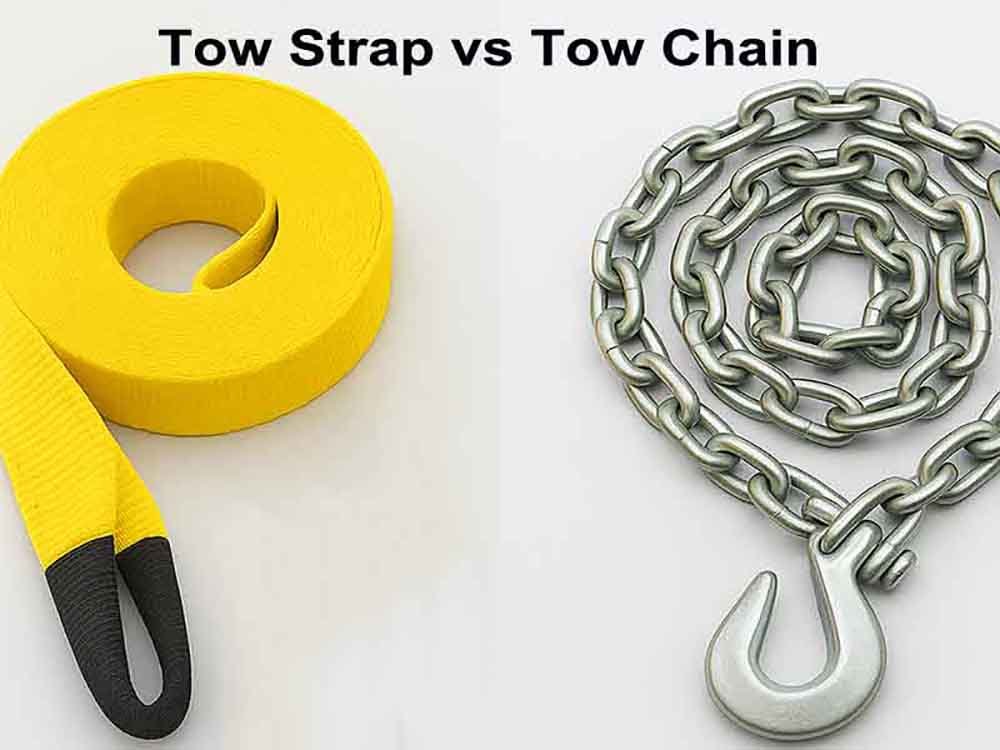
Towing a stalled vehicle or securing heavy equipment demands the right gear—choose wrong, and you risk equipment damage, injury, or worse. Many drivers and operators face the classic debate: tow strap vs. tow chain. On one hand, straps are lightweight and flexible; on the other, chains offer rugged durability and heat resistance. Which performs best under shock loads? Which one lasts longer? And which is safest when the unexpected happens?
A tow strap is made from high–tensile synthetic fibers, offering excellent shock absorption and lightweight handling, whereas a tow chain is crafted from hardened steel links for superior heat resistance and rugged durability. Tow straps suit dynamic loads and off–road recoveries, while chains excel in heavy industrial applications where abrasion and high temperature are concerns.
Beyond the technical specs lies stories of real rescues and recoveries—like the off–road enthusiast who trusted a strap to pull a flipped ATV free in desert sand, or the construction crew that relied on chains to haul a loaded skid steer across muddy terrain. Ready to dive into the details? Let’s explore how material, strength, cost, and safety stack up so you can pick the perfect towing partner.
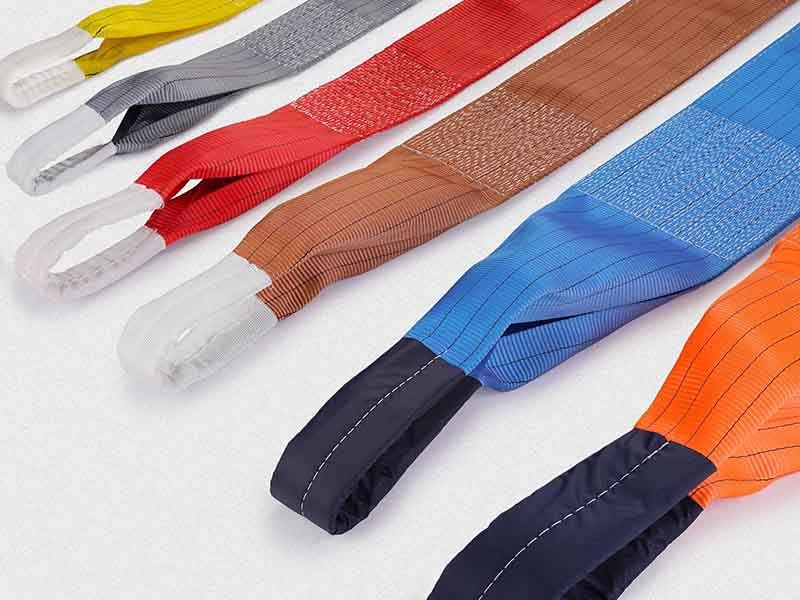
A tow strap is a high–strength, woven synthetic belt—typically made from polyester or nylon—that stretches under load to absorb shock and protect both vehicles. A tow chain is constructed from heat–treated alloy or carbon steel links, offering minimal stretch and extreme durability, especially in harsh or high-temperature environments.
When you pull a vehicle, sudden jolts generate peak forces far above the static weight. Synthetic tow straps—which come in common working load limits (WLL) of 5,000–30,000 lbs—absorb some of that impact because their fibers stretch up to 20%. This elasticity not only smooths the pull—reducing stress on hitch points and frame mounts—but also dampens the “snatch” effect when freeing a stuck vehicle. Polyester is especially popular because it resists UV, moisture, and mildew better than nylon, though nylon offers slightly higher elasticity.
By contrast, tow chains—often rated from 8,000 to 50,000 lbs WLL—use grade 70, 80, or 100 steel links. Unlike synthetic straps, chains stretch minimally (around 5%), so nearly all force transfers directly to the load. This can be advantageous when you need precise, non–stretch pulls—think heavy machinery like excavators or forklifts. Moreover, steel handles abrasion, sharp edges, and high heat better than fibers, making chains suitable for industrial yards, construction, or logging operations where metal surfaces scrape against the chain.
Key Differences in Composition:
Real-world applications highlight these contrasts. A 4×4 off–roader might pick a 4–inch wide polyester strap (WLL 30,000 lbs) for sandy dunes and muddy trails. Its ability to snatch a bogged rig gently can mean the difference between recovery and bent frame rails. A towing company hauling compact cars on flatbeds might choose chains to secure the vehicles, resisting abrasion from asphalt edges and high friction when securing wheel straps.
That said, proper use and inspection matter for both. Straps must be checked for fraying, burns, or UV degradation; chains for cracked or rusted links. End fittings—like reinforced loops or clevis hooks—must match the rated capacity. Understanding these materials and constructions ensures you match the right towing tool to your specific job.
Tow straps are woven from synthetic fibers—mainly polyester or nylon—with sewn looped ends and protective sleeves. Tow chains consist of welded steel links, heat–treated to specific hardness, joined to hooks or clevis attachments. The fiber weave and chain grade determine elasticity, wear resistance, and temperature tolerance.
The heart of a tow strap lies in its fiber composition and weaving technique. Heavy–duty straps use 1,200–1,600 denier polyester yarns woven in tight, load–sharing patterns. These high–tenacity fibers resist UV light, moisture, and chemical exposure. Sealed or heat–cut ends prevent unravelling, while double–stitched reinforced loops handle repeated loading cycles. Many heavy–duty straps also include abrasion–resistant sleeves—neoprene or thick webbing—that slide over contact points to minimize wear when wrapped around bumpers, frames, or tree trunks.
Manufacturers often rate straps with three key metrics:
Tow chains, on the other hand, hinge on metallurgy and heat treatment. Grade 70 chains—commonly used in transport—undergo carburizing to achieve a tensile strength of 100,000 psi. Grade 80 (125,000 psi) and Grade 100 (150,000 psi) chains receive additional quenching and tempering to balance hardness and ductility. Each link must meet dimensional and tensile specs; even minor variations can compromise integrity. End attachments like grab hooks, slip hooks, or clevis connectors are rated to match chain grade, ensuring the weakest component still exceeds the chain’s WLL.
Comparative Table: Material & Construction
| Property | Tow Strap (Polyester) | Tow Chain (Grade 70) |
|---|---|---|
| Tensile Strength | 6,000–60,000 lbs | 23,000–55,000 lbs per link |
| Working Load Limit | 2,000–20,000 lbs | 8,000–24,000 lbs |
| Stretch Under Load | 10–20% | ~5% |
| Weight (10 ft length) | 1–4 lbs | 10–15 lbs |
| Abrasion Resistance | Moderate with sleeve | Excellent |
| UV/Moisture Resistance | High | Corrosion possible if uncoated |
| Temperature Tolerance | –40°F to 185°F | –60°F to 800°F |
From this table, it’s clear that straps excel in lightweight handling and environmental resistance, while chains dominate harsh abrasion and extreme temperatures. However, straps often require protective sleeves in high–abrasion settings; chains need corrosion prevention (galvanizing or powder-coating) in wet or salty environments.
Whether you choose straps or chains, standards compliance is critical. Look for certifications like CE EN 12195-2 for rated straps and ASME B29.24 or ASTM A952 for chains. These ensure third-party testing and traceable material origins—vital for industrial or commercial usage where liability and insurance requirements come into play.
Tow chains typically offer higher ultimate strength per foot—up to 50,000 lbs link breaking strength—while straps range up to 60,000 lbs breaking strength but rely on safety factors to yield a lower working load limit. Chains have more consistent strength under static loads; straps absorb dynamic forces better despite slightly lower WLL.
Strength metrics can be confusing without context. Manufacturers specify breaking strength (BS) and working load limit (WLL). The BS is the force at which the chain link snaps or the strap ruptures; the WLL is BS divided by a safety factor (usually 3:1 for straps, 4:1 for chains). For example, a 30,000-lb polyester strap often has a BS of 60,000 lbs but a WLL of 20,000 lbs. A Grade 80 chain labeled WLL 16,000 lbs may have a BS of 64,000 lbs.
Dynamic vs. Static Loads
Unlike static BS tests, real‐world towing introduces dynamic forces—surges, snatches, and jerks—that can spike loads well above the vehicle’s weight. Synthetic straps’ elasticity absorbs up to 20% stretch, smoothing these peaks. Chains, with minimal stretch, transfer almost all force directly. That means while a chain may have a higher nominal BS, its dynamic shock can more easily exceed the BS if not matched to the task.
Cycle Fatigue
Repeated loading affects metals and fibers differently. Steel chains can develop micro‐cracks over time under cyclic loading—especially if overloaded or used in acidic/abrasive environments. Synthetic straps may lose strength due to UV exposure, chemical contact, or fiber abrasion. Routine inspections—and replacing after a set number of uses or years—are crucial. Many operators retire straps after 2–3 years of heavy use, whereas chains can last 5–10 years if well maintained.
Real-World Comparison
A construction contractor compared 20 ft of 2-inch polyester strap (WLL 10,000 lbs) versus a Grade 70 chain of equivalent WLL. Under load, the strap stretched ~14%, absorbing energy and reducing shock to the forklift hitch by 40%, resulting in fewer bent hitch pins over a season. However, on abrasive aggregate surfaces, the chain outlasted the strap by 3× before showing significant wear.
Key Takeaways:
Ultimately, match strength ratings to your specific towing scenario. For intermittent vehicle recoveries with lots of snatch work, a high-quality strap may outlast a chain by protecting equipment. For repetitive, heavy industrial pulls, chains often provide more predictable strength and service life.
Yes—synthetic tow straps can stretch 10–20% under load, absorbing shock and smoothing impact forces, whereas steel chains stretch only ~5%, transferring most energy directly to the load and anchor points.
Shock absorption is vital when recovering a bogged vehicle. Imagine a winch line snapping under sudden load; the recoil can injure bystanders and damage equipment. Synthetic straps—especially nylon with its higher elasticity—act like giant bungee cords. Polyester, while less stretchy than nylon, still provides 10–15% elongation, enough to dampen most snatch recoveries.
Mechanics of Elasticity
When a strap elongates, it stores energy like a spring. During the pull, the strap’s fibers gradually stretch, then rebound, reducing peak forces. This means less strain on tow hooks, bumpers, frames, and recovery points. A 20,000-lb WLL strap that stretches 15% under load can absorb up to 3,000 lbs of shock force, whereas a chain of the same WLL would absorb only around 750 lbs (5% stretch) before transmitting full load.
Safety Implications
Lower peak forces translate to fewer broken mounts and less risk of sudden part failures. In off-road scenarios—rock crawling, mud bogging—equipment often lacks heavy-duty recovery points. Straps protect lighter recovery points from tearing out under jerks. However, avoid overextending straps beyond rated elongation to prevent overheating fibers and potential failure.
Chain Behavior Under Shock
Chains behave plastically when overloaded. Past their elastic limit, they may permanently deform, link by link, losing rated strength. They do not “snap back” like a strap; instead, bent or twisted links must be replaced. This predictable, rigid behavior suits applications needing precise positioning—like pulling heavy machinery onto flatbeds—where shock absorption is less critical.
Case Study
An ATV rental service compared recoveries using a 2-inch nylon strap versus a Grade 80 chain. Over 150 recoveries on rocky trails, the strap reduced damage to vehicle frames by 60%, while the chain led to three bent recovery hooks requiring welding repairs. Conversely, the chain showed virtually no wear, whereas the strap needed replacement after 100 uses due to fiber abrasion.
Recommendations:
By understanding these mechanical differences, you can allocate the right tool for each phase of towing—enhancing safety, preserving equipment, and improving success rates.
Chains outperform straps in high-heat, sharp-edge, or chemically aggressive environments, while straps excel in wet, UV-exposed, or cold conditions. Safety depends on matching material properties to environmental stresses.
Temperature Extremes
Steel chains tolerate temperatures from –60°F to +800°F, crucial around hot exhausts, engines, or smelting operations. Synthetic straps degrade above 185°F; high friction or heated surfaces can melt fibers, compromising strength. In arctic or alpine conditions, polyester retains flexibility to –40°F, whereas some chains can become brittle if not specifically alloyed for cold.
Chemical and UV Exposure
Straps rated for marine use resist saltwater and many chemicals, but strong acids or solvents can weaken fibers rapidly. Polyester’s UV resistance outperforms nylon, which can lose up to 20% strength after prolonged sun exposure. Chains need protective coatings—galvanization or powder coating—to resist rust in salt spray or acidic environments; uncoated chains can pit and crack over time.
Abrasion and Sharp Edges
In logging or metal fabrication yards, tow chains can withstand scraping against sharp logs or scrap metal without catastrophic failure. Straps require heavy-duty abrasion sleeves to survive similar treatment; even then, deep cuts through the sleeve expose fibers to rapid wear.
Standards and Testing
Look for EN 1492-1 certification for polyester straps used in rigging and lifting, indicating rigorous environmental testing. Chains meeting ASTM A952 ensure proper heat treatment and coating performance. Always choose equipment rated specifically for the environment—marine-grade straps for saltwater, high-heat chains for foundries.
User Safety Practices:
Matching towing gear to environmental challenges reduces accidents and equipment failures. For mixed conditions, consider hybrid assemblies—steel-cored straps or chain-reinforced webbing—that combine the best properties of both materials.
Inspect straps for frayed fibers, burns, or UV fading; chains for cracked, bent, or corroded links. Clean straps with mild soap and water; chains with degreaser and rust inhibitor. Replace any component showing damage or after manufacturer’s recommended service life.
Strap Inspection Checklist
Strap Maintenance Tips:
Chain Inspection Checklist
Chain Maintenance Tips:
Service Life Recommendations
Proper inspection and maintenance extend service life, prevent failures, and ensure safe recoveries. Training personnel on inspection protocols and logging usage hours helps track retirements before failures occur.
Tow straps cost less upfront and weigh less for shipping, but typically require replacement every 2–3 years. Chains are more expensive and heavier but offer longer lifespans when maintained. Straps are recyclable polyester; chains are recyclable steel, making both eco-friendly when properly processed.
Upfront vs. Lifecycle Cost
A 20,000-lb WLL polyester strap averages $50–$80 USD, while an equivalent Grade 80 chain runs $200–$300 USD (10 ft length). Factoring replacement frequency—straps every 2–3 years, chains every 5–10 years—the annualized cost narrows. For fleets or rental businesses with heavy usage, chains often yield lower long-term costs despite higher initial investment.
| Item | Unit Cost | Replacement Interval | Annualized Cost* |
|---|---|---|---|
| 20k lb WLL Polyester Strap | $65 | 3 years | $21.67 |
| Grade 80, 20k lb WLL Chain | $250 | 7 years | $35.71 |
Shipping & Handling
Straps weigh 80–90% less than chains, reducing freight and handling costs. For international logistics—where weight fees can exceed $5 per pound—lightweight straps offer significant savings. However, consider the environmental cost of repeated shipments if straps wear out quickly under harsh use.
Recyclability & Sustainability
Environmental Impact
Life Cycle Assessments (LCAs) show that polyester fiber production emits 2.1–3.5 kg CO₂e per kg, while steel emits 1.9–2.5 kg CO₂e per kg. However, steel’s longer service life often offsets higher production emissions over multiple years. Choosing longer-lasting, repairable chains or straps with recycled content reduces overall environmental footprint.
Select straps for dynamic, off-road vehicle recoveries, lightweight handling, and wet or UV-exposed settings. Choose chains for heavy industrial pulls, high-heat environments, and abrasive conditions. Always match WLL to load and consider environmental factors and maintenance capabilities.
Choosing between straps and chains boils down to matching gear properties to task demands. Here are common scenarios:
Decision Matrix
| Application | Tow Strap | Tow Chain |
|---|---|---|
| Off-Road Recovery | ✓ | ⚠️ (Use protective sleeves) |
| Flatbed Vehicle Towing | ⚠️ (Limited abrasion resistance) | ✓ |
| Heavy Equipment Transport | ⚠️ (Heat & abrasion concerns) | ✓ |
| Marine Environments | ✓ (Floats, corrosion resistant) | ⚠️ (Use stainless/galvanized) |
| Emergency Services | ✓ (Safer recoil) | ⚠️ (Recoil hazard) |
By evaluating load, environment, and safety requirements—and consulting equipment standards—you ensure optimal performance and compliance.
Selecting between a tow strap and a tow chain hinges on balancing strength, shock absorption, environmental resistance, and cost. Tow straps shine in dynamic recovery scenarios, offering lightweight handling and superior energy absorption, while tow chains deliver rugged durability for heavy industrial pulls and extreme conditions. Armed with this guide, choose the right gear to protect your vehicles, equipment, and crew.
Ready to equip your fleet with top-quality towing solutions? Contact Szoneier today for custom tow straps and chains manufactured to your exact specifications. Visit our website at www.szoneierwebbing.com, email us at info@szoneierwebbing.com, or call (+86) 138-2313-4897 for a personalized quote and fast sampling. Let our 18+ years of webbing R&D expertise work for you!


No worries, please contact us and we will answer all the questions you have during the whole process of webbing customization.
If you have your own artwork, logo design files, or just an idea,please provide details about your project requirements, including preferred fabric, color, and customization options,we’re excited to assist you in bringing your bespoke bag designs to life through our sample production process.

Copyright ©2021 Szoneier , All rights reserved.
Looking for premium custom webbing? Contact us now for competitive pricing, free samples, and expert consultation. Fill out the form below, and our team will get back to you within 24 hours!
 Optimized by Seraphinite Accelerator