- (+86)13823134897
- info@szoneierwebbing.com
From Inquiry to Delivery
 Skip to content
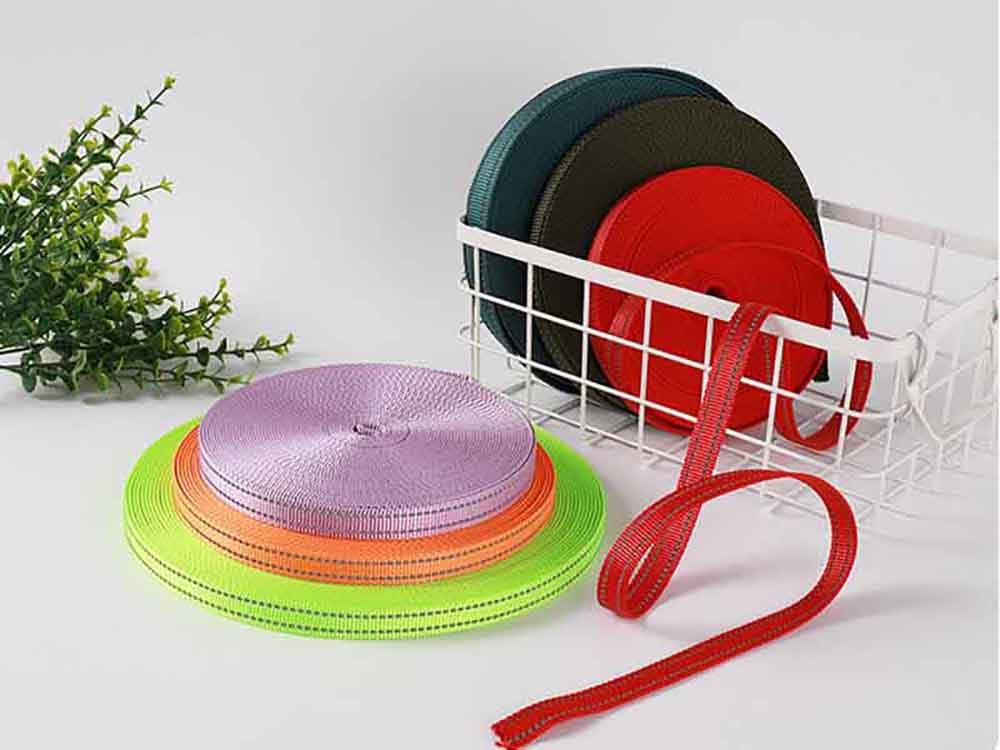
Imagine a strap so versatile that it secures cargo, supports climbers, and elevates fashion runways—all while withstanding extreme stress and weather. That’s webbing: a flat, woven fabric strip engineered for strength, flexibility, and reliability. From seat belts to backpack straps, webbing is the unsung hero of countless products we rely on daily.
Webbing in manufacturing is a highly durable, woven strip—often made from nylon, polyester, polypropylene, or cotton—used for load-bearing, fastening, and decorative applications across industries.
Whether you’re shipping heavy machinery or crafting a luxury handbag, understanding webbing’s secrets can revolutionize your product’s performance and appeal. In this guide, we’ll unravel webbing’s core definitions, material choices, manufacturing processes, and quality benchmarks. Ready to dive deeper? Let’s follow Maria, a supply chain manager who discovered the power of premium webbing when her adventure gear brand soared to new heights—but only after switching to Szoneier’s custom, tested webbing solutions.
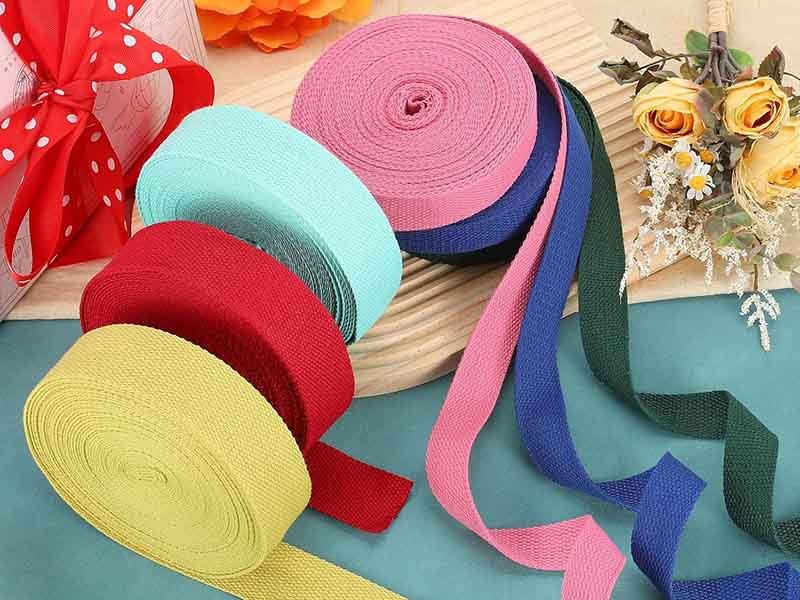
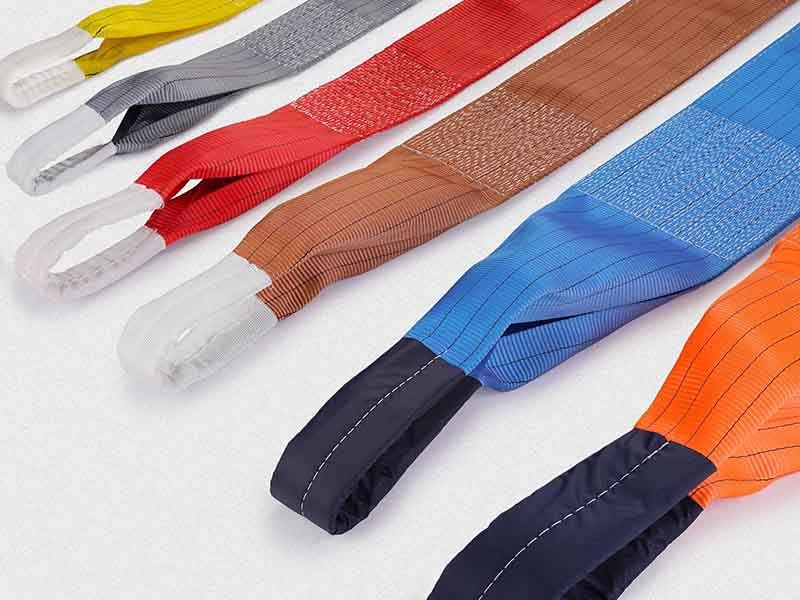
Webbing is a woven flat strip designed for load-bearing, binding, and decorative uses. Its cross-woven structure delivers tensile strength and abrasion resistance, making it vital in industries from automotive and safety to outdoor gear and apparel.
Webbing’s roots trace back to early flat belts used in machinery drives, but today’s manufacturing webbing is refined through precise weaving techniques and advanced fibers. At its simplest, webbing consists of warp and weft threads interlaced to form a coherent strip. Unlike knitted fabrics, weaving yields minimal stretch and exceptional load capacity.
Key Functional Attributes:
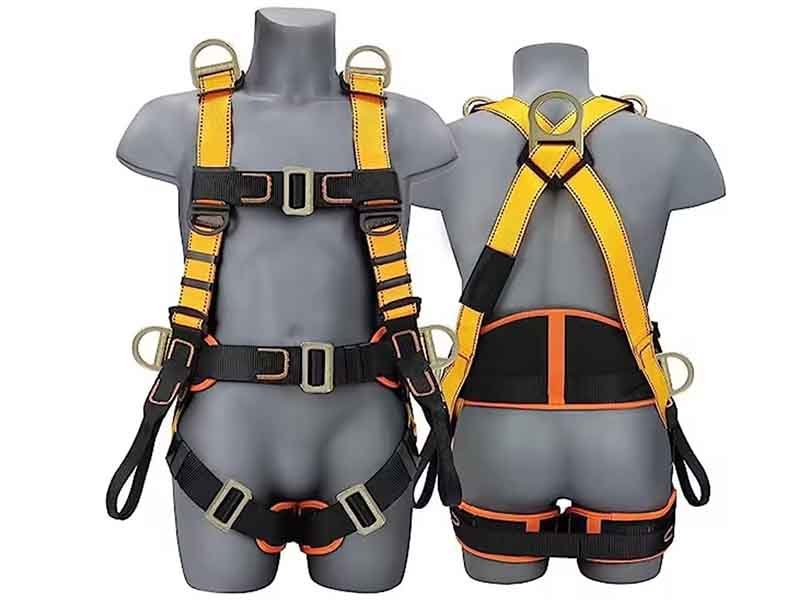
Industry Applications:
Crucially, webbing standardization—such as ISO 12402 for marine safety webbing—ensures consistent performance across suppliers. When manufacturers overlook these benchmarks, their products risk failure under load or wear, leading to recalls or hazards.
By integrating specialized coatings or laminations (e.g., silicone-treated webs for heat resistance), vendors like Szoneier elevate standard webbing to industry-specific requirements, ensuring both safety and market differentiation.
Common webbing materials include nylon, polyester, polypropylene (PP), and cotton. Each offers distinct benefits: nylon for stretch and strength, polyester for UV resistance, PP for buoyancy and cost-effectiveness, and cotton for comfort and eco-friendliness.
| Material | Strength (N/38 mm) | Stretch (%) | UV Resistance | Typical Uses |
|---|---|---|---|---|
| Nylon | 7,000–9,500 | 15–20 | Moderate | Climbing gear, safety harness |
| Polyester | 6,500–8,000 | 10–12 | High | Marine straps, outdoor gear |
| Polypropylene (PP) | 5,000–7,000 | 8–12 | Low | Cargo straps, flotation belts |
| Cotton | 2,500–4,000 | 10–15 | Poor | Fashion, comfort straps |
Nylon’s molecular structure gives excellent abrasion resistance, while polyester’s aromatic rings absorb less UV, prolonging outdoor longevity. PP’s hydrophobic nature makes it ideal for marine and wet environments, and cotton’s natural fibers provide a soft feel and biodegradability.
Material Selection Considerations:
Load Requirements:
Higher tensile strength fibers like nylon are chosen for critical safety uses.
Environmental Exposure:
UV-rich or marine contexts favor polyester and PP.
Cost Constraints:
PP is the most economical choice for non-critical applications.
Comfort & Aesthetics:
Cotton blends or dyed polyester webbing caters to consumer products with tactile demands and color consistency.
Advanced Options:
Szoneier offers end-to-end R&D for each material category, providing free samples and design iterations to match your precise specifications before scaling to production.

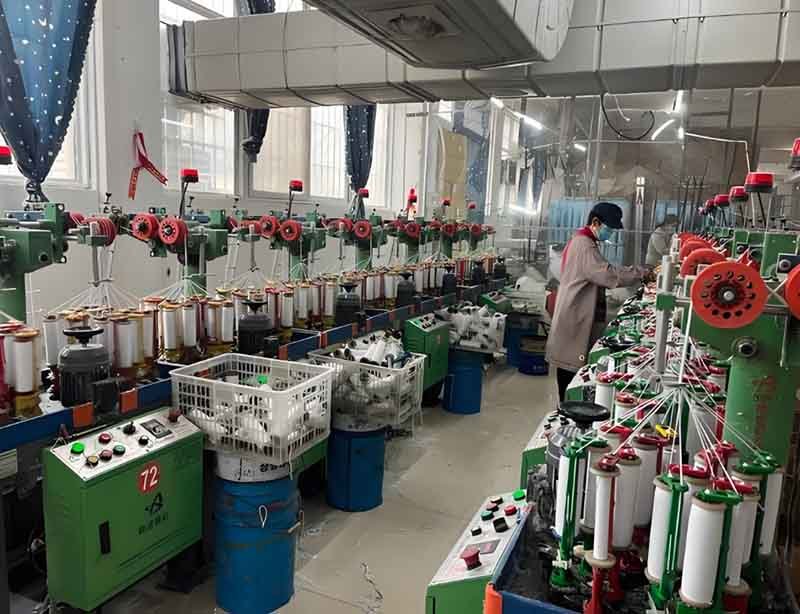
Webbing manufacturing involves spinning raw fibers into yarn, warping and weaving on looms, heat-setting to lock dimensions, dyeing or coating for functionality, and quality inspection. Precision at each stage guarantees consistency and performance.
Process Innovations:
Each stage impacts final performance—whether load bearing in industrial slings or comfort in fashion straps. By controlling every variable, Szoneier ensures your custom webbing meets both ISO certifications and your precise design requirements.
Webbing must pass tensile strength, abrasion, UV, and chemical resistance tests per ISO 10328, ISO 12402, and ASTM D6770 standards. Consistent batch reports and third-party certification guarantee compliance and reliability.
1. Tensile Testing:
Conducted on universal testing machines (UTMs) at 100 mm/min. Minimum rupture loads are specified by ISO or industry clients (e.g., 5 kN for hiking slings).
2. Abrasion Testing:
Martindale & Taber abrasion machines simulate real-world wear. Passing 30,000 cycles with <10% strength loss is typical for safety webbing.
3. UV Resistance:
Xenon arc chambers expose samples to simulated sunlight. A ΔE < 5 color change and <20% strength degradation after 500 hours is standard for outdoor webbing.
4. Chemical Resistance:
Immersion in fuels, acids, and detergents identifies potential weakening. Polyamide webbings must retain >70% strength after 24 hours in 5% sulfuric acid.
5. Fire & Heat Resistance:
UL 94 or ISO 6941 tests flammability; high-temp webbings endure up to 200 °C continuous exposure without melting.
Certifications to Look For:
Data Transparency:
Szoneier provides full batch certificates including date, machine ID, test operator, and raw material lot. This traceability reduces your liability and accelerates product approvals in regulated markets.
By adhering to rigorous testing regimes, manufacturers ensure webbing performs reliably in critical applications—from life-saving fall arrest systems to everyday cargo straps.
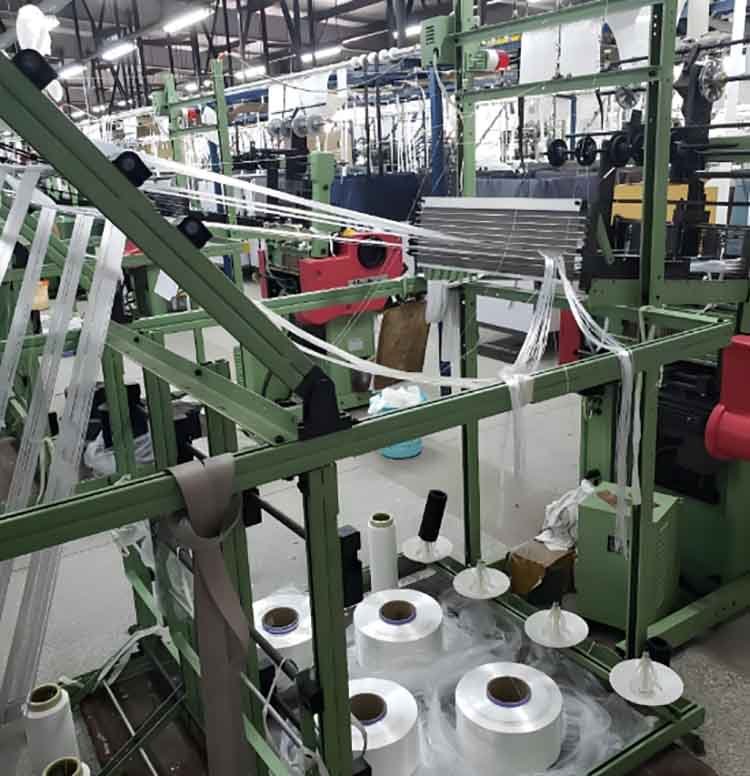
Plain, twill, and satin weaves alter webbing’s flexibility, density, and surface properties. Plain weaves maximize strength; twill weaves boost flexibility and texture; satin weaves enhance smoothness and luster for decorative uses.
Performance Implications:
In Szoneier’s facility, advanced dobby and jacquard looms produce up to 1,000 unique patterns, enabling personalized branding without sacrificing mechanical performance. By selecting the proper weave structure, you ensure your product meets both functional demands and aesthetic goals.
Yes—recycled PET, organic cotton, and bio-based nylons offer eco-friendly webbing alternatives. Certifications like GRS, OEKO-TEX Standard 100, and Bluesign verify sustainable sourcing and manufacturing processes.
With growing environmental concerns, manufacturers and brands seek webbing with reduced carbon footprints and minimal chemical impact:
Certifications to Validate Claims:
Brands that integrate sustainable webbing can market products as eco-premium, often commanding a 10–20% price premium. Szoneier assists clients in documenting sustainability credentials—complete with audited reports—to satisfy retailer and consumer demands.
Select a manufacturer offering material R&D, design support, low MOQ sampling, transparent QC processes, and scalable capacity. Verify certifications, request batch test reports, and evaluate lead times.
R&D & Customization Capabilities:
Minimum Order Quantities (MOQ) & Sampling:
Quality Management & Traceability:
Production Capacity & Scalability:
Supply Chain Transparency & Sustainability:
Communication & Technical Support:
By vetting these criteria, you ensure your webbing supplier is a true partner—from prototype to full-scale roll-out—minimizing risk and maximizing product quality.
Webbing is far more than a simple strap: it’s an engineered solution vital to countless industries. By mastering material properties, manufacturing processes, quality standards, and sustainable options, you can optimize performance and brand value.
Ready to elevate your product with custom, rigorously tested webbing? Contact Szoneier today for free design services, low-MOQ sampling, and a detailed quote tailored to your exact specifications. Let our 18+ years of expertise support your next innovation!
 Optimized by Seraphinite Accelerator