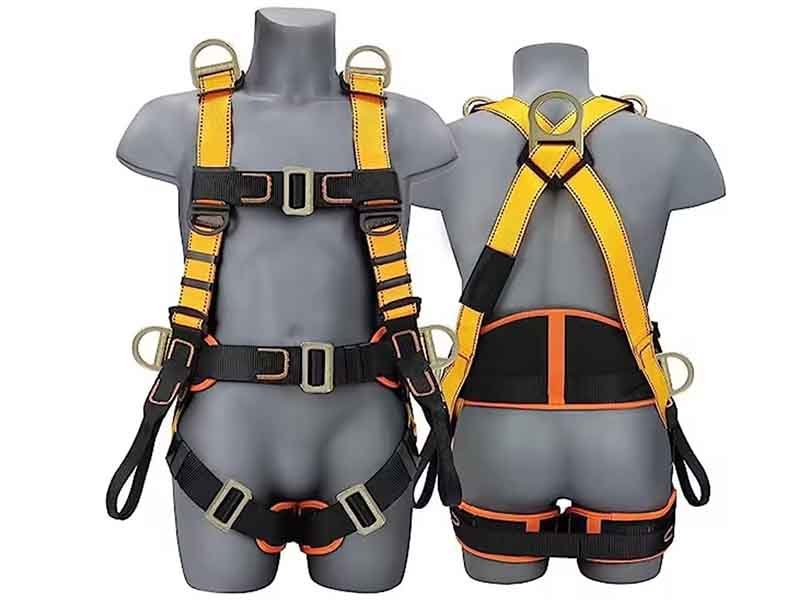
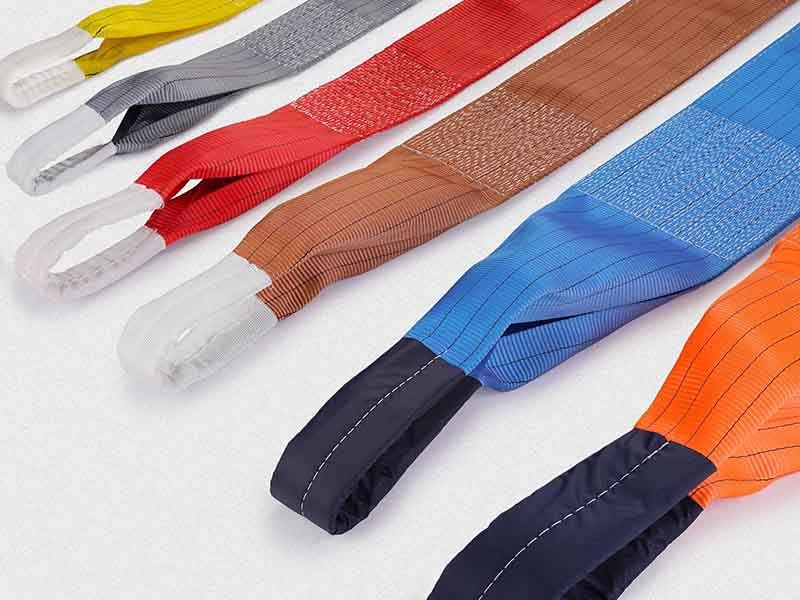
Choosing the right webbing sling manufacturer can make or break your lifting and rigging projects. With growing demand for safe, high-performance slings across industries—from construction and shipping to theater rigging and recreational climbing—it’s crucial to partner with a supplier who offers top-quality materials, rigorous safety testing, and flexible customization. Imagine you’re hoisting a heavy load on a busy worksite: one weak link in your sling could lead to downtime, costly damage, or even injury. In the crowded marketplace of sling producers, how do you separate the truly reliable manufacturers from the rest?
To choose the best webbing sling manufacturer, focus on sling type, material performance, safety certifications, customization options, pricing structure, and factory capabilities. Thoroughly vet each supplier’s testing protocols and compliance with standards like EN 1492-1 or ASME B30.9 to ensure durability and reliability in your specific application.
Beyond specs and certifications, the best suppliers tell a story of innovation—whether it’s a decades-old family workshop or a cutting-edge R&D facility pushing new fiber blends. By exploring their history, client testimonials, and sample-ready prototypes, you’ll find a partner who delivers both performance and peace of mind. Ready to dive in? Let’s explore the nine critical questions you must ask before placing your next webbing sling order.
What Are the Different Types of Webbing Slings?
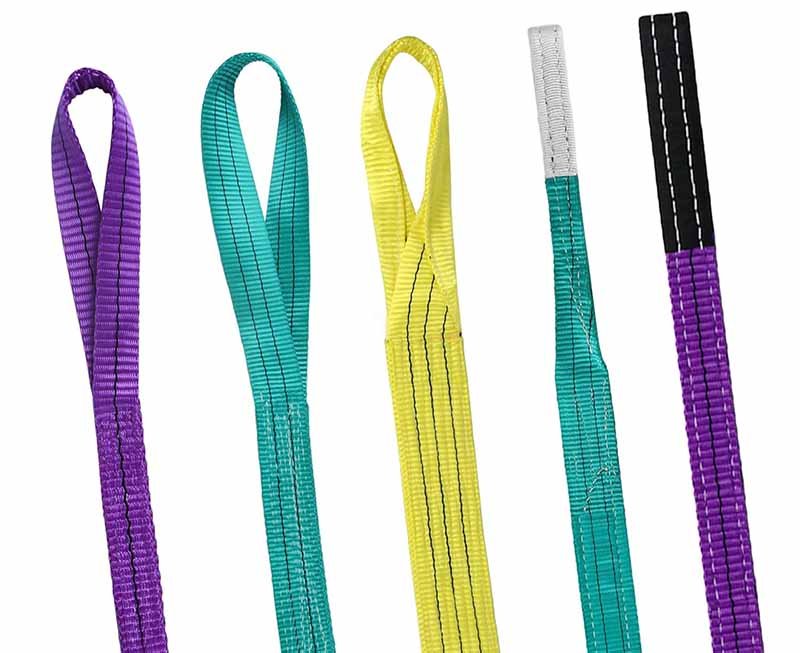
Webbing slings come in single-ply, double-ply, and endless-loop configurations, each suited for different load profiles. Single-ply offers flexibility for light-duty tasks, double-ply enhances strength for heavier lifts, and endless-loop slings provide uniform strength distribution. Choosing the right type depends on load weight, lift angle, and application environment.
- Single-Ply Sling
- Construction: One layer of woven webbing
- Use Cases: Light material handling, display rigging, textile industries
- Advantages: Lightweight, easy to inspect, cost-effective
- Limitations: Lower Working Load Limit (WLL), less abrasion resistance
- Double-Ply Sling
- Construction: Two layers of webbing stitched together
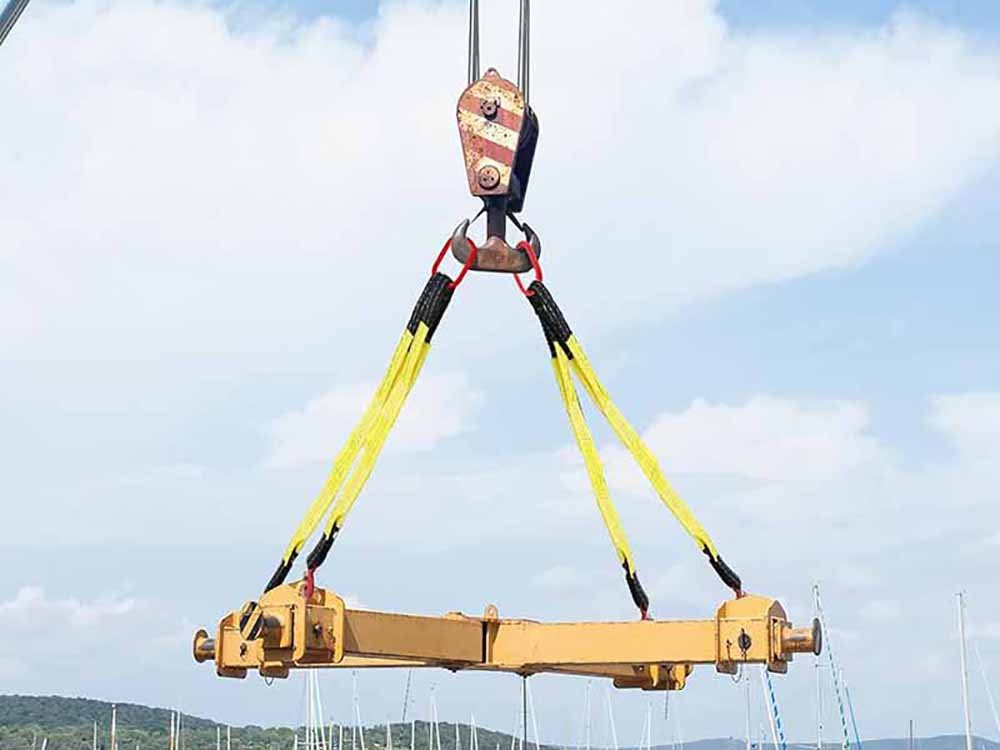
- Use Cases: Construction hoists, container handling, dockside lifts
- Advantages: Approximately 2× the WLL of single-ply, improved abrasion resistance
- Limitations: Heavier, slightly less flexible
- Endless-Loop Sling
- Construction: Continuous loop of webbing joined by heavy-duty stitching
- Use Cases: Overhead crane lifts, forestry, industrial rigging
- Advantages: Smooth load distribution, no end-fittings to adjust, can be used in basket or choker hitches
- Limitations: Inspection requires checking the entire loop; potential wear at stitching
- Round-Sling (Optional Extension)
- Construction: Handle-woven fiber encased in protective sleeve
- Use Cases: Shipyards, chemical plants (where sharp edges exist)
- Advantages: 360° abrasion protection, gentle on finished surfaces
- Limitations: More expensive; sleeve damage can hide internal wear
- Side-Lay vs. Center-Lay Construction
- Side-Lay: Fibers run along the sling edges—ideal for choker hitches.
- Center-Lay: Fibers centered—better for straight lifts and basket hitches.
Critical Perspective:
Rather than treating sling type as a checkbox, consider operational context: What temperatures, chemicals, or UV exposure will your slings face? How frequently will they be flexed or dragged? A heavyweight fabrication site may demand double-ply sliders with reinforced edge bindings, whereas stage rigging often prefers lightweight single-ply slings for rapid setup and teardown. Always test a sample under real-world conditions before scaling up your order.
Which Webbing Materials Deliver Optimal Strength and Durability?
Nylon offers high elasticity but can absorb moisture; polyester resists UV and chemicals; PP (polypropylene) is lightweight and floatable but less heat-resistant; cotton is cost-effective for light loads. Material choice directly impacts elongation, working load limit, and lifespan.
When evaluating webbing materials, key properties to compare include breaking strength, elongation at load, abrasion resistance, and environmental resilience. The table below summarizes typical performance metrics for common webbing fibers:
| Material | Breaking Strength (per inch width) | Elongation at WLL | UV Resistance | Chemical Resistance | Moisture Absorption |
|---|
| Nylon | 5,000–12,000 lbs | 20–30% | Moderate | Moderate | High |
| Polyester | 4,000–10,000 lbs | 5–15% | High | High | Low |
| Polypropylene (PP) | 3,000–8,000 lbs | 10–20% | Moderate | Moderate | Very Low |
| Cotton | 2,000–4,000 lbs | 5–10% | Low | Low | High |
- Nylon Webbing:
- Exceptional shock absorption—ideal for dynamic loads where sling stretch reduces impact.
- Beware moisture uptake: can weaken fiber when wet.
- Polyester Webbing:
- Low stretch ensures precise positioning during lift.
- Superior resistance to UV, acids, and most chemicals—suitable for outdoor and marine use.
- Polypropylene Webbing:
- Floats on water—commonly used in marine mooring, rescue gear.
- Moderate strength at an attractive price point; limited high-temperature performance.
- Cotton Webbing:
- Soft and flexible—frequently chosen for light-duty applications or where surface-gentle handling is needed.
- Not recommended for heavy lifts or exposure to oils/chemicals.
- Engineered Blends & Specialty Coatings:
- Manufacturers may offer heat-treated or coated webbing for flame resistance, enhanced abrasion, or mold/mildew prevention.
- Advanced aramid or HMPE fibers (like Dyneema®) can exceed 20,000 lbs per inch but at premium cost.
Critical Perspective:
Rather than defaulting to nylon for every job, analyze your load profile: is elasticity beneficial, or would minimal stretch improve precision? If you need slings for corrosive environments, polyester or chemically treated blends may save on replacements. Don’t overlook lifecycle cost—premium webs with extended service life often offer lower total cost of ownership than budget alternatives.
How Do Manufacturers Ensure Webbing Sling Safety?
Top manufacturers implement rigorous tensile testing, statistical batch sampling, and adhere to safety factors (usually 7:1 or 5:1). They employ certified labs, provide traceable batch codes, and comply with international standards like EN 1492-1 and ASME B30.9.
Safety underpins every sling application. Here’s how reputable suppliers maintain strict quality assurance:
Raw Material Certification:
- Vendors verify fiber batches meet tensile and elongation specifications.
- Incoming web rolls undergo visual and mechanical inspection.
In-Process Tensile Testing:
- During production, manufacturers pull sample straps to breaking point to confirm consistent strength.
- Typical testing frequency: one sample per production lot (e.g., every 500 meters of webbing).
Statistical Batch Sampling:
- Batches are divided into test groups; each group yields a sample for destructive testing.
- Manufacturers maintain ISO 9001 records showing batch-to-batch variation.
Safety Factor & Marking:
- A 7:1 safety factor is common in Europe (EN 1492-1), meaning breaking strength is seven times the rated WLL.
- In North America, 5:1 (ASME B30.9) is standard.
- Slings are permanently labeled with WLL, batch number, sling type, and date of manufacture.
Periodic Re-Certification:
- For high-use slings, some suppliers offer re-testing and re-tagging services after defined cycles or usage hours.
- Encourages proactive asset management and replacement scheduling.
Third-Party Audits and Approvals:
- Reputable factories allow audits by clients or accredited bodies (e.g., Lloyd’s Register).
- Certifications such as CE marking or TÜV endorsement bolster trust.
Staff Training & SOPs:
- Operators follow detailed Standard Operating Procedures for stitching, finishing, and inspection.
- Continuous training ensures adherence to evolving standards.
Critical Perspective:
Don’t let a manufacturer’s glossy brochure substitute for hard data. Insist on seeing test certificates, batch reports, and actual sling sample labels. If a factory resists third-party audits, that’s a red flag. Moreover, evaluating post-sale support—training on inspection techniques, maintenance schedules, and disposal guidelines—demonstrates a supplier’s true commitment to safety.
What Customization Capabilities Should a Top Supplier Offer?
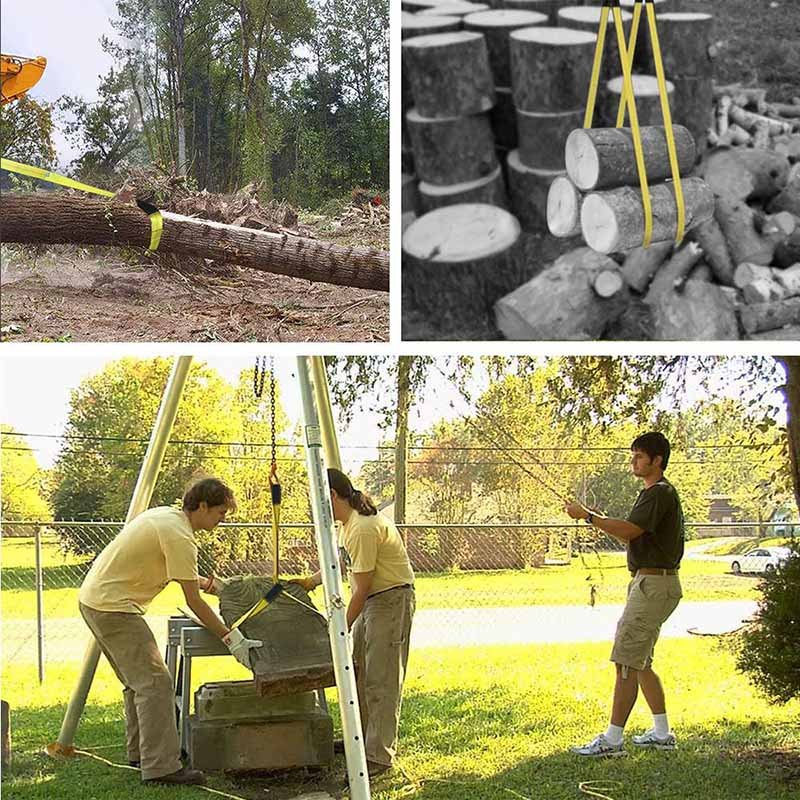
A leading supplier provides custom webbing widths, colors, weave patterns, printed or woven logos, end fittings (hooks, eyes, rings), and protective sleeves. They accommodate low MOQs (e.g., 50 pcs), rapid prototyping, and free sample services.
Customization transforms a generic lifting sling into a perfect solution for your brand and operations. Key capabilities include:
Dimensional Customization:
- Width & Length: From narrow 10 mm to ultra-wide 200 mm straps; lengths tailored to application (e.g., 1 m to 10 m or more).
- Thickness & Ply: Single- or double-ply options to optimize flexibility vs. strength.
Color Coding & Logos:
- High-resolution printing or woven tapes integrate your logo, load rating, and safety warnings.
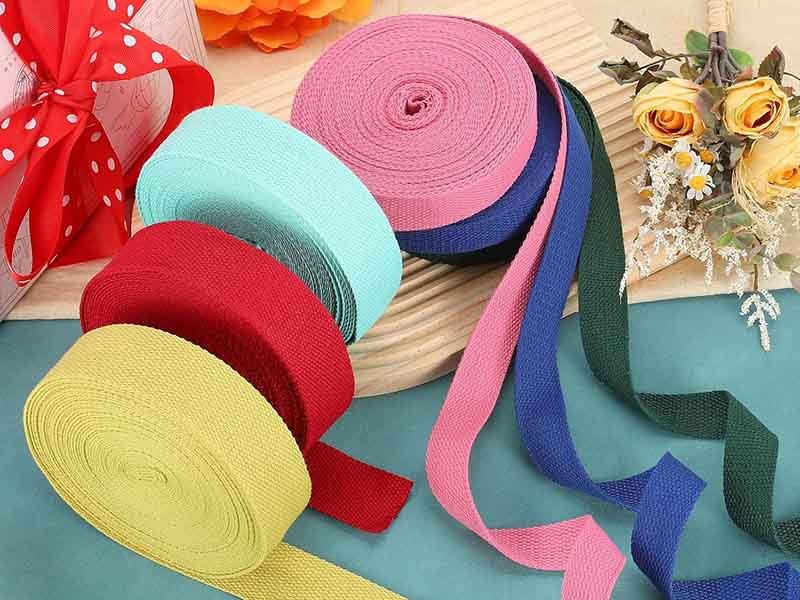
- Color-coded webbing aids quick identification of WLL or department assignment.
End-Fitting Integration:
- Factory-stitching of hooks, D-rings, cam buckles, or custom metalwork.
- Ultrasonic welding or heat sealing to minimize abrasion at attachment points.
Protective Sleeves & Coatings:
- Removable or permanent sleeves protect against chafing, UV, or chemicals.
- Specialty coatings (PU, PVC) add water resistance or flame retardance.
Low MOQ & Rapid Sampling:
- Top suppliers accept MOQs as low as 50 pcs for custom specs.
- Sample turnaround in 3–5 days accelerates design validation.
Packaging & Private Label:
- Customized packaging—individual polybags, color-printed boxes, or hang tags.
- Private-label options support direct resale under your brand.
Critical Perspective:
While customization adds cost, strategic branding and functional tailoring can yield operational efficiencies and stronger client recognition. Evaluate whether the supplier offers digital proofs, virtual mock-ups, or in-house design support. A manufacturer’s willingness to invest in your vision—offering design revisions without extra fees—reflects their partnership mindset.
How to Customize Webbing Slings for Specific Needs?
Customization starts by defining load requirements, environment, and branding. Select material, weave density, ply count, and end fittings accordingly. Collaborate on prototyping—evaluate stretch, abrasion, and UV testing. Finalize artwork for logos and safety labels, then approve pre-production samples.
Define Application Parameters:
- Load Profile: Identify maximum weight, shock-load potential, and lift angle (straight, basket, choker).
- Operating Environment: Temperature extremes, chemical exposure, UV intensity, moisture levels.
Select Core Specifications:
- Material: Nylon for elasticity; polyester for minimal stretch; PP for floatable needs.
- Ply & Weave: Determine single- vs. double-ply; tighter weave for higher abrasion resistance.
Design End Fittings:
- Choose hooks (clevis, grab, swivel), rings, or custom metal plates.
- Evaluate welding vs. stitching methods for integration.
Branding and Identification:
- Develop artwork for woven labels or heat-transfer prints.
- Include safety instructions, WLL, batch codes directly on webbing.
Protective Treatments:
- Consider PU or PVC coatings for chemical resistance.
- Add sleeves where friction points are predicted.
Prototype & Testing:
- Request small-batch prototypes.
- Conduct real-world tests: repeated cycles, UV chambers, chemical soak trials.
- Iterate design based on test feedback.
Final Approval & Production:
- Sign off on pre-production samples.
- Confirm packaging style, labeling, and shipping logistics.
Critical Perspective:
Many buyers underestimate the importance of prototyping. A single round of iteration—focusing on stitching pattern, edge binding, or fitting orientation—can prevent costly recalls or site failures. Partner with manufacturers who treat your customization as collaborative problem-solving, not just order fulfillment.
How Is Webbing Sling Pricing Calculated and What Factors Affect It?
Pricing depends on raw material costs, weave density, ply count, customization, certification tests, and order volume. Premium fibers (e.g., aramid) cost more; double-ply slings command higher prices than single-ply. Printing, end fittings, and low MOQs add to unit cost.
Understanding cost drivers empowers you to negotiate effectively:
Raw Material Costs:
- Nylon, polyester, and specialty fibers fluctuate with petrochemical markets.
- Blended or coated webs incur additional processing fees.
Manufacturing Complexity:
- Double-ply or endless-loop slings require more labor and stitching passes.
- Integration of end fittings or welding stations increases cycle time.
Customization & Branding:
- Printed or woven logos, color matching, and unique packaging elevate per-unit costs.
- Low-volume runs (<100 pcs) typically carry surcharges for setup and waste.
Quality & Testing:
- In-house tensile and certification testing add overhead; third-party audits cost extra.
- Traceability reporting (batch codes, QA certificates) may incur documentation fees.
Order Volume & Lead Time:
- Bulk orders (>1,000 pcs) often command tiered discounts.
- Rush production or express shipping adds premium charges.
Logistics & Duties:
- Shipping from China includes freight, insurance, and customs duties.
- Consolidation services (e.g., FCL vs. LCL) influence landed cost.
Critical Perspective:
Don’t fixate solely on the lowest quote; factor in Total Cost of Ownership (TCO). A slightly higher unit price from a certified, responsive supplier can yield savings through reduced rejections, faster cycle times, and stronger safety records. Request detailed cost breakdowns and clarify which services are bundled versus billed separately.
What Certifications Should a Manufacturer Have?
Essential certifications include EN 1492-1 (Europe), ASME B30.9 (North America), ISO 9001 for quality management, and CE marking for safety compliance. Additional approvals like TÜV or Lloyd’s Register audits further validate manufacturing processes and product traceability.
Certifications reassure you that a supplier adheres to international norms:
- EN 1492-1 (Europe):
- Specifies design, testing, and marking requirements for webbing slings.
- Mandates a 7:1 safety factor.
- ASME B30.9 (North America):
- Governs performance criteria for synthetic slings; requires 5:1 safety factor.
- Includes guidelines for inspection and repair.
- ISO 9001 Quality Management:
- Ensures consistent processes, documentation control, and continual improvement.
- Demonstrates supplier commitment to customer satisfaction.
- CE Marking:
- Indicates conformity with EU directives on machinery and PPE.
- Requires involvement of a Notified Body for certain categories.
- Third-Party Audits (Optional):
- TÜV, Lloyd’s Register, or DNV audits confirm factory capability, employee training, and environmental safeguards.
- Additional Standards:
- OSHA 1910.184 (U.S. rigging requirements)
- DGUV Regel 100-500 (German regulations)
Critical Perspective:
Certificates alone don’t guarantee quality—check expiry dates, scope, and any audit findings. Ask for the factory’s last audit report summary. A supplier’s transparency about non-conformities and corrective actions is more telling than a pristine certificate sheet.
Factory Audit Checklist: What to Look For?
A thorough audit inspects raw material storage, tensile testing labs, stitching stations, and document control systems. Evaluate worker training, safety protocols, sample archiving, and quality-control signage. Inspect emergency procedures, waste management, and record-keeping for batch traceability.
- Raw Material Handling:
- Dry, sun-protected storage; clear labeling of batch numbers.
- FIFO (First In, First Out) inventory practice.
- Production Floor & Equipment:
- Well-maintained looms and industrial sewing machines.
- Proper tension settings; calibrated testing machines.
- Quality Control Stations:
- Dedicated tensile test lab with up-to-date gauges.
- Visual inspection booths with good lighting; magnification tools.
- Documentation & Traceability:
- Digital or hard-copy registers of production lots, test results, and inspection checklists.
- Clear linkage of finished slings to raw webbing batches.
- Employee Training & Certification:
- Records of operator certifications for specialized tasks (e.g., ultrasonic welding).
- Ongoing safety and quality workshops.
- Health, Safety, and Environment (HSE):
- Visible emergency exits, fire extinguishers, and first-aid kits.
- Waste disposal and chemical-handling protocols.
- Sample Archives:
- Retained sample slings from each batch for future re-testing.
- Management Review & Continuous Improvement:
- Minutes from quality meetings; corrective action logs.
Critical Perspective:
A factory that welcomes audits is open to scrutiny—and improvement. Watch for hidden areas or reluctance to share records. Engagement at the management level—rather than just a guided tour—signals genuine quality culture.
How Can You Assess a Manufacturer’s Production Capacity and Lead Times?
Evaluate daily webbing output (meters per shift), number of sewing stations, and metal-fitting integration lines. Ask for typical lead times: standard slings 10–15 days, custom runs 20–30 days. Verify peak-season queuing and buffer capacities.
- Quantitative Capacity Indicators:
- Webbing Weave Output: Meters per hour, number of looms.
- Sewing Stations: Count of industrial machines and average stitch throughput.
- Fitting Lines: Dedicated hooks/eyes welding or sewing capacity.
- Workforce & Shifts:
- Total headcount in R&D, production, QC, and packaging.
- Number of shifts per day determines round-the-clock output.
- Factory Utilization Rates:
- Ideal utilization ~70–80%—ensures flexibility for rush orders.
- Over-utilization risks delays and quality lapses.
- Lead Time Metrics:
- Stock Slings: 5–10 days from order confirmation.
- Custom Slings: 15–30 days depending on complexity.
- Include sampling, prototyping, and certification phases.
- Seasonal Fluctuations & Buffer:
- Identify peak seasons (e.g., Q4 holiday rigging, summer construction booms).
- Ask about buffer stock policies or subcontractor networks.
- Logistics & Shipping Integration:
- In-house forwarding vs. reliance on agents.
- Typical dock-to-door transit times to your region.
Critical Perspective:
Numbers on paper can be misleading if not contextualized. A factory may boast high loom output but bottleneck at sewing if metal-fitting lines are limited. Cross-verify capacity claims by visiting multiple production areas, talking with shift supervisors, and reviewing recent order fulfillment records.
Ready to Customize Your Webbing Slings?
Partner with a manufacturer who brings proven expertise, transparent processes, and genuine collaboration. At Szoneier, we combine 18+ years of integrated R&D, manufacturing, and sales to deliver:
- Comprehensive sling types (single-ply, double-ply, endless-loop, round)
- Material options: nylon, polyester, PP, cotton, and specialty blends
- Full safety testing with EN 1492-1, ASME B30.9, ISO 9001, CE marking
- Flexible customization: low MOQs, rapid prototype samples, logo integration
- Competitive, transparent pricing and global logistics support
Contact Szoneier today to discuss your webbing sling requirements, request free samples, and experience our 100% quality guarantee. Let’s lift your projects to new heights—safely, reliably, and on your schedule.