In today’s fast-paced world, your backpack is more than just a way to carry your essentials—it’s an extension of your lifestyle, style, and even your safety. Ever felt that irritating pinch when your strap digs into your shoulder during your commute? Or wondered why some straps last years while others fray after only a few weeks? The secret lies beneath the surface, in the very fibers and weaves that compose your backpack straps. Strap materials not only determine comfort and durability but also influence weight, weather resistance, and even the environmental footprint of your gear.
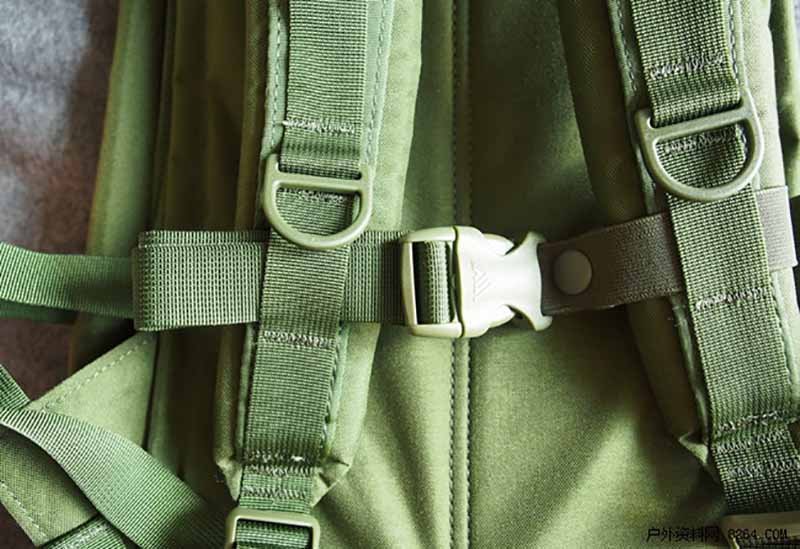
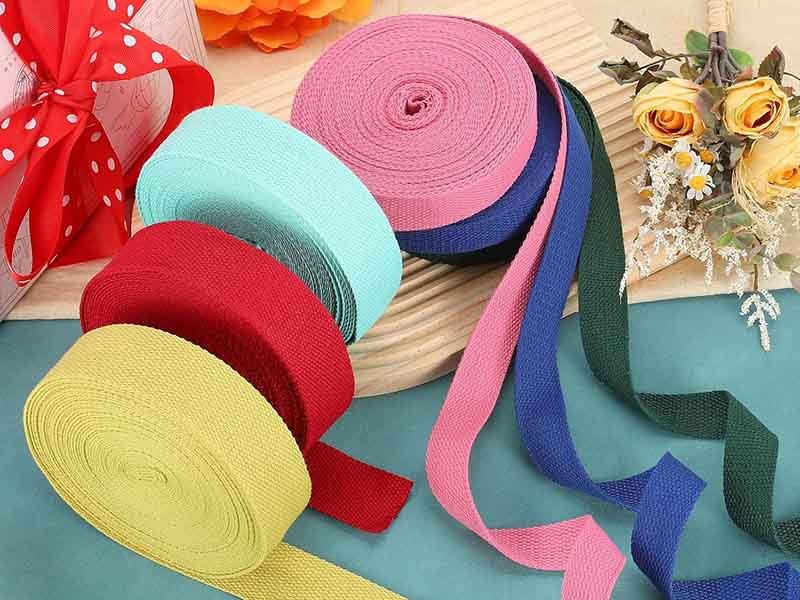
Backpack straps are most commonly made from durable synthetic webbings—such as nylon, polyester, and PP (polypropylene)—and natural options like cotton. Each offers distinct advantages: nylon for strength and abrasion resistance, polyester for UV and moisture stability, PP for lightweight affordability, and cotton for comfort and eco-friendliness.
But here’s the kicker: not all nylon is created equal, nor is every polyester strand woven the same way. And beyond synthetics, innovative patterned and specialty webbings open new doors in branding, safety, and tactile feel. In this guide, we’ll dissect the anatomy of modern backpack straps, challenge conventional wisdom with critical insights, and equip you with the knowledge to choose—or even customize—the perfect strap for your next adventure. By the end, you’ll see why brands like Szoneier have over 18 years of expertise in crafting webbing solutions that strike the ideal balance of form, function, and tailored performance. So tighten your straps, and let’s dive in!
What Are the Most Common Materials Used for Backpack Straps?
The three most prevalent synthetic materials for backpack straps are nylon, polyester, and polypropylene (PP). Nylon delivers exceptional tensile strength and abrasion resistance. Polyester excels in UV stability and moisture resistance, while PP stands out for cost-effectiveness and lightweight chemical resilience. Cotton remains a popular natural alternative for its comfort and breathability, though it sacrifices some durability and water resistance compared to synthetics.
When you pick up a backpack in a store or scroll through e-commerce listings, you’ll often see marketing blurbs touting “reinforced nylon straps” or “eco-cotton webbing.” But what do these claims truly mean, and how do they influence your daily carry experience? Let’s break down each material in context:
Nylon
Grades & Denier: Nylon webbings are rated by denier (fiber thickness) and come in variants like Nylon 6 and Nylon 6,6. Denser weaves (higher denier) correlate to greater abrasion resistance but also add weight.
Performance: Nylon has a tensile strength up to 9,000 psi and high elasticity, which can help straps mold to your shoulders. However, it absorbs water (up to 6% of its weight), potentially leading to mildew in humid conditions.
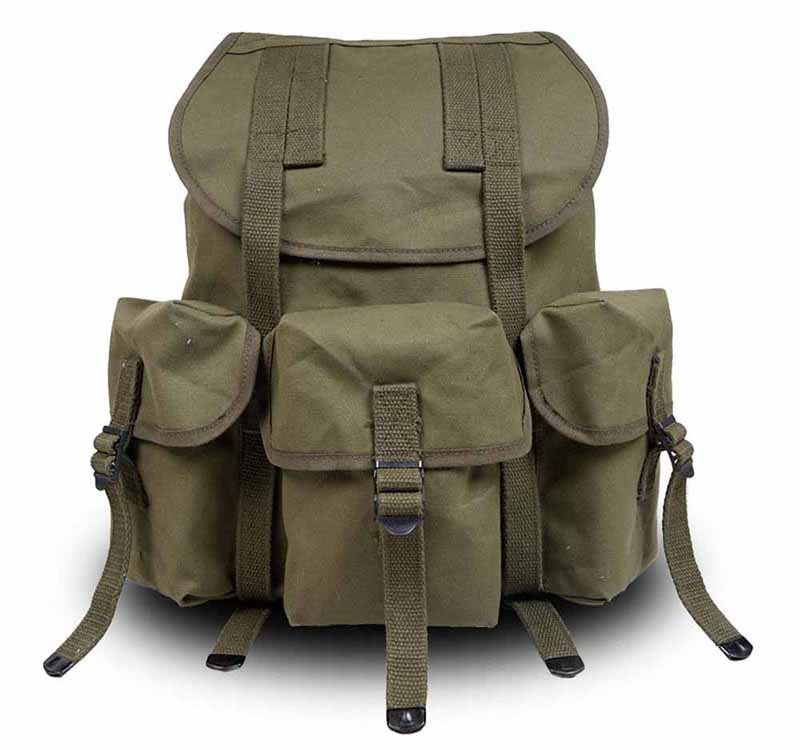
Use Cases: Ideal for heavy-load backpacks—mountaineering packs or military gear—where resistance to tears and abrasions is paramount.
Polyester
UV & Moisture Resistance: Polyester absorbs almost no water, ensuring that straps stay lightweight even after rain. Its UV resistance makes it less prone to degrade or discolor in sunlight.
Strength vs. Nylon: While slightly lower in tensile strength (≈7,000 psi), polyester outshines nylon in dimensional stability—it doesn’t stretch as much under load, maintaining strap geometry over time.
Applications: Urban commuters and travel backpacks often leverage polyester for its easy upkeep and fade resistance.
Polypropylene (PP)
Lightweight & Inexpensive: PP has a density around 0.91 g/cm³—lighter than water—making it the go-to for budget-friendly or water-sports backpacks.
Chemical Resistance: Offers excellent resistance to acids and bases, a feature that can matter in industrial or laboratory settings.
Trade-Off: Lower melting point (≈160 °C) and reduced abrasion resistance versus nylon and polyester.
Cotton
Comfort & Eco Appeal: Natural feel against the skin, wicks moisture, and can be organic or OEKO-TEX certified for reduced chemical processing.
Durability Concerns: Prone to fraying and mildew if not treated. Typically blended with synthetics to achieve balanced performance in “eco-friendly” backpack lines.
Material
Tensile Strength (psi)
Water Absorption
UV Resistance
Weight (g/m)
Cost Level
Nylon 6,6
9,000
Medium
Medium
80
High
Polyester
7,000
Low
High
75
Medium
PP
5,500
Very Low
Medium
60
Low
Cotton
4,500
High
Low
90
Medium
Critical Insight: While synthetics dominate functional performance, cotton’s resurgence reflects consumer demand for sustainable materials—pushing manufacturers like Szoneier to innovate hybrid webbings that blend cotton’s comfort with polyester’s resilience.
Which Types of Nylon Webbing Are Ideal for Backpack Straps?
Nylon 6 and Nylon 6,6 are the two primary types used in backpack straps. Nylon 6,6 offers higher melting point (≈265 °C) and tensile strength, making it ideal for high-stress applications. Nylon 6 provides greater flexibility and slightly lower cost. Both variants feature excellent abrasion resistance, but choice depends on load requirements and environmental conditions.
Chemical Composition & Properties
Nylon 6,6 is synthesized from hexamethylenediamine and adipic acid, producing a polymer chain with alternating amide linkages. This structure gives it superior crystallinity, leading to higher tensile strength (≈9,500 psi) and a melting point near 265 °C.
Nylon 6, derived from caprolactam, has a melting point closer to 220 °C and tensile strength of about 8,000 psi. Its lower crystallinity makes it more ductile and easier to dye, offering vibrant color options for branded backpacks.
Abrasion Resistance & Wear Patterns
In head-to-head abrasion tests, Nylon 6,6 webbings lasted up to 30% longer under sandpaper cycles than Nylon 6. However, Nylon 6’s enhanced flexibility means it resists micro-cracking in repetitive bending—useful for straps that undergo frequent re-adjustment.
Environmental Stability
Humidity Impact: Nylon webbings can absorb moisture, swelling up to 6% by weight and momentarily reducing tensile strength by about 10%. Manufacturers often apply hydrophobic coatings to mitigate this.
Temperature: For backpacks used in extreme climates—from alpine treks to desert excursions—Nylon 6,6 remains dimensionally stable up to 200 °C, whereas Nylon 6 softens around 180 °C.
Cost & Manufacturing Considerations
Raw Material Costs: Nylon 6 resin typically runs 10–15% cheaper per kilogram than Nylon 6,6. This cost differential influences budget-oriented product lines.
Customization & Dyeing: Nylon 6’s ease of dye uptake makes it a favorite for vibrant branded straps, while Nylon 6,6’s colorfastness resists fading even after prolonged UV exposure.
Critical Perspective:
Selecting between Nylon 6 and Nylon 6,6 isn’t merely a matter of strength vs. cost. Designers must weigh the trade-off between long-term color retention (favoring 6,6) and flexibility plus dye vibrancy (favoring 6). Companies like Szoneier navigate this by offering both variants and advising clients based on end-use scenarios—whether a rugged expedition pack or a fashion-forward commuter bag.
How Does Polyester Webbing Compare to Nylon in Strap Performance?
Polyester webbing offers superior UV stability and near‐zero water absorption, making it ideal for outdoor and marine backpacks. While slightly less strong than nylon, its dimensional stability prevents sagging under load. Polyester also resists mildew and most chemicals better than nylon, though it lacks nylon’s elasticity.
UV & Weather Resistance
Polyester’s Molecular Structure: Polyester’s aromatic rings confer high UV resistance, with only a 5–10% tensile strength loss after 1000 hours in standardized UV exposure tests—compared to 20–25% for nylon.
Moisture Behavior: Polyester absorbs less than 0.4% water, maintaining near-constant weight and flexibility even when wet, crucial for kayakers, sailors, or rainy-climate commuters.
Mechanical Properties
Tensile vs. Elasticity: Polyester’s tensile strength (~7,200 psi) is sufficient for most 20–40 lb load backpacks, but its lower elasticity (elongation at break ~15%) means straps won’t “give” under tension—preserving adjustability over time. Nylon can elongate up to 30%, which some users appreciate for shock absorption.
Abrasion Resistance: On abrasive surfaces, polyester webbing shows moderate wear but often less fuzzing than nylon, thanks to its smoother fiber surface.
Chemical & Thermal Stability
Chemical Exposure: Polyester withstands acids, bases, and organic solvents better than nylon, which can be attacked by strong acids.
Thermal Behavior: Polyester softens around 240 °C, slightly below nylon, but remains dimensionally stable in typical outdoor temperature ranges (-20 °C to +60 °C).
Aesthetic & Branding Considerations
Surface Finish: Polyester’s smooth finish accepts prints and coatings more uniformly, making it popular for reflective or patterned straps.
Colorfastness: Though nylon can be dyed more vibrantly, polyester’s color retention ensures less fading over years of sun exposure—a key selling point for high-end luggage.
Critical Insight:
Rather than positioning polyester as “inferior” to nylon, a nuanced view recognizes each material’s environmental resilience. For any brand—especially those targeting outdoor enthusiasts or water-sport users—polyester often provides a lower-maintenance, longer-lasting strap solution. Szoneier’s expertise includes recommending polyester for clients whose products emphasize weatherproofing and UV endurance.
Are Cotton Webbing Straps Still Relevant Today?
Yes—cotton webbing remains relevant for lifestyle and fashion backpacks thanks to its soft touch, natural breathability, and eco-friendly appeal. However, untreated cotton absorbs water and wears faster than synthetics. Many manufacturers now blend cotton with polyester or apply protective coatings to combine comfort with durability.
Comfort & Tactile Appeal
Skin-Friendly Texture: Cotton webbing’s soft hand feel reduces chafing, making it a favorite for daily-use backpacks and messenger bags. The natural fibers wick sweat, enhancing comfort during long wear.
Brand Storytelling: For brands emphasizing sustainability, cotton straps—especially certified organic—reinforce eco-credentials and resonate with environmentally conscious consumers.
Durability Challenges
Water Uptake & Mildew: Cotton’s hydrophilicity (up to 25% water absorption) can lead to sagging straps and the potential for mold growth in damp climates. Treating cotton with durable water-repellent (DWR) coatings mitigates these issues but adds cost.
Abrasion Resistance: In Martindale abrasion tests, pure cotton webbings show nearly 50% faster wear-through than synthetic counterparts, necessitating thicker weaves or blended yarns for longevity.
Innovations: Blends & Coatings
Cotton-Polyester Blends: A 60/40 cotton/polyester blend can achieve a balance—retaining much of cotton’s softness while gaining polyester’s moisture resistance and UV stability.
Coated Cotton: Silicone or polyurethane coatings on cotton webbing deliver water repellency without sacrificing much of its natural feel. These specialty webbings allow premium brands to market “natural” straps with performance specs rivaling synthetics.
Sustainability & Lifecycle
Biodegradability: Unlike petrochemical-based nylon and polyester, cotton is biodegradable under composting conditions—a strong selling point for zero-waste product lines.
Chemical Footprint: Organic cotton minimizes pesticide use, but water consumption in cultivation remains high, prompting some brands to source from rain-fed regions or use water-saving agricultural practices.
Critical Perspective:
While pure cotton webbing may not suit heavy-duty outdoor packs, it shines in lifestyle segments. Pioneering manufacturers like Szoneier collaborate with clients to develop blended and coated cotton straps that marry the best of both worlds: comfort for the user and durability for long-term use.
What Advantages Does PP (Polypropylene) Webbing Offer for Lightweight Packs?
PP webbing offers low weight, excellent chemical resistance, and very low water absorption, making it ideal for budget-friendly, lightweight, or water-exposed backpacks. Its lower tensile strength compared to nylon or polyester limits its use to light-to-medium loads.
Lightweight Design
Density Advantage: At 0.91 g/cm³, PP is lighter than both water and most other synthetic fibers. This translates to strap weights as low as 50 g/m—up to 30% lighter than nylon webbings—ideal for ultralight hiking or children’s daypacks.
Cost Efficiency: PP resin is among the least expensive polymer feedstocks, enabling manufacturers to offer backpacks at lower price points without sacrificing basic durability.
Chemical & Moisture Resistance
Inert Nature: PP resists acids, bases, and many organic solvents. This makes it suitable for industrial or laboratory backpacks carrying chemicals, as well as gear for water-sports enthusiasts.
Minimal Water Uptake: Less than 0.1% water absorption keeps straps dimensionally stable and mildew-free, even after prolonged exposure to moisture.
Mechanical Limitations
Tensile Strength: PP’s tensile strength (~5,500 psi) is roughly 40% lower than nylon 6,6. For backpacks carrying more than 15–20 kg, reinforced stitching or double-layer webbings become necessary.
Thermal Stability: With a melting point near 160 °C, PP can deform under high-heat conditions (e.g., hot car interiors in summer), though this rarely impacts everyday use.
Use-Case Scenarios
Water-Sport Gear: Kayakers, surfers, and sailors appreciate PP straps for their quick-drying and corrosion-free properties.
Children’s Backpacks: Parents value PP’s light weight and affordability, which reduce strain on young shoulders and wallets.
Industrial Packs: Chemical-resistant PP straps are common on lab or manufacturing tool bags.
Critical Insight:
While PP may not rival nylon for extreme-load applications, its unique combination of light weight, moisture immunity, and low cost fills an important niche. Szoneier’s portfolio includes PP strap solutions tailored for clients targeting water-sports and budget segments.
How Do Patterned and Specialty Webbings Enhance Backpack Functionality?
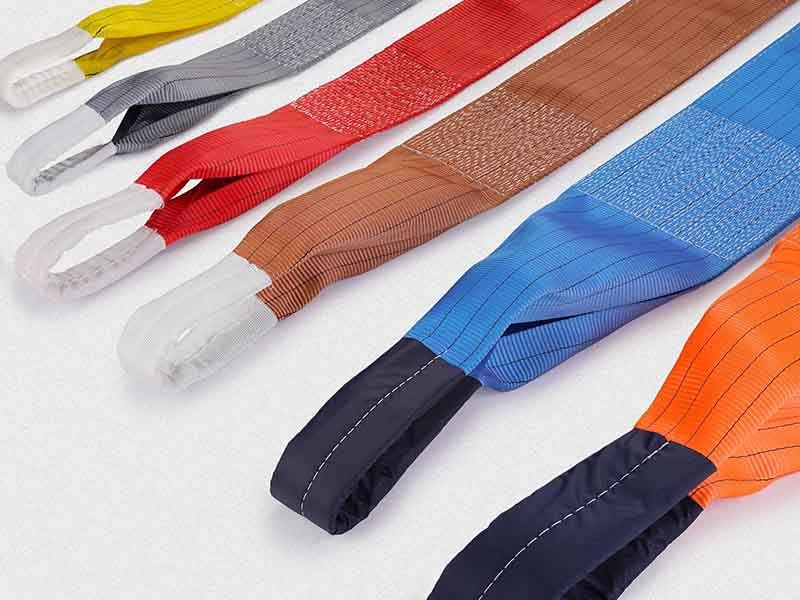
Patterned and specialty webbings—such as reflective, textured, or printed straps—add safety, brand identity, and tactile differentiation. Reflective strips improve visibility at night; silicone-textured webbings increase grip; custom prints reinforce brand storytelling.
Reflective & Safety-Enhancing Straps
Retroreflective Materials: Integrated glass bead or microprismatic tapes reflect headlights back to drivers, boosting nighttime visibility by up to 80%. This feature is increasingly mandated for commuter and running backpacks.
Regulatory Standards: EN 13356 specifies minimum reflectivity requirements for personal protective equipment. Quality-assured suppliers like Szoneier certify reflective webbing to these standards.
Textured & Grip-Enhancing Designs
Silicone-Coated Webbings: Thin layers of silicone on webbing surfaces provide non-slip grip, keeping straps from sliding off shoulders during rapid movements. Ideal for cyclists and runners.
Woven Ribs & Channels: Three-dimensional weaves create channels that improve airflow and reduce heat buildup beneath straps.
Custom Prints & Branding
Digital vs. Screen Printing: Digital printing allows full-color gradients and photographic detail on straps, whereas screen printing offers solid, opaque designs. Digital prints are limited to specific polymer compatibilities.
Embroidered Logos: For luxury or corporate giveaways, embedding logos via embroidery on webbing elevates perceived brand value.
Tactile & Sensory Innovation
Soft-Touch Coatings: Thermoplastic polyurethane (TPU) coatings impart a rubber-like feel, enhancing perceived quality without compromising flexibility.
Scent-Infused Straps: An emerging trend—infusing microcapsules that release fresh scents (e.g., eucalyptus) when rubbed—combines novelty with functional odor control.
Critical Perspective:
Specialty webbings are no longer mere aesthetic afterthoughts; they contribute measurably to functionality and brand engagement. By partnering with experts like Szoneier, brands can integrate safety-grade reflectives or custom-print narratives directly into their strap designs, differentiating their products in saturated markets.
What Factors Should You Consider When Choosing Backpack Strap Materials?
Consider load capacity, environmental exposure (UV, moisture, chemicals), desired comfort (softness, breathability), weight targets, aesthetic needs (colorfastness, branding), and budget. Also factor in MOQ for custom orders and OEM/ODM capabilities to tailor webbing to your product specifications.
Performance Requirements
Load & Tear Strength: Match tensile strength ratings to expected loads. For instance, school backpacks rarely exceed 10 kg, whereas hiking packs may hit 20–30 kg—including water and equipment.
Abrasion Tests: Request Martindale or Taber abrasion test data from suppliers to quantify wear resistance.
Environmental Conditions
UV Exposure: For products targeting sunny climates, prioritize polyester or UV-stabilized nylons.
Moisture & Chemicals: Water-sports and lab packs benefit from PP or chemically resistant webbings.
Comfort & Ergonomics
Padding & Breathability: Webbing width and surface texture influence load distribution. Wider (40–50 mm) straps with channelled weaves improve airflow.
Flexibility vs. Rigidity: Elastic nylon can absorb shocks, but stiffer polyester preserves strap shape under load.
Customization Logistics
MOQ & Lead Time: Szoneier offers MOQ as low as 50 meters for many types, with fast sampling and lead times of 7–14 days.
Color & Finish Options: Discuss dye methods—solution dyeing for UV stability or reactive dyeing for vibrant cotton blends.
Cost Considerations
Raw Material Price Fluctuations: Petrochemical-based nylon and polyester prices swing with oil markets, impacting unit costs.
Total Cost of Ownership: Factor in expected product lifespan—cheaper webbings may cost more over time if replaced or lead to warranty claims.
Critical Insight:
A holistic view stretches beyond material specs—it encompasses supply chain reliability, sustainability credentials, and total lifecycle costs. By consulting with a manufacturer like Szoneier, brands can navigate these trade-offs and craft straps that meet both performance and branding goals.
How Do You Care for and Maintain Different Strap Materials?
Clean straps with mild soap and water, air-dry away from direct heat, and inspect regularly for fraying or coating delamination. Apply fabric-specific treatments (e.g., DWR for cotton blends, UV protectants for polyester) to extend lifespan. Replace heavily worn webbings to ensure safety.
Cleaning Protocols
Nylon & Polyester: Wipe with a soft cloth dipped in a 1:20 mild detergent solution. Rinse thoroughly and air-dry. Avoid bleach and high‐heat drying, which can weaken fibers.
Cotton & Blends: Hand wash in lukewarm water with mild soap. Cotton may bleed color—test a hidden patch first. Use specialized fabric protectants to restore water repellency on coated cotton straps.
Inspection & Repair
Visual Checks: Monthly inspections for frayed edges, weakened stitching, or coating cracks are essential—especially for packs carrying valuable or hazardous gear.
Minor Repairs: Use fray-check liquid or saddle soap to seal small abrasions. Heat‐shrink tubing can reinforce PP straps that show initial wear.
Protective Treatments
DWR Sprays: Applicable to cotton and certain nylons, durable water-repellent treatments restore hydrophobicity, preventing water saturation and mold.
UV Protectants: Silicone-based UV inhibitors can be applied periodically to nylon straps used in high-sunlight conditions.
Storage Best Practices
Clean & Dry: Always store backpacks in a cool, dry place after cleaning—never in sealed plastic bags, which trap moisture.
Avoid Sharp Bends: Hanging packs by their straps can introduce permanent creases; instead, store them flat or supported under the body panels.
Critical Perspective:
Maintenance extends a product’s life and preserves brand reputation. Offering clear care instructions—and even small repair kits—can become a value-add for brands. Szoneier provides clients with digital care guides tailored to chosen strap materials, reinforcing after-sales satisfaction.
Conclusion
Choosing the right material for backpack straps influences not only comfort and durability but also brand differentiation and sustainability credentials. From high-strength nylon 6,6 for rugged expedition packs, to lightweight PP for budget-friendly and water-sport backpacks, to eco-conscious cotton blends and specialty patterned webbings, each option carries distinct trade-offs.
At Szoneier, with over 18 years of webbing R&D and manufacturing expertise, we partner with brands to deliver custom strap solutions—whether you need vibrant digital-printed polyester, UV-stabilized nylon, or comfort-driven cotton blends with DWR coatings. Our low MOQ, free sampling, rapid prototyping, and full OEM/ODM services ensure you can bring innovative, high-performance straps to market quickly.
Ready to elevate your next backpack line? Contact Szoneier today for a customized proposal tailored to your material, performance, and branding needs.
If you have your own artwork, logo design files, or just an idea,please provide details about your project requirements, including preferred fabric, color, and customization options,we’re excited to assist you in bringing your bespoke bag designs to life through our sample production process.
Looking for premium custom webbing? Contact us now for competitive pricing, free samples, and expert consultation. Fill out the form below, and our team will get back to you within 24 hours!