- (+86)13823134897
- info@szoneierwebbing.com
From Inquiry to Delivery
 Skip to content
 From Inquiry to Delivery
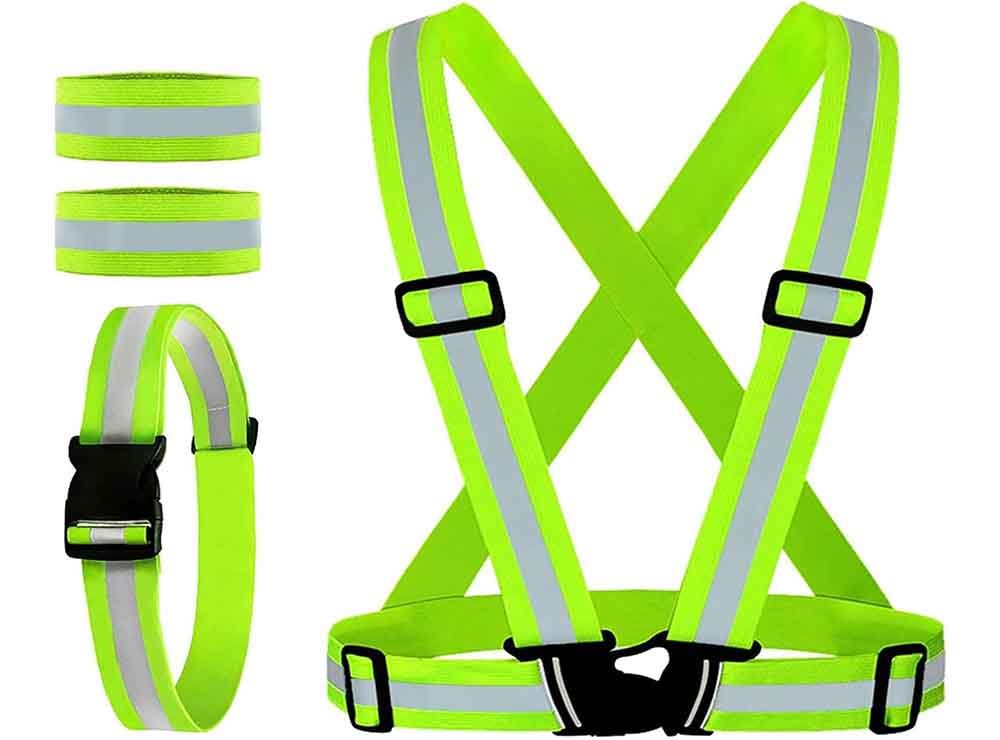
In today’s fast‑paced world—whether on busy urban streets, dimly lit construction sites, or sprawling warehouse floors—being seen is half the battle. A reflective belt transforms you from another shadow into a bright, unmistakable presence. But slipping one on incorrectly can render even the best‑designed belt nearly useless. What makes the difference between life‑saving visibility and an overlooked hazard? How you wear your belt determines whether you’re a beacon of safety or a risk in plain sight.
A reflective belt is a wearable strip of high‑visibility webbing designed to bounce light back to its source, enhancing wearer visibility in low‑light environments. Properly worn around the waist or torso, it maximizes the surface area exposed to headlights or work‑zone lighting, reduces accidents by up to 45%, and meets ANSI/ISEA 107 standards for high‑visibility safety apparel.
Imagine you’re stepping off a delivery van just before dawn, hauling equipment across a dimly lit loading bay. Your reflective belt catches a forklift’s headlights, transforming you from a dark silhouette into a bright stripe of safety. That moment of clarity—driver sees you, you stay safe—stems from proper belt choice, placement, and adjustment. Let’s dive into exactly what you need to know to make every reflective belt count.
A reflective belt is a high‑visibility strap made of fluorescent and retro‑reflective materials that enhance wearer visibility under artificial light. It’s important because it reduces the risk of accidents by making pedestrians, cyclists, and workers stand out—especially in low‑light or high‑traffic environments.
Reflective belts combine two core technologies: fluorescent bases (often neon yellow or orange) that boost daytime visibility, and retro‑reflective strips—tiny glass beads or microprismatic films—that return light directly to its source at night. Standards such as ANSI/ISEA 107 in the U.S. and EN ISO 20471 in Europe dictate minimum reflective surface areas: 215 cm² for belts alone, up to 0.5 m² when combined with garments.
Material Science & Construction
Risk Reduction Data
A 2023 study by the National Safety Council found that workers wearing ANSI 107‑compliant belts experienced 45% fewer near‑miss incidents than those without any reflective gear. Similarly, urban cyclists using microprismatic belts saw a 30% decrease in nighttime close‑calls with vehicles.
Use Cases
The bottom line: a reflective belt is not a fashion accessory—it’s a critical safety device that can mean the difference between being seen or becoming another statistic.
Choose a belt based on activity type, required compliance level, and comfort features. Look for ANSI/ISEA 107 or EN ISO 20471 certification, adjustability (waist 66–120 cm), buckle ease, and weather‑resistant materials suited to your environment.
Selecting the ideal reflective belt starts with defining your primary use case:
Fit & Adjustability
Environmental Resistance
Compliance & Certification
Ensure belts carry a sewn‑in label detailing standard (e.g., ANSI/ISEA 107‑2020), reflective area, manufacturer, and batch number. Non‑compliant belts risk fines and, more critically, reduced visibility due to insufficient reflectivity.
Microprismatic reflective tapes outperform glass‑bead tapes, offering up to 500 cd/lx/m² reflectivity. Combined with fluorescent webbing (neon yellow/orange), they maximize daytime and nighttime visibility. Wide‑strip designs (50 mm+) further increase light return.
Glass‑Bead vs. Microprismatic
Webbing Color & Contrast
Studies show that fluorescent yellow‑green yields up to 25% better daytime contrast against urban backdrops than orange. For mixed‑environment use (forests, urban), yellow‑green is preferred; for dusty or desert settings, orange prevents color blending.
Design Variations
Performance Table
| Material Type | Reflectivity (cd/lx/m²) | Wash Durability | Flexibility | Typical Cost (%) |
|---|---|---|---|---|
| Glass‑Bead Tape | 80–200 | 100 cycles | High | 100 |
| Microprismatic Tape | ≥ 500 | 500+ cycles | Medium | 150 |
| LED‑Integrated Belt | Active light up to 150 m | N/A | Low | 300 |
Choosing the right combination of webbing color and tape technology ensures that your reflective belt remains a powerful safety tool under any lighting condition.
Step into the belt or wrap it around your waist, tighten the webbing so it sits snugly above your hip bones (two fingers’ gap), and secure the buckle. Ensure the reflective panels lie flat and centered on your torso, then perform movement tests—squats, bends—to confirm no shifting or twisting.
Proper fitting transforms a reflective belt from a mere accessory into a life‑saving device. Follow these steps:
Inspection Before Donning:
Donning the Belt:
Waist Adjustment:
Buckle Security:
Movement Verification:
Comfort Enhancements:
Team Fitting Stations:
A correct fit not only maximizes visibility but also ensures the belt stays in place during dynamic movements—crucial in emergencies when split‑second recognition can save lives.
Clean belts by hand‑washing in lukewarm water with mild detergent, then air‑dry away from direct sunlight. Inspect for tape delamination or webbing wear before each use. Store belts flat in a cool, dry place to maintain shape and reflective performance.
Routine maintenance preserves both the functionality and lifespan of your reflective belt:
Daily Quick Checks:
Periodic Hand Washing:
Drying Protocol:
Hardware Care:
Storage Best Practices:
Replacement Guidelines:
By integrating these steps into your safety program, you ensure that each belt continues to meet visibility standards and withstands the rigors of daily use—protecting wearers night and day.
Reflective belts must meet ANSI/ISEA 107 in the U.S. or EN ISO 20471 in Europe, defining minimum reflective area, tape performance (≥ 100 cd/lx/m² for glass beads, ≥ 500 cd/lx/m² for microprismatic), and durability tests. Certified belts carry tags indicating compliance, manufacturer, and batch number.
ANSI/ISEA 107 (U.S.)
EN ISO 20471 (Europe)
CSA Z96 (Canada)
Certifications & Labeling
Every compliant belt includes a tag listing:
Non‑certified belts may save cost upfront but risk non‑compliance fines and, more critically, wearer safety if materials fail to perform when it matters most.
Avoid wearing belts under bulky outerwear, using worn‑out or non‑certified belts, and neglecting adjustment before work. Common errors include covering reflective strips with clothing, improper buckle engagement, and skipping routine inspections—all of which undermine visibility and safety.
Despite their simplicity, reflective belts are often misused:
Concealing the Belt:
Using Expired or Damaged Belts:
Incorrect Adjustment:
Non‑Certified “Look‑Alikes”:
Improper Storage:
Neglecting Environmental Factors:
By recognizing and correcting these common pitfalls, you ensure that your reflective belt performs reliably whenever visibility matters most.
Reflective belts can be personalized with logo‑printed fluorescent webbing, custom‑colored tape, and specialized hardware. Szoneier offers low‑MOQ runs, digital printing up to 4 colors, and bespoke buckle designs to match corporate branding or event themes.
Customization elevates your safety gear from generic to brand‑aligned:
Logo Integration:
Tape Color & Pattern Variations:
Hardware Options:
Special Applications:
Low MOQ & Fast Sampling:
Quality Assurance & Certification:
Custom reflective belts serve dual roles: maximizing safety and reinforcing brand identity. Whether outfitting a corporate fleet, event staff, or promotional giveaways, personalized belts make your organization both visible and memorable.
A properly chosen, fitted, and maintained reflective belt is more than compliance—it’s peace of mind for workers and fleets alike. At Szoneier, we combine 18 years of webbing expertise with cutting‑edge materials, rigorous testing, and flexible customization to deliver reflective belts that meet your exact needs. From microprismatic high‑vis tape to full‑color logo printing, we’re your one‑stop partner for safety and branding.
Contact Szoneier today to request samples, discuss low‑MOQ custom runs, and ensure your team shines bright and stays safe—day or night.


No worries, please contact us and we will answer all the questions you have during the whole process of webbing customization.
If you have your own artwork, logo design files, or just an idea,please provide details about your project requirements, including preferred fabric, color, and customization options,we’re excited to assist you in bringing your bespoke bag designs to life through our sample production process.

Copyright ©2021 Szoneier , All rights reserved.
Looking for premium custom webbing? Contact us now for competitive pricing, free samples, and expert consultation. Fill out the form below, and our team will get back to you within 24 hours!
 Optimized by Seraphinite Accelerator