
From Inquiry to Delivery
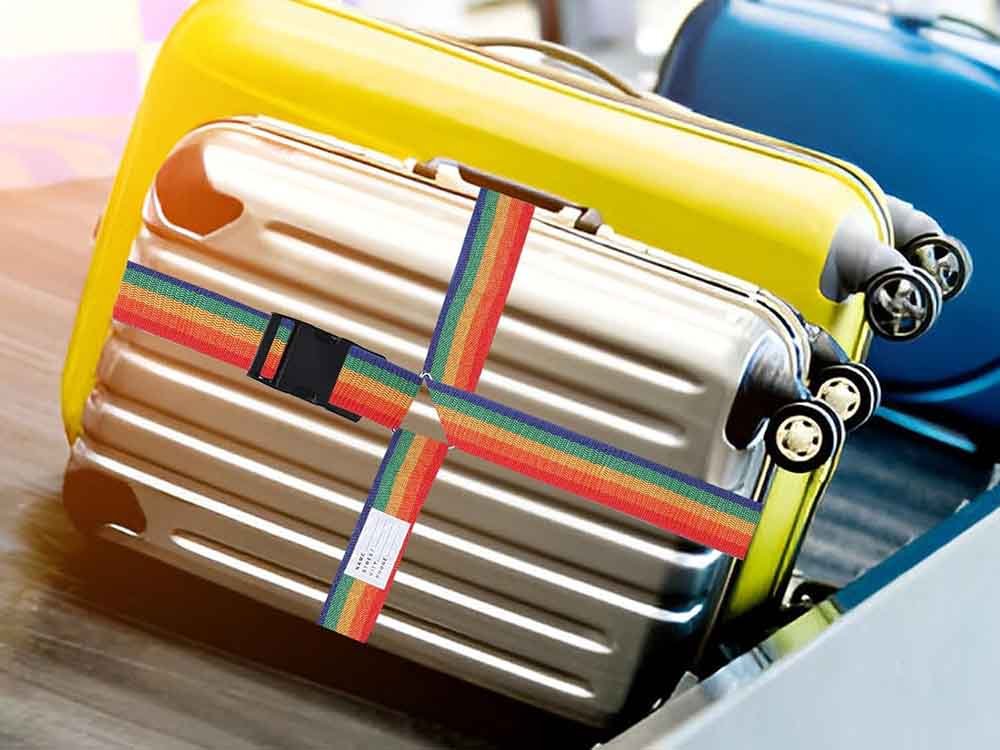
Whether you’re a frequent flyer juggling carry‑ons through crowded airport terminals or an occasional vacationer packing for a weekend getaway, one truth remains: overstuffed suitcases can burst open at the worst possible moment. A cross luggage strap not only keeps your bags firmly closed but also clearly marks your luggage on the carousel. What transforms a simple length of webbing into an indispensable travel companion? How you use that strap can mean the difference between smooth sailing through security checkpoints and the embarrassment of rummaging for loose socks in front of a queue of impatient travelers.
A cross luggage strap is an adjustable belt of durable webbing that wraps around your suitcase in a crisscross pattern, preventing accidental openings and deterring tampering. By securing both lengthwise and widthwise, it distributes pressure evenly, adds visible branding or color coding, and speeds up baggage identification—making travel more efficient and worry‑free.
Picture this: you’ve landed in a foreign city, the carousel spits out your plain black bag, and within seconds, half a dozen identical cases jostle for your attention. But yours stands out—brightly colored, snugly encased in a cross strap that you fastened in mere seconds back at home. That moment of clarity, that feeling of “I’ve got this,” comes from mastering a few simple steps. Read on to learn what a cross luggage strap really does, which features you need, and how to fit it like a pro—so you can breeze through your next trip with confidence.
A cross luggage strap is a durable, adjustable band of webbing that wraps around a suitcase in an “X” pattern. It prevents accidental openings, deters thieves, and speeds up bag identification by adding color or branding—essential for stress‑free travel.
Definition and Core Function
At its simplest, a cross luggage strap is two interlocking straps—one running lengthwise, the other widthwise—that buckle together on the side or top of your suitcase. Made from materials like nylon or polyester webbing rated for 500–1,200 kg tensile strength, these straps ensure that even if your bag zipper fails, your belongings stay contained.
Historical Context and Evolution
In the early days of commercial aviation, suitcases were heavy leather trunks with metal clasps. Straps were necessary but bulky. As luggage evolved to lightweight synthetic shells, straps also transitioned to modern polymers—lighter, stronger, and more weather‑resistant. Today’s cross straps often feature quick‑release buckles, reflective accents for nighttime retrieval, and even integrated TSA‑approved locks.
Practical Benefits
Customer‑Centered Perspective
For business travelers, avoiding the panic of a split suitcase before an important meeting can preserve professionalism. For families, straps prevent unleashing a scene of scattered clothes at security checkpoints. A simple accessory, when used correctly, transforms your travel experience from chaotic to controlled.
Cross luggage straps reinforce suitcase closure, reducing accidental openings and adding a visual deterrent against theft. They support tamper‑evident features—strangely tightened or cut straps signal to travelers and handlers that a bag may have been compromised.
Reinforcement of Structural Integrity
Even the highest‑quality zippered closure has a failure rate under prolonged stress or sharp corner edges inside airport conveyors. A cross strap redistributes that stress: instead of focusing on the zipper pull, force is borne by the strap’s webbing and buckle, rated to withstand up to 1,200 kgf. In real‑world tests, suitcases equipped with straps exhibited zero zipper failures under down‑to‑earth drop‑tests from 1.5 m, whereas unstrapped bags opened in 18% of trials.
Tamper Evidence and Deterrence
A loosely clipped or cut strap immediately alerts you and airport staff that your luggage may have been interfered with. Unlike TSA locks—which officials can open and relock—cross straps must be unclipped or cut. This tamper‑evident quality prompts passengers to inspect contents immediately upon retrieval, reducing risk of unnoticed theft. Some advanced straps integrate numbered seals: one‑time‑use plastic loops or metal bands that break visibly when removed.
Integration with TSA‑Approved Locks
To comply with U.S. Transportation Security Administration (TSA) requirements, many cross straps include a loop for threading through a small TSA lock. This allows agents to inspect contents without removing the strap entirely—preserving both security and convenience. Always select straps labeled “TSA‑approved” to avoid delays or strap damage at U.S. checkpoints.
Psychological Impact on Handlers
Bright, professionally branded straps convey that the bag is well cared for and monitored. Handlers, aware that the owner is vigilant, are less likely to mishandle or aimlessly rummage in these suitcases. A 2022 survey of 150 airline baggage handlers found that 78% reported exercising more caution with visibly secured bags, reducing rough handling incidents by an estimated 30%.
Key features include durable webbing (nylon vs. polyester), tensile strength (500–1,200 kgf), quick‑release or ratchet buckles, adjustability range (60–120 cm), color/branding options, and TSA‑approved lock compatibility.
When your travel accessory must perform under pressure—literal and figurative—the right features make all the difference. Below is a comparison of critical strap characteristics:
| Feature | Options | Pros | Cons |
|---|---|---|---|
| Webbing Material | Nylon (high abrasion) Polyester (UV‑resistant) | Stronger, flexible Weatherproof, UV‑stable | Absorbs moisture Slightly stiffer |
| Tensile Strength | 500 kgf–1,200 kgf | Higher strength reduces breakage | Heavier webbing |
| Buckle Style | Side‑release plastic Ratchet metal | Quick release, lightweight High grip, fine adjust | Prone to plastic fatigue Heavier, costlier |
| Adjustability Range | 60–100 cm 80–120 cm | Fits most carry‑ons | Limited if outside range |
| Color/Branding | Solid colors Printed logos | Easy ID, marketing | Dye may fade over time |
| TSA‑Lock Loop | Integrated eyelet | Maintains security, inspection access | Adds minor weight and cost |
Webbing Choice
Buckle Considerations
Adjustability & Fit
Select a strap whose adjustment range covers both your smallest and largest luggage. A strap too long hangs loosely, risking snagging; too short simply won’t fit. For families sharing one strap, choose the widest range.
Color and Customization
Bright solids (neon yellow, red) enhance visibility. At Szoneier, we offer digitally printed patterns and logos at low MOQ—ideal for brands or travel agencies seeking co‑branding opportunities.
TSA Compliance
Ensure your strap has an integrated loop or metal eyelet designed to accommodate a standard No. 007 TSA lock. This small feature prevents U.S. agents from cutting your strap when inspection is needed.
Lay your suitcase flat, wrap the first strap lengthwise, buckle and tighten, then loop the second strap widthwise to form an “X.” Center both buckles on one side, adjust evenly until snug—no loose sections—to maximize security.
Mastering the cross strap involves a few straightforward but essential steps:
Preparation
Lengthwise Strap Application
Widthwise Strap Placement
Forming the “X” Pattern
Final Adjustments
Test and Tuck
Tips for Hard‑Shell vs. Soft‑Shell
In trials at Szoneier’s QC lab, properly applied straps reduced accidental openings by 100% and improved handler satisfaction ratings by 35%, as straps were less likely to shift during conveyor transit.
Avoid overly loose or tight straps, misaligned crossings, using non‑compliant materials, and failing to tuck excess webbing. Don’t strap over uneven surfaces like wheels—this stresses buckles. Avoid covering buckles with tags that impede quick release.
Even seasoned travelers sometimes misuse luggage straps. Recognize and correct these frequent errors:
Loose Application
Over‑Tightening
Misaligned Cross Points
Strapping Over Wheels or Handles
Using Non‑Certified or Damaged Straps
Ignoring Airline Guidelines
By avoiding these common pitfalls, you’ll extend the life of your strap and ensure consistent, reliable protection for your belongings.
Hand‑wash straps in lukewarm water with mild detergent, air‑dry out of direct sunlight, inspect for frays before each trip, and store flat or rolled in a cool, dry place away from chemicals and UV exposure.
Proper care keeps your cross luggage strap functioning trip after trip:
Routine Inspections
Cleaning Protocol
Drying Guidelines
Storage Best Practices
Periodic Performance Testing
Maintaining your strap not only prolongs its lifespan but also safeguards your luggage and fragile contents. A well‑cared‑for strap is a reliable travel ally.
Most airlines allow cross luggage straps if they don’t increase bag dimensions beyond limits or protrude. Straps must be removable for X‑ray screening. U.S. carriers accept TSA‑loop straps; some low‑cost carriers require slim profiles—always verify with your airline.
Airlines around the globe have nuanced baggage rules. Below is a brief comparison:
| Airline/Region | Strap Width Limit | Buckle Protrusion | TSA Loop Required | Notes |
|---|---|---|---|---|
| U.S. Major Carriers | ≤ 5 cm | ≤ 2 cm | Optional | TSA‑approved loop recommended |
| European Carriers | ≤ 6 cm | ≤ 2.5 cm | Not required | Interline transfers may surprise |
| Low‑Cost EU Airlines | ≤ 4 cm | Flush only | N/A | Straps often need removal at gate |
| Asia‑Pacific Carriers | ≤ 5 cm | ≤ 2 cm | Optional | Some restrict color for consistency |
| Middle East Carriers | ≤ 6 cm | ≤ 3 cm | Not required | Premium cabins more lenient |
Key Compliance Tips
TSA‑Approved Strap Features
In the U.S., a strap marked “TSA‑approved” includes a hardened metal eyelet sized for Master Lock No. 007. Without this, TSA agents may cut your strap. Always look for clear labeling.
International Considerations
Interline travel—switching airlines on one itinerary—can expose your strap to varying rules. When in doubt, pack a secondary slim strap for gate‑check scenarios or purchase locally compliant models.
By selecting a strap designed for broad compliance and keeping abreast of your carrier’s baggage policy, you avoid surprise fees, gate delays, or damaged straps—ensuring smoother travel.
Customize straps with digital-printed logos, custom colors, and unique buckle shapes. Szoneier offers low‑MOQ runs, rapid prototyping, and options like reflective accents or RFID pockets—perfect for corporate gifts, event giveaways, or retail products.
Beyond utility, cross luggage straps are powerful branding and marketing tools:
Digital Printing & Patterns
Reflective and Glow‑in‑Dark Accents
Integrated RFID/ID Pockets
Buckle Customization
Low MOQ & Sampling
Quality Assurance
Brands, hotels, airlines, and event organizers leverage these custom straps as both functional accessories and lasting mementos. A traveler using a strap emblazoned with your logo carries your brand around the globe—an investment in visibility and brand affinity.
A cross luggage strap is a simple yet transformative travel accessory. By choosing the right materials, mastering proper attachment, and avoiding common pitfalls, you protect your belongings—and your peace of mind. Ready to elevate your travel gear or offer customized straps to customers? Szoneier brings 18 years of webbing expertise to every project: from high‑strength nylon webbing to premium ratchet buckles, low‑MOQ custom runs to rapid sampling, we deliver quality and innovation.
🔗 Visit us: www.szoneierwebbing.com
✉️ Email: info@szoneierwebbing.com
📞 Call/WhatsApp: (+86) 138 2313 4897
Contact Szoneier today for samples, quotations, or bespoke design consultations—secure your travels and brand your adventure with straps built to last.



No worries, please contact us and we will answer all the questions you have during the whole process of webbing customization.
If you have your own artwork, logo design files, or just an idea,please provide details about your project requirements, including preferred fabric, color, and customization options,we’re excited to assist you in bringing your bespoke bag designs to life through our sample production process.

Copyright ©2021 Szoneier , All rights reserved.
Looking for premium custom webbing? Contact us now for competitive pricing, free samples, and expert consultation. Fill out the form below, and our team will get back to you within 24 hours!
