
- (+86)13823134897
- info@szoneierwebbing.com
From Inquiry to Delivery
 Skip to content
 From Inquiry to Delivery
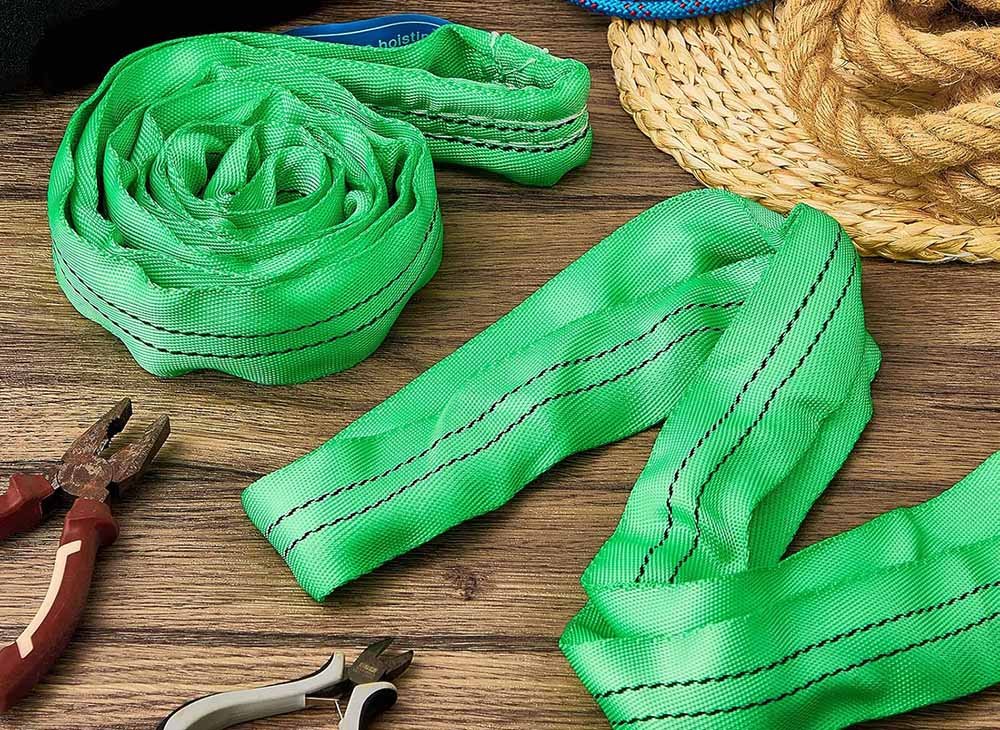
Whether you’re building a line of ergonomic lifting gear, outdoor furniture, or heavy-duty utility straps, the term “sling material” likely comes up during sourcing. But what does it actually mean? What makes it different from other webbing fabrics? And most importantly—how do you pick the right one for your brand?
In today’s global supply chain, sling material isn’t just a technical term. It represents a category of high-performance fabrics designed for tension, load-bearing, and durability across multiple industries—from medical and industrial to outdoor lifestyle products. Buyers often confuse sling webbing with standard straps or fabric belts. But sling material is a whole different league when it comes to construction, strength, and purpose.
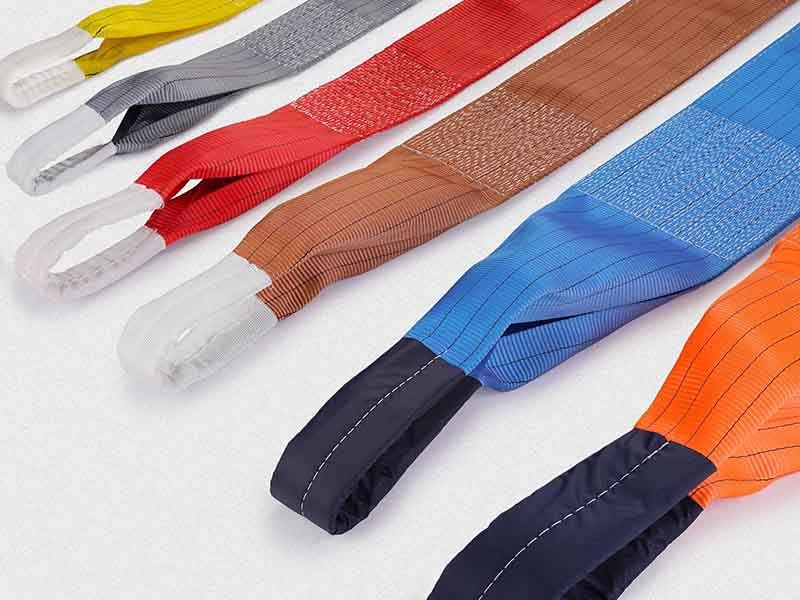
Sling material refers to woven, high-strength fabrics—often polyester, nylon, or vinyl-coated mesh—used in applications requiring load support, tension, or weight distribution. It’s common in lifting slings, patio furniture, medical harnesses, and custom straps.
Still reading? Good—because understanding sling material may save you thousands in sourcing errors. Take for example a U.S. outdoor brand that sourced standard cotton webbing for its poolside loungers. Within 2 months, the chairs warped, mold spread, and customers complained. They hadn’t used real sling material—which would’ve provided UV resistance, drainage, and long-term strength. Don’t make that mistake.
Let’s dive deep into what sling material is, how it works, and how your business can customize it with reliable manufacturers like Szoneier.
Sling material is typically made of polyester, nylon, or vinyl-coated mesh. These materials are selected for their high strength, stretch resistance, water repellence, and durability under tension.
Sling material refers to a category of high-tensile webbing or fabric designed specifically to support weight, tension, or lifting pressure. Depending on application, the construction of sling materials can vary in texture, weave density, and chemical treatment.
The three most common base fibers used in sling material are:
Cotton and polypropylene may also be used in lightweight or decorative applications, but they lack the industrial strength for true sling-grade performance.
The weaving structure also matters. Sling material may be plain-woven, twill-woven, or mesh-structured for breathability and drainage. The denser the weave, the higher the load-bearing capacity.
In addition, some sling materials are laminated or coated for:
This makes sling material not only physically durable but chemically and environmentally robust—fit for factory floors, healthcare centers, construction sites, or poolside furniture alike.
The most common types of sling material include polyester webbing, nylon lifting slings, vinyl-coated mesh, and specialized blends for medical or outdoor use.
Depending on where sling material is used, its construction and coating will vary. Below are the most widely used types:
| Type | Material | Use Case | Load Capacity | Coated Options |
|---|---|---|---|---|
| Polyester Flat Webbing | 100% Polyester | Industrial lifting | High | Yes |
| Nylon Endless Sling | Nylon Fiber Core | Cargo handling, cranes | High | Yes |
| Vinyl-Coated Mesh | PVC + Polyester | Furniture, outdoors | Medium | Yes |
| Medical Sling Webbing | Padded Nylon | Healthcare, patient safety | Medium | Optional |
| Cotton/PP Decorative Tape | Cotton or PP | Bags, baby straps | Low | Optional |
Each material serves different industries—and choosing the wrong one can compromise safety, durability, and customer satisfaction.
Sling materials are engineered for durability, with tensile strength ranging from 1 to 10 tons, UV resistance, waterproof performance, and chemical coating options for long-term outdoor or industrial use.
The biggest advantage of sling material lies in its mechanical performance. Whether you’re lifting a steel beam, supporting a person, or enduring 40°C outdoor heat, the material must perform—consistently and safely.
Key durability features:
| Feature | Polyester | Nylon | Vinyl-Coated Mesh |
|---|---|---|---|
| Tensile Strength | High | Very High | Medium |
| Stretch Factor | Low (5-10%) | Moderate (10-20%) | Very Low |
| UV Resistance | Excellent | Good | Excellent |
| Waterproof | Good | Fair | Excellent |
| Lifespan (Outdoor) | 3–5 years | 2–4 years | 4–6 years |
Proper testing is critical. Sling materials used in lifting or rescue scenarios must meet safety standards like ANSI, CE, or ISO—a quality standard Szoneier adheres to in all OEM projects.
In conclusion, sling fabric isn’t just strong—it’s strategically engineered to survive tough, real-world conditions.
Most sling materials are waterproof and UV-resistant by design. Eco-friendly options are available, including recycled polyester and low-impact coatings.
Modern sling materials are developed with outdoor, medical, and heavy-duty environments in mind. That means waterproof and UV-resistant capabilities are often built in as standard—but the degree of performance varies by material type and finish.
Szoneier offers sling fabrics made with recycled polyester (rPET), which reduces environmental impact without sacrificing strength.
Other sustainable features include:
Choosing eco-friendly sling materials not only aligns with sustainability goals but can be a strong selling point for brands targeting environmentally conscious consumers.
Sling material is used in industrial lifting, medical slings, patio furniture, tactical gear, pet accessories, and baby carriers, offering both strength and flexibility.
Sling material’s adaptability is what makes it so valuable across industries. Below are some of the most common—and commercially important—applications:
Used in construction, shipping yards, and heavy manufacturing, polyester or nylon webbing slings handle loads ranging from 1 to 20 tons. These slings must meet strict ANSI or CE safety standards.
Vinyl-coated sling fabric is perfect for lounge chairs, poolside beds, and camping gear. Its breathability, resistance to sun/chlorine, and printability make it a favorite for custom outdoor lines.
Sling webbing is used in patient transfer devices, rehabilitation harnesses, and mobility supports. Soft finishes and stretch characteristics are critical here.
From soft cotton baby slings to high-strength nylon dog harnesses, sling material is both safe and ergonomic when chosen carefully.
Used by military, firefighters, and extreme sports gear, high-tenacity polyester or nylon slings provide dependable weight support in demanding environments.
This versatility is what makes sling material a strategic choice for many OEM buyers—and why working with an experienced manufacturer like Szoneier brings value across product categories.
Sling material can be customized by material type, color, width, weave, logo printing, and packaging, with Szoneier offering low MOQs, quick sampling, and global shipping.
Sling fabric is a product category where customization equals differentiation. Here’s how Szoneier helps brands stand out:
Szoneier’s advantage lies in our low MOQ, fast sampling (3–5 days), and full OEM/ODM capabilities. Whether you’re building your first line or scaling a product globally, we’re equipped to partner with you.
Choose a sling material supplier with in-house weaving, quality certifications, low MOQ, sampling speed, and OEM support—like Szoneier.
Not all suppliers are created equal. Here’s what to consider when choosing your sling material manufacturer:
With 18+ years in the webbing and sling materials industry, Szoneier has built long-term relationships with global brands and boutique buyers alike. Our strength lies in our technical know-how, agility, and trustworthiness.
Sling material is more than just fabric—it’s the foundation of safety, durability, and performance across industries. Whether you’re sourcing for industrial slings, stylish outdoor gear, medical straps, or pet accessories, choosing the right sling webbing is crucial.
That’s where Szoneier comes in.
📌 Why Choose Szoneier:
📩 Let’s talk about your project
🌐 Visit us: www.szoneierwebbing.com
📧 Email: info@szoneierwebbing.com
📞 WhatsApp: (+86) 13823134897
Your brand deserves sling material that performs as beautifully as it looks. Let’s build it together.


No worries, please contact us and we will answer all the questions you have during the whole process of webbing customization.
If you have your own artwork, logo design files, or just an idea,please provide details about your project requirements, including preferred fabric, color, and customization options,we’re excited to assist you in bringing your bespoke bag designs to life through our sample production process.

Copyright ©2021 Szoneier , All rights reserved.
Looking for premium custom webbing? Contact us now for competitive pricing, free samples, and expert consultation. Fill out the form below, and our team will get back to you within 24 hours!
 Optimized by Seraphinite Accelerator