
From Inquiry to Delivery

In the world of sewing and garment design, the smallest details often make the biggest impact. One such underrated yet powerful accessory is twill tape—a narrow, woven strip that combines function, flexibility, and subtle aesthetics in one neat package. From reinforcing seams to adding vintage charm to garments, twill tape quietly supports countless professional and DIY sewing projects around the globe.
Twill tape is commonly used in sewing for binding edges, reinforcing seams, creating drawstring casings, finishing hems, and adding structure to lightweight fabrics. It is a flat woven tape made in a distinctive herringbone or twill weave and can be produced from cotton, polyester, nylon, or blended fibers. Available in various widths and colors, it’s a go-to notion for tailors, costume designers, and textile manufacturers alike.
While most sewists encounter twill tape when adjusting waistbands or binding necklines, few realize how customizable it is—especially when sourcing directly from a trusted OEM supplier like Szoneier, which offers low MOQ, free samples, and custom dyeing options.
So how exactly is twill tape made? Why is it often favored over bias tape or grosgrain ribbon? And where can professional buyers or fashion brands get it custom-made at factory-direct prices? Let’s break it all down—from basics to bulk sourcing.
Twill tape is a narrow, flat fabric strip made using a twill weave, known for its diagonal ribs. It is typically produced using cotton, polyester, or nylon fibers and comes in widths ranging from 1/4″ to 2″.
Twill tape is characterized by its distinct diagonal weave pattern, which is both sturdy and flexible. Unlike plain woven tape, the twill weave (also known as herringbone in many cases) offers a soft hand feel with improved durability. This makes it ideal for applications where strength and texture both matter—such as reinforcing seams or binding fabric edges.
The manufacturing process involves:
Most commonly available in rolls of 25 to 100 yards, twill tape is supplied to fabric stores, fashion studios, medical textile makers, and costume departments worldwide.
Twill tape is used in sewing to reinforce seams, bind raw edges, create casings, and secure trims in garments, bags, and upholstery.
Twill tape serves both decorative and structural roles in sewing. Its versatility allows it to be sewn flat or folded, making it easy to integrate into nearly any part of a textile item:
| Application | Description |
|---|---|
| Seam Reinforcement | Used to strengthen shoulder seams or stress points in garments |
| Edge Binding | Neatly encloses raw edges in place of serging or overlocking |
| Waistband / Casing | Acts as a casing for drawstrings or elastic in pants, hoodies, bags |
| Label Attachment | Provides a clean base to sew on brand tags or care labels |
| Hanger Loops | Used to form durable loops inside garments or towels |
For example, in a linen shirt manufacturing line, twill tape may be used inside the shoulder seam to prevent stretching over time. In costume design, it’s often dyed and stitched visibly to enhance the vintage aesthetic of a jacket or skirt.
In home décor, you’ll find it stabilizing curtain headers or forming ties on cushion covers. Its softness and strength also make it suitable for infant wear and medical textiles.
The most common materials for twill tape are cotton, polyester, nylon, and cotton-poly blends—each offering distinct performance characteristics.
Choosing the right fiber for twill tape depends heavily on the end-use. Let’s break down the pros and cons of each material:
| Material | Advantages | Disadvantages | Best For |
|---|---|---|---|
| Cotton | Soft, breathable, natural feel, easy to sew | Shrinks if not pre-washed, less durable | Apparel, kidswear, labels |
| Polyester | Strong, wrinkle-resistant, low shrinkage | Slightly slippery, not biodegradable | Outdoor gear, bags, casings |
| Nylon | Extremely durable, flexible, resistant to wear | Can be too slick for some fabrics | Technical apparel, medical use |
| Cotton-Poly Blends | Balance of softness and strength | May pill or fade over time | Garments, uniforms |
Szoneier offers all of these variations and can customize them further with anti-fray coatings, flame-retardant treatments, and colorfast dyeing. Depending on your brand’s requirements, you can request material specs and performance certifications with your order.
Twill tape is generally better for strength and structure, while bias tape is best for curved edges and grosgrain for decorative use.
When deciding between these three common tapes, context is key:
| Feature | Twill Tape | Bias Tape | Grosgrain |
|---|---|---|---|
| Flexibility | Moderate | High | Low |
| Strength | High | Medium | Medium |
| Edge Use | Excellent | Excellent (on curves) | Not ideal |
| Appearance | Matte, flat | Flat, sewn | Decorative, textured |
Garment manufacturers prefer twill tape in hidden structural areas (like inside suits or workwear), whereas bias tape shines in fashion-forward dresses and children’s clothing. Grosgrain is often reserved for bags, hats, and boutique gift wrapping.
If you’re unsure, Szoneier can offer side-by-side material samples for lab testing or prototyping.
Sewing with twill tape involves straight stitching along the edge, folding it for casings, or securing it flat to fabric with minimal puckering or shifting.
Twill tape is beginner-friendly but still requires thoughtful technique:
Machine stitching is ideal for flat application, while hand-sewing allows more control on delicate fabrics. If used as a drawstring casing, remember to leave an opening and use a bodkin to insert the string. For industrial sewing lines, twin-needle attachments may be used for stronger hold.
Szoneier also offers custom pre-folded tape or double-sided adhesive-backed twill for specialized assembly lines.
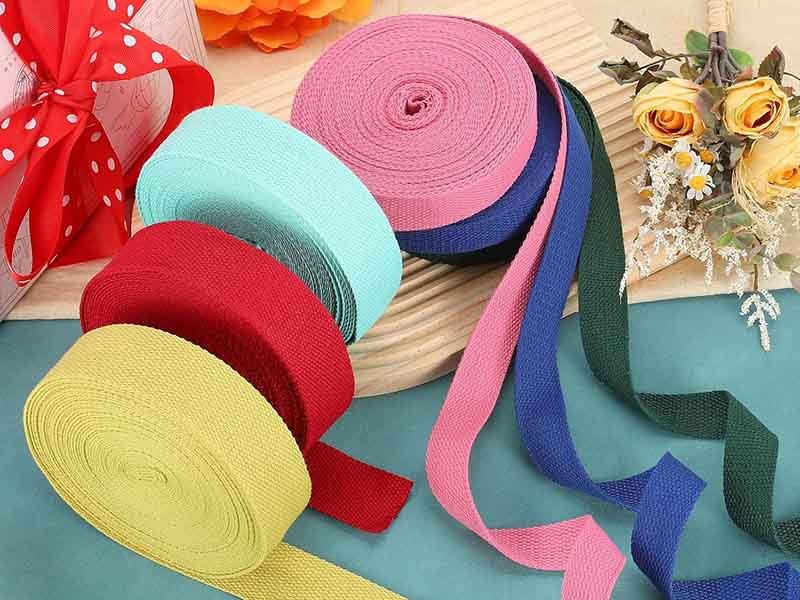
Twill tape comes in standard widths from 1/4 inch to 2 inches and is available in a wide range of colors including natural, black, white, and Pantone-matched hues.
Size and color are more than just design elements—they also impact functionality:
| Width | Common Uses |
|---|---|
| 1/4″ to 3/8″ | Labels, fine garments, infant wear |
| 1/2″ | Hems, shoulder seams |
| 3/4″ to 1″ | Casings, curtain headers, apron ties |
| 1.5″ to 2″ | Upholstery, straps, industrial use |
Color-wise, many manufacturers offer black, white, ivory, khaki, and navy as stock colors. Custom dyeing opens up branding possibilities. At Szoneier, you can request color matching based on Pantone chips or fabric swatches, with MOQs as low as 1000 yards per color.
Additional options include:
Buyers can source twill tape from fabric wholesalers, sewing supply companies, or directly from OEM manufacturers like Szoneier for better pricing and customization.
If you’re sourcing twill tape for brand or product line use, working with a manufacturer like Szoneier offers several advantages:
We serve apparel brands, hospital textile buyers, promotional product makers, and packaging companies across the globe. Whether you need eco-friendly cotton tape for baby wear or flame-retardant polyester tape for uniforms, we tailor each order to your specs.
Whether you’re a sourcing agent, fashion brand, or industrial buyer, Szoneier provides end-to-end twill tape customization:
Contact us now at info@szoneierwebbing.com or visit www.szoneierwebbing.com to get your quote!
Let’s bring your twill tape project to life—on time, on brand, and on budget.


No worries, please contact us and we will answer all the questions you have during the whole process of webbing customization.
If you have your own artwork, logo design files, or just an idea,please provide details about your project requirements, including preferred fabric, color, and customization options,we’re excited to assist you in bringing your bespoke bag designs to life through our sample production process.

Copyright ©2021 Szoneier , All rights reserved.
Looking for premium custom webbing? Contact us now for competitive pricing, free samples, and expert consultation. Fill out the form below, and our team will get back to you within 24 hours!
