
Types of Synthetic Slings: A Complete Guide for Safe Lifting
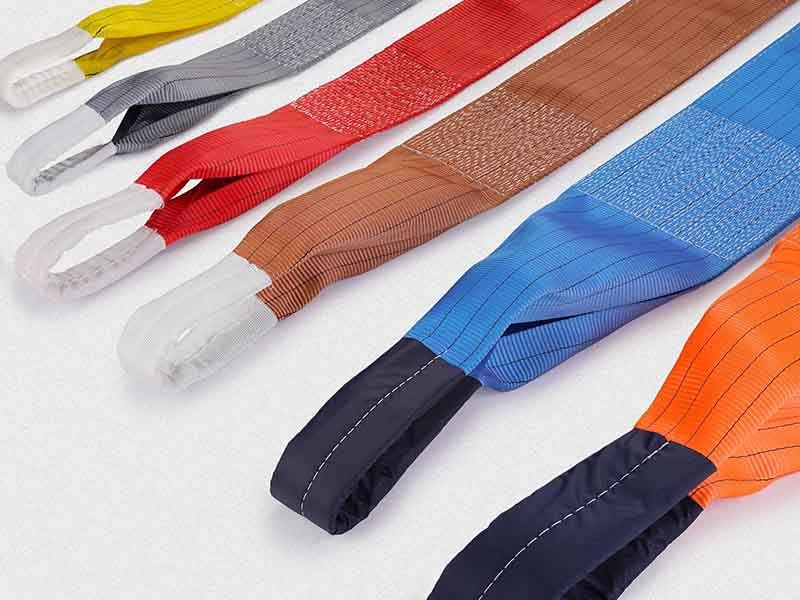
In construction sites, shipyards, and warehouses around the world, one tool has become indispensable for moving heavy loads safely: the synthetic sling. Unlike heavy steel chains or wire ropes, synthetic slings are lightweight, flexible, and far gentler on delicate surfaces. But here’s where most buyers and safety officers start asking questions: what are the different types of synthetic slings, and which one is right for my job?
What Are Webbing Slings Used For? A Complete Construction Guide
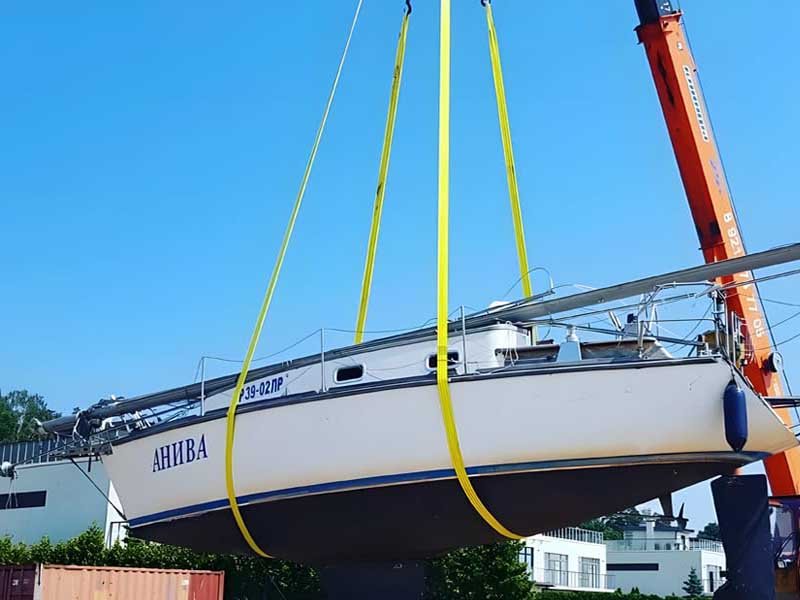
In today’s fast‑paced industries, choosing the right lifting and safety equipment isn’t just about meeting regulations—it’s about keeping people safe and operations smooth. Webbing slings have emerged as a versatile solution, trusted across sectors from heavy‑duty construction sites to adventurous outdoor expeditions. Whether you’re hoisting steel girders or securing kayaks, chances are a webbing sling is involved.
Why Are Safety Belts Important: Essential Guide for Fall Protection

In industries ranging from construction to window‑washing at dizzying heights, safety belts stand between life and tragedy. Every year, thousands of workers suffer falls that could have been prevented with the right protective equipment. A properly chosen and fitted safety belt not only arrests a fall but also gives workers the confidence to focus on their tasks, boosting productivity and morale.
What Is the Best Tactical Belt: The Ultimate Guide
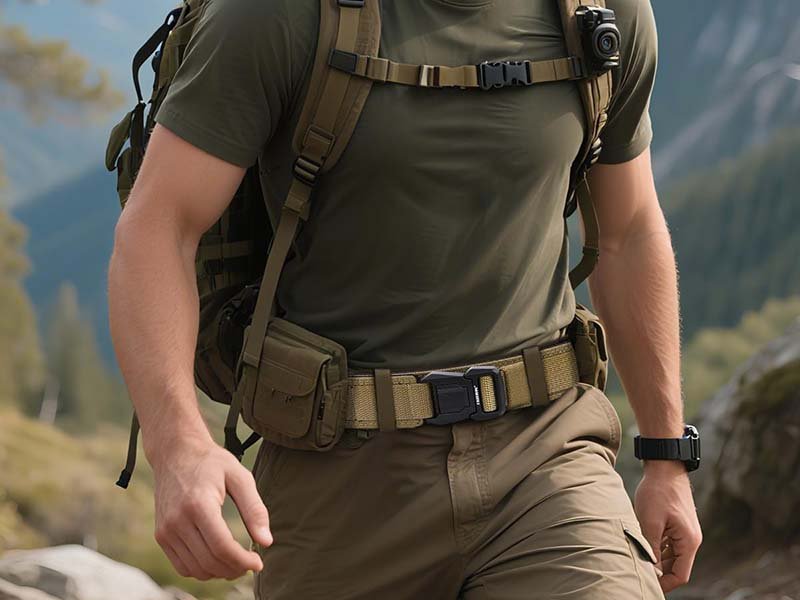
Imagine gearing up for your next mission—be it a weekend hike, a training exercise, or a high‑stakes operation. Your load‑bearing equipment sits on a foundation you might overlook: the tactical belt. A poorly chosen belt can pinch, sag, or even fail under load, turning confidence into concern. Conversely, the best tactical belt can feel like a second skin, distributing weight evenly, offering instant modularity, and standing up to harsh environments. It’s more than an accessory—it’s the backbone of your kit.
How Is Nylon Webbing Made? A Complete Manufacturing Process Explained
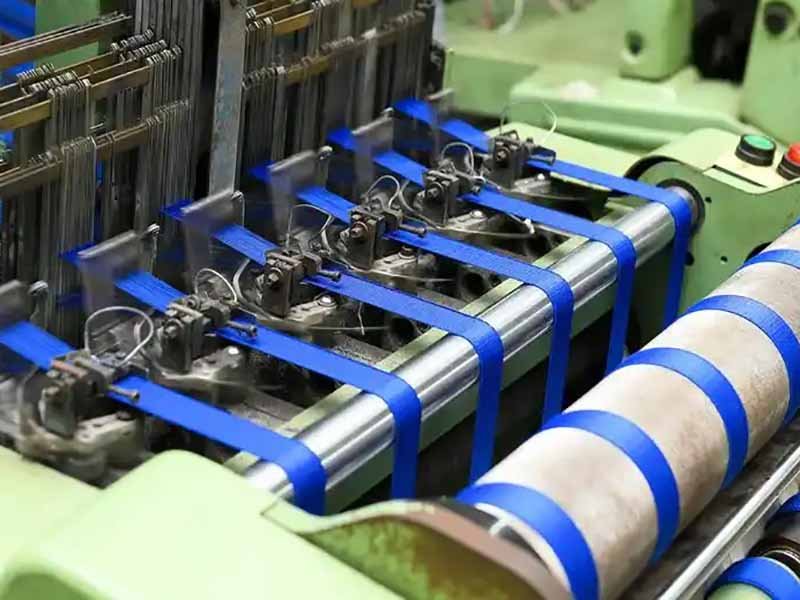
Nylon webbing is manufactured by extruding nylon pellets into filaments, spinning and texturizing yarns, weaving them into specific patterns (plain, twill, jacquard), heat‑setting for dimensional stability, dyeing or printing for color, and applying functional coatings like PU or reflective finishes, followed by rigorous quality tests for strength and colorfastness.
The 15 Best Strap Manufacturers in the World: Which Ones Lead the Market?
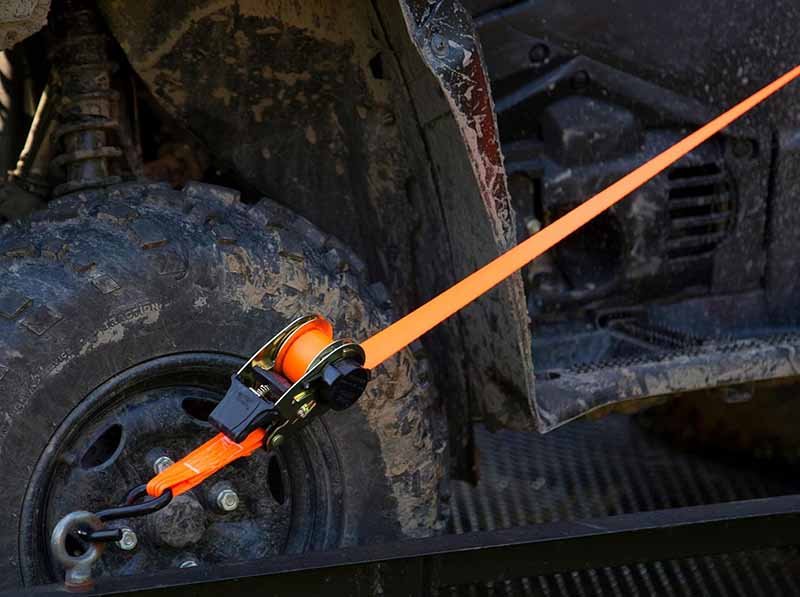
In today’s rapidly evolving manufacturing landscape, selecting the right strap supplier can make or break your product’s performance and time to market. From rugged lifting slings that bear thousands of kilograms to elegant handbag straps that define luxury, the global marketplace is flooded with options—yet only a select few deliver on quality, reliability, and customization. Whether you’re an OEM specifying seatbelts, a boutique brand designing jacquard-woven straps, or a wellness company sourcing antimicrobial bands, understanding who truly leads the industry is critical.
15 Best Lifting Straps Manufacturers of 2025: The Ultimate Guide
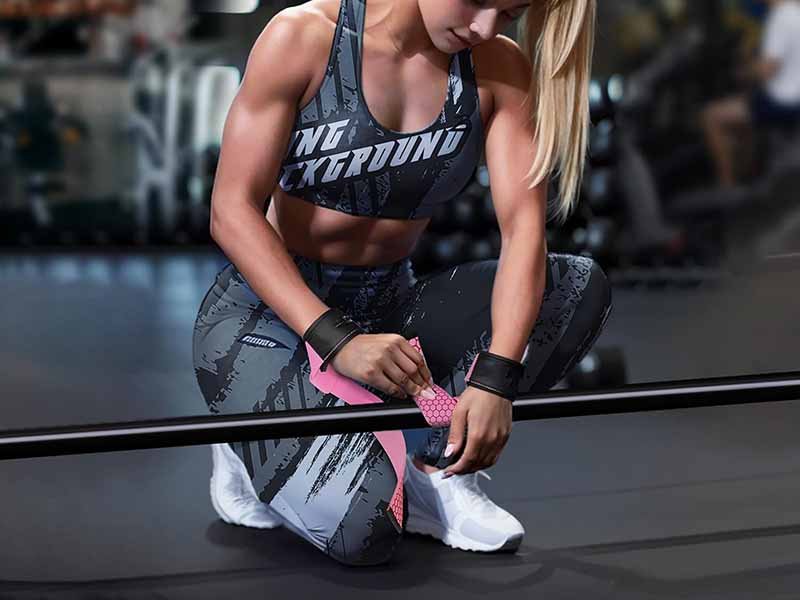
In today’s competitive strength-training market, choosing the right lifting straps can make or break your performance—and your safety. From seasoned powerlifters chasing new personal records to gym owners sourcing durable accessories for their members, the quest for “Which manufacturer offers the highest quality, best customization, and most reliable lead times?” is universal.
Automated vs Manual Webbing Cutting: What Are the Pros, Cons, and Best Practices?
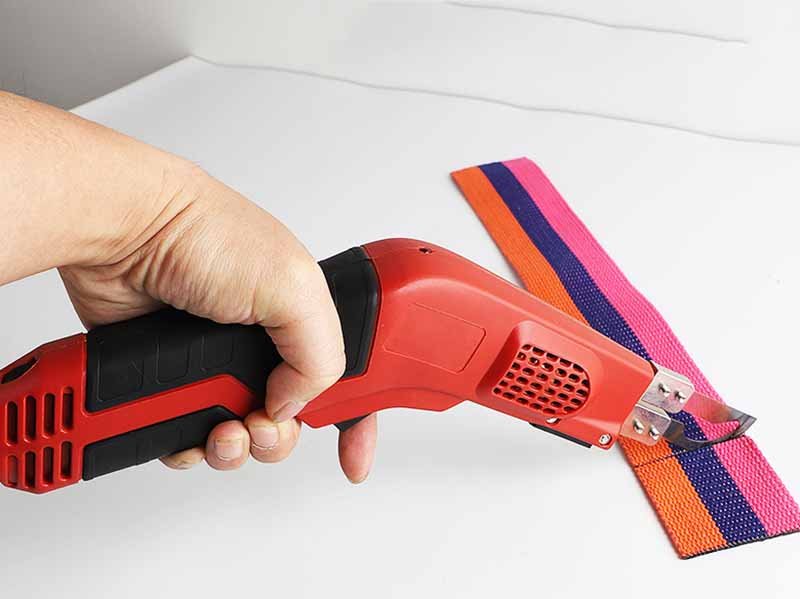
Webbing is the unsung hero of countless industrial and consumer products—from backpack straps and safety harnesses to pet leashes and cargo tie-downs. Choosing the right cutting method directly impacts product quality, production speed, and overall cost. In this exploration of automated vs manual webbing cutting, we’ll unpack the strengths and weaknesses of each approach, reveal critical decision-making factors, and share actionable best practices gleaned from over 18 years of Szoneier’s webbing R&D and manufacturing expertise.
How to Choose the Best Tie Down Webbing Materials
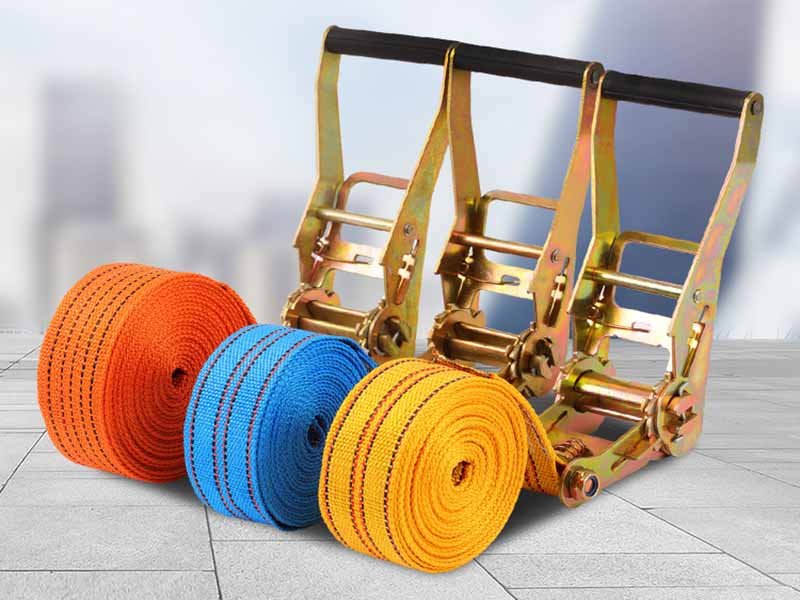
In the world of cargo securing, the right choice of tie down webbing material can mean the difference between a safe delivery and a costly disaster. Whether you’re hauling heavy machinery, securing outdoor gear, or shipping delicate components, your webbing must balance tensile strength, abrasion resistance, UV stability, and flexibility—all while fitting within budget constraints. Choosing poorly can lead to frayed straps, lost loads, and reputational damage.
The Ultimate Synthetic Slings Guide: Types, Uses & Safety Tips
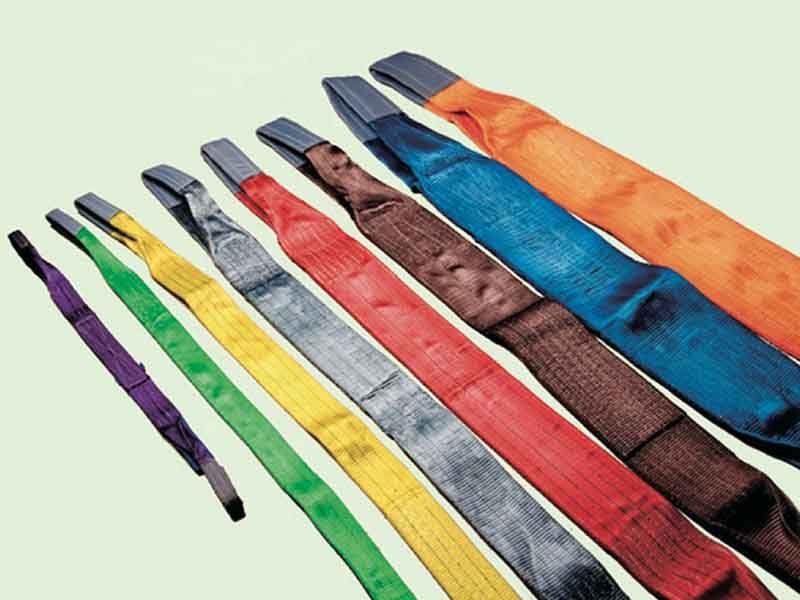
In today’s fast-paced industrial landscape, ensuring both safety and efficiency in lifting operations isn’t just a “nice-to-have”—it’s mission critical. Synthetic slings have surged in popularity across construction sites, shipping docks, and manufacturing floors because they blend high strength with low weight, offering advantages that traditional steel slings simply can’t match.
Behind the Scenes: Crafting Custom Anti-Slip, Reflective Webbing for a Top Sports Brand
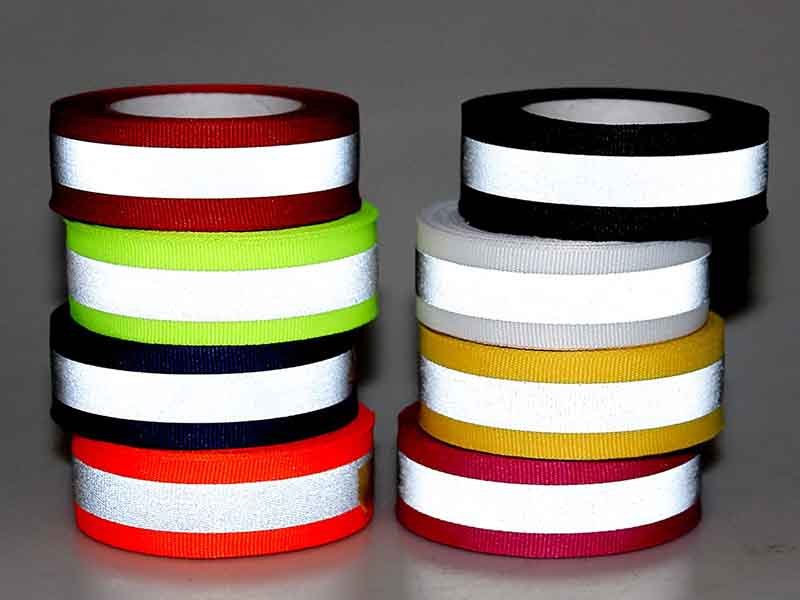
When a top-tier sports brand came to us saying, “We need webbing that’s as bold and resilient as our athletes,” we knew we were in for something special. Midway through that journey, we distilled everything into one powerful summary: “This case study walks you through how we customized printed + reflective webbing for an international sports brand—from initial specs and rapid prototyping to full-scale runs and rigorous QA—showing exactly how a pro factory keeps the process smooth and top-quality.” And let me tell you, the late-night Zooms, the thrill of first test pulls, and the moment the final spool rolled off the line—those stories will keep you reading.
Which of the Following is Required for Inclusion on a Synthetic Webbing Label
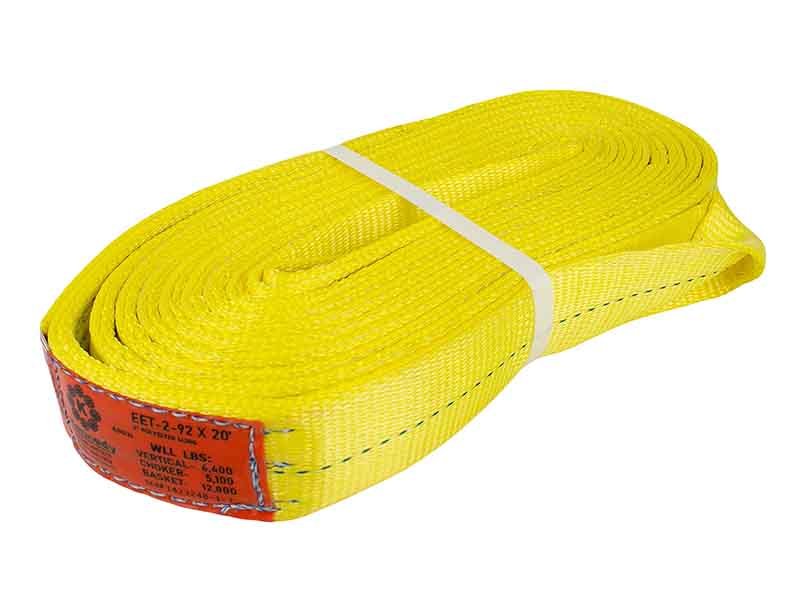
Have you ever paused mid-lift to squint at a sling’s tag and wondered exactly what it all means? In today’s fast-paced lifting operations, a clear, accurate label on every synthetic webbing sling isn’t just “nice to have”—it’s your frontline defense against overloads, accidents, and costly downtime.