
- (+86)13823134897
- info@szoneierwebbing.com
From Inquiry to Delivery
 Skip to content
 From Inquiry to Delivery
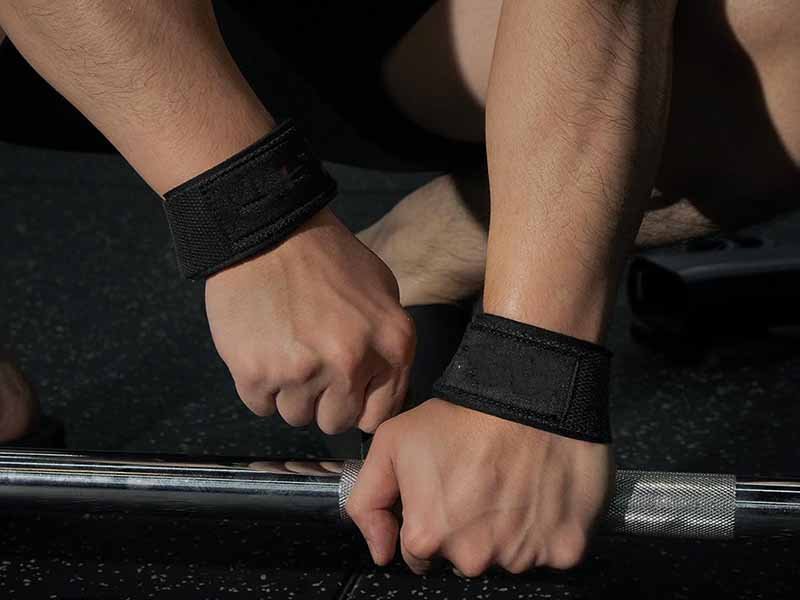
When you’re pushing through a heavy deadlift or ramping up the volume on barbell rows, your grip can make or break your session. Whether you’re a powerlifter chasing a new PR, an Olympic lifter refining technique, or a CrossFit athlete tackling high‑rep complexes, the right pair of lifting straps can be the difference between grinding out that last rep and losing control of the bar. But with countless options—varying materials, widths, lengths, and loop styles—how do you zero in on the straps best suited to your training style?
The best lifting straps enhance grip by anchoring the barbell to your wrist, reducing forearm fatigue and allowing you to focus on targeted muscle activation. Look for durable materials, an optimal length/width combination, and the right loop design to match your discipline.
Imagine this: it’s competition day, and after months of preparation, you rack up to deadlift your bodyweight by 1.5×. With sweaty hands and trembling forearms, you wrap your trusted straps around the barbell. In that split second, you feel the steel lock into place—no slip, no second‑guessing—just pure focus on driving your hips through. That confidence comes from choosing straps designed for your needs. In the following sections, we’ll break down exactly what makes a great lifting strap—and how to select one that transforms your workouts.
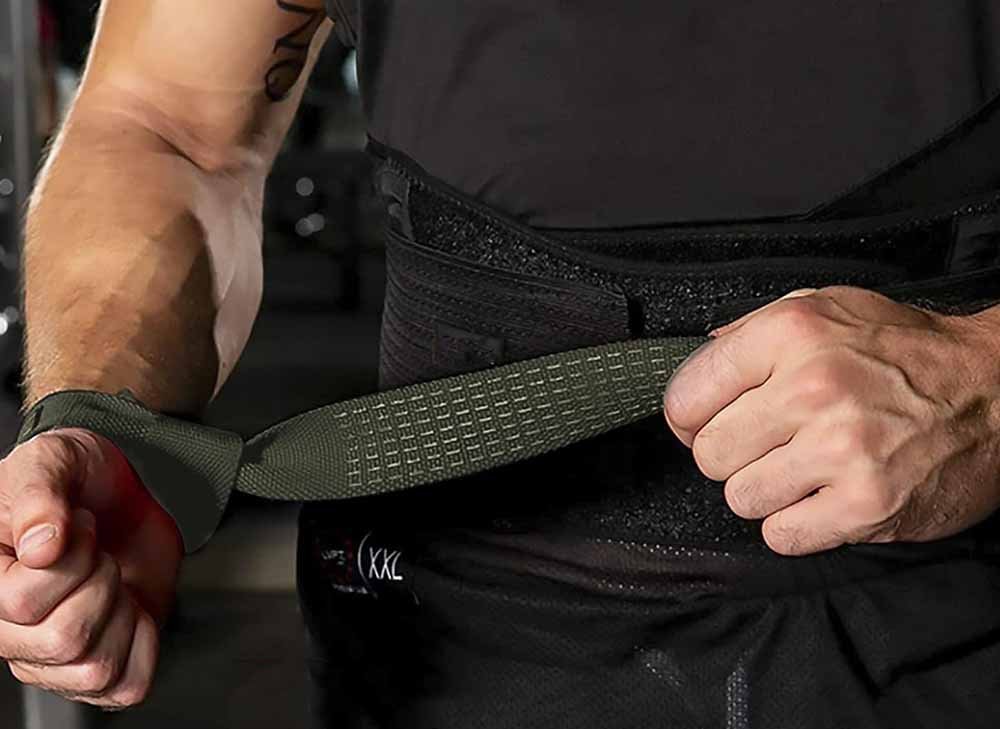
lifting straps are fabric or leather loops that wrap around your wrist and the barbell, effectively tying the bar to your grip. By shifting load pressure from skin‑to‑bar friction to strap tension, they prevent bar slippage and reduce forearm fatigue, enabling heavier lifts and higher training volumes.
Most lifters start training with nothing but chalk, believing grip strength should be built naturally. While chalk certainly improves friction between palm and knurling, it cannot fully compensate when your grip is the weakest link in your pulling chain. That’s where lifting straps come in. By securing the barbell to your wrist via a loop of durable material—commonly cotton, nylon, or leather—straps distribute weight pressure more evenly, letting your back and legs drive the movement.
How Straps Work Physically:
When you wrap a strap around the wrist and bar, you create a friction clamp. As you pull, the bar tries to roll out of your hand, but the strap’s tension resists that rotation. It’s akin to having an extra set of fingers holding the bar for you.
Training Benefits:
Potential Drawbacks:
Real‑World Case Study:
A collegiate powerlifting team introduced straps in their deadlift cycles. Athletes reported an average 15 kg increase in 5‑rep max and reduced forearm soreness by 40%. However, they also scheduled bi‑weekly grip‑only workouts to maintain maximal hand strength.
In essence, straps are a tool—one that, when used intelligently, unlocks new training thresholds without sacrificing safety or functional strength.
Top lifting straps are made from cotton, nylon, or leather. Cotton is soft and breathable but less durable; nylon excels in strength and minimal stretch; leather offers rigidity and longevity. Look for reinforced stitching, padded wrist sections, and smooth edges for maximum comfort and durability.
Material choice dictates both feel and performance. Here’s how the three primary materials compare:
| Material | Durability | Stretch | Comfort | Care Requirements |
|---|---|---|---|---|
| Cotton | Moderate (≈6 months heavy use) | >10 % | Soft, breathable | Air‑dry only |
| Nylon | High (≈1–2 years) | 5–8 % | Slightly firm | Machine‑wash gentle |
| Leather | Very high (>2 years) | <3 % | Stiff at first, softens with use | Condition monthly |
Cotton Straps:
Nylon Straps:
Leather Straps:
Design Variations:
Critical Perspective:
While leather offers premium longevity, it can be overkill for recreational lifters. Conversely, cotton’s comfort might compromise safety under maximal loads. A hybrid approach—nylon core with leather reinforcement at high‑wear points—provides balance.
Optimal lifting-strap length ranges from 50 to 80 cm, depending on wrap style and wrist size. Widths of 2.5 to 5 cm offer a balance between comfort and bar bite. Measure wrist circumference and practice wrapping to find your ideal dimensions.
Strap dimensions directly impact functionality:
Fitting Technique:
Performance Trade‑Offs:
Expert Tip:
Keep two pairs: a shorter, narrow set for quick‑hit deadlifts and a longer, wider set for volume‑heavy days.
Powerlifters often use simple cotton or nylon straps for deadlifts; Olympic lifters prefer padded, figure‑8 styles for snatches and cleans; CrossFit athletes choose quick‑wrap thumb‑loop straps for diverse functional moves. Pick a style that complements your primary lifts.
Each discipline imposes unique demands:
User Stories:
Choosing for Your Gym:
Gyms catering to multiple disciplines should stock a variety of strap styles—ensuring members find their ideal match without compromise.
For thumb‑loop straps, thread the long end around bar twice, then loop your thumb and pull tight. For figure‑8 styles, cross ends under the bar and wrap around the wrist, creating an ‘8’. Always test tension before lifting and avoid overly tight wraps that restrict blood flow.
Proper technique is paramount:
Thumb‑Loop Method:
Figure‑8 Method:
Testing Tension:
Common Mistakes:
Safety Tips:
Hand‑wash cotton and nylon straps with mild soap, air‑dry flat; condition leather straps monthly with leather balm. Store in a cool, dry place to prevent mildew and cracking. Regular inspection for fraying or weak stitching ensures safe use.
Cleanliness and inspection extend strap life:
Washing Procedures:
Inspection Checklist:
Storage Recommendations:
Longevity Expectations:
Custom straps offer personalized colors, branded logos, and tailored dimensions. While 20–30 % pricier than generic straps, they enhance gym branding, gift value, and athlete motivation—making them a smart choice for teams, affiliates, and serious athletes.
Benefits of Customization:
Cost Analysis:
| Option | Unit Price (USD) | MOQ | Lead Time |
|---|---|---|---|
| Generic Cotton Strap | $10–$15 | 1 | 1–2 days |
| Nylon Standard | $15–$20 | 10 | 5–7 days |
| Custom Branded | $20–$30 | 50 | 10–14 days |
ROI Considerations:
Szoneier Custom Solutions:
With 18 years in webbing R&D and manufacturing, Szoneier offers low‑MOQ branded straps, rapid sampling (7 days), and global shipping. Choose from nylon, cotton, or hybrid leather‑core designs with private‑label colors.
Choosing the right lifting straps hinges on understanding your training discipline, grip preferences, and durability needs. From cotton’s comfort to leather’s longevity, and nylon’s strength, there’s a perfect strap out there to elevate your lifts. Remember—proper wrapping, regular care, and occasional grip‑only training will ensure both safety and performance gains.
Ready to customize your own high‑performance lifting straps?
Contact Szoneier today for sample orders, pricing, and design consultation:
📞 (+86) 13823134897
Equip yourself—and your athletes—with the straps that deliver confidence, comfort, and results.


No worries, please contact us and we will answer all the questions you have during the whole process of webbing customization.
If you have your own artwork, logo design files, or just an idea,please provide details about your project requirements, including preferred fabric, color, and customization options,we’re excited to assist you in bringing your bespoke bag designs to life through our sample production process.

Copyright ©2021 Szoneier , All rights reserved.
Looking for premium custom webbing? Contact us now for competitive pricing, free samples, and expert consultation. Fill out the form below, and our team will get back to you within 24 hours!
 Optimized by Seraphinite Accelerator