
How Is Nylon Webbing Made? A Complete Manufacturing Process Explained
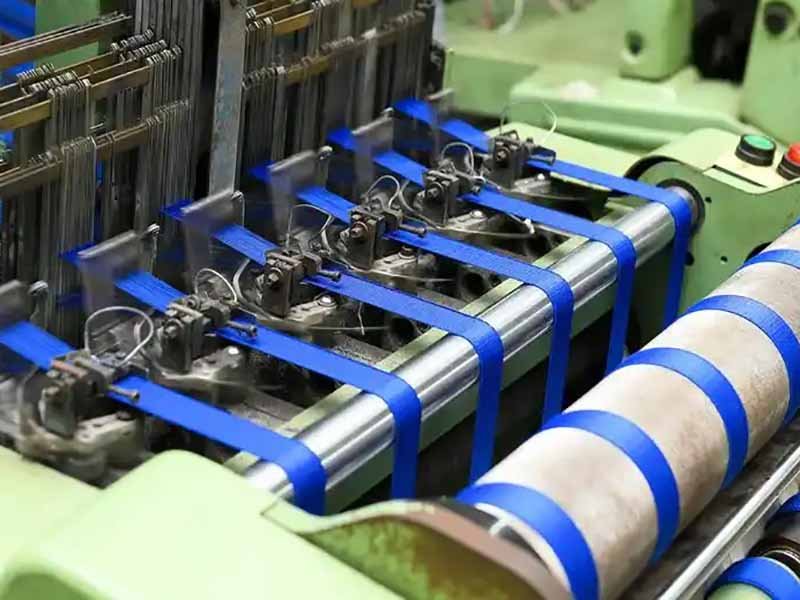
Nylon webbing is manufactured by extruding nylon pellets into filaments, spinning and texturizing yarns, weaving them into specific patterns (plain, twill, jacquard), heat‑setting for dimensional stability, dyeing or printing for color, and applying functional coatings like PU or reflective finishes, followed by rigorous quality tests for strength and colorfastness.
How Do Material Choices Impact Webbing’s Waterproof Capabilities?
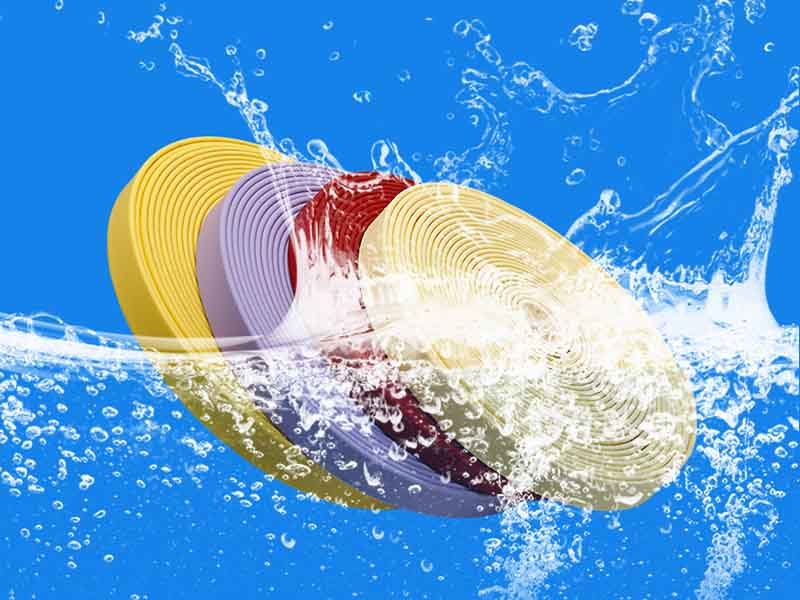
In today’s outdoor and industrial markets, webbing isn’t just about strength—it’s about standing up to the elements. Whether you’re crafting marine harnesses that battle sea spray or outdoor gear meant to keep campers dry through downpours, waterproof performance is critical. From high-altitude mountaineering straps to custom bag handles, a failure in water resistance can compromise safety, comfort, and longevity. Yet, not all webbings are created equal—and small choices in fiber, coating, or weave can yield outsized benefits in wet conditions.