Skip to content
How Is Nylon Webbing Made? A Complete Manufacturing Process Explained
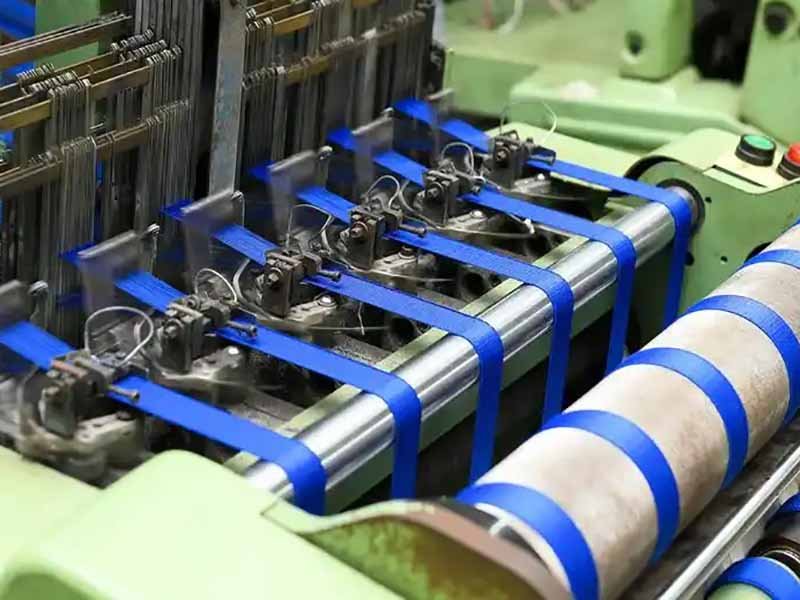
Nylon webbing is manufactured by extruding nylon pellets into filaments, spinning and texturizing yarns, weaving them into specific patterns (plain, twill, jacquard), heat‑setting for dimensional stability, dyeing or printing for color, and applying functional coatings like PU or reflective finishes, followed by rigorous quality tests for strength and colorfastness.
What Is Webbing Tensile Strength and How Can You Maximize It?
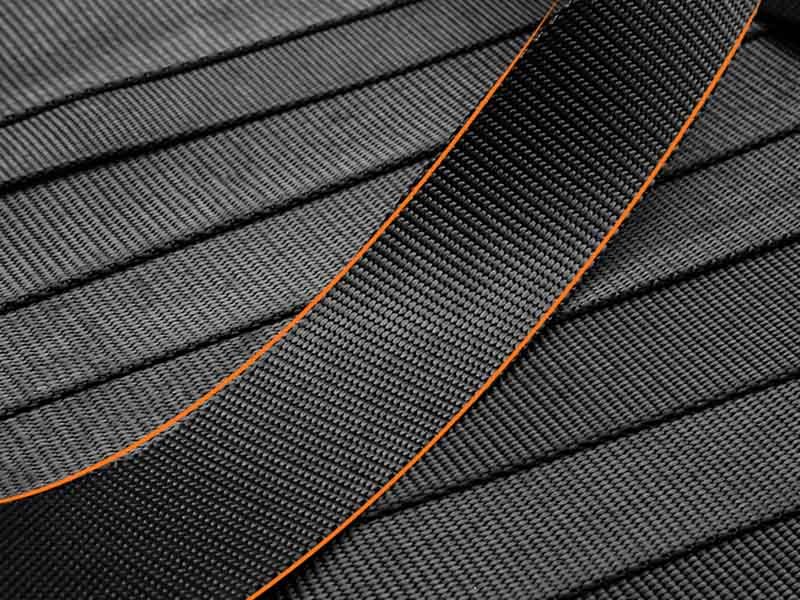
When you first pick up a length of webbing—whether it’s for your next rock-climbing adventure, rigging gear onto your truck, or strapping cargo on a shipping pallet—you probably don’t think much about what goes on behind the scenes. Yet in every reliable strap that keeps you safe or your goods secure, there’s a world of material science and manufacturing know-how that determines whether that webbing will hold under pressure or let you down at the worst possible moment.
5-Step Webbing Production Process Explained
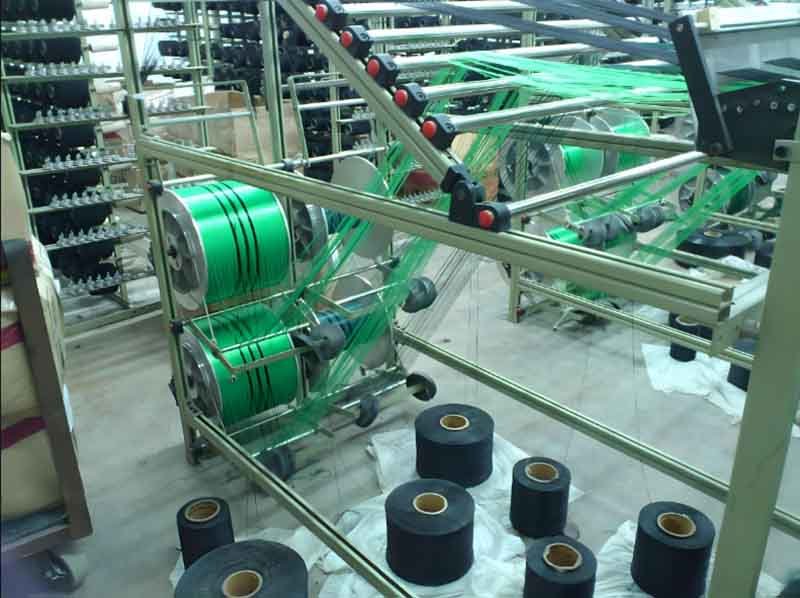
When you pause to think how everyday straps—like those on your backpack, seat belt, or pet leash—are made, it can seem like a mystery. Yet behind every length of webbing is a carefully orchestrated five-step process. From selecting the right yarns to ensuring every inch meets strict strength and color standards, each phase matters.