
From Inquiry to Delivery

What Is a Lifting Sling? Complete Guide to Types, Uses, and Safety

In the world of heavy-duty lifting, few tools are as essential—or as misunderstood—as the lifting sling. Whether you’re in construction, logistics, rigging, or industrial manufacturing, lifting slings play a critical role in moving massive loads safely and efficiently. Yet, many professionals still don’t fully grasp the different types, materials, and configurations available—or how to choose the right one for their needs.

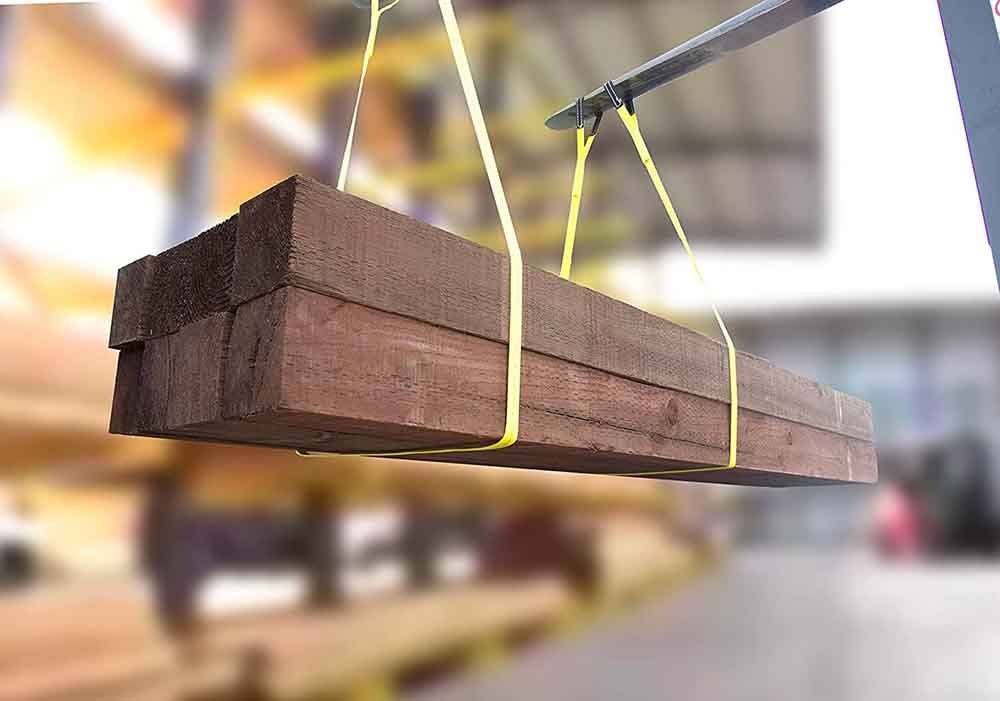
A lifting sling is a load-bearing tool used with cranes, hoists, or forklifts to securely lift and move heavy objects. Slings are made from webbing, chains, or wire ropes and come in various types to suit different loads, angles, and environmental conditions.

When used properly, a lifting sling can reduce injuries, improve efficiency, and even extend the life of your equipment. But misuse, poor maintenance, or the wrong sling choice can lead to catastrophic failure. So, what do you really need to know? Let’s dig into the full picture—use cases, material choices, lifespan, certifications, and more—so you can make an informed decision.

What Is a Lifting Sling and Why Is It Essential in Heavy Lifting?

A lifting sling is a flexible device used to hold, lift, and move heavy loads safely using cranes or hoists, especially when direct attachment isn’t possible.

What Is a Lifting Sling Used For?
  • Lifting and transporting heavy equipment
  • Handling awkward or delicate loads
  • Protecting load surfaces from scratches or pressure
  • Ensuring safety during overhead lifting in warehouses, shipyards, factories
Why Do People Need a Sling in Industrial Work?
  • Safety: Preventing accidents caused by manual lifting or insecure hooks
  • Versatility: Can be used in vertical, choker, and basket configurations
  • Efficiency: Reduces the time and manpower needed for load handling
Real-World Use Cases
  • Construction firms lifting steel beams to upper floors
  • Shipping yards offloading containers or machinery
  • Oil and gas facilities moving pipelines and valves
  • Military operations relocating armored equipment

What Types of Lifting Slings Are Commonly Used?

Lifting slings come in various types including webbing, round, wire rope, and chain slings, each with unique properties for specific load handling tasks.

Webbing Slings
  • Made from polyester or nylon
  • Lightweight, flexible, and surface-friendly
  • Ideal for fragile loads
Round Slings
  • Continuous loop, covered in protective sleeves
  • Great for delicate or irregular-shaped loads
  • Load distributed evenly across the length
Wire Rope Slings
  • Strong and abrasion-resistant
  • Ideal for heavy, rugged industrial use
  • Less flexible but durable under extreme conditions
Chain Slings
  • Extremely durable under high temperatures or rough handling
  • Adjustable length via hooks or master links
  • Heavy but long-lasting
Quick Comparison Table
Sling TypeMaterialStrengthFlexibilityIdeal Use Case
Webbing SlingNylon/PolyesterMediumHighFragile or polished surfaces
Round SlingPolyesterMedium-HighVery HighIrregular or unbalanced loads
Wire Rope SlingSteelHighLowHeavy machinery, outdoor use
Chain SlingAlloy SteelVery HighMediumHigh-temp or rugged industrial work

Which Materials Are Best for Lifting Slings?

Polyester, nylon, polypropylene, and metal are commonly used sling materials. Each has advantages based on strength, environment, and load sensitivity.

Polyester
  • Low stretch, UV-resistant
  • Works well with delicate surfaces
  • Resists mildew and moisture
Nylon
  • Slightly elastic, absorbs shock
  • Not ideal with acidic or alkali chemicals
  • Common in dynamic lifting environments
Polypropylene
  • Budget-friendly but lower strength
  • Good for light-duty tasks
  • High moisture resistance
Wire Rope and Chain
  • Unmatched durability and heat resistance
  • Ideal for construction, steel works, oil fields
Material Selection Based on Environment
EnvironmentRecommended Material
Marine/Water-heavyPolyester or Polypropylene
High HeatChain Sling
Indoor WarehouseNylon or Polyester
Acidic/ChemicalAvoid Nylon

How Do You Select the Right Lifting Sling for Your Load?

The right lifting sling depends on load weight, shape, lifting configuration, and environmental conditions.

Key Considerations
  • Load Weight: Always check the Working Load Limit (WLL)
  • Load Shape: Irregular items need flexible solutions
  • Contact Surface: Fragile surfaces need non-abrasive materials
Lifting Configurations
  • Vertical Hitch: Direct lift, full load weight on one sling
  • Choker Hitch: Wrap-around lift, reduces effective capacity
  • Basket Hitch: Load shared across two legs, doubles capacity

Are There Industry Standards or Certifications for Lifting Slings?

Yes. Lifting slings are governed by OSHA, ASME B30.9, and ISO standards to ensure safety and performance compliance.

Key Standards
  • OSHA 1910.184: General safety requirements
  • ASME B30.9: Sling specifications and use
  • EN 1492-1/2: European norms for webbing and round slings
Importance of Certification
  • Ensures traceability and safe operation
  • Required for insurance and workplace audits
  • Promotes consistent manufacturing and testing
What to Check on a Sling Tag
  • Manufacturer name
  • Load capacity (vertical, choker, basket)
  • Material and length
  • Serial number and compliance code

Do Webbing Slings Offer Advantages Over Traditional Metal Slings?

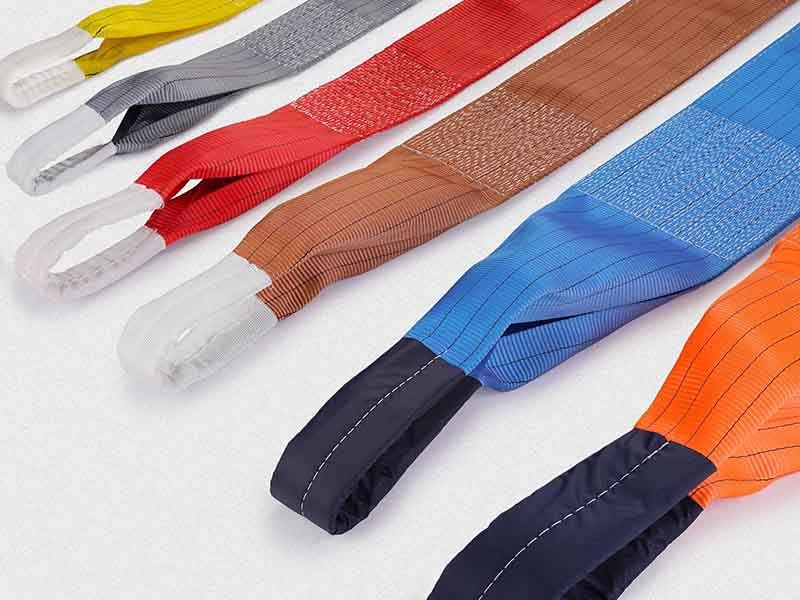
Webbing slings are lightweight, flexible, and gentle on loads, making them ideal for branded, high-finish, or delicate applications.

Benefits of Webbing Slings
  • Easier to store and carry
  • Prevent scratching or crushing of surfaces
  • Available in color-coded capacities for easy identification
When to Use Webbing Over Chain
  • In retail or branded environments with packaging concerns
  • For irregularly shaped or fragile items
  • In applications requiring frequent lifting and setup changes
Custom Branding Opportunity
  • Add your logo, size tag, safety instructions directly onto webbing
  • Enhance traceability and professionalism for OEM clients

How Should You Inspect and Maintain a Lifting Sling?

Inspect your sling before each use for fraying, cuts, chemical damage, or deformations. Sling lifespan depends on use frequency and conditions.

What Is the Lifespan of a Lifting Sling?
  • Webbing slings: 6 months to 3 years depending on usage
  • Chain slings: Up to 10 years with proper care
  • Retirement guidelines are based on wear and damage, not just time
Warning Signs to Retire a Sling
  • Visible cuts, tears, or frays
  • Discoloration or melting
  • Missing or illegible tag
Storage & Maintenance
  • Store in a dry, cool area
  • Avoid sun, water, and chemical exposure
  • Roll and hang slings to prevent kinks or pressure points
Sling TypeAverage LifespanKey Maintenance Notes
Polyester Webbing1–3 yearsAvoid sharp edges; store dry
Nylon Webbing1–2 yearsAvoid alkali; check for elasticity loss
Chain Slings5–10 yearsGrease regularly; inspect welds

Where Can You Source Custom or OEM Lifting Slings for Your Business?

Szoneier is a trusted webbing and sling manufacturer with over 18 years of experience, offering custom lifting solutions tailored to your needs.

Customization at Its Best
  • Choose from nylon, polyester, or blended webbing
  • Add your brand logo, load ratings, or warning labels
  • Get Pantone-matched colors and cut-to-length options
Business-Friendly Solutions
  • Low minimum order quantities for growing brands
  • Fast sampling and turnaround time for urgent projects
  • Free design support and material consultation
Quality You Can Trust
  • All slings manufactured to international compliance standards
  • Rigorous quality checks, strength testing, and traceability

Final Thoughts: Ready to Customize Your Lifting Slings with Szoneier?

Choosing the right lifting sling isn’t just about strength—it’s about safety, precision, and application fit. Whether you’re lifting industrial engines, fragile panels, or containers, you need a solution tailored to your task.

At Szoneier, we bring 18+ years of manufacturing experience, deep customization capability, and full support for OEM/ODM projects. If you’re a brand or distributor looking for reliable sling products with private labeling, fast samples, and responsive service—we’re here to help.

Contact Szoneier now to request a free sample or custom quote. Your safe lifting starts here.
Make A Sample First?

If you have your own artwork, logo design files, or just an idea,please provide details about your project requirements, including preferred fabric, color, and customization options,we’re excited to assist you in bringing your bespoke bag designs to life through our sample production process.

Ask For A Quick Quote

Looking for premium custom webbing? Contact us now for competitive pricing, free samples, and expert consultation. Fill out the form below, and our team will get back to you within 24 hours!