
- (+86)13823134897
- info@szoneierwebbing.com
From Inquiry to Delivery
 Skip to content
 From Inquiry to Delivery
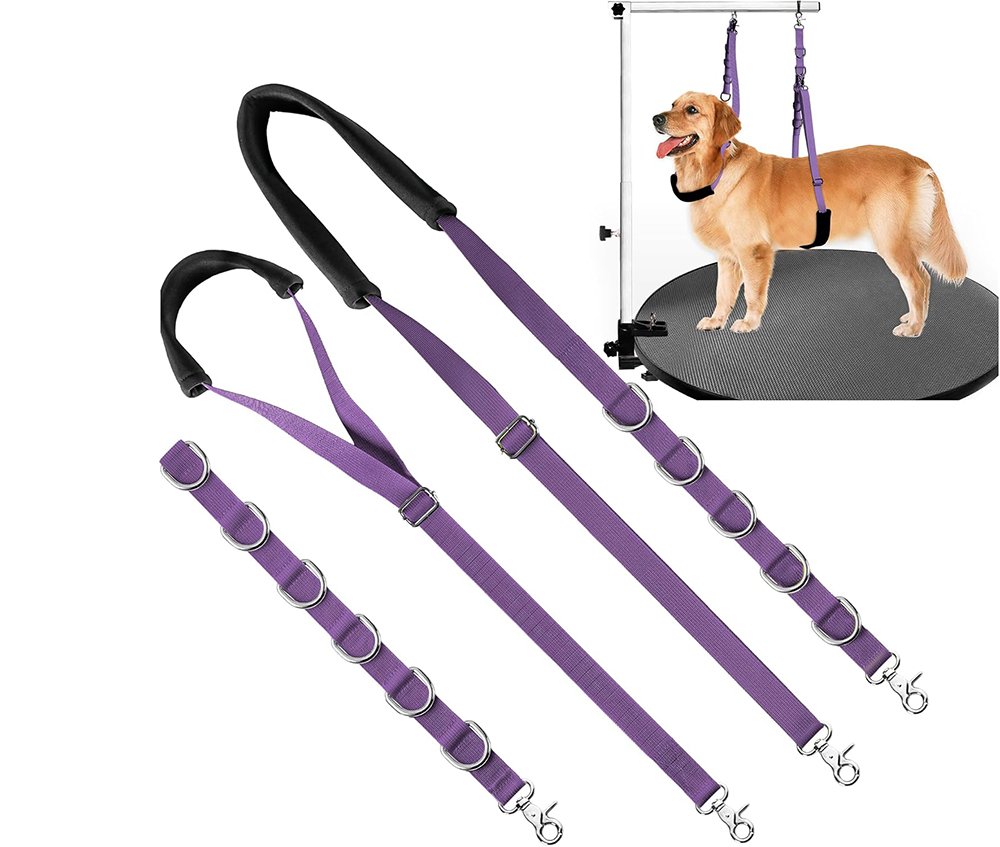
Ever worried about your furry friend darting out the car door or slipping out of their harness mid‑walk? Pet straps have become essential gear for pet owners who demand safety, comfort, and peace of mind.
A pet strap is an adjustable webbing leash or restraint system designed to secure pets during travel, walks, or training sessions. Made from durable materials like polyester and nylon, pet straps often feature quick‑release buckles and padded handles, keeping your pet safe and comfortable while preventing sudden escapes or injuries.
Picture this: you’re cruising down the highway, your pup happily gazing out the window—until a sudden swerve sends them tumbling. With a well‑fitted pet strap, that scene turns from heart‑stopping to just another smooth ride. Ready to explore everything about pet straps? Let’s dive in!
Pet straps are specialized webbing systems that secure pets either to collars, harnesses, or anchor points in vehicles. They use adjustable buckles, loops, and often elastic sections to absorb shock, keeping pets safely restrained without choking or sudden jolts.
Design Variations
Attachment Methods
Use‑Case Examples
Critical Perspectives
Pet straps come in leash, harness‑to‑seatbelt, tether, and multi‑pet splitter styles. Key variants include hands‑free waist belts, adjustable car seat straps, and training leads, each tailored for specific activities and pet sizes.
Leash‑Style Straps
Car Safety Straps
Tethers & Tie‑Downs
Multi‑Pet Splitters
Critical Comparison
Select a pet strap based on your pet’s weight, height, and activity: lightweight nylon for small dogs (up to 30 lbs), padded polyester for medium breeds (30–60 lbs), and heavy‑duty straps with reinforced hardware for large dogs (60+ lbs).
Sizing & Weight Ratings
| Pet Size | Strap Width | Recommended WLL* | Best Activities |
|---|---|---|---|
| Small (<30 lbs) | 0.75″ | 300 lbs | Urban walks, training |
| Medium (30–60 lbs) | 1″ | 600 lbs | Hiking, running |
| Large (>60 lbs) | 1.25″–1.5″ | 1,000 lbs | Off‑road, vehicle use |
Material Durability
Buckle Types
Comfort Features
Critical Evaluation
Top pet straps comply with ASTM F2348 (pet travel restraints) and SAE J1689 (vehicle tether standards). Look for certified crash‑tested products featuring energy‑absorbing designs, locking buckles, and clear weight ratings for guaranteed safety.
Key Standards
Crash‑Test Ratings
Labeling Requirements
Critical Insight
Thread the strap through your pet’s harness D‑ring, adjust for snug but comfortable fit, secure to the vehicle’s seatbelt latch or tether anchor, then give a gentle tug—no more than two inches of movement in any direction.
Pet straps typically use UV‑stabilized polyester or nylon webbing (breaking strength up to 5,000 lbs), quick‑release zinc‑plated steel buckles, padded neoprene handles, and reflective stitching for visibility and comfort.
Webbing Specifications
| Material | Tensile Strength | Elongation | UV Rating | Common Widths |
|---|---|---|---|---|
| Polyester | 4,000–5,000 lbs | 5–7% | 8/10 | 0.75″–1.5″ |
| Nylon | 5,000–6,000 lbs | 15–20% | 7/10 | 0.75″–1.25″ |
Hardware Details
Comfort Padding
Safety Enhancements
Critical Analysis
Hand‑wash pet straps in mild detergent, air‑dry out of direct sunlight, and lubricate metal buckles annually. Inspect before each use, replacing straps showing >10% fray or hardware corrosion to ensure ongoing safety.
Pet straps are more than simple leashes—they’re engineered safety devices that protect your beloved companion during travel, exercise, and training. By understanding different types, proper installation, material science, and maintenance, you can confidently choose the best pet strap for your furry friend.
Ready to design your custom pet straps? Szoneier offers free design consultations, sample provisions, and full logo customization to meet your brand’s needs. Contact us today to get a personalized quote and keep pets safe with style!


No worries, please contact us and we will answer all the questions you have during the whole process of webbing customization.
If you have your own artwork, logo design files, or just an idea,please provide details about your project requirements, including preferred fabric, color, and customization options,we’re excited to assist you in bringing your bespoke bag designs to life through our sample production process.

Copyright ©2021 Szoneier , All rights reserved.
Looking for premium custom webbing? Contact us now for competitive pricing, free samples, and expert consultation. Fill out the form below, and our team will get back to you within 24 hours!
 Optimized by Seraphinite Accelerator