
From Inquiry to Delivery
In today’s eco-conscious world, sustainability is no longer a luxury—it’s a demand. Consumers are actively seeking products that not only look and feel good but also minimize their environmental footprint. From fashion brands to furniture manufacturers to pet accessory companies, businesses are increasingly switching to organic cotton webbing to meet this rising demand for greener materials.
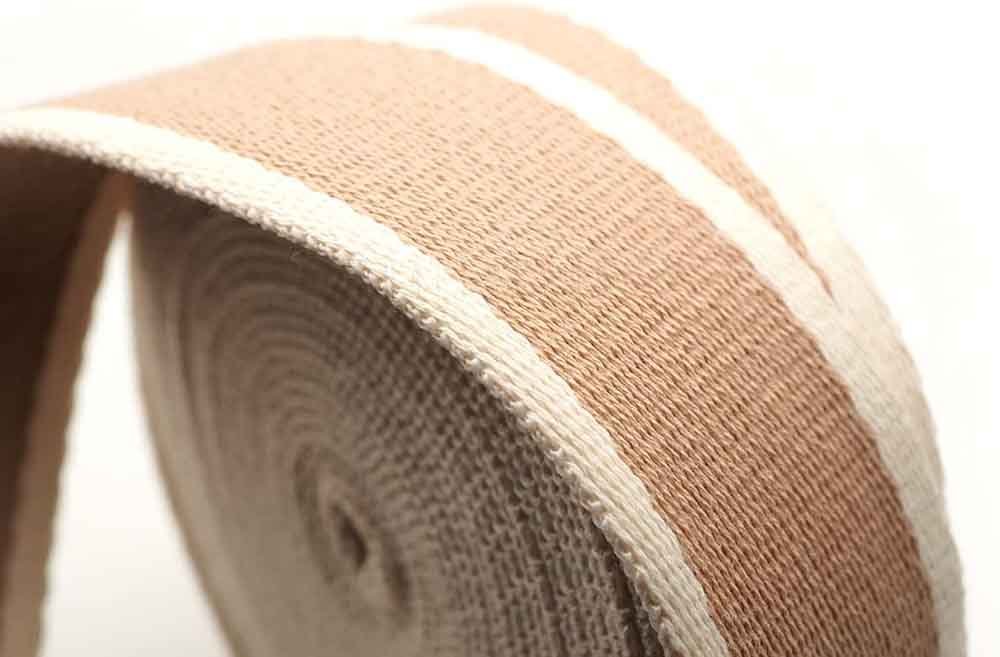
Organic cotton webbing is a durable, eco-friendly woven material made from certified organic cotton fibers. Unlike conventional webbing, it’s produced without harmful chemicals, pesticides, or toxic dyes. It offers strength, breathability, and biodegradability, making it ideal for sustainable products like bags, pet leashes, baby carriers, and furniture. Certified by standards like GOTS and OEKO-TEX, organic cotton webbing allows brands to create high-quality, environmentally responsible goods.
But while “organic” sounds great, what exactly is organic cotton webbing? Is it strong enough? How is it certified? And most importantly—how do you source it from reliable manufacturers? Let’s dive into the world of organic cotton webbing and uncover everything you need to know.
Organic cotton webbing is woven from cotton fibers grown without synthetic pesticides, GMOs, or chemical fertilizers. The production process uses eco-friendly farming and manufacturing practices, resulting in a sustainable, toxin-free, and biodegradable material. After harvesting, the fibers are cleaned, spun into yarn, and woven into strong webbing strips used in various products like bags, apparel, and furniture.
| Process Stage | Conventional Cotton | Organic Cotton |
|---|---|---|
| Pesticide Use | Heavy | None |
| Water Use | High | Reduced |
| Soil Health | Depleted | Improved |
| Worker Safety | Hazardous | Safer |
By using organic cotton webbing, brands directly contribute to healthier ecosystems, safer working conditions, and a more sustainable product lifecycle.
Certifications like GOTS (Global Organic Textile Standard), OEKO-TEX, USDA Organic, and EU Organic verify that cotton webbing is genuinely organic and free of harmful substances. These standards ensure sustainable farming, non-toxic processing, ethical labor practices, and product safety, offering assurance to buyers and eco-conscious consumers.
| Certification | Scope | Common Use |
|---|---|---|
| GOTS | Full process | Apparel, bags, accessories |
| OEKO-TEX | End product safety | Baby products, bedding |
| USDA Organic | Farming | Raw cotton sourcing |
| EU Organic | Farming | European raw material imports |
For brands, GOTS is the gold standard when sourcing organic cotton webbing for private label products.
Compared to regular cotton, organic cotton webbing offers equal strength but superior environmental benefits, using less water and no harmful chemicals. Against synthetic webbing like nylon or polyester, it’s less elastic and slightly weaker but fully biodegradable and non-toxic. While synthetic webbing excels in industrial durability, organic cotton webbing suits eco-friendly products, personal items, and baby or pet accessories.
| Feature | Organic Cotton | Regular Cotton | Nylon/Polyester |
|---|---|---|---|
| Strength | Medium | Medium | High |
| Stretch | Low | Low | Moderate |
| Water Resistance | Poor | Poor | Excellent |
| UV Resistance | Poor | Poor | Excellent |
| Environmental Impact | Low | High | High |
| Biodegradability | 100% | 100% | None |
| Toxin-Free | Yes | No | No |
| Cost (USD/meter) | $0.60-$1.20 | $0.40-$0.80 | $0.30-$0.60 |
Organic cotton webbing is used in eco-friendly products like tote bags, yoga straps, baby carriers, dog leashes, furniture trimming, belts, and fashion accessories. Its softness, breathability, and non-toxic nature make it ideal for consumer-facing, skin-contact, and sustainable brand products targeting environmentally conscious markets.
| Product Type | Common Use |
|---|---|
| Baby Products | Carriers, slings, diaper bags, pacifier straps |
| Pet Accessories | Leashes, collars, harnesses |
| Bags | Tote bags, backpacks, handles, yoga straps |
| Furniture | Armrest bands, decorative webbing |
| Apparel | Belts, waistbands, keychains |
| Lifestyle | Camera straps, lanyards, watch bands |
Many global sustainable fashion and baby brands are now specifying organic cotton webbing as a mandatory material for product launches.
Organic cotton webbing provides sufficient strength for medium-duty uses like bags, baby carriers, and pet leashes. While not suitable for industrial or climbing applications, strength can be improved through tighter weaving, multi-layer structures, or blending with natural reinforcements. Its soft touch and safe composition make it ideal for products that contact skin.
| Webbing Type | Load Capacity (kg) |
|---|---|
| Organic Cotton (Standard) | 50-80 kg |
| Organic Cotton (Reinforced) | 80-120 kg |
| Nylon/Polyester | 150-250 kg |
Reality check: Organic cotton webbing won’t replace industrial webbing but easily handles most consumer product loads.
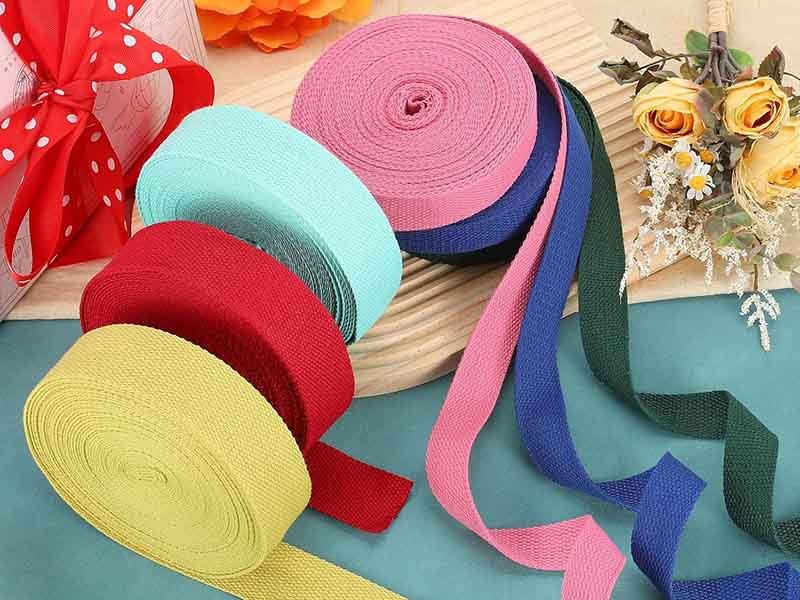
Organic cotton webbing can be customized through eco-friendly dyeing, digital printing, jacquard weaving, and private label branding. Brands can specify width, thickness, color, pattern, and packaging while maintaining GOTS or OEKO-TEX compliance. Small MOQ and rapid sampling enable efficient product development.
| Custom Option | Details |
|---|---|
| Width | 10mm – 100mm |
| Thickness | 1mm – 4mm |
| Color | Natural, low-impact dyed |
| Printing | Screen or digital print with GOTS-approved inks |
| Woven Patterns | Jacquard, herringbone, plain weave |
| Branding | Custom logo labels, packaging |
A reliable organic cotton webbing manufacturer offers certified materials (GOTS, OEKO-TEX), customization capabilities, small MOQs, in-house testing, fast sampling, and OEM/ODM services. They maintain transparency, control raw material sourcing, and provide full documentation for sustainability claims. Szoneier fulfills these standards, supporting global brands in custom webbing production.
| Evaluation Factor | Why It’s Important |
|---|---|
| GOTS/OEKO-TEX Certification | Verifies organic compliance |
| In-House Lab Testing | Ensures strength, colorfastness, and safety |
| Customization Capabilities | Meets unique brand needs |
| Low MOQ | Supports startups & niche brands |
| Sampling Speed | Accelerates product launch |
| OEM/ODM Support | Full private label production |
| Export Experience | Smooth global logistics |
In a world where consumers demand both quality and sustainability, organic cotton webbing offers the perfect material solution for eco-conscious brands. Whether you’re producing baby gear, pet accessories, fashion items, or green furniture, the right webbing enhances your product’s performance while aligning with your brand values.
At Szoneier, we combine sustainable sourcing with precision manufacturing to offer:
✅ Fully certified organic cotton webbing
✅ Wide range of customization options
✅ Low MOQs for flexible ordering
✅ Rapid sampling and quick production
✅ Full OEM/ODM private label support
Contact Szoneier today to request free samples, pricing, and expert advice for your next organic cotton webbing project!


No worries, please contact us and we will answer all the questions you have during the whole process of webbing customization.
If you have your own artwork, logo design files, or just an idea,please provide details about your project requirements, including preferred fabric, color, and customization options,we’re excited to assist you in bringing your bespoke bag designs to life through our sample production process.

Copyright ©2021 Szoneier , All rights reserved.
Looking for premium custom webbing? Contact us now for competitive pricing, free samples, and expert consultation. Fill out the form below, and our team will get back to you within 24 hours!
