
- (+86)13823134897
- info@szoneierwebbing.com
From Inquiry to Delivery
 Skip to content
 From Inquiry to Delivery
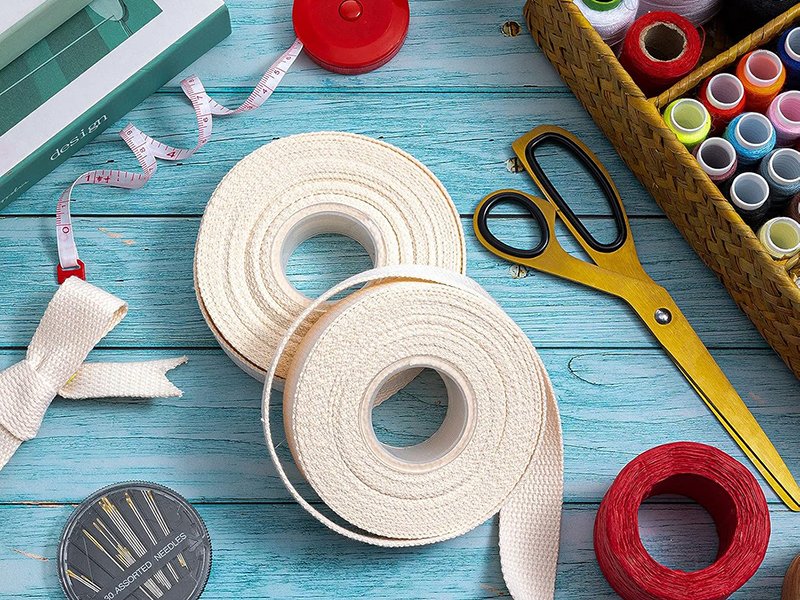
In today’s eco-conscious, design-driven product world, materials matter. Cotton webbing has become a go-to option for brands and manufacturers looking to merge function, comfort, and sustainability. But what exactly is cotton webbing used for, and how do you choose the right one for your product?
Cotton webbing is a natural-fiber woven tape used across industries—from fashion and bags to furniture and pet products. It is valued for its softness, strength, eco-friendliness, and aesthetic appeal, making it ideal for handles, straps, trims, and utility components.
From artisan tote bags to rugged yoga straps, cotton webbing is showing up everywhere—and for good reason. In this guide, we’ll unpack its many applications, strengths, variations, and what makes it stand out in a world full of synthetic alternatives. We’ll also compare it with nylon and polyester options using practical tables, usage-based recommendations, and expert insights.
Cotton webbing is a strong, woven tape or strap made from cotton yarn, typically manufactured through plain or twill weaving techniques.
| Weave Type | Characteristics | Common Use |
|---|---|---|
| Plain | Balanced, tight, basic feel | Bags, belts, fashion trims |
| Twill | Diagonal texture, flexible, drapes nicely | Straps, aprons, shoulder slings |
| Herringbone | Decorative zigzag, good grip, textured | Yoga straps, premium accessories |
Cotton webbing can be finished to be flame-retardant, water-repellent, or extra soft depending on the need.
Cotton webbing is commonly used in fashion accessories, bags, furniture, outdoor gear, and pet products for its softness, strength, and eco-friendly appeal.
Cotton webbing straps are most often used in tote bags, backpacks, aprons, belts, yoga straps, and pet leashes.
Yes, cotton webbing is strong enough for medium-load applications and daily use, though it may not match nylon in high-tension or high-moisture environments.
| Width | Weave Type | Estimated Tensile Strength | Application Example |
|---|---|---|---|
| 1″ | Plain | 600–800 lbs | Tote handles, belts |
| 1.5″ | Twill | 800–1,200 lbs | Backpacks, yoga straps |
| 2″ | Herringbone | 1,000–1,500 lbs | Hammocks, leashes |
Avoid cotton webbing in:
Cotton webbing is more breathable and eco-friendly than synthetic options but offers less resistance to moisture and abrasion.
| Feature | Cotton | Nylon | Polyester |
|---|---|---|---|
| Strength | Medium | High | High |
| Flexibility | High | Medium | Low |
| Water Resistance | Low | High | Medium |
| Eco-Friendliness | High | Low | Medium |
| Breathability | High | Low | Low |
| Price | Medium/High | Medium | Low |
Yes, cotton webbing comes in different weaves, widths, finishes, and material sources such as organic or recycled cotton.
| Width Range | Typical Uses |
|---|---|
| 0.5″ | Tags, decorative trim |
| 1″ | Straps, leashes, small bags |
| 1.5″ | Backpack straps, aprons, belts |
| 2″–3″ | Heavy-duty loops, hammocks, yoga gear |
| Thickness Range | Description |
|---|---|
| 1–2mm | Lightweight applications |
| 2–4mm | General use straps |
| 4–5mm | Heavy cotton webbing (tubular) |
Select cotton webbing based on intended use, required strength, feel, environmental positioning, and design compatibility.
Yes, brands focused on sustainability often choose cotton webbing—especially GOTS-certified organic cotton—as a biodegradable, natural alternative to synthetics.
Eco-conscious customers increasingly expect low-impact, plant-based components—even in trims and straps.
Cotton webbing offers a rare balance of strength, softness, style, and sustainability. Whether you’re creating lifestyle products, fitness gear, or stylish bags, this natural material delivers reliable performance while appealing to modern, conscious consumers.
If you’re looking to customize cotton webbing straps for your brand—from colors and widths to logos and hardware—our team is here to support your vision. Let’s bring your product to life with the perfect webbing solution.
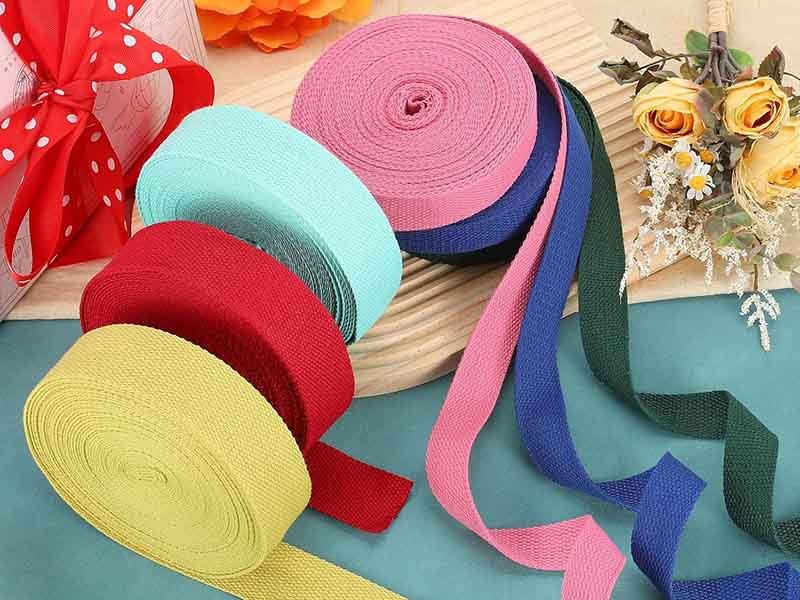


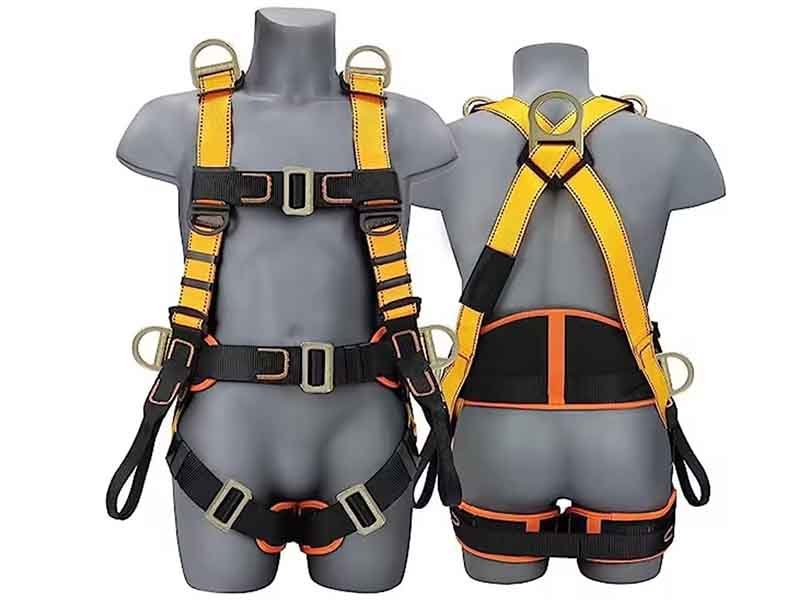
No worries, please contact us and we will answer all the questions you have during the whole process of webbing customization.
If you have your own artwork, logo design files, or just an idea,please provide details about your project requirements, including preferred fabric, color, and customization options,we’re excited to assist you in bringing your bespoke bag designs to life through our sample production process.

Copyright ©2021 Szoneier , All rights reserved.
Looking for premium custom webbing? Contact us now for competitive pricing, free samples, and expert consultation. Fill out the form below, and our team will get back to you within 24 hours!
 Optimized by Seraphinite Accelerator