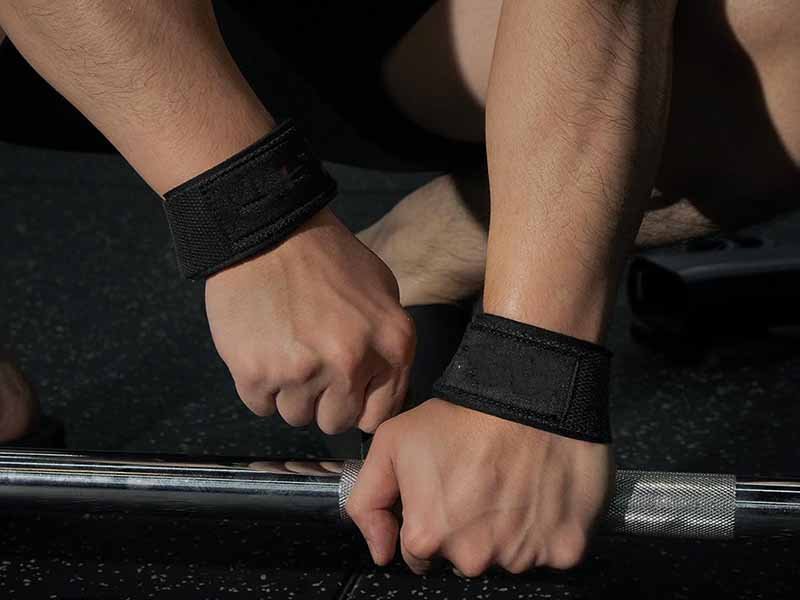

From Inquiry to Delivery
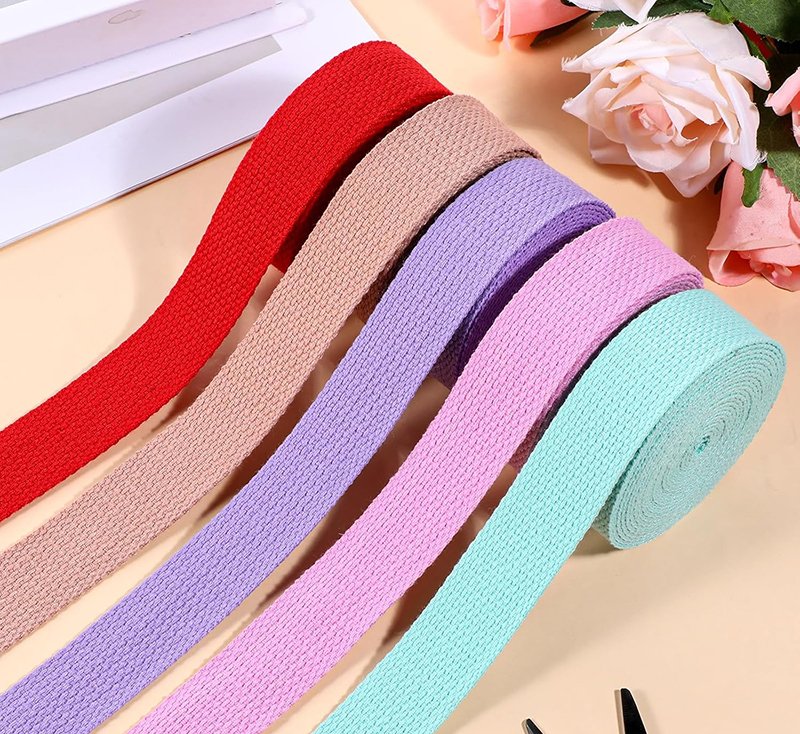
Cotton webbing is everywhere—from the straps on your favorite backpack to the sturdy handles of outdoor furniture—but few people pause to consider what makes it so versatile. At its core, cotton webbing is a woven tape of natural cotton fibers prized for its comfort, breathability, and biodegradability. In a market dominated by synthetics, cotton stands out as the go-to material when softness and eco-credentials matter most.
Cotton webbing is a durable, flat woven tape made from twisted cotton yarns, finished with wax, dye, or coatings for strength and weather resistance. It provides comfortable, breathable support for bags, belts, pet leashes, and upholstery, combining natural feel with enough tensile capacity for light- to medium-duty applications.
Picture this: an artisan at a shuttle loom watches as creamy threads interlace into a strap strong enough to bear hundreds of pounds—but soft enough to rest comfortably on your shoulder. That duality is cotton webbing’s magic. Stick around as we unravel its manufacturing secrets, material comparisons, and real-world applications to help you choose—and customize—the perfect webbing for your next project.
Cotton webbing is produced by twisting cotton fibers into yarns, then weaving those yarns into flat, high-strength tapes on shuttle or rapier looms.
Cotton webbing starts with combed or carded cotton fibers spun into yarns, which are then woven at high tension on industrial looms. Post-weave, straps are heat-set and optionally finished with wax or coatings to lock dimensions and improve durability.
Definition and Core Properties
Cotton webbing is defined by its natural fiber composition—usually 100% cotton or a cotton blend—and flat, ribbon-like structure. It combines moderate tensile strength (1,500–2,500 N) with a soft hand feel (10% stretch).
Cotton Fiber Preparation and Twisting
Raw cotton goes through ginning, carding, and combing to remove impurities. Spinning frames twist fibers into yarns of desired thickness (e.g., 20s, 40s count), balancing strength and flexibility.
Loom Types and Weaving Techniques
By controlling yarn twist, tension, and loom speed, manufacturers create webbing with specific thicknesses (0.5–3 mm) and widths (6–50 mm) to suit varied uses.
You can find cotton webbing in plain, herringbone, or satin weaves, ranging from ¼″ to 2″ wide, with finishes like waxing, dyeing, and coating to suit different functional and aesthetic needs.
Common patterns include plain (tight, low stretch), herringbone (decorative, medium stretch), and satin (smooth, moderate strength). Widths span 6 mm to 50 mm. Finishes such as wax, reactive dyes, and PVC coatings enhance water resistance and durability.
Weave Patterns
Width Options
Finishes
Choosing the right combination of weave, width, and finish lets you balance strength, flexibility, and style.
Cotton webbing offers unmatched comfort and biodegradability, while nylon and polyester excel in raw strength and weather resistance.
Cotton is soft, breathable, and eco-friendly but less UV-stable (500-hour life) and lower strength (1,500–2,500 N). Nylon stretches more (10–15%), with high strength (up to 4,000 N). Polyester balances strength (2,500–3,500 N) with moderate stretch and superior UV resistance (1,500 hours).
Natural Advantages of Cotton
Comfort & Feel
Environmental Impact
Performance Metrics
| Material | Tensile Strength (N) | Stretch (%) | UV Resistance (hours) |
|---|---|---|---|
| Cotton | 1,500–2,500 | 5–10 | 500 |
| Nylon | 2,500–4,000 | 10–15 | 1,000 |
| Polyester | 2,500–3,500 | 3–5 | 1,500 |
Substitutes for Cotton Webbing
By weighing comfort, environmental concerns, and performance, you can pick the ideal webbing for each application.
After weaving, cotton webbing undergoes dyeing, chemical treatments, and finishing processes to lock in dimensions and add functional properties.
Cotton webbing is dyed using reactive or pigment methods, treated with water-repellent or flame-retardant chemicals, then heat-set or calendared. Edges are sealed via hot-knife cutting or fray-seal adhesives to prevent unraveling and ensure consistent width.
Dyeing Methods
Chemical Treatments
Finishing Techniques
These treatments transform raw cotton into high-performance webbing tailored to specific demands—fashion, industrial, or safety.
Cotton webbing’s blend of comfort and moderate strength makes it a mainstay in fashion, home goods, pet products, and light industry.
Cotton webbing is used in belt straps, bag handles, pet leashes, upholstery belts, curtain tie-backs, and light-duty slings. Its natural aesthetic and dye-friendly surface make it popular across apparel, home décor, pet care, and leisure industries.
Apparel & Accessories
Luggage & Outdoor Gear
Home & Upholstery
Pet Products
Light-Duty Industrial
| Industry | Products | Key Attributes |
|---|---|---|
| Fashion | Belts, bag handles, hat bands | Softness, color variety |
| Outdoor Recreation | Backpack straps, slings, hammock supports | Durability, aesthetics |
| Home & Décor | Upholstery webbing, tie-backs, trims | Decorative, comfortable |
| Pet Care | Leashes, collars, harness straps | Strength, washability |
| Light Industry | Cargo tie-downs, gear loops, slings | Moderate strength, flexibility |
Understanding these applications helps you specify the right weave, width, and finish for each use case.
Proper cleaning, storage, and inspection routines can extend cotton webbing’s usable life from 3–5 years to 7–8 years.
Wash cotton webbing by hand or machine with mild detergent, air dry out of direct sun, roll loosely for storage, and inspect annually for fraying or mildew. Reseal edges and reapply DWR every 6 months for peak durability.
Cleaning Methods
Drying & Storage
Inspection & Replacement
Re-treatment
A little care goes a long way—well-maintained webbing retains strength and appearance season after season.
While cotton webbing excels in comfort and eco-appeal, it lags behind synthetics in UV, moisture, and strength performance.
Cotton webbing loses 30–50% tensile strength after 500 hours of UV exposure, absorbs moisture leading to mildew and shrinkage, and stretches more (5–10%) under load, making it less suitable for heavy-duty or long-term outdoor applications without enhancements.
UV & Weather Degradation
Moisture & Mildew
Strength Comparison
| Material | Tensile Strength (N) | UV Life (hours) | Stretch (%) |
|---|---|---|---|
| Cotton | 1,500–2,500 | 500 | 5–10 |
| Polyester | 2,500–3,500 | 1,500 | 3–5 |
| Nylon | 2,500–4,000 | 1,000 | 10–15 |
Maintenance Hurdles
By acknowledging these limitations, you can apply protective treatments or choose alternative materials where necessary.
Cotton webbing’s receptive surface and pliable weave make it perfect for printing, embossing, and pairing with hardware for unique branded solutions.
Cotton webbing accepts screen printing, heat transfer, and embossing for custom logos and patterns. Colors range from muted pastels to bold primaries, and attachments like anodized buckles, sliders, and leather end-caps add functional flair and brand identity.
Printing & Embossing
Color & Pattern
Hardware Attachments
Custom branding elevates plain webbing into signature straps for fashion lines, corporate giveaways, or premium outdoor gear.
Cotton webbing combines natural comfort, versatile styling, and moderate strength—ideal for fashion accessories, home décor, pet products, and light industrial needs. By understanding its weaves, finishes, and care requirements—and how it compares to synthetics—you can choose or customize webbing that meets both performance and sustainability goals.
At Szoneier, we specialize in R&D and manufacturing of custom cotton webbing. We offer free design services, logo customization, and sample provision to bring your vision to life—whether it’s a vibrant belt strap or a durable pet leash.
Contact us today to request a quote and start customizing your perfect cotton webbing solution!


No worries, please contact us and we will answer all the questions you have during the whole process of webbing customization.
If you have your own artwork, logo design files, or just an idea,please provide details about your project requirements, including preferred fabric, color, and customization options,we’re excited to assist you in bringing your bespoke bag designs to life through our sample production process.

Copyright ©2021 Szoneier , All rights reserved.
Looking for premium custom webbing? Contact us now for competitive pricing, free samples, and expert consultation. Fill out the form below, and our team will get back to you within 24 hours!
