Jute webbing may not be the first thing that comes to mind when you think of strength and style, but this humble natural fiber has quietly become one of the most versatile and sustainable materials in the textile world. Imagine a strap that’s strong enough to hold heavy loads, soft enough to feel comfortable against skin, and eco-friendly enough to make environmentally conscious buyers smile. Jute webbing ticks all those boxes and more.
Jute webbing is a durable, woven strap made from the fibers of the jute plant. It’s known for its natural texture, moderate tensile strength, and sustainability compared to synthetic alternatives. Because each strand of jute is both biodegradable and renewable, this material offers a greener option for applications ranging from furniture and upholstery to fashion accessories and industrial uses. Yet many people still don’t fully understand where jute webbing comes from, how it’s made, or why it might be the right choice for their next project.
Picture this: a small eco‐friendly handbag brand in Europe struggling to find a strap material that feels organic but still holds up during daily use. They stumble upon jute webbing, test a sample, and discover it meets all their needs. Suddenly, their marketing story is enriched with a genuine sustainability angle, and sales pick up. That’s the power of jute webbing. Ready to dive deeper? Let’s see how this remarkable material is crafted, tested, and used in real life.
What Is Jute Webbing and Which Raw Materials Are Used in Its Production?
Jute webbing is a woven tape made from natural jute fibers. It is produced by extracting jute strands, spinning them into yarn, and weaving them into sturdy straps. This eco‐friendly material is valued for its biodegradability, rustic appearance, and moderate tensile strength, making it ideal for applications that require a balance between durability and sustainability.
Origins of Jute Fiber
- Botanical Source: Jute originates from plants belonging to the genus Corchorus, primarily Corchorus olitorius and Corchorus capsularis. These plants thrive in warm, humid climates, especially in Bangladesh and India, which collectively produce over 80% of the global jute supply.
- Harvesting Process: Farmers harvest jute by cutting the stems at ground level. After harvest, the sticks undergo a water retting process, where they are bundled and submerged in slow‐moving water for about two to four weeks. This step allows natural bacteria to break down the gummy substances, separating the long fibers from the woody core.
Transformation into Yarn
- Stripping and Washing
- Once retting is complete, the fiber bundles are stripped from the stem by hand.
- The fibers are washed multiple times in clean water to remove residual dirt, pectin, and decomposition byproducts.
- Drying and Sorting
- Cleaned fibers are spread out in the sun or in controlled drying chambers.
- Workers then sort the dried fibers by length, strength, and uniformity; only the highest quality strands are selected for webbing production.
- Spinning
- Selected fibers are spun into yarn using either ring spinning or rotor spinning techniques.
- During ring spinning, fibers are twisted together with a machinery‐controlled tension to create yarns in counts (thickness) ranging from 8 to 25 tex, depending on the webbing weight specification.
- Sonalaxmi Textiles, a leading jute spinning mill in India, reports typical jute yarn breaking loads between 200 and 300 Newtons, offering sufficient strength for most light to medium‐duty applications.
Weaving into Webbing
- Weaving Machines: Modern rapier or air‐jet looms are commonly used to weave jute yarn into webbing tapes. Widths typically range from 10 mm to 50 mm, with standard thicknesses between 1.0 mm and 3.0 mm.
- Weave Patterns: Plain weave (over‐under pattern) is standard for jute webbing, ensuring even load distribution. Some manufacturers offer herringbone or twill weaves for specialized looks or extra flexibility.
- Edge Treatment: The webbing edges are often finished with overlocking (serging) or heat sealing to prevent fraying. Although jute itself is not thermoplastic, a thin cotton or polyester wrap can be applied at the edges to allow clean heat sealing when necessary.
How Is Jute Webbing Manufactured: From Raw Jute Fibers to Finished Webbing?
Jute webbing production involves retting, spinning, weaving, and finishing steps that transform raw plant fibers into sturdy, eco‐friendly straps. Each phase—from fiber preparation through looms and treatments—ensures consistent quality and strength.
Critical Stages and Decision Points
Retting and Fiber Preparation
- Water Quality: The mineral composition of water used for retting can affect fiber quality. Soft water tends to produce finer fibers, while hard water may introduce impurities that weaken strands.
- Retting Duration: Farmers typically monitor fiber softness daily—over‐retting can lead to weak, brittle fibers, while under‐retting results in hard, unmanageable strands. Critical Retting Window: 10–20 days in tropical climates, adjusted for water temperature.
Spinning Yarn
- Yarn Twist Factor: Yarn twisting determines strength vs. flexibility. For jute webbing, a twist factor between 500 to 700 (turns per meter) offers a balance that resists abrasion without becoming too stiff.
- Quality Control: A yarn breakage test—conducted according to ISO 2062—ensures each batch meets a minimum strength threshold: typically 250 N for 10 mm yarns used in light‐duty webbing.
Weaving Webbing
- Loom Speed and Tension: Adjusting loom tension is crucial; excessive tension can cause narrow, brittle tapes, whereas low tension might create slack and uneven width. Ideal loom speeds range from 300 to 500 meters per minute for jute webbing.
- Width Calibration: Sensors and mechanical guides keep webbing width within ±1 mm of specification. Any deviation can trigger automatic loom stoppage for manual adjustment, ensuring uniformity across rolls.
Finishing and Treatment
- Edge Binding: If edge binding with cotton or polyester is required, it’s applied before weaving or in a separate calendaring step. Edge bindings improve wear resistance and facilitate sewing onto products.
- Chemical Treatments: Some manufacturers apply eco‐friendly softening agents or UV protectants to enhance feel and outdoor performance. All chemicals used must comply with Oeko‐Tex Standard 100 to guarantee non‐toxicity.
- Quality Inspection: Experienced technicians visually inspect webbing rolls for irregularities: slubs, uneven dye, or weaving defects. A random‐sampling tensile test (ASTM D4945) verifies that breaking strength exceeds 90% of the yarn’s rated load.
Example: Production Timeline at a Typical Factory
| Stage | Duration | Key Metrics | Output per Day |
|---|
| Retting | 10–20 days | Fiber retention ≥ 80% of stem weight | N/A |
| Stripping and Washing | 1 day/batch | Moisture < 20%, impurities < 2% | 5 tons of clean fiber |
| Spinning (per shift) | 1–2 days | Yarn count: 8–25 tex, strength ≥ 250 N | 20 km of yarn |
| Weaving (per shift) | 1 day | Width ±1 mm, tensile ≥ 200 N | 10 km of webbing tape |
| Finishing and Inspection | 0.5 day | Edge binding uniformity, dye consistency | 10 km of quality rolls |
Sustainability Considerations
- Water Recycling: Efficient mills reclaim 70–80% of retting water, reducing freshwater consumption.
- Waste Minimization: Short fibers (less than 60 mm) are diverted to jute felt production or composted.
- Energy Use: Solar dryers can reduce reliance on fossil‐fuel boilers for drying, cutting energy costs by up to 30%.
What Are the Key Properties and Benefits of Jute Webbing Compared to Other Materials?
Jute webbing stands out for its biodegradability, natural texture, and moderate strength, making it a green alternative to synthetic webbing. Unlike nylon or polyester, jute offers unique advantages like moisture absorption and low static, although it may be less durable in extreme wet conditions.
Comparing Jute Webbing with Other Common Webbing Materials
| Property | Jute Webbing | Nylon Webbing | Polyester Webbing | Cotton Webbing |
|---|
| Tensile Strength (10 mm) | 200–250 N | 800–900 N | 700–800 N | 300–350 N |
| Abrasion Resistance | Medium | High | High | Low |
| Elongation at Break | 12% | 30% | 18% | 20% |
| Moisture Absorption | High (12–15%) | Low (< 4%) | Low (< 3%) | High (20–25%) |
| UV Resistance | Moderate (apply UV coating) | Excellent (UV stabilized) | Excellent (UV stabilized) | Poor |
| Biodegradability | 100% (6–12 months soil) | Non‐biodegradable | Non‐biodegradable | 100% (3–6 months soil) |
| Typical Widths | 10–50 mm | 10–100 mm | 10–100 mm | 10–50 mm |
| Typical Thickness | 1.0–3.0 mm | 0.8–5.0 mm | 0.8–5.0 mm | 1.0–3.0 mm |
| Cost per Meter (USD) | 0.25–0.40 | 0.60–1.20 | 0.50–0.80 | 0.30–0.50 |
Data Source: Industry surveys, 2024. Tensile strength values vary by manufacturer and weave; always request a sample for lab testing.
Benefits of Choosing Jute Webbing
1. Sustainability and Eco‐Conscious Appeal
- Renewable Resource: Jute plants can be harvested within 4–6 months of planting, allowing multiple crop cycles per year without replanting.
- Low Carbon Footprint: Jute cultivation absorbs roughly 15 tons of CO₂ per hectare annually, while synthetic fiber production often releases greenhouse gases.
- Natural Appearance: The coarse, rustic presentation of jute appeals to eco‐friendly and artisanal markets.
2. Cost‐Effective for Light to Medium Loads
- Lower Raw Material Cost: Jute fiber is often 20–30% cheaper than cotton yarns, translating into cost savings for budget‐sensitive projects.
- Reasonable Strength: With a tensile range of 200–250 N for 10 mm webbing, jute can support straps used in home décor, upholstery, bag handles, and packaging.
3. Unique Functional Characteristics
- Moisture Management: Jute naturally wicks moisture away, which can be useful for applications such as bag straps that might be in contact with sweat or damp surfaces.
- Low Static Generation: Because it’s a natural fiber, jute does not generate static electricity, making it safer in environments where sparks could pose a hazard.
- Grip and Feel: The slightly rough surface of jute webbing provides a non‐slippery grip—ideal for belts, handles, or any application requiring a secure hold.
Potential Drawbacks to Consider
- Lower Durability in Wet Conditions: Prolonged exposure to moisture can weaken jute fibers; untreated jute can lose up to 30% of its tensile strength if constantly wet.
- Rough Hand Feel: Some users may find untreated jute fibers scratchy; finishing treatments can soften the surface but may affect biodegradability slightly.
- Size Limitations: Most jute webbing is limited to widths under 50 mm; projects requiring very wide straps often require synthetic alternatives.
Which Industries and Applications Commonly Use Jute Webbing?
Jute webbing finds use in home décor, fashion accessories, agricultural packaging, and even automotive interiors. Its balance of strength, texture, and eco‐credentials makes it a versatile choice for a variety of sectors, from artisanal crafts to light industrial applications.
What Is the Purpose of Jute Webbing?
Jute webbing serves as a natural, eco‐friendly strap material used for reinforcing seams, creating handles and belts, and binding or securing loads. It supports applications where moderate tensile strength is needed without resorting to synthetic fibers, and it adds a rustic or organic aesthetic appeal.
Home and Office Use
- Furniture Upholstery and Cushioning: Jute webbing provides support underneath chair and sofa cushions. Its moderate flexibility and hold make it ideal for restoring vintage furniture or crafting artisanal seating solutions.
- Curtain Tie‐Backs and Decorative Straps: The natural tone of jute blends well with neutral interiors. It’s often used as an accent detail for curtain tie‐backs, lamp pulls, or even handmade wall hangings.
Fashion and Accessories
- Bag Handles and Straps: Eco‐conscious brands have embraced jute webbing as a sustainable strap for handbags and totes. Its tactile feel appeals to consumers looking for natural‐fiber alternatives to nylon.
- Belts and Bracelets: The coarse texture and natural look of jute create rugged, outdoorsy belt designs. Some designers integrate jute with leather or metal buckles for an artisanal vibe.
Agricultural and Packaging Applications
- Bale Tying and Bundling: In rural areas, jute webbing is used for tying straw, hay bales, and agricultural produce. It replaces polypropylene strapping for small‐scale farms that value biodegradability.
- Shopping Bags and Gift Packaging: Jute webbing’s rustic charm makes it a popular handle material for jute shopping bags. It’s also used in gift packaging for artisanal products, adding a handcrafted touch.
Automotive and Furniture Interiors
- Seat Belting for Classic Cars: Restoration specialists sometimes replace worn vintage seat belts with jute webbing for an authentic period look, though jute is used only in non‐safety (decorative) applications, as it doesn’t meet modern crash standards.
- Interior Trim and Accent Straps: Specialty furniture makers incorporate jute webbing as an accent strap in minimalist furniture designs. The natural fiber pairs well with wood and steel frames for custom pieces.
Gardening and Landscaping
- Plant Ties and Trellising: Nurseries and gardeners use jute webbing to secure climbing plants, tree saplings, and vines. It degrades naturally after a growing season, eliminating the need for manual removal.
- Outdoor Gear and Camping Equipment: Lightweight jute straps are used to bundle sleeping bags, tents, or camping mats. Though not as durable as nylon, they’re suitable for eco‐friendly camping kits where biodegradability is a plus.
How Do You Choose High-Quality Jute Webbing for OEM, ODM, and Private Label Projects?
Selecting top‐notch jute webbing means checking fiber grade, yarn twist, weave density, and finishing treatments to ensure consistency, strength, and aesthetic appeal. Always request samples, confirm test certifications, and discuss customization options directly with the manufacturer.
Evaluating Fiber Grade and Yarn Quality
- Grade A vs. Grade B Jute: Grade A fibers have fewer impurities, longer staple length (≥ 2.5 meters), and more uniform diameter. Grade B might carry more short fibers, leading to slubs and inconsistent tensile performance.
- Yarn Count (Tex Number): A lower tex number indicates finer yarn. Common jute yarn counts for webbing range from 8 tex (thinner, softer) to 25 tex (thicker, stronger). For heavy‐duty straps, choose yarn counts above 16 tex.
Inspecting Weave Density and Construction
- Picks per Inch (PPI): More picks per inch produce denser, stronger webbing. Standard jute webbing might have 18–22 PPI; premium grades exceed 24 PPI for fewer and smaller gaps.
- Warp and Weft Ratio: A balanced warp‐weft ratio (50:50) ensures uniform tensile strength in both directions. Manufacturers should provide a weave pattern specification, such as “plain weave, warp 400 ends per 10 cm, weft 200 picks per 10 cm.”
- Edge Quality: Check whether edges are self‐finished (woven tightly) or require overlock binding. Self‐finished edges have fewer loose fibers but may feel stiff initially; overlock binding gives a softer edge.
Confirming Finishing Treatments
- Softening Agents
- Some mills apply eco‐friendly softeners (e.g., plant‐derived glycerin) to reduce jute’s scratchiness. Ask for an Oeko‐Tex Standard 100 certification to ensure no harmful chemicals are used.
- UV and Water Resistance
- For outdoor uses, choose webbing treated with biodegradable UV inhibitors—this extends life by 20–30% under direct sunlight. Water repellents like a diluted plant‐based wax can reduce moisture absorption by 40–50%.
- Color Consistency and Dye Fastness
- If you need custom colors, request fabric swatches and run a crocking test (AATCC 8) to check for color transfer. Jute can be dyed in natural tones easily, but vibrant or dark shades may fade faster if not fixed correctly.
Quality Assurance and Certifications
- ISO 9001 Compliance: A manufacturer certified to ISO 9001 demonstrates robust quality management systems.
- Oeko‐Tex Standard 100: Verifies that no harmful substances were used in fiber production, spinning, weaving, or finishing.
- ASTM or ISO Tensile Test Reports: Request a lab report showing tensile strength for both warp and weft directions. Look for values that exceed contract requirements by at least 10% to account for variability.
Customization Options for OEM, ODM, and Private Label
- Custom Widths and Thickness: Discuss whether the mill can produce webbing in nonstandard widths (e.g., 55 mm, 75 mm) or custom thicknesses up to 4 mm.
- Logo Printing and Woven Branding: Many factories offer high‐resolution screen printing or jacquard weaving of brand names directly into the webbing. Minimum order quantities (MOQ) for woven logos often start at 500 meters per design.
- Packaging and Labeling: For private label projects, negotiate individually wrapped rolls with custom‐printed “Szoneier” or client branding, color‐coded per batch for easy warehouse management.
Is Jute Webbing Environmentally Friendly and Biodegradable?
Jute webbing is one of the most eco‐friendly strap materials available, fully biodegradable within 6–12 months in soil and manufactured with minimal chemical inputs. Its cultivation sequesters carbon and causes little environmental harm compared to synthetic fibers, making it a top choice for green products.
Biodegradability and Composting
- Timeframe in Soil: Untreated jute webbing typically biodegrades completely in 6–12 months when buried at 15–20 cm depth in moist, warm soil.
- Industrial Composting: In a controlled compost environment (bacterial activity, temperature 55–65 °C), jute can break down in 3–6 months. Ensure any finishing agents (softeners or waxes) are also biodegradable to avoid residual contamination.
- Home Composting Tips: Simply cut webbing into small pieces (5–10 cm lengths) and mix with kitchen scraps, leaves, or grass clippings to speed up decomposition.
Carbon Footprint and Resource Use
- Carbon Sequestration: Jute plants absorb about 15 tons of CO₂ per hectare per year, compared to cotton at roughly 7 tons per hectare.
- Water Consumption: Jute cultivation requires 50–80 inches of rainfall annually but does not need artificial irrigation in most growing regions. By contrast, cotton can demand up to 700 gallons of water per pound of fiber—a stark difference in footprint.
- Pesticide and Fertilizer Use: Jute generally needs fewer pesticides (negligible in many regions) and minimal fertilizer compared to cotton or synthetics (often derived from petroleum).
Social and Economic Impact
- Rural Livelihoods: Over 3 million farmers in Bangladesh and India depend on jute cultivation for income. Choosing jute webbing helps sustain these rural economies.
- Fair Trade Practices: Look for manufacturers certified by organizations such as the Fair Trade Federation. Ethical production ensures fair wages, safe working environments, and community development.
- Green Manufacturing Processes: Factories that recycle retting water, utilize solar or biomass dryers, and treat wastewater responsibly further reduce the environmental footprint.
How Should Jute Webbing Be Cared for and Maintained Over Time?
To extend the life of jute webbing, keep it dry when possible, clean with mild soap, and store away from direct sunlight. Periodic conditioning with plant‐based oil can restore pliability, while proper storage prevents mold and UV damage.
Cleaning and Drying Techniques
- General Cleaning
- Spot Cleaning: Use a soft brush and a solution of mild soap (pH 7–8) with lukewarm water. Gently scrub the stained area, then wipe with a damp cloth. Avoid aggressive scrubbing, which can damage fibers.
- Full Wash: Submerge webbing in soapy water for 10–15 minutes, gently knead, then rinse thoroughly. Do not use bleach or harsh detergents as they can weaken fibers and fade color.
- Drying Best Practices
- Air Drying: Hang webbing in a shaded, well‐ventilated area. Avoid direct sunlight to prevent UV degradation.
- Avoid Heat Sources: Do not use tumble dryers or direct heaters; excessive heat can stiffen and shrink jute fibers.
Storage Recommendations
- Cool, Dry Place: Store jute webbing in a moisture‐controlled environment (relative humidity 40–60%).
- Avoid Compression: Do not stack heavy items on top of rolls—this can cause flattening and uneven weave.
- Protect from Pests: Natural fibers can attract pests; store webbing in sealed containers or use cedar sachets to deter moths.
Conditioning and Softening
- Natural Oils: Applying a thin layer of plant oils (e.g., linseed or jojoba) can restore flexibility. Apply with a soft cloth, allow to absorb for 12 hours, then wipe off any residue.
- Stain Prevention: A diluted solution of water and white vinegar (1:1) sprayed lightly can create a mild protective barrier against mildew; test on a small swatch first.
Inspecting for Wear and Tear
- Regular Inspections: Every 3–6 months, check for fraying edges, thinning spots, or discoloration.
- Repair Techniques: Minor frays can be trimmed and sealed with a light stitch or a small dab of eco‐friendly fabric adhesive. For significant damage, consider replacing that section or reinforcing it with a sewn-on patch.
Are There Limitations or Disadvantages to Using Jute Webbing in Specialized Applications?
Although jute webbing is eco‐friendly and moderately strong, it is not ideal for heavy outdoor exposure or high‐tension safety applications. It can degrade if left wet, has limited width options, and may feel coarse against skin without finishing treatments.
Moisture Sensitivity and Durability
- Prolonged Wet Exposure: When exposed to constant moisture (rain or high humidity over 70%), untreated jute can lose up to 30% of its tensile strength within a month.
- Mildew and Mold Risk: In poorly ventilated conditions, jute webbing can develop mildew within 2–4 weeks. Proper storage and occasional UV exposure (sunlight) help inhibit fungal growth.
Width and Thickness Constraints
- Standard Width Limit: Most jute webbing is available only up to 50 mm. Projects requiring something wider—like heavy‐duty backpacks or industrial slings—must look to synthetic alternatives.
- Thickness Range: Jute webbing is typically 1.0–3.0 mm thick. For applications requiring extra cushion or padding, you may need to laminate with other fabrics, which can compromise the natural feel.
Aesthetic and Tactile Considerations
- Coarse Texture: Untreated jute webbing can feel scratchy and irritate bare skin. Applying softeners adds extra steps and costs. For fashion accessories worn against skin, consider cotton or blended webbing instead.
- Inconsistent Color and Weave: Natural fibers inherently vary in hue. Even within the same batch, shades of light brown and beige can differ. Brands that need uniformity often choose dyed cotton or synthetic webbing for consistent color.
Limited Load‐Bearing Capacity
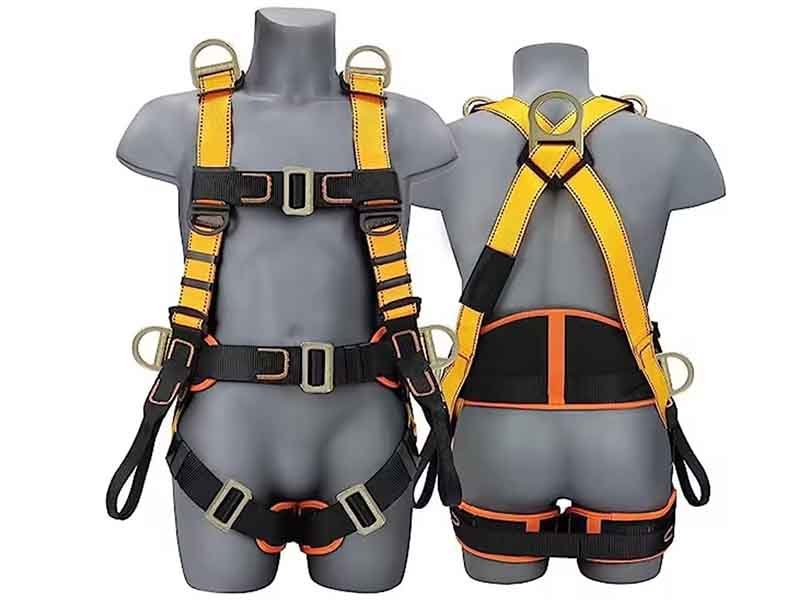
- Not for Safety‐Critical Use: Jute webbing is not rated for human safety or lifting applications. It should never be used for climbing harnesses, seat belts in vehicles, or other life‐safety gear.
- Short Lifespan in Industrial Settings: Under constant abrasion or exposure to oils, acids, or alkalies, jute can degrade faster than synthetic fibers. Industrial settings often require the longevity and chemical resistance of nylon or polyester.
Conclusion
Jute webbing offers a compelling mix of natural appeal, eco‐credentials, and moderate strength, making it a top choice for home décor, fashion accessories, light industrial uses, and sustainable packaging. However, its limitations—such as moisture sensitivity, narrower width options, and coarser texture—mean it isn’t a one‐size‐fits‐all solution. By understanding its production process, properties, and care requirements, you can determine if jute webbing aligns with your brand values and functional needs.
If you’re ready to elevate your products with genuine, plant‐based materials, reach out to Szoneier today for a personalized quote. Whether you need standard jute webbing rolls or fully customized private‐label straps with unique widths, colors, and finishes, our expert team ensures 100 percent quality assurance, fast sampling, free design services, and low moq customization. Contact us now and let’s bring your sustainable webbing vision to life!

 Skip to content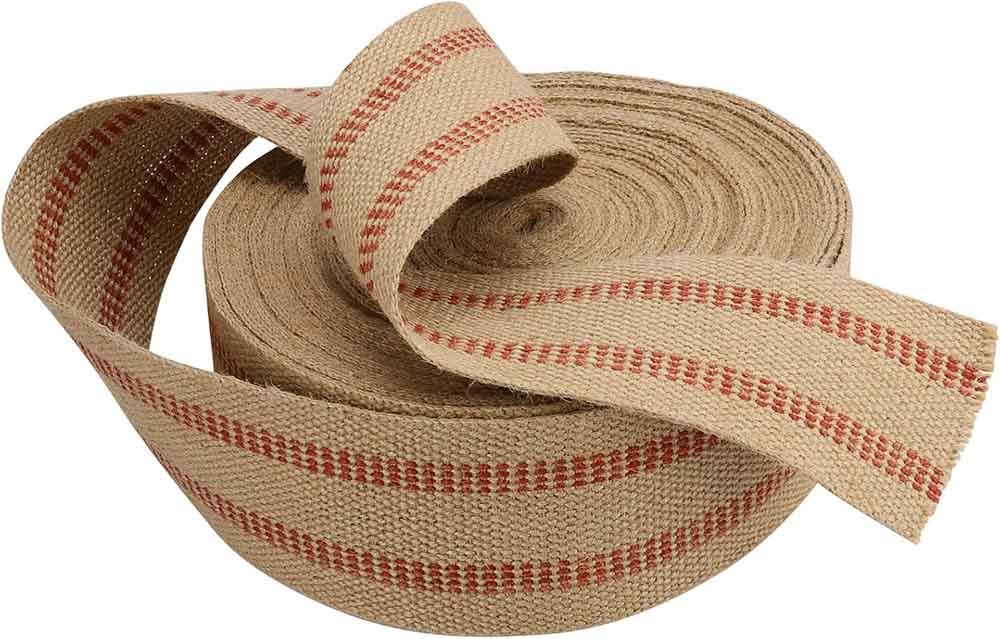



 Optimized by Seraphinite Accelerator