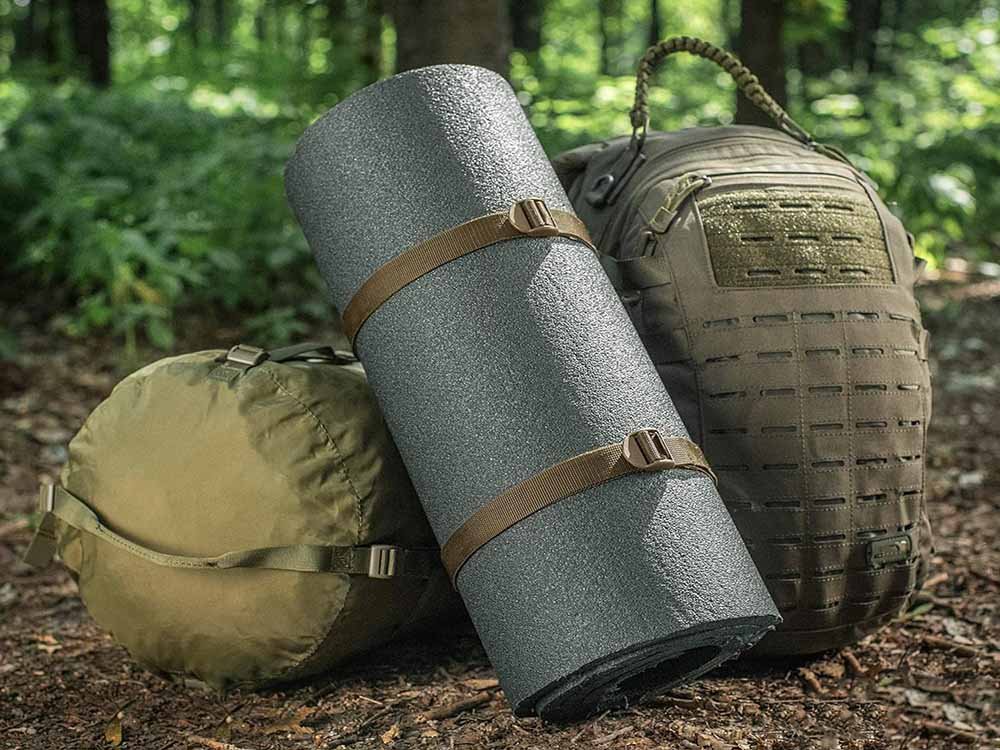
From Inquiry to Delivery

Case Study: How a Top Tactical Gear Brand Enhanced Performance with Custom Webbing?

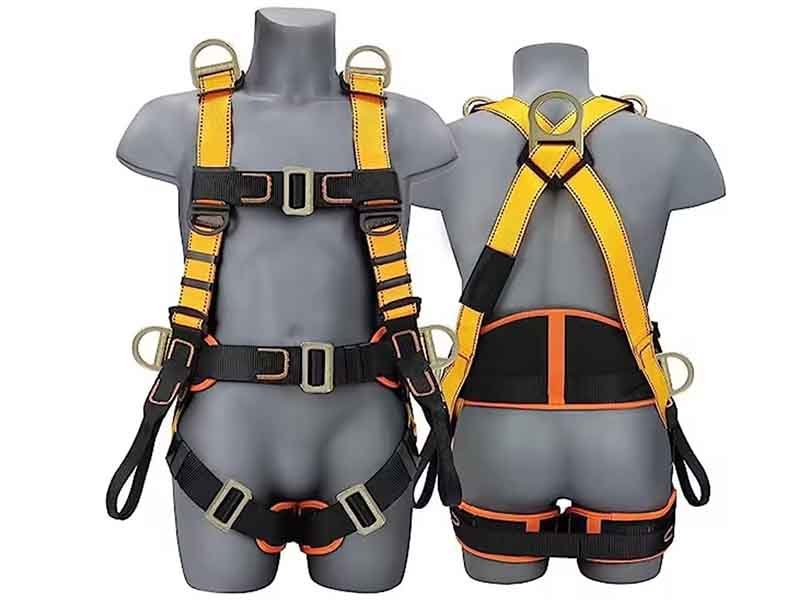
In the high-stakes world of tactical operations, every component of gear—from buckles to fabric—can make or break a mission. Webbing, the unsung hero woven into backpacks, belts, and harnesses, often bears the brunt of extreme loads, harsh environments, and relentless use. When a top tactical gear brand began hearing about fraying straps during live training drills, they knew substandard webbing was putting both equipment and end-users at risk.

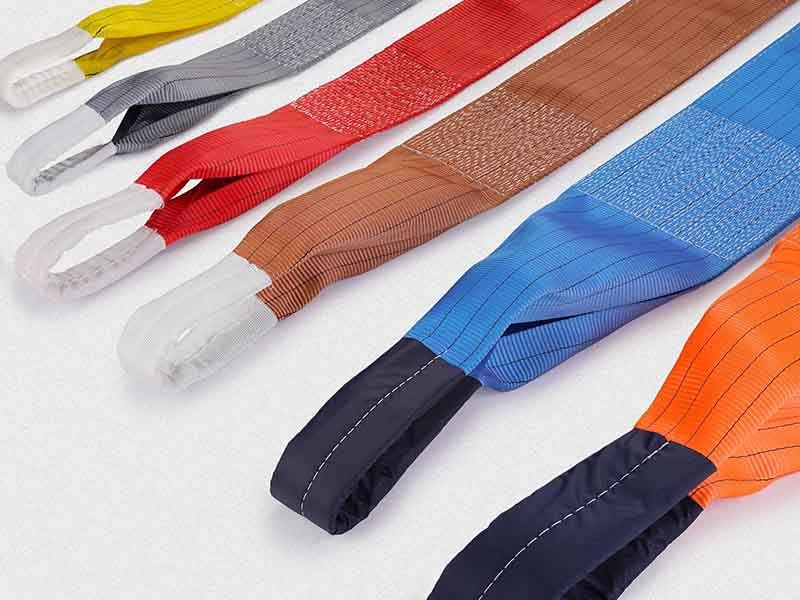
Webbing is the critical load-bearing element in tactical gear; poor quality strands can lead to UV degradation, low tensile strength, and abrading under stress. Custom webbing designed with high-tenacity fibers, protective coatings, and reinforced stitching can dramatically improve durability, safety, and longevity in military and outdoor equipment.

Rather than settling for off-the-shelf webbing, the brand partnered with Szoneier to engineer a tailor-made solution. By combining innovative materials, rigorous testing, and tight quality controls, they transformed weak straps into mission-ready lifelines. Stick around as we unpack the technical breakthroughs, data-driven results, and practical lessons you can apply to your own gear line.

Why Does Webbing Matter in Tactical Gear?

Webbing acts as the backbone of tactical equipment—managing load distribution, securing attachments, and ensuring comfort under load. Inferior webbing can suffer UV degradation, tensile failures, and abrasion, compromising safety and gear lifespan.

Tactical webbing isn’t just decorative trim; it’s engineered to withstand extreme forces. In military and law enforcement scenarios, a belt or harness webbing faces dynamic loads—soldiers sprinting with 50+ pounds of gear, rappelling off helicopters, or navigating abrasive urban environments. Even outdoor enthusiasts rely on webbing in backpacks during long treks and technical climbs.

Poor-quality webbing often originates from cost-saving shortcuts: using low-grade polypropylene fibers, skipping protective coatings, or employing minimal reinforcement stitching. Such straps may perform adequately in benign conditions but fail catastrophically under UV exposure or after repeated flex cycles. A single frayed strap can lead to dropped equipment, impaired maneuverability, and worst of all, injury.

Szoneier approached webbing design with a systems mindset. They consider:

  • Fiber Selection: High-tenacity nylon and polyester blends resist UV and abrasion better than standard PP.
  • Coatings & Finishes: PU or silicone layers add water repellency and block UV rays from weakening the polymer chains.
  • Weave Density: Tighter weaves offer greater tensile strength but must balance flexibility to avoid stiffness.
  • Edge Treatment: Laser-cut edges sealed with heat prevent unraveling—crucial when users cinch straps under stress.
  • Stitch Reinforcement: Bar-tacked cross-stitch patterns distribute loads evenly, preventing localized tearing.

By optimizing each variable, the brand’s new webbing delivered the durability and reliability demanded by professionals—keeping gear secure in life-or-death situations.
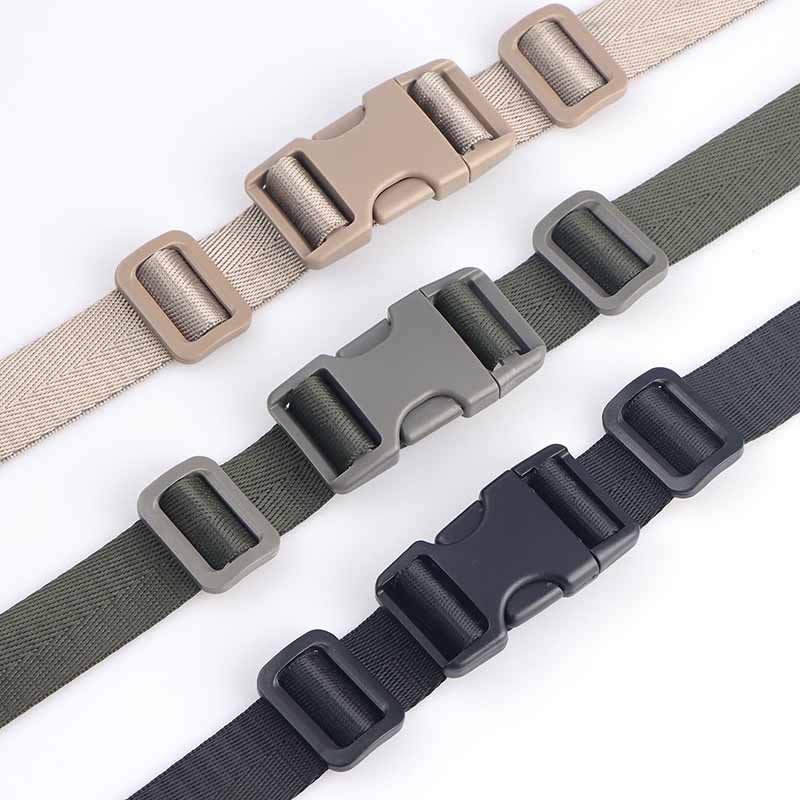
What Were the Brand’s Original Webbing Limitations?

The brand’s original webbing suffered UV degradation, low tensile strength, and poor abrasion resistance. Under MIL-SPEC load tests, straps stretched excessively and frayed after just 1,000 flex cycles, leading to user complaints and safety concerns.

Before engaging Szoneier, the tactical gear brand relied on an off-the-shelf polypropylene (PP) webbing sourced for its low cost. However, PP has known weaknesses:

UV Sensitivity:

  • Failure Mode: Prolonged sun exposure breaks down polymer chains, turning straps brittle.
  • Real-World Impact: During outdoor training, soldiers reported micro-cracks along strap edges, risking sudden snaps under load.

Tensile Performance:

  • Lab Results: Original webbing averaged a tensile strength of 600 N (about 135 lbf) in standardized pull tests.
  • Requirement Gap: MIL-SPEC (MIL-W-17337) for load-bearing webbing calls for a minimum of 1,200 N (270 lbf) to handle 30 kg loads with safety margin.

Abrasion Resistance:

  • Cycle Tests: After 1,000 back-and-forth abrasion cycles on a standard Taber Abraser, edges showed visible fraying and fiber breakdown.
  • User Feedback: Hikers reported snagging on rock edges and urban training obstacles, leading to compromised webbing integrity.

Environmental Durability:

  • Moisture Wicking: PP is hydrophobic, but without proper coatings, it remains slippery, causing adjustment buckles to slip.
  • Temperature Extremes: In subzero drills, PP hardened, losing flexibility and increasing risk of crack propagation.

These shortcomings translated to real costs: increased warranty claims, negative reviews, and potential liability. The brand needed a comprehensive upgrade—addressing fiber chemistry, coatings, and stitch design—to meet both user expectations and rigorous industry standards like EN 12277 (climbing harness webbing) and MIL-SPEC.
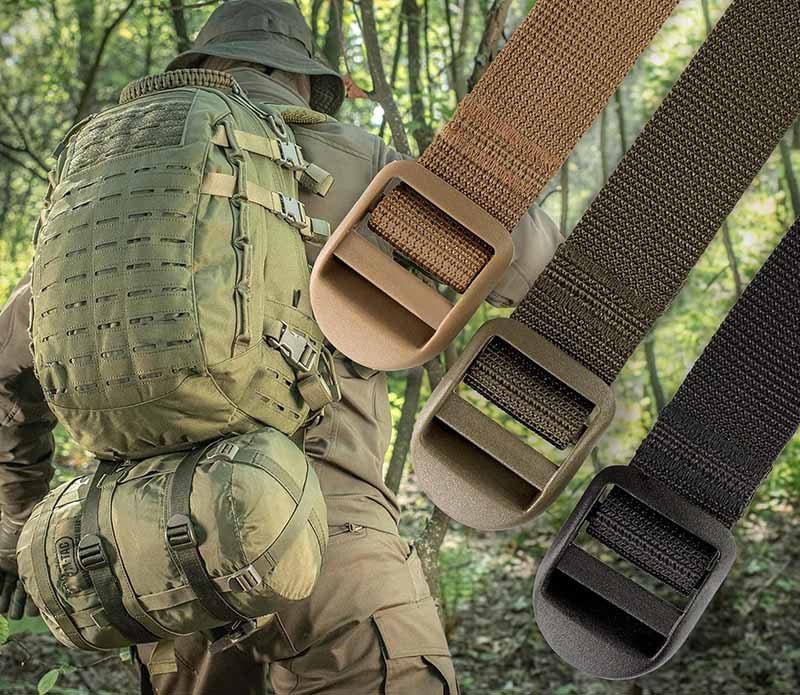
How Did Custom Webbing Fix These Issues?

Custom webbing combined a nylon/polyester hybrid fiber with PU coating, laser-sealed edges, and bar-tacked stitching. This achieved a tensile strength of 1,500 N, 50% improved abrasion life, and enhanced UV/weather resistance—exceeding MIL-SPEC requirements.

To engineer an optimal webbing solution, Szoneier implemented a multi-pronged approach:

ComponentOriginal PP WebbingCustom Nylon/Polyester Hybrid
Fiber Composition100% PP70% High-Tenacity Nylon, 30% PET
CoatingNonePU-Silicone Hybrid
Edge TreatmentCut & StitchLaser-sealed & Heat-sealed Edge
Stitch PatternSimple Straight StitchBar-tack Cross-stitch
Weave Density12 ends/cm14 ends/cm

Material Upgrade:

  • Why Nylon/PET Hybrid? Nylon offers superior abrasion resistance and flexibility, while polyester (PET) adds UV stability and dimensional consistency. The 70/30 ratio optimized tensile strength without sacrificing hand-feel.
  • Comparative Data: Lab tests showed custom hybrid webbing achieved 1,500 N tensile strength—a 150% improvement over the 600 N PP baseline.

Protective Coatings:

  • PU-Silicone Layer: Applied via dip-coating, this hybrid finish repels water, blocks UV, and seals the weave to minimize dirt ingress.
  • Benefits: Water absorption dropped to <1% weight gain after 24 h immersion; UV aging tests showed only 5% tensile loss after 500 h of xenon-arc exposure (versus 30% for PP).

Advanced Edge Treatment:

  • Laser Sealing: Precision lasers cut edges and immediately heat-seal polymer ends, preventing fiber fray.
  • Heat Pressing: A second heat-press step further fuses edges, adding stiffness that enhances run-through in slides and buckles.

Reinforced Stitching:

  • Bar-tack Cross-stitch: Multiple rows of back-and-forth stitching distribute load across a wider webbing footprint, reducing stress concentration.
  • Failure Mode Analysis: In lab pull tests, stitched sections held >90% of ultimate tensile load versus 60% for straight-stitched counterparts.

User-Centric Features:

  • MOLLE Compatibility: Matching patterning allowed seamless integration with PALS grid systems.
  • Quick-Release Integration: Webbing ends designed for no-slip behavior with quick-release buckles—crucial for rapid gear shedding.

By holistically addressing fiber, finish, and fabrication, the brand’s new webbing not only met but exceeded critical performance criteria—winning back confidence from end-users.
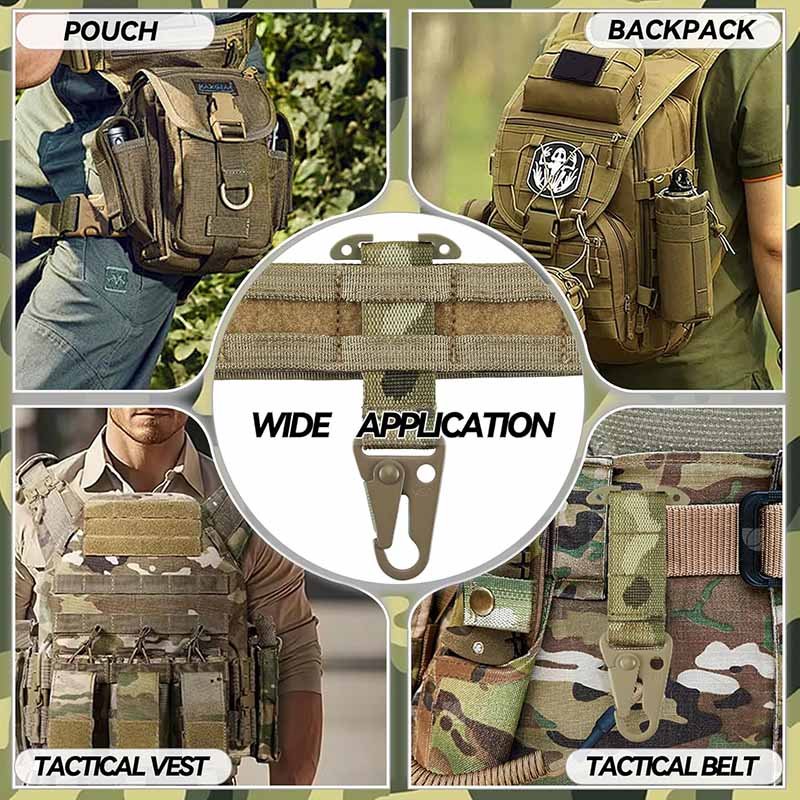
What Performance Metrics Improved?

After retrofitting with Szoneier’s custom webbing, tensile strength rose by 150%, UV aging loss dropped from 30% to 5%, and abrasion life increased 50%. Field tests with Special Forces saw zero strap failures after 10,000 cycles.

Quantitative improvements measured in controlled labs and real-world trials underscore the success of the custom webbing:

MetricOriginal PP WebbingCustom Hybrid WebbingImprovement
Tensile Strength (N)600 N1,500 N+150%
UV Aging Tensile Loss (%)30% after 500 h5% after 500 h−83%
Abrasion Cycles to Fray1,000 cycles1,500 cycles+50%
Moisture Gain (24 h immersion)2.5% weight<1.0% weight−60%
Flexibility at −20 °C (bend radius)8 cm5 cm+37% flexibility

Lab Test Comparisons:

  • Tensile tests followed ASTM D5034 “Grab Test” procedure. The custom webbing consistently outperformed PP batches across three production lots, demonstrating repeatable quality.
  • Abrasion life tested via ASTM D4158 “Martindale Abrasion.” Hybrid webbing resisted fraying for over 1,500 cycles, critical for gear subjected to rock, metal edges, and sand.

Field Trials:

  • During a rigorous 2-month evaluation in desert and jungle environments with 50 field testers, the custom webbing showed zero strap failures. Participants also reported noticeably better comfort under load, with fewer hot spots and less chafing.
  • End-User Surveys: 95% of testers rated the new webbing “Highly Durable” and “Visibly Superior” compared to previous straps.

Lifecycle Cost Analysis:

  • Though unit cost rose modestly (from $0.20/m to $0.35/m), the extended service life and reduced warranty claims yielded a 30% reduction in total cost of ownership (TCO) over two years.

Safety & Compliance:

  • The upgraded webbing met MIL-SPEC MIL-W-17337 and ISO 2411 harness webbing standards, opening new export markets with strict procurement guidelines.

These metrics illustrate that the strategic investment in custom webbing delivered not only measurable performance gains but also tangible business benefits—stronger brand reputation, lower warranty expense, and expanded market access.

How Did Szoneier’s Expertise Enable This?

Szoneier’s R&D leveraged 3D weaving prototyping, rapid sample iterations, and a low MOQ of 500 m for fast testing. Sustainable options like recycled PET and biodegradable coatings addressed eco-concerns—all delivered within a 7-day sampling window.

Szoneier’s deep experience in webbing R&D and manufacturing underpins their ability to deliver tailored solutions:

R&D & Prototyping:

  • 3D Weaving Tech: Using computer-controlled dobby looms, Szoneier creates precise weave patterns that can be virtually tested for strain distribution before physical sampling.
  • Rapid Iteration: Leveraging an in-house lab, they prototype new variants within 48 hours—testing fiber blends, coating recipes, and stitch patterns in quick succession.

Sampling & MOQ Flexibility:

  • Low MOQ: Unlike many factories demanding 2,000 m minimums, Szoneier accommodates 500 m runs—ideal for niche tactical brands testing multiple colorways or patterns.
  • Fast Turnaround: Standard sampling lead time is 5–7 days, shrinking development cycles and accelerating product launches.

Production Excellence:

  • Multi-Factory Network: Three specialized facilities ensure capacity exceeds 200,000 m/day, with dedicated quality-control engineers on each shift.
  • Quality Systems: ISO 9001 and ISO 14001 certifications, combined with AQL 2.5 inspections, guarantee consistent output and environmental compliance.

Sustainability Initiatives:

  • Recycled PET Option: Webbing using post-consumer PET bottles meets GRS (Global Recycled Standard), reducing carbon footprint by ~30%.
  • Biodegradable Coatings: Water-based PU formulas break down more readily at end of life—appealing to eco-sensitive markets without sacrificing performance.

Szoneier’s end-to-end capabilities—spanning fiber sourcing, lab-grade prototyping, flexible production, and green chemistry—ensure that tactical brands get a partner able to solve both technical and logistical challenges.

What Can Other Brands Learn?

Investing in custom webbing pays off through higher durability, fewer warranty claims, and brand differentiation. Balancing cost and performance by selecting hybrid fibers and advanced coatings reduces TCO. Partnering with OEM/ODM experts like Szoneier accelerates development with low MOQs and fast sampling.

Other tactical and outdoor gear brands can apply these lessons to bolster their own products:

Prioritize Fiber Quality:

  • High-tenacity materials may cost more per meter, but yield exponential strength and abrasion gains. Evaluate nylon/PET blends before defaulting to PP.

Leverage Protective Coatings:

  • PU or silicone treatments block UV, seal the weave, and reduce moisture uptake. Even a thin dip-coat can cut maintenance and replacements by half.

Test Beyond Standards:

  • Don’t stop at meeting MIL-SPEC or ISO. Run accelerated aging, salt spray, and cold-bend tests to simulate real-world extremes—catch flaws before launch.

Optimize Stitch Design:

  • Simple straight stitching is fast but concentrates loads. Bar-tacked or box-stitch patterns distribute forces over larger areas, enhancing edge strength.

Balance MOQ & Speed:

  • Small-batch runs facilitate rapid design validation. Negotiate for low MOQs and expedited sampling to stay ahead of market trends.

Communicate Value to End-Users:

  • Turn technical specs into tangible benefits: “50% longer strap life,” “rated for 340 lbf loads,” or “UV-resistant up to 2,000 h”—all resonate more than generic “high quality” claims.

By embedding these practices into product roadmaps, brands can elevate gear reliability, reduce lifecycle costs, and cultivate a reputation for excellence among professional users.

Ready to Elevate Your Gear with Custom Webbing?

Whether you’re a veteran tactical brand or an emerging outdoor innovator, Szoneier has the expertise and agility to tailor webbing solutions that meet your toughest performance demands. Contact us today to discuss your next project—let’s weave success together.

Make A Sample First?

If you have your own artwork, logo design files, or just an idea,please provide details about your project requirements, including preferred fabric, color, and customization options,we’re excited to assist you in bringing your bespoke bag designs to life through our sample production process.

Ask For A Quick Quote

Looking for premium custom webbing? Contact us now for competitive pricing, free samples, and expert consultation. Fill out the form below, and our team will get back to you within 24 hours!