
From Inquiry to Delivery
Whether you’re building tactical backpacks, outfitting a military unit, or developing an outdoor survival line, you’ve probably come across the term “army webbing.” But what exactly is it—and why does it matter so much in tactical gear?
Army webbing is a specially woven, durable strap system used in military and tactical applications to securely carry equipment, distribute weight, and allow modular attachment of pouches, tools, and gear. It’s typically made from high-strength synthetic fibers like nylon or polyester and is a critical component of load-bearing systems like MOLLE and ALICE.
Let’s take a deeper look at army webbing: what it is, what it’s made of, how it’s used, and how you can customize it for your tactical products. And if you’re a brand or sourcing agent looking for top-notch custom webbing, make sure you stick around to the end.
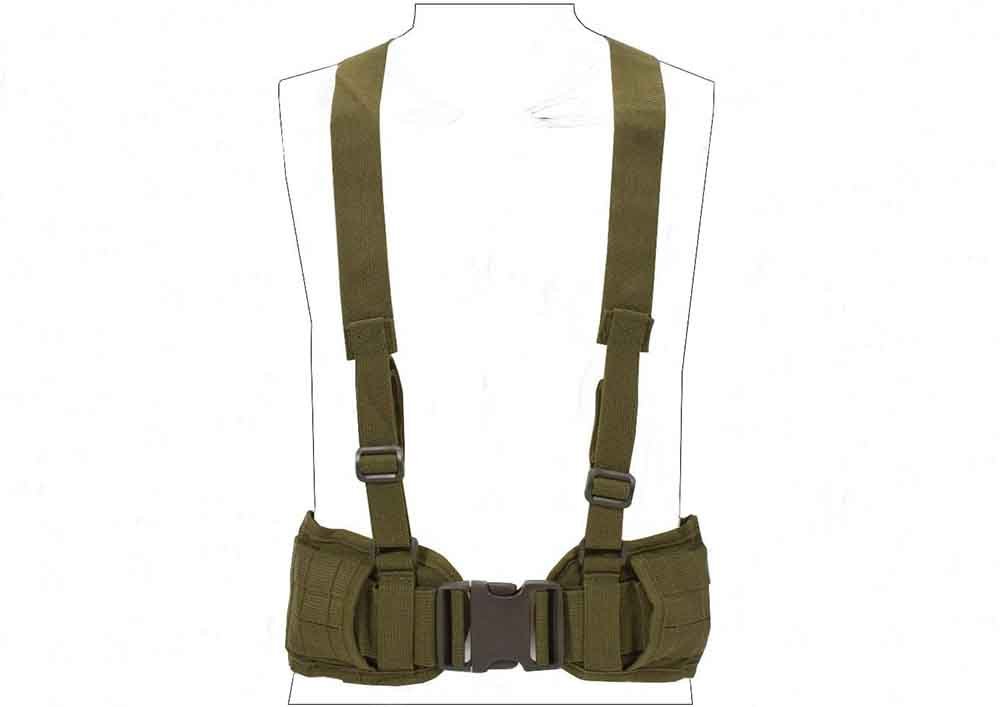
Army webbing includes belts, harnesses, chest rigs, and modular systems like ALICE and MOLLE, designed to help soldiers carry gear securely and efficiently in the field.
A U.S. Marine might wear a MOLLE vest with ammo pouches, while a European mountain ranger could use a chest rig and hydration pack. Each setup adapts to terrain, mission duration, and threat level.
The best materials for army webbing are nylon, polyester, and polypropylene due to their strength, resistance to wear, and performance in extreme conditions.
| Material | Tensile Strength (lbs/in) | UV Resistance | Water Resistance | Abrasion Resistance | Typical Use |
|---|---|---|---|---|---|
| Nylon | 4,000 | Medium | Excellent | High | Load-bearing vests, belts, and slings |
| Polyester | 3,000 | High | Excellent | Medium-High | Backpacks, tactical pouches, vests |
| Polypropylene | 2,500 | High | Very High | Medium | Budget tactical gear, temporary setups |
| Cotton | <1,500 | Low | Low | Low | Decorative or traditional gear |
Expert Tip: Flame-resistant coatings and IR-compliant dyeing options are essential for military contracts. If your gear will be used in combat zones, ask about these specifications.
Army webbing is manufactured through tight, high-tensile weaving of synthetic fibers, followed by cutting, dyeing, reinforcement, and assembly with tactical hardware.
A MOLLE pouch might contain 20+ bar-tack reinforcements. Stitching quality is just as critical as fabric type. A single weak stitch can lead to mission failure in the field.
Yes. Army webbing varies across countries and branches, with some preferring legacy systems while others embrace modern modular platforms like MOLLE.
| Country/Military Branch | Preferred Webbing System | Key Characteristics |
|---|---|---|
| U.S. Army | MOLLE | Modular, PALS webbing, used in vests and pouches |
| British Army | Osprey (MOLLE-compatible) | Includes hydration systems and full front coverage |
| Russian Forces | SSO / Hybrid Systems | Often combines ALICE elements with modern straps |
| Chinese PLA | Type 07 Vest System | MOLLE-inspired, integrated armor + webbing |
If you’re exporting gear, understanding the buyer’s national standard is essential. A MOLLE-only system may not be compatible with ALICE clips or older NATO equipment.
Tactical webbing is built for durability, weight load, and combat conditions, while outdoor webbing focuses on comfort, flexibility, and aesthetic appeal.
| Feature | Tactical Webbing | Outdoor Webbing |
|---|---|---|
| Load Capacity | 100+ kg (tested to MIL-SPEC) | ~30–50 kg |
| Coating | IR-compliant, flame retardant, PU coated | DWR or no coating |
| Design | Minimalist, modular, black/camo colors | Bright, branded, or contoured designs |
| Stitching | Box-X, bar-tack, MIL-SPEC stitching | Standard lock stitch |
| Target Application | Combat, military, police, law enforcement | Hiking, camping, daily use |
Choosing the wrong type for the wrong audience can result in returns, warranty claims, and lost trust.
Brands can customize army webbing with unique logos, specific colors, modular configurations, and tailored hardware to meet tactical needs and enhance brand identity.
Szoneier supports full-stack OEM/ODM solutions from design to production. Every project comes with quality inspection reports, and we provide flame and tensile testing documentation for bulk orders.
From raw fiber to field-ready gear, army webbing plays a foundational role in every tactical setup. Choosing the right type, material, and customization strategy is essential for performance, safety, and brand success.
Szoneier has over 18 years of experience manufacturing high-performance webbing for global clients. Whether you’re developing tactical vests, police gear, outdoor backpacks, or military-grade pouches, we’ve got the material, design expertise, and production capacity to bring your vision to life.
Get in touch with Szoneier today to request free samples, explore customization options, and get a competitive quote for your tactical webbing project.


No worries, please contact us and we will answer all the questions you have during the whole process of webbing customization.
If you have your own artwork, logo design files, or just an idea,please provide details about your project requirements, including preferred fabric, color, and customization options,we’re excited to assist you in bringing your bespoke bag designs to life through our sample production process.

Copyright ©2021 Szoneier , All rights reserved.
Looking for premium custom webbing? Contact us now for competitive pricing, free samples, and expert consultation. Fill out the form below, and our team will get back to you within 24 hours!
