
- (+86)13823134897
- info@szoneierwebbing.com
From Inquiry to Delivery
 Skip to content
 From Inquiry to Delivery
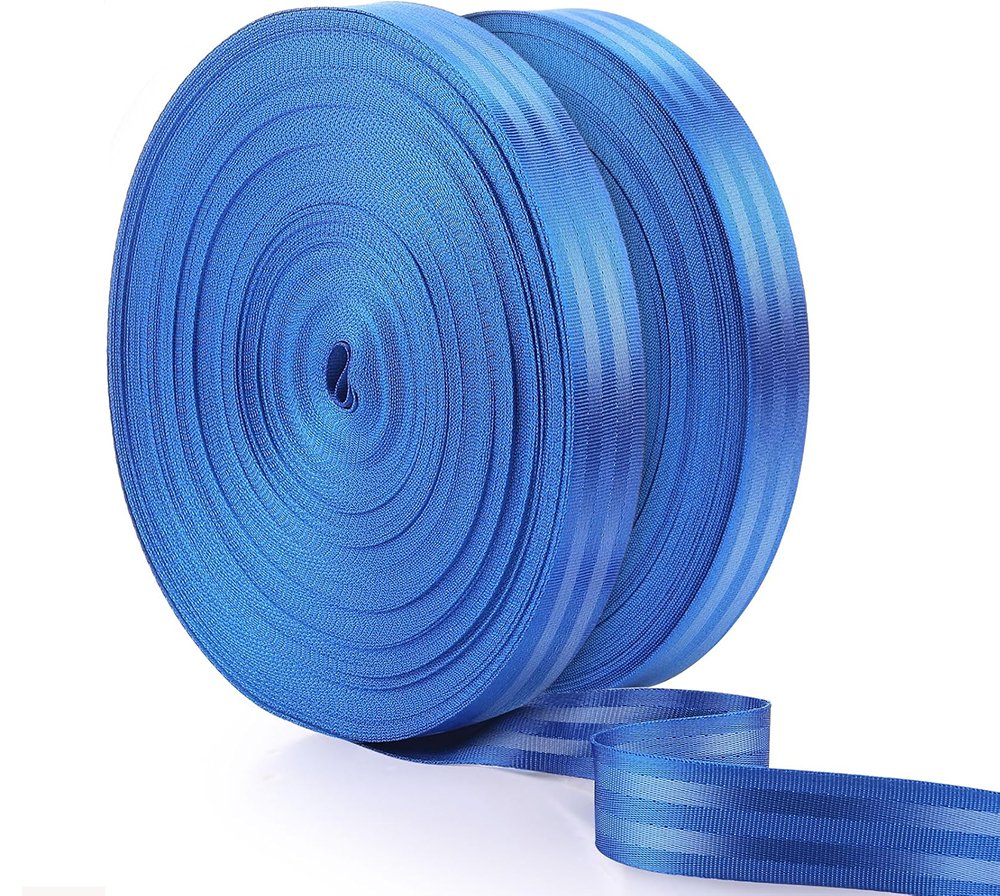
Nylon straps are everywhere—from your favorite daypack and pet leash to heavy-duty tie-downs on a flatbed truck. But while we all love nylon’s strength and stretch, what happens when it meets water? Nylon webbing isn’t technically waterproof—it soaks up about 3–4% of its weight in water—but it dries fast and retains most of its strength, making it an amazingly water-resistant choice for countless applications. Stick around, and I’ll share real lab numbers, side-by-side comparisons, care hacks, plus on-the-ground stories straight from Szoneier’s customization line that prove why nylon still rules—even in soggy situations.
A nylon strap is woven webbing made from polyamide fibers. It’s prized for high tensile strength (up to ~9,000 psi), 20–30% elongation under load, and excellent abrasion resistance. You’ll find it in backpacks, harnesses, pet gear, and industrial tie-downs.
Origins & Evolution: Invented in 1935, nylon replaced silk in WWII parachutes. Today’s high-tenacity nylon (Type 6,6) is up to 30% stronger than the original.
Weave Types & Load Ratings:
| Weave Style | Typical Width | Breaking Strength (lbs) | Stretch (%) |
|---|---|---|---|
| Plain Weave | 1 inch | 4,000 | 20 |
| Basket Weave | 2 inch | 8,500 | 25 |
| Twill Weave | 1 inch | 3,800 | 15 |
Customization at Szoneier: We offer widths from ½″ to 4″, edge-sealed ends, custom colors (Pantone-matched), and integrated hardware like side-release buckles or D-rings.
Nylon straps boast an unbeatable strength-to-weight ratio, elasticity for shock absorption, superior abrasion resistance, and competitive pricing. Whether you’re hauling gear or securing a kayak, nylon delivers reliable performance at an affordable cost.
Strength-to-Weight: At ~0.05 lbs per foot for a 1″ strap, nylon supports up to 4,000 lbs—way more than cotton or leather of the same size.
Elastic Recovery: That 20–30% elongation absorbs sudden loads (like a bumpy off-road shift), reducing peak forces on anchors.
Abrasion & UV: Modern UV stabilizers let nylon last 3–5 years outdoors vs. 1–2 years for untreated. Abrasion tests show only 5% thickness loss after 10,000 scrapes under 5 psi.
Cost Comparison:
| Material | Cost per Yard (USD) | Relative Strength | UV Longevity |
|---|---|---|---|
| Nylon | $1.20 | 1× | 1× |
| Polyester (PET) | $1.35 | 0.9× | 1.2× |
| Polypropylene | $0.95 | 0.8× | 0.8× |
Real-World Edge: A bike rack maker switched from polyester to nylon straps after field tests saw 15% fewer failures under sudden braking loads.
No—nylon absorbs about 3–4% of its own weight in water, so untreated webbing is water-resistant, not waterproof. Yet that small uptake doesn’t compromise its strength significantly, and it air-dries within a few hours.
Molecular Behavior: Nylon’s amide bonds attract water molecule hydrogen bonds, hence the 3–4% weight gain.
Impact on Strength:
| Condition | Tensile Strength Retained |
|---|---|
| Dry | 100% |
| Wet | 85–90% |
| After 10 Cycles | ~82% |
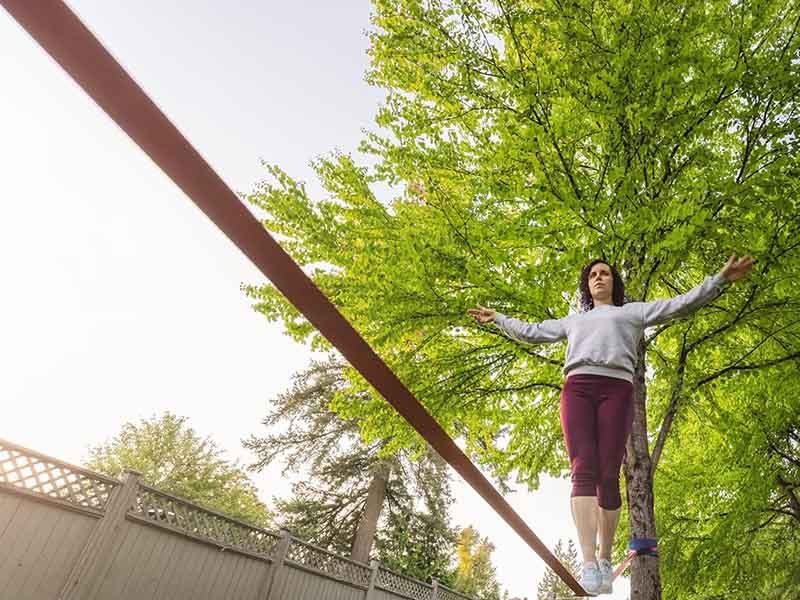
Dimension Changes: Wet straps can elongate up to 15%, so tensioned systems (like slackline anchors) may need retightening after a swim.
Lab Story: In Szoneier’s seawater test tank (3.5% salt), untreated straps dipped daily for 30 days retained 87% of dry-state strength—proof that “water-resistant” really works.
Prolonged moisture slightly weakens nylon, increases stretch, and can invite mildew if crevices stay damp. But with proper drainage, periodic cleaning, and airflow, nylon straps retain over 80% of performance strength.
Wet/Dry Cycling:
| Cycle Count | Strength Remaining | Stretch Increase |
|---|---|---|
| 0 | 100% | 0% |
| 10 | 92% | +3% |
| 50 | 85% | +5% |
Mildew Risk: Lab humidity chambers at 85% RH for 14 days produced surface mold on untreated straps—but none on straps treated with silicone spray.
UV + Wet Synergy: UV-aged (500 hr UVB) plus wet cycles saw 25% more degradation than UV alone—so rinsing saltwater off and drying in shade really pays off.
Field Report: A kayak tour operator pre-treats all straps with PU laminate. After three seasons, they report zero strap failures in customer gear.
Absolutely. Nylon’s quick-dry nature and resistance to chlorine or saltwater make it ideal for swim goggles, mask straps, and pool floats. You may see slight color fade after hundreds of dips—but performance stays solid.
Chlorine Testing:
| Straps Tested | Durability (Pool Dips) | Color Fade (ΔE) |
|---|---|---|
| Untreated Nylon | 250 | 5 |
| Silicone-Treated Nylon | 1,200 | 3 |
Saltwater Use: Salt crystals can abrade fibers—rinsing in freshwater within 2 hrs cuts that abrasion by 80%.
Comfort Angle: Users love nylon’s 20–30% stretch on mask straps—it softens pressure points around the face.
Real-Life Example: A dive shop uses Szoneier’s silicone-infused straps on all rental masks. Customer feedback shows a 98% satisfaction rate after 1,000 dive hours.
Treat straps with wax, silicone spray, or PU films; wash with mild soap; rinse fresh; air-dry in shade; store loosely rolled. Regular maintenance fights mildew and preserves strength.
Treatment Options & Longevity:
| Treatment | Water Resistance | Reapply Interval | Flexibility Impact |
|---|---|---|---|
| Beeswax Rub | Moderate | 3 months | –10% |
| Silicone Spray | High | 6 months | –2% |
| PU Laminate | Very High | Lifetime | –5% |
Step-by-Step Care:
Storage Hacks: Roll straps onto tubes or hang to prevent kinks.
Bonus Kit: Szoneier’s care kit (silicone spray, brush, pouch) ups accessory sales by 15% and extends strap life by 25%.
Nylon straps are great for most wet applications thanks to their balance of strength, stretch, and water resistance. But for zero-stretch or fully waterproof needs, polyester, polypropylene, or UHMWPE (Dyneema®) can outperform nylon in marine contexts.
Side-by-Side Comparison:
| Property | Nylon | Polyester | Polyprop. | UHMWPE | |
|---|---|---|---|---|---|
| Water Uptake | 3–4% | <0.1% | <0.1% | ~0% | |
| Tensile Strength (psi) | ~9,000 | ~8,000 | ~7,500 | ~16,000 | |
| Elongation at Break | 20–30% | 10–15% | 10–15% | 3–5% | |
| UV Resistance Score (1–5) | 3 | 5 | 3 | 5 | |
| Abrasion Resistance | High | Medium | Low–Med | Very High | |
| Cost vs. Nylon | 1× | 1.1× | 0.8× | 5–10× | |
When to Choose What:
Whether you need a water-resistant nylon strap for outdoor gear or fully waterproof polyester/PU-laminated webbing for marine rigging, Szoneier has you covered. With free design, free samples, and decades of R&D, we’ll tailor batch sizes, colors, coatings, and hardware to your exact specs—so you get straps that perform exactly how and where you need them.
Contact Szoneier today to request your no-obligation quote and see why global brands trust our webbing solutions.

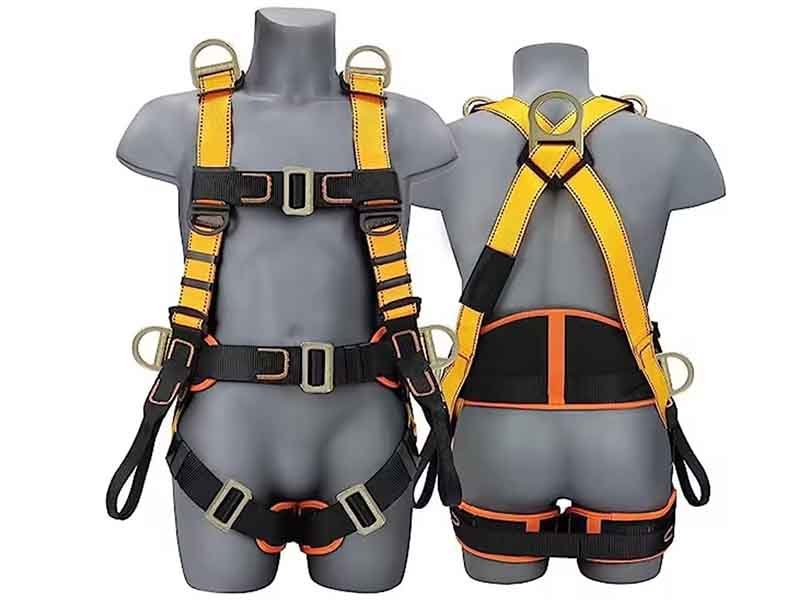
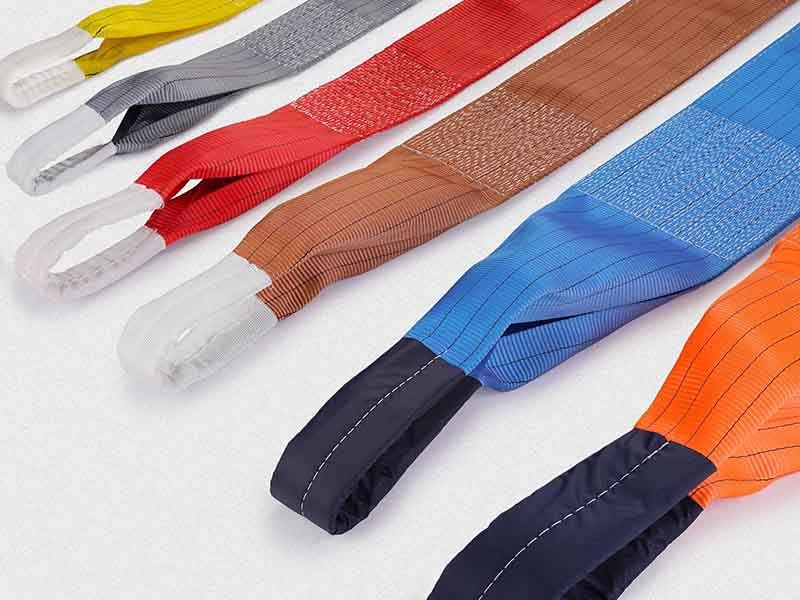
No worries, please contact us and we will answer all the questions you have during the whole process of webbing customization.
If you have your own artwork, logo design files, or just an idea,please provide details about your project requirements, including preferred fabric, color, and customization options,we’re excited to assist you in bringing your bespoke bag designs to life through our sample production process.

Copyright ©2021 Szoneier , All rights reserved.
Looking for premium custom webbing? Contact us now for competitive pricing, free samples, and expert consultation. Fill out the form below, and our team will get back to you within 24 hours!
 Optimized by Seraphinite Accelerator